
Nagareyama L.E.A.D.: Turning Kids into “Hero-preneurs”
In the landscape of Japanese education, where harmony and correctness are often prioritized, a new wave of learning is taking root. At Nagareyama L.E.A.D., children aren’t just students—they are “Hero-preneurs.” This innovative program moves beyond traditional tutoring to instill an entrepreneurial mindset for kids, teaching them to see themselves as problem-solvers and positive forces of change.
Defining the Hero-preneur Identity
A Hero-preneur is defined by their capacity to identify real problems, empathize with others and create team-based solutions. Unlike typical definitions of heroism that focus on individual glory, this program emphasizes meaningful risk-taking and collaboration. By shifting the focus from academic perfection to social contribution, the program fosters a unique sense of identity where children learn to say, “I can try. I can fail. I can improve. I can lead.”
Expanding Japanese Cultural Values
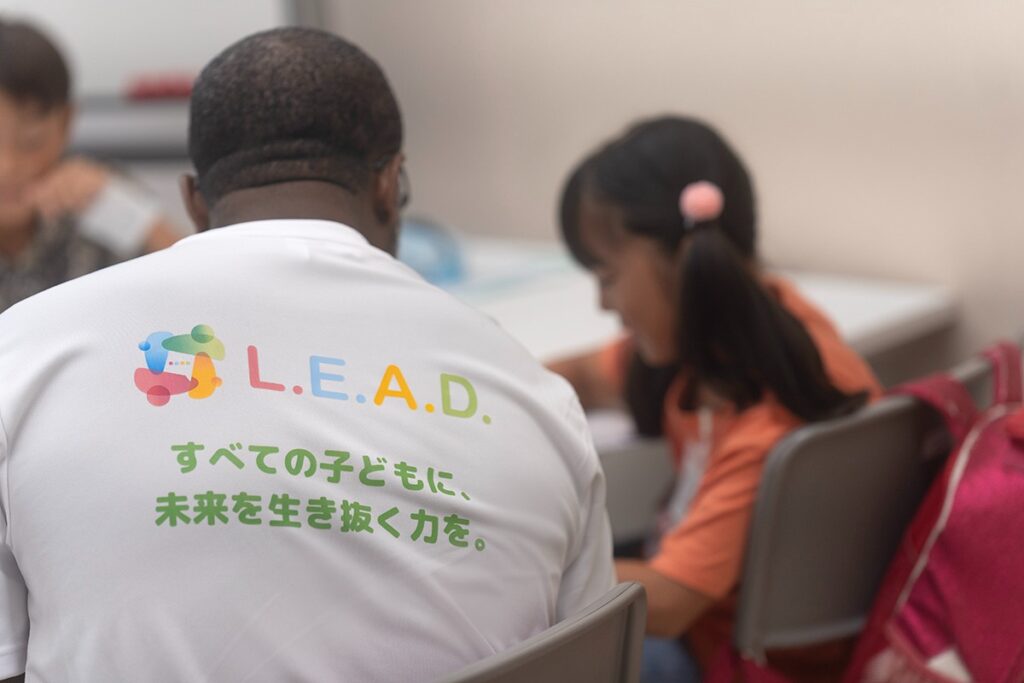
For many families, the local educational culture is known for prioritizing memorization and avoiding meiwaku (causing trouble). L.E.A.D. takes a unique approach by expanding this culture rather than fighting it, utilizing the Lead Methodology to bridge the gap between tradition and innovation.
Instead of viewing the avoidance of trouble as passivity, the program reframes it. It encourages students to approach challenges with an entrepreneurial mindset, proving that stepping out of one’s comfort zone is necessary for growth. This helps students navigate the balance between cultural harmony and individual initiative.
The Lead Methodology in Practice
The program cultivates this mindset through a distinct shift in how children approach challenges, prioritizing action over hesitation.
First, students learn to try before they are ready. Through quick prototyping and mini-pitches, they take action before they feel certain, learning that perfection is not the goal. This is supported by a curriculum that ensures safe, scaffolded mistakes. By using timer challenges and idea iterations, the program normalizes failure, treating mistakes as a necessary part of the creative process rather than something to be feared.
Furthermore, the program emphasizes leading small to lead big. Leadership is treated as a skill to be practiced rather than an inherent personality type. Students rotate through manageable roles, such as facilitator and timekeeper, which allows them to incrementally build confidence. This evidence-based approach helps students discover their Hero Power by connecting ideas to their personal strengths through structured reflection.
Transforming Hesitation into Confidence
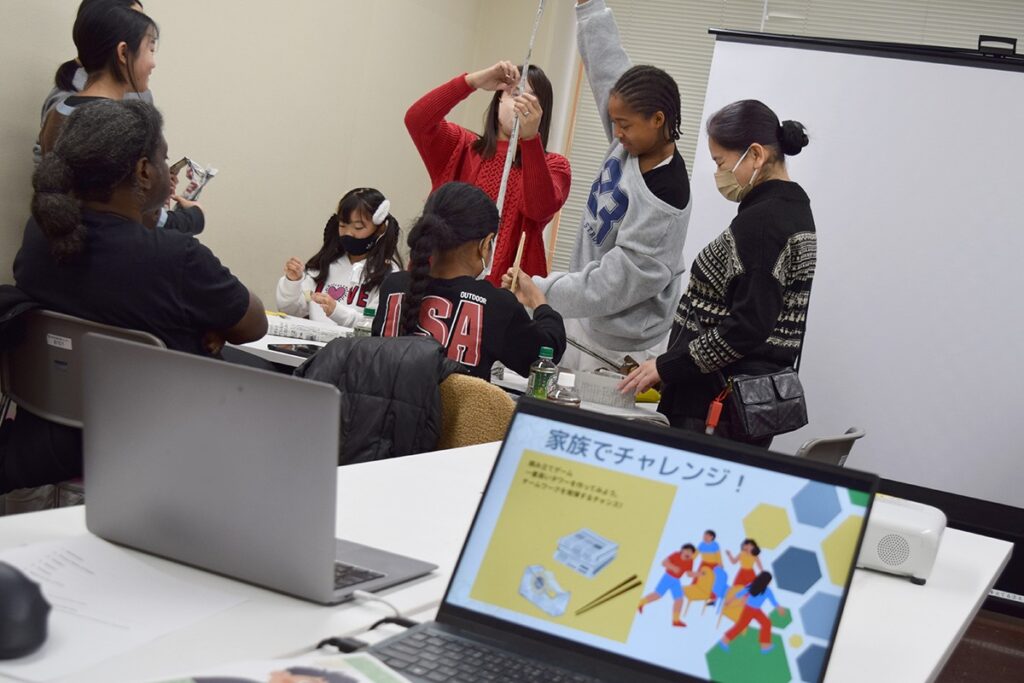
One of the most profound outcomes of this entrepreneurial mindset for kids is the L.E.A.D. Effect—a consistent behavioral shift seen in quieter or hesitant students. While many children in Japan are implicitly taught not to stand out, the gamified and safe environment of L.E.A.D. encourages them to speak up during discussions and take ownership of team roles.
Students quickly discover that leadership doesn’t always mean being the loudest; it can mean organizing, supporting or clarifying. By the end of a semester, a typical transformation occurs where students who started with downcast eyes and whisper-level voices are delivering clear pitches and initiating ideas.
Parental Involvement and Family Growth
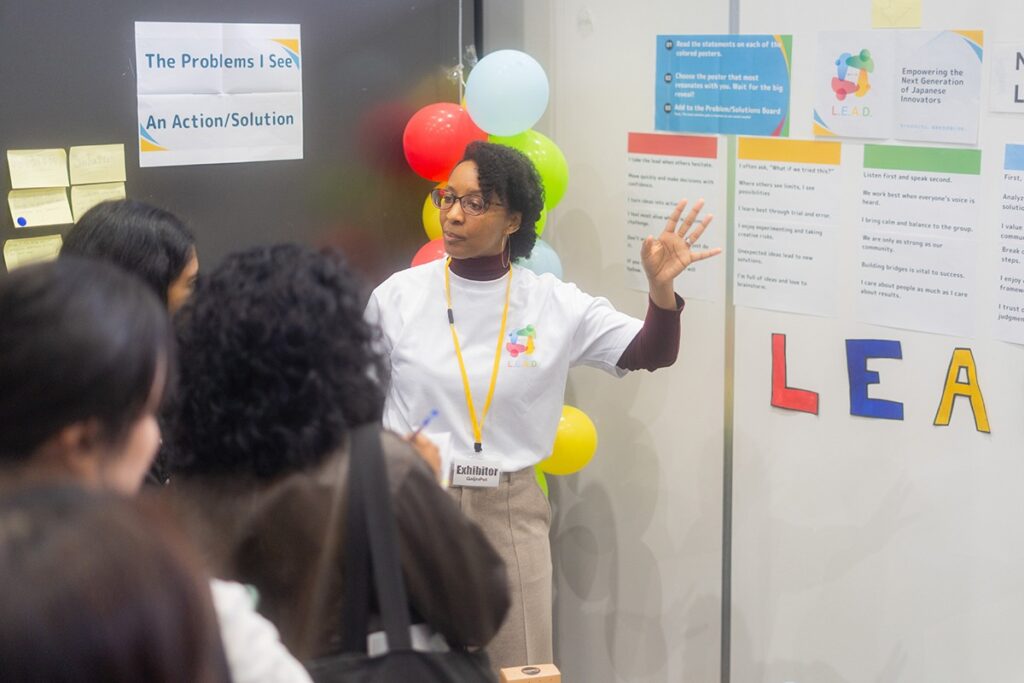
Unlike typical after-school programs that focus on routine skills like coding or abacus, L.E.A.D. focuses on mindset over memorization, a journey that extends to the parents as well. The program intentionally weaves parents into the curriculum through workshops, reflection prompts and skill demos to ensure the mindset shift happens at home.
Parents receive tools and language to discuss resilience and creativity, leaving them better prepared to support their child’s growth. The results can be eye-opening. In one instance, a parent joined their child to build a community kindness system and realized how capable their child was at generating ideas and leading adults, noting they learned more about their child in 30 minutes than in the previous month.
Assessing Growth Beyond Test Scores
Success in developing an entrepreneurial mindset is not measured through standardized tests, but through qualitative indicators. L.E.A.D. tracks growth through self-evaluations and observable behavioral changes.
The impact is often visible outside the classroom. Parents frequently report spillover effects, noting that their children speak up more in regular school classes, take on leadership roles in group projects and recover more quickly from setbacks. Ultimately, L.E.A.D. shows children—and their parents—that they have the power to shape the world, not merely navigate it.
FAQ
What is a Hero-preneur?
A Hero-preneur is a child who sees themselves as a problem-solver and a positive force for change. They do not try to save the world alone; instead, they empathize with others, identify real-world problems and work in teams to create solutions.
How is this different from coding or abacus classes?
While traditional after-school programs often focus on routine technical skills or memorization, Nagareyama L.E.A.D. prioritizes mindset. The goal is to build the internal resilience, creativity and leadership skills necessary to navigate an unpredictable future.
Do parents need to be involved in the program?
Yes, parental involvement is a key component. The program integrates parents through workshops and skill demos to ensure that the entrepreneurial mindset is supported at home. This collaborative approach helps parents discover new capabilities in their children.
How do you measure progress without standardized tests?
Growth is tracked through qualitative methods rather than test scores. The program uses self-evaluations and observes behavioral changes, such as a student’s willingness to speak up, take risks and recover from mistakes.
Interested in more stories about education and community in Japan? Subscribe to the GoConnect Newsletter today for the latest insights on lifestyle and learning.
If you enjoyed this article, please let us know and share your thoughts at hello@goconnect.jp.