
Shima and Japan’s Ama Divers
Japan is where modern cities often grow atop the foundations of ancient traditions. Yet every so often you find a place where time seems to slow in the midst of the surrounding rapid change. Shima in Mie Prefecture is one of those places.
Located along the deeply indented coastline of Ise-Shima National Park, this quiet corner of Japan feels far removed from the hectic pace of Tokyo or Osaka. The landscape is defined by wooded hills, small fishing villages and calm bays scattered with islands. Boats rest on narrow beaches. Fishing nets dry in the wind. The sea is everywhere.
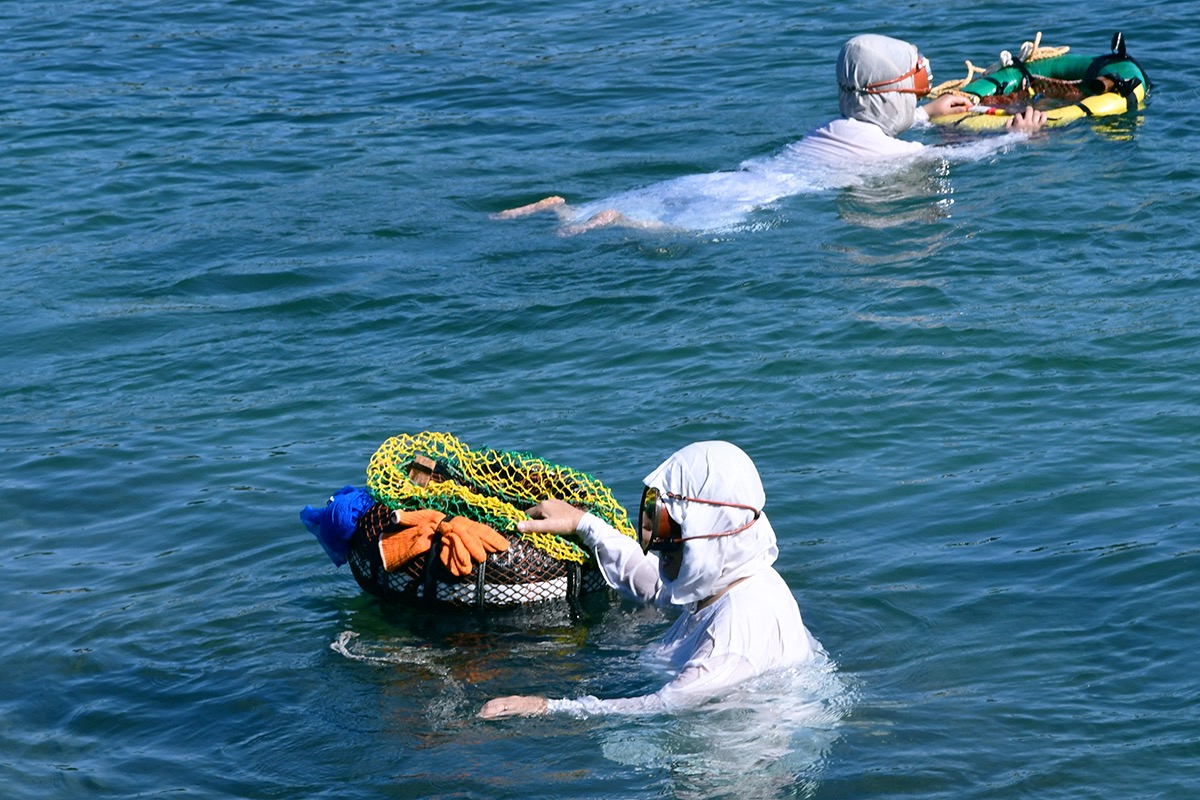
But what truly defines Shima and its people is not only the scenery. It is the enduring tradition of the ama divers, Japan’s legendary female free divers who have harvested seafood from these waters for more than 2,000 years. Their story is still part of everyday life here.
Quiet beauty of Ise-Shima National Park
Stretching across the Shima Peninsula and surrounding islands in Mie Prefecture, the coastline here is unlike most parts of Japan. Instead of long sandy beaches, the landscape forms a complex pattern of coves, rocky shores and sheltered bays.
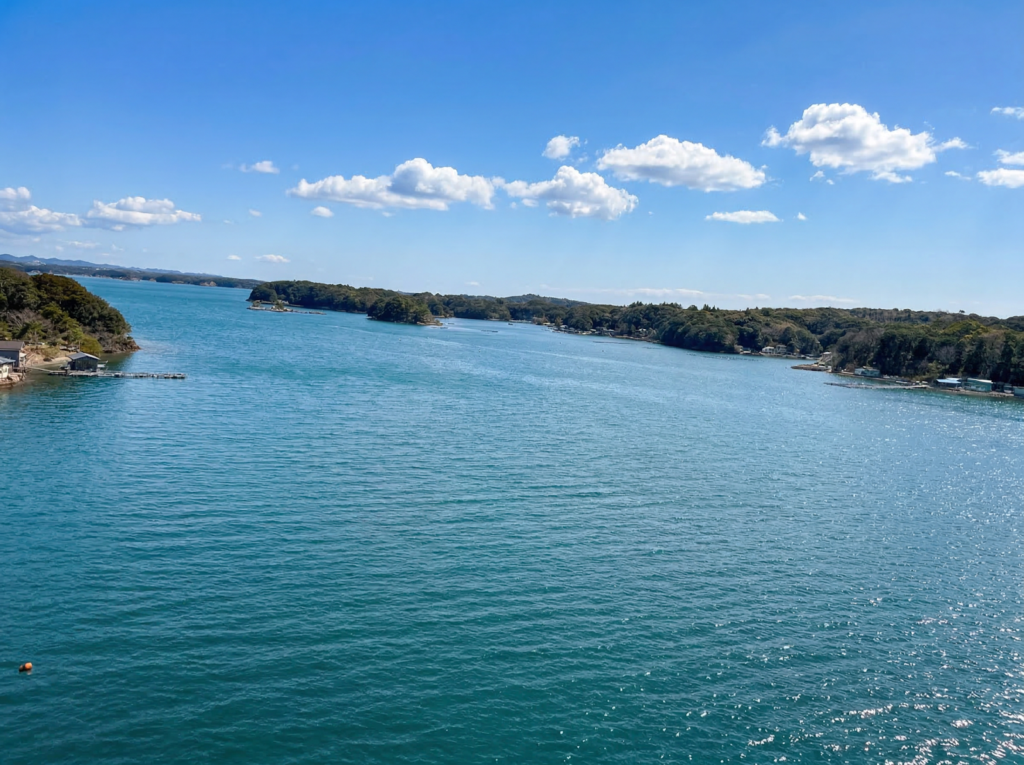
From the hills above Ago Bay, the view feels almost Mediterranean. Small green islands rise from calm blue water, while fishing boats move slowly between oyster farms and pearl rafts.
For centuries, these waters have supported communities that live closely with the sea. Fishing remains central to local life and many traditions connected to the ocean continue today, and among them is one of Japan’s oldest professions: ama diving.
Who are the ama divers?
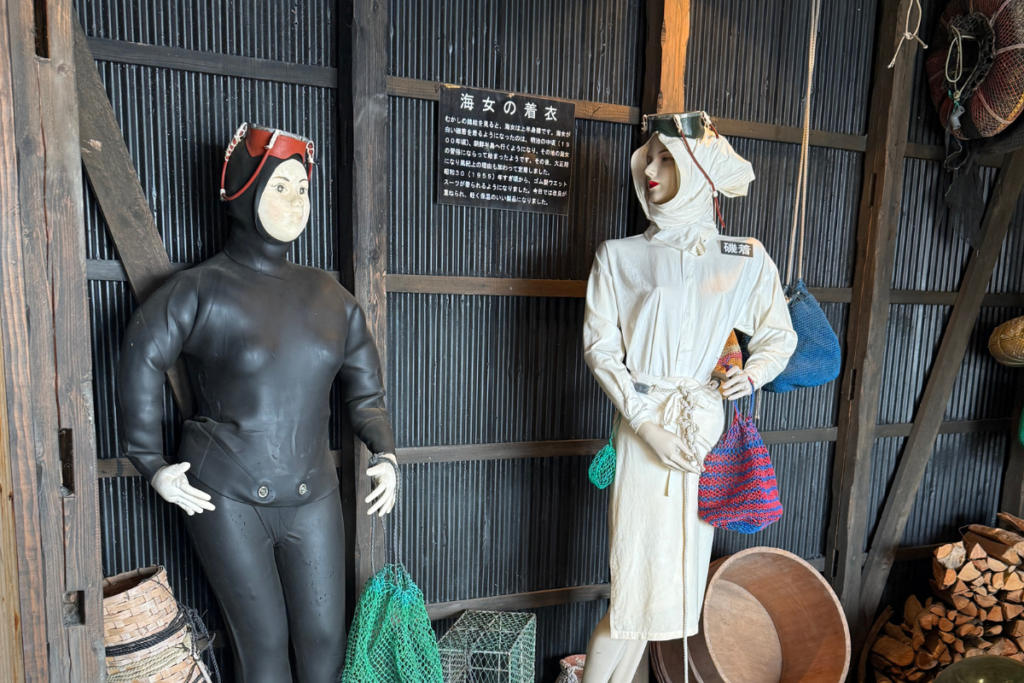
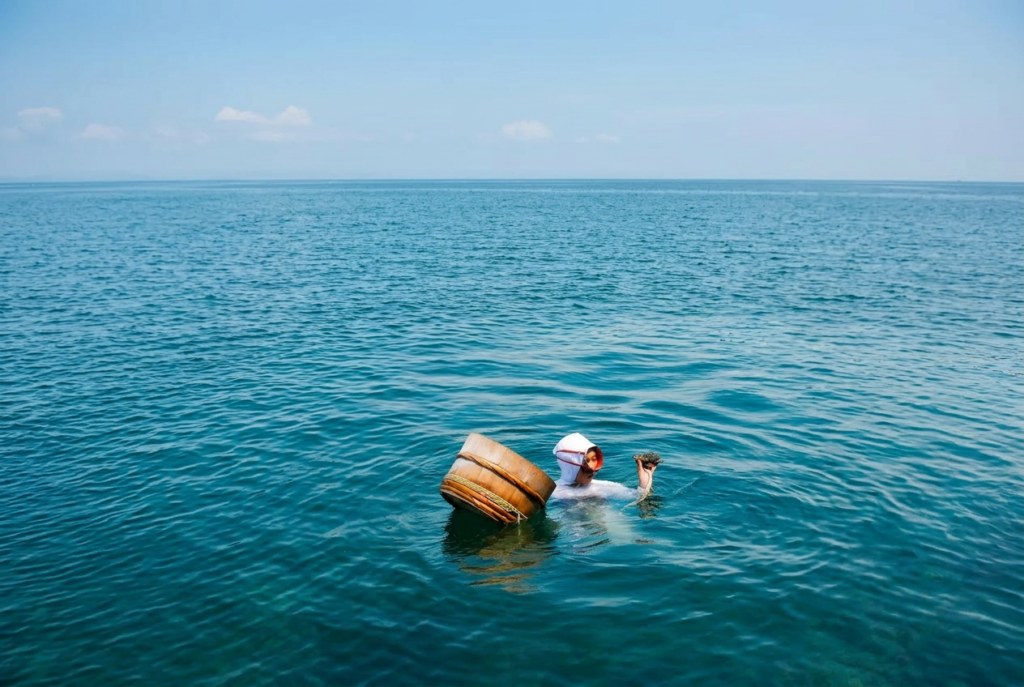
Ama means “women of the sea,” traditional Japanese free divers who harvest seafood, seaweed and shellfish without using oxygen tanks. Instead they rely entirely on breath control, skill and experience.
Their dives usually reach depths of around 10 meters and last between 30 and 60 seconds. After surfacing, the diver releases a distinctive whistling exhale before taking another breath and descending again. This sound, known as isobue, once echoed across the coast of Shima and Toba during the early morning hours. Ama divers traditionally collected abalone, turban shells, sea urchins, seaweed and oysters from the rocky seabed. The practice is believed to date back more than 2,000 years making it one of Japan’s oldest surviving maritime traditions.
Female divers: physiology and practicality
One of the most remarkable aspects of ama culture is that the divers were almost always women. Part of the reason why is physiology. Women tend to have slightly higher body fat levels which helps insulate divers against the cold water. But the deeper reason lies in the nuances of traditional coastal life. Traditionally, men ventured away from home for offshore fishing while women worked closer to the shore gathering marine resources.
Over time, diving became a specialized skill passed down through generations of women. Mothers taught daughters how to read currents, identify shellfish habitats and understand their own limits underwater. In the water, experience mattered more than strength, and patience mattered more than speed.
The golden age of the ama
The late 19th and early 20th centuries marked the golden age of the ama divers. During this time, the divers became closely connected with one of Japan’s most famous luxury industries: pearls. In nearby Toba, an entrepreneur named Kokichi Mikimoto was experimenting with a revolutionary idea. Instead of relying on extremely rare natural pearls, he believed pearls could be cultivated.
After years of experimentation, Mikimoto succeeded. The result was the world’s first commercially successful cultured pearl industry. Ama divers played a crucial role in this development, as they collected oysters from the seabed and helped maintain the early pearl beds that made cultivation possible.
By the early 20th century, Mikimoto pearls were being exported around the world and displayed at international exhibitions. Japan became the global center of pearl cultivation.
Behind that success were generations of ama divers working quietly beneath the surface of the sea.
Life as an ama diver
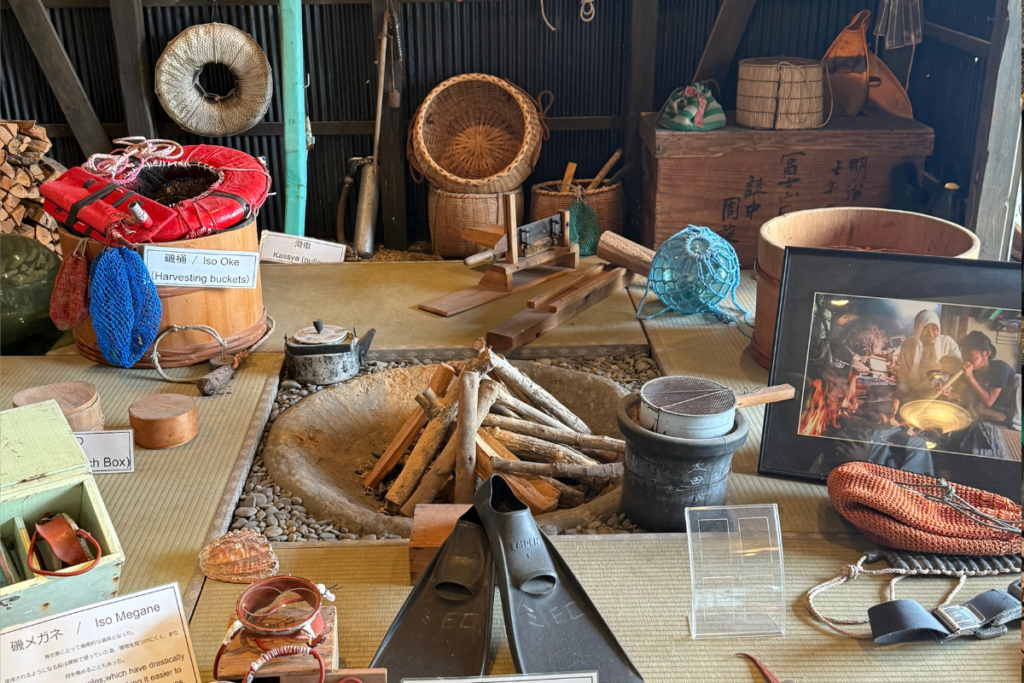
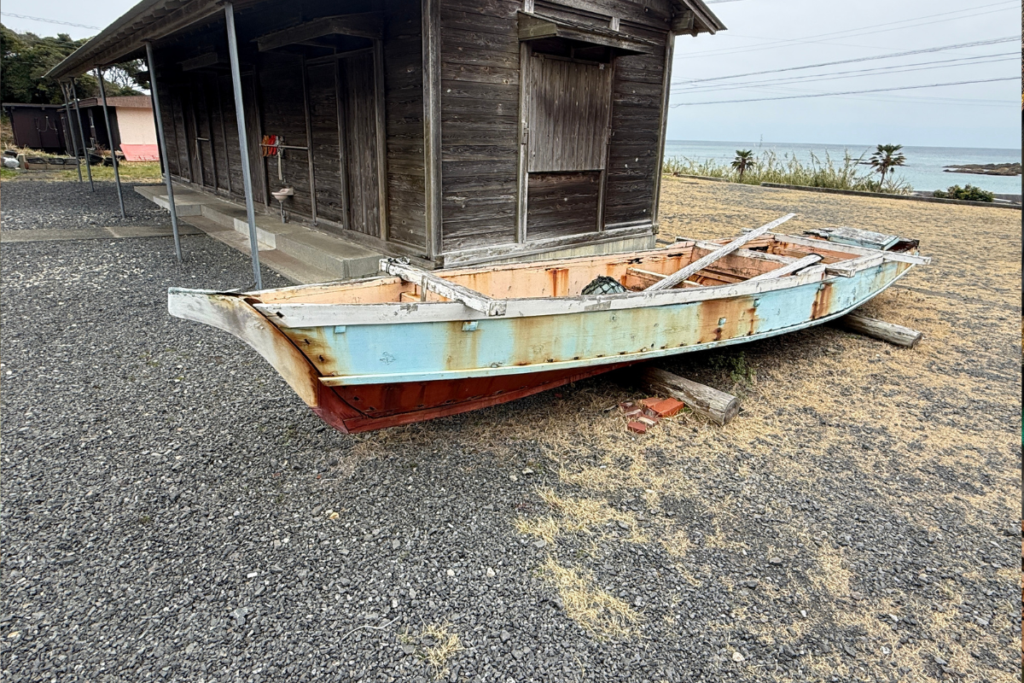
Ama diving is physically demanding but it is also deeply communal. Traditionally divers worked from small wooden boats and carried a floating wooden tub known as a tarai. The tub acted as a buoy and a container for shellfish collected during each dive. After the physically demanding diving sessions, the women gathered in simple huts called amagoya. Inside these huts divers warmed themselves around charcoal fires, cooked fresh seafood and shared stories from the day.
These gatherings formed the social heart of the diving community. The sea determined the rhythm of life. Weather, tides and seasonal restrictions controlled when diving was possible. During peak seasons, a diver might make hundreds of dives in a single day. The work required endurance, discipline and trust in the ocean.
Ama culture today
While the tradition continues, the number of ama divers has declined dramatically.
At its peak Japan had more than 10,000 ama divers. Today fewer than 1,000 remain and most live in the Ise-Shima region. Many are now over 60 years old.
Several factors have contributed to the decline. Younger generations often choose different careers as social mobility continues to rise. Fishing regulations have become stricter. Coastal communities have grown smaller and marine ecosystems are changing. Yet the tradition has not disappeared.
In Shima and nearby Toba, some villages now share their culture with visitors. Travelers can visit amagoya huts, watch demonstrations of traditional diving techniques and enjoy seafood freshly harvested from the surrounding waters. These experiences offer a rare window into a way of life that has remained largely unchanged for centuries.
Living connection to the sea
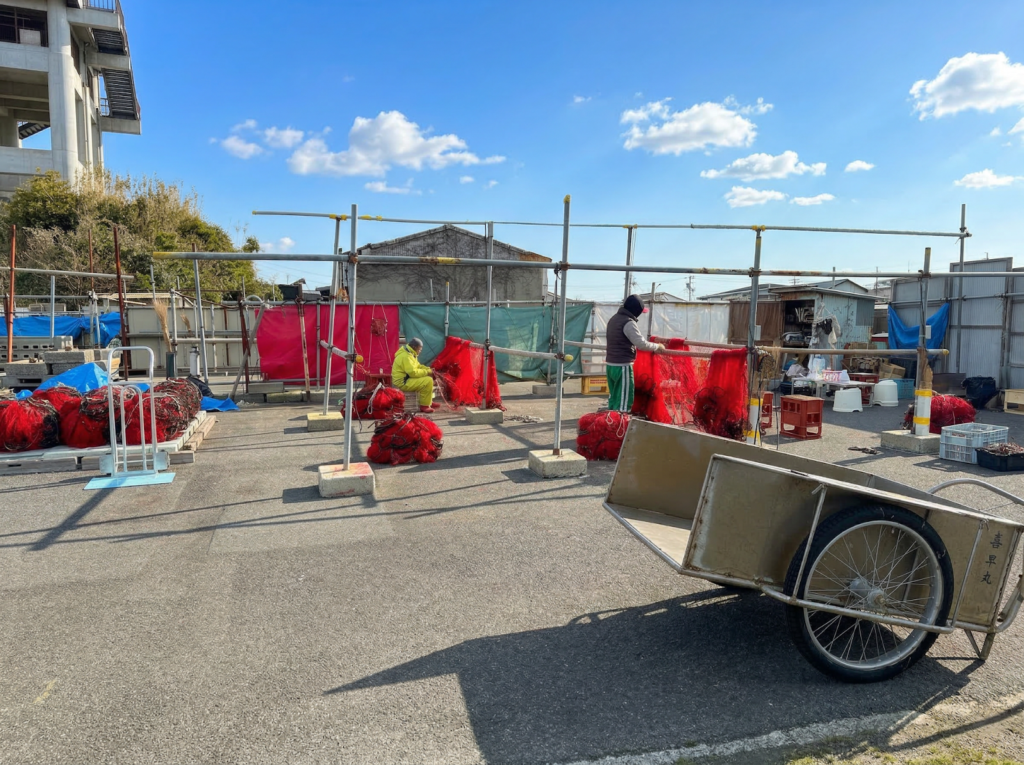
Walking through a small harbor in Shima today, there remains abundant evidence of this maritime heritage. Fishermen repair bright red nets by hand. Wooden boats sit quietly beside the water. The smell of salt seaweed and charcoal drifts through the air.
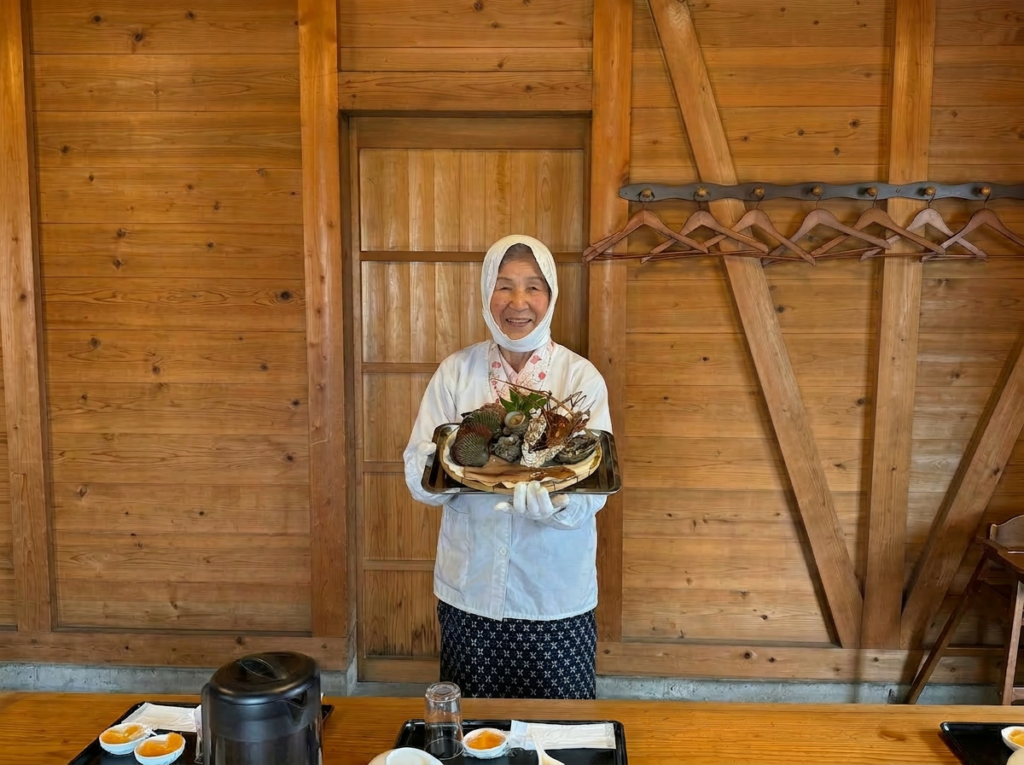
Inside an amagoya hut, a diver may greet visitors with a tray of freshly grilled shellfish. Abalone, scallops and turban shells are cooked over charcoal moments after leaving the sea. The meal is simple. But it carries the weight of generations. The woman serving the seafood is not recreating history for tourists — she is part of it.
Pearl culture and the future
The pearl industry that began in Ise-Shima continues today, with Mikimoto still operating pearl farms across the region. Yet the deeper value of the area may lie in the cultural heritage of the ama divers themselves. They represent one of Japan’s oldest surviving relationships between people and the sea. Their work reflects a way of life built on patience, observation and respect for nature.
In a world driven by speed, efficiency and technology the ama remind us that some knowledge cannot be industrialized. It must be learned slowly and through lived experiences, dive by dive.
Why Shima deserves more attention
Many international visitors to Japan focus on famous destinations such as Tokyo, Kyoto or Osaka. But places like Shima reveal another side of the country.
Here you find dramatic coastal landscapes, centuries-old maritime traditions and the birthplace of cultured pearls. You also discover a slower rhythm of life shaped by tides rather than schedules. Standing above Ago Bay looking out across the scattered islands of Ise-Shima National Park it becomes clear why this tradition survived here for so long.
The sea gives generously, but only to those who understand it. Shima remains one of the few places in Japan where that relationship still feels alive. And that may be the region’s greatest treasure.
To stay updated on more insights about life in Japan, subscribe to the GoConnect newsletter.
If you enjoyed this article, please let us know and share your thoughts at hello@goconnect.jp.