
Stress-Free Tokyo Real Estate: The Power of a Licensed English-Speaking Agent
Buying property in Japan as a foreigner is entirely possible, but the process is dense with legal obligations, Japanese-only documentation and property-specific risks that are easy to miss without the right guidance.
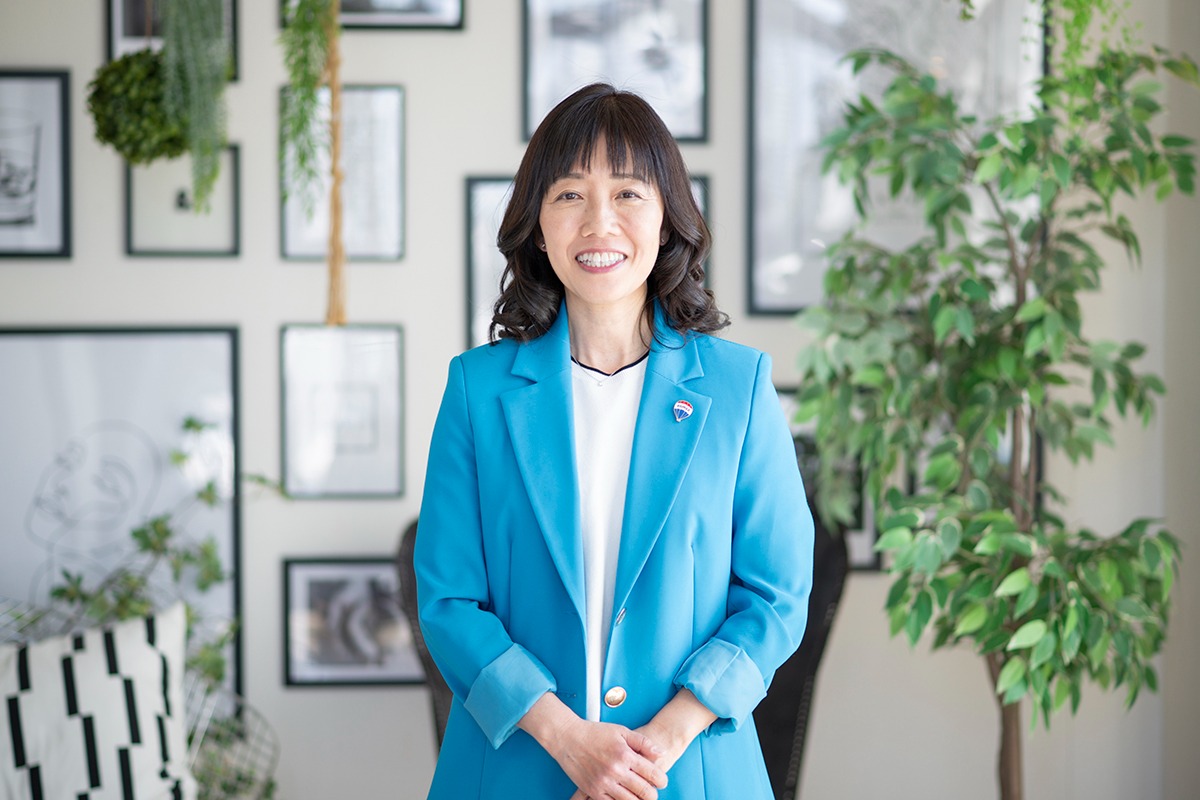
To learn about them, we spoke with Aki Shimizu, a bilingual, licensed Tokyo real estate agent whose career spans both Japan and the United States, to find out exactly what foreign buyers are up against, and what it looks like when the right professional is in their corner.
From New York to Tokyo real estate
Tell us about your background. How did you end up working in real estate in Tokyo?
My real estate career started in New York in 2007. A lady I volunteered with pointed me toward the industry, I gave it a shot, and it stuck. In 2014, I came back to Tokyo, my hometown, and got my Japanese real estate salesperson license.
Being bilingual with real estate experience in both New York and Tokyo, I realized that this was the perfect role to utilize my language skills, cultural understanding and industry experience, and I’ve been working with foreign clients ever since.
For a foreign buyer who does not speak Japanese, how difficult is the purchasing process?
It’s extremely difficult. All real estate documents in Japan are written in Japanese, and the terminology is specific to Japanese real estate law — it’s not the kind of language you pick up from daily life here or from a language class.
Without an agent who can explain the process in English, you’re signing documents you don’t fully understand. For what is likely the largest financial commitment most people ever make, that’s a real risk. And it’s one that’s entirely avoidable.

Why working with a licensed, English-speaking real estate agent in Tokyo makes a difference
How does a bilingual, licensed real estate agent make the purchasing process easier for foreign buyers?
The key word there is “licensed.” In Japan, licensed real estate agents hold a national qualification — 宅地建物取引士 (takken-shi). Earning it requires intensive study of real estate law, contracts, zoning regulations and property rights. That legal foundation is what lets an agent do proper due diligence on a property.
When I review a property for a client, I’m looking at potential issues related to regulations, land rights, the building financial summary, and the management and maintenance of the building. These are things a buyer unfamiliar with Japanese real estate law has no way of identifying on their own.
There’s also a specific legal requirement built into every purchase in Japan. Before any contract is signed, a licensed agent must deliver what’s called the Explanation of Important Matters — 重要事項説明書 (juyo jiko setsumeisho). This mandatory legal disclosure covers the property’s status, legal rights, restrictions and known risks. By law, only a licensed agent can give this explanation. In most agencies, that means you’ll switch to a different agent when it’s time to receive the Explanation of Important Matters. At my office, it doesn’t work that way.
For overseas buyers especially, having the same agent who handled everything deliver that explanation in English — someone who already knows the property, the client’s concerns and the full context of the deal — is a real advantage. No handoff, no lost context, no gaps.
The core role of a licensed real estate professional in Japan is to protect buyers by ensuring that they fully understand the property, the contract, and any potential risks before making a decision.
Can you share specific examples where your knowledge helped a buyer avoid a serious problem?
Two come to mind immediately. These are pretty representative of what due diligence actually looks like in practice.
The first involved a property where foundation piles had been installed to support the house being built. In Japan, underground structures of this kind can be classified as buried materials — 地中埋設物 (chichuu maisetsubutsu) — under property law, and that classification has long-term consequences. If the buyer ever rebuilds or demolishes, there may be additional investigation or removal costs. It also becomes relevant when they eventually sell, because future buyers and their agents will ask the same questions. I walked my client through what the piles were, why they’d been installed, and what the practical and financial implications could look like. They could then make a more informed decision.
The second case involved a property where part of the site fell within the route of a planned road project — 都市計画道路 (toshi keikaku doro). Depending on how those plans develop, the buyer could face building restrictions, partial land acquisition by local government or a meaningful hit to resale value. I pulled the relevant official documents and went through each scenario for that specific property.
While the existing building would not be affected, if part of the land were acquired by the local government in the future, it could limit the size of any replacement building if the condominium were ever rebuilt, potentially affecting the property’s long-term value. I obtained the relevant planning documents and walked my client through what they meant for that specific property, so they could make an informed decision.
Both cases are exactly the kind of thing a buyer simply has no way of spotting without someone who knows what to look for, and where.

Long-term support, not just completed transactions
How would you describe your relationship with clients after a purchase is complete?
A large percentage of my clients live outside Japan. Once they’ve bought a property here, they often have no local contact they can easily reach when questions come up. I stay available after the transaction closes. Whether it’s something about the property itself, a management issue or just something specific to how things work in Japan that’s come up unexpectedly, I’m there to help.
The same applies to clients who are based here. Many of them reach out months or even years after a purchase.
I think of real estate as an ongoing relationship rather than a single completed transaction. And I’d say that clients who know they can still contact me after the sale tend to purchase with a lot more confidence to begin with.
Your office requires every agent to hold a real estate license. What does that mean in practice?
Every agent at my office holds the 宅地建物取引士 national license, which means each of us is legally qualified to deliver the Explanation of Important Matters before a contract is signed. That’s significant, since it’s one of the most consequential steps in any Japanese property transaction, and the law is clear that it can only be conducted by a licensed agent. Unlicensed individuals cannot provide this explanation, regardless of their experience or language ability.
Property transactions involve large sums of money and long-term consequences. I think every agent working on those transactions should hold professional qualifications and be accountable under Japan’s licensing framework. That standard isn’t universal across the industry.

What separates a bicultural, bilingual Tokyo real estate agent from the rest
What is the one thing that sets you apart from other real estate agents in Tokyo?
I’d say it’s the combination of things that probably don’t often come together in one person. My background spans real estate in both the United States and Japan, which gave me a grounding in professional ethics alongside a technical knowledge of Japanese real estate law. Those two things together shape how I approach transparency and communication in every deal.
Being bilingual is one part of it. But being bicultural is what actually lets me close the gap between how foreign buyers think about property and how the Japanese real estate system really works. I understand what overseas buyers expect, where those expectations sometimes differ from Japanese practice and how to explain those differences in a way that’s useful, not just translated.
Acting in my clients’ best interest isn’t a marketing line. The stakes in these transactions are high, and the consequences of bad guidance are real. That’s something I take seriously every time.
If you’re considering purchasing property in Tokyo as a foreign buyer, working with a licensed English-speaking agent can significantly reduce legal and financial risk. You can arrange a consultation with Aki Shimizu at www.akishimizutokyo.com to discuss your goals and understand the full purchasing process before making a commitment.