What Do Top Universities Really Look For? It’s Not Just Grades
When parents and students think about university admissions, the first thing that often comes to mind is grades. And for good reason: strong academic performance remains one of the most critical factors in gaining admission to highly selective universities around the world.
But grades alone are rarely enough.
Whether a student is applying to universities in the United Kingdom through the University Career and Admissions Service (UCAS) system or pursuing admission to colleges in the United States, admissions officers are increasingly looking beyond test scores and transcripts. They want to understand who a student is, what motivates them and how they engage with the world around them.
Today, the most important question is no longer simply, “How smart is this student?” It is also, “How will this student contribute to our university community?”
What UK universities look for: The power of supercurriculars
Many UK universities place a massive emphasis on academic achievement and specific subject mastery. Students are typically evaluated based on their IGCSE results, predicted A-Level grades, teacher recommendations and evidence of deep intellectual engagement beyond the classroom.
This is where supercurricular activities become incredibly important.
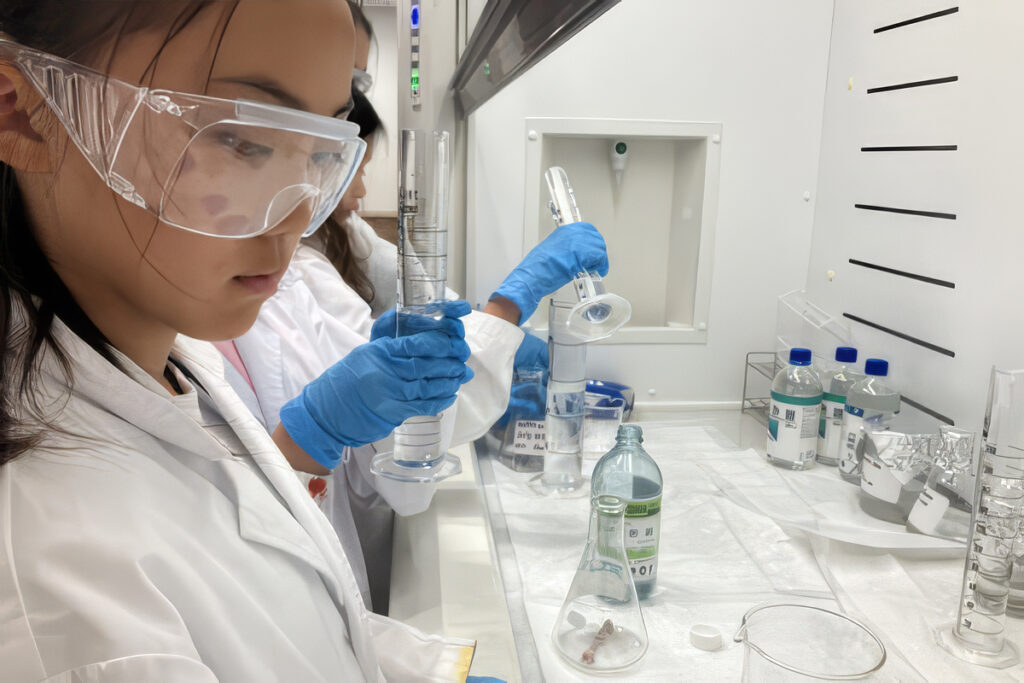
Unlike extracurricular activities—which may include sports, music, or general volunteering—supercurricular activities are directly connected to a student’s academic interests. Top UK universities want to see genuine curiosity and evidence that students are already engaging with their chosen field of study.
Examples of impactful supercurricular activities include:
- Reading books and academic journals related to a future university subject
- Attending university lectures, seminars, or webinars
- Participating in specialized STEM competitions
- Conducting and publishing independent research projects
- Completing university-level online courses (MOOCs or Massive Online Open Courses)
- Listening to academic and industry-specific podcasts
Example: A student interested in engineering shouldn’t just have good math grades. They might participate in robotics competitions, complete advanced coding projects, or explore university-level physics outside the standard curriculum.
What US universities look for: The holistic review process
The college admissions process in the United States is famously described as a holistic review. While academic performance and rigor remain essential, US admissions officers also heavily weigh a student’s activities, leadership experiences, community involvement, personal qualities and overall character.
US colleges frequently evaluate applicants based on:
- Academic Rigor: Taking the most challenging classes available.
- Extracurricular Activities: Passions pursued outside the classroom.
- Leadership: Taking initiative and guiding others.
- Community Engagement: Giving back and making a measurable impact.
- Creativity & Initiative: Starting a club, business, or movement.
- Personal Essays: Showcasing unique perspectives and voices.
- Teacher Recommendations: Professional insight into a student’s character.
Rather than checking off a list to see if a student has participated in 10 different activities, US colleges look for depth of involvement and meaningful impact. A student who spends several years building a successful community service project or leading a single club will often stand out much more than a student with a long, but shallow, list of activities.
Future-proof skills universities value everywhere
Although the UK and US admissions systems differ, top universities around the globe consistently seek many of the same core qualities. These transferable skills include:
- Critical thinking and analysis
- Effective communication
- Collaboration and teamwork
- Creativity and innovation
- Complex problem-solving
- Adaptability in new environments
- Resilience through failure
These skills are increasingly crucial in a rapidly changing world shaped by artificial intelligence, advancing technology and global interconnectedness. Universities are not simply preparing students for their first job—they are preparing them for dynamic careers that may not even exist yet.

How schools can help students develop core qualities
The strongest educational environments encourage students to move beyond rote memorization and actively engage with their learning.
Schools can help students develop the skills that top universities value most by offering:
- Hands-on STEM and robotics projects
- Entrepreneurship and business opportunities
- Student council and leadership roles
- Collaborative, project-based learning
Students thrive when they are encouraged to ask difficult questions, explore niche interests, take intellectual risks and connect classroom learning to real-world challenges. These experiences do more than just support a university application; they help students discover what genuinely excites and motivates them for the future.
Looking beyond the resume
Parents sometimes worry that every activity, elective course, or summer experience must somehow strengthen a future university application. In reality, trained admissions officers can easily tell the difference between activities pursued purely for appearances and activities driven by genuine passion.
The most successful applicants do not spend years trying to artificially build the “perfect resume.” Instead, they spend their high school years actively exploring their interests, developing their natural strengths and actively contributing to their local communities.
Strong grades remain the foundation. But curiosity, initiative, leadership and authentic character are what transform a strong applicant into an undeniable one. And those qualities begin developing long before a student ever presses “submit” on a university application.
Want to learn more about a school that focuses on your child’s future from day one? Check out Laurus International School of Science’s curriculum and further learning programs here.