Luxury Loos: Japan’s High-tech and High-end Bathrooms
Even when it comes to the bathroom, the Japanese apply their ingenuity and unmatched aesthetic sense to good practice. Why else would the design of the toilet, a fixture in every home, involve the best award-winning Japanese global designers in architecture?
Home shores
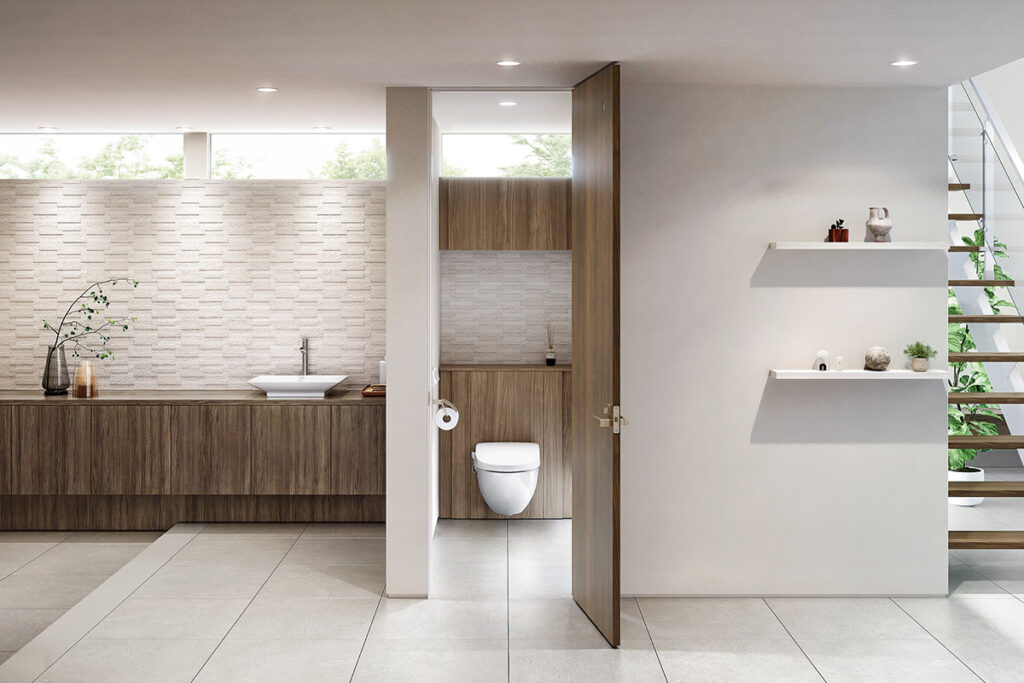
LIXIL is a major mover and shaker in the bathroom industry and their “float toilet” melds Japanese ingenuity with a formidable functionality, accented with LIXIL’s choice of soft, subdued colors and a grayish finish. The result is a classically understated space in the home exuding quality and elegance — becoming a sanitary experience your guests will remember, particularly with the ease of cleaning and maintenance the floating design imparts.
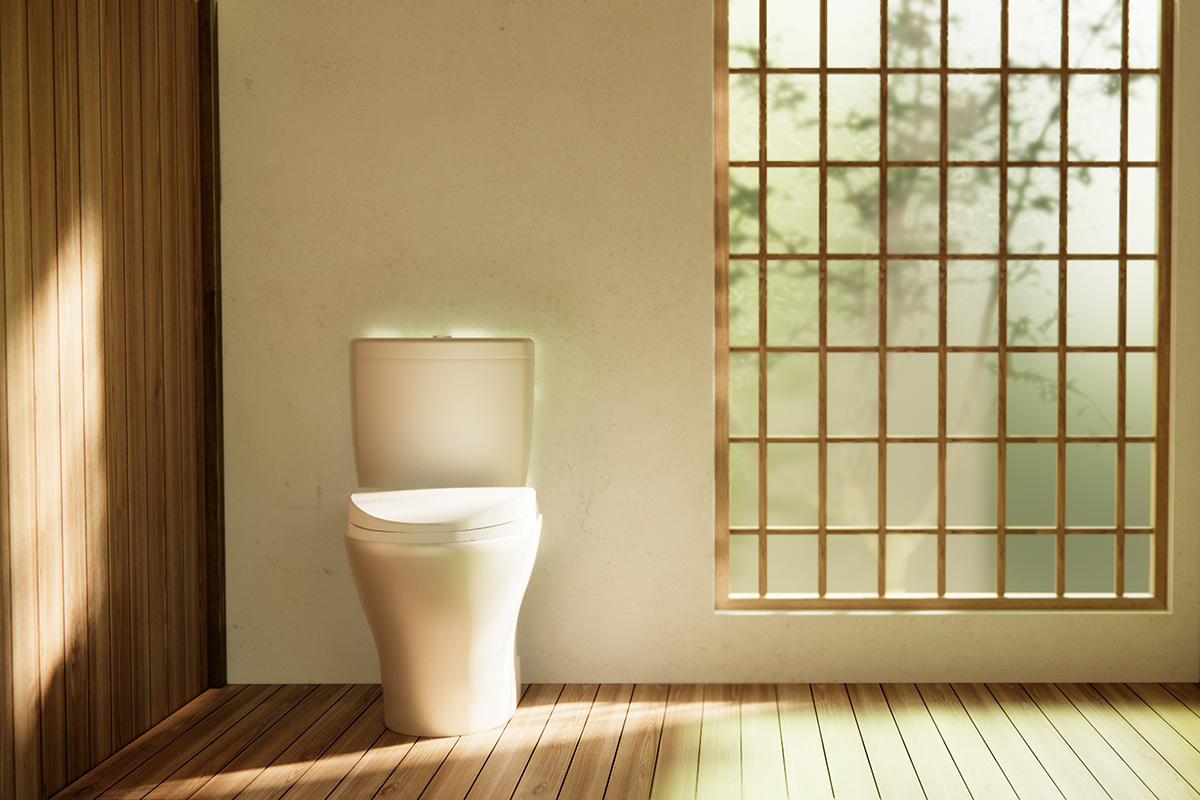
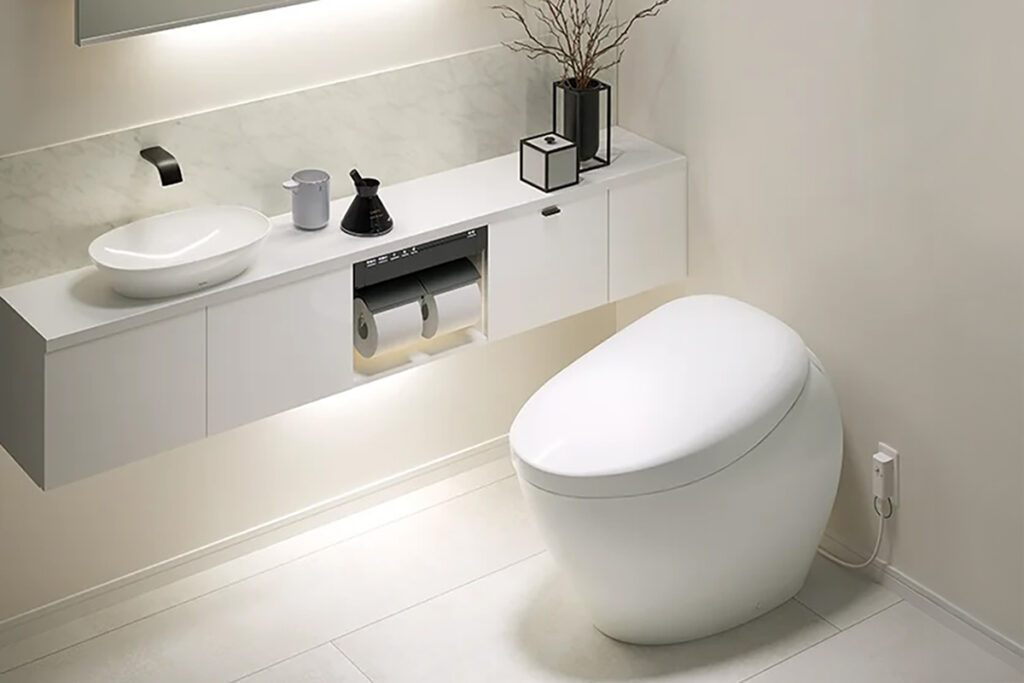
TOTO is a domestically based global giant whose name here is synonymous with commodes, much like Kleenex is for tissues. Their Neorest lineup of products aims to combine elegant design and technology, offering your bathroom convenience and luxury at once. TOTO’s Big Lean Technology, for example, sterilizes surfaces, removes dirt and simplifies your cleaning routine after every use. Meanwhile, their upscale Neorest NX toilet presents a sophisticated, curved contour that seamlessly merges into the whites and grays of a bathroom for a subtly stylish look.
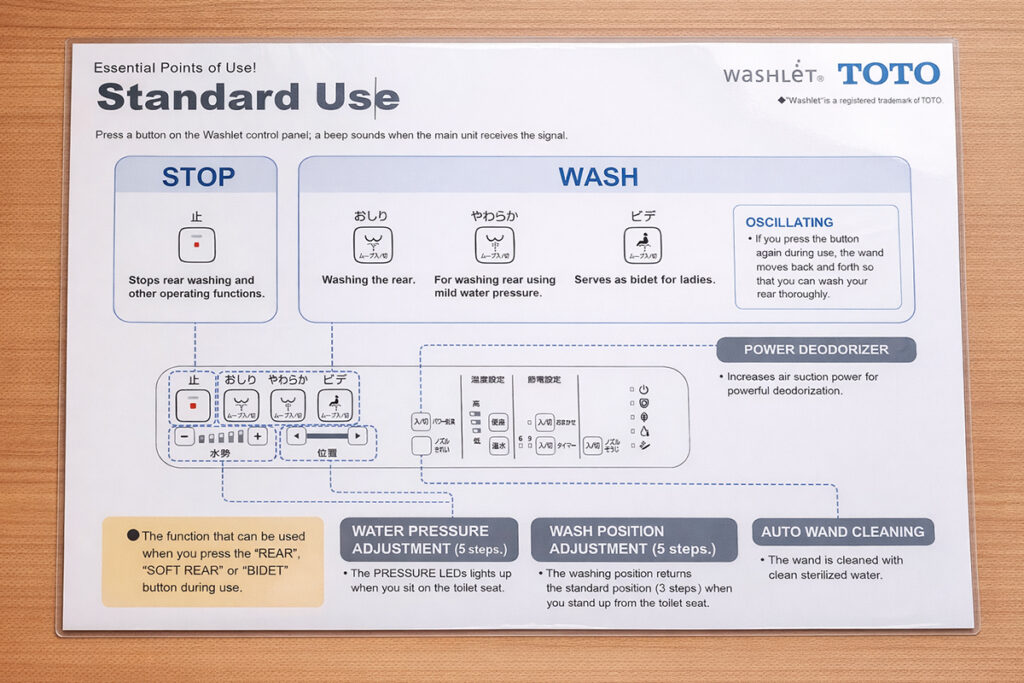
While bidets have become an internationally iconic feature of the Japanese bathroom, they can be intimidating for first-time users. TOTO’s integrated system provides a plethora of options on its side panel that come handily equipped with pictures. But if you’re still nervous, TOTO has a handy translated mockup to help new users on their website, so you can check it on your phone without having to move.
The great outdoors
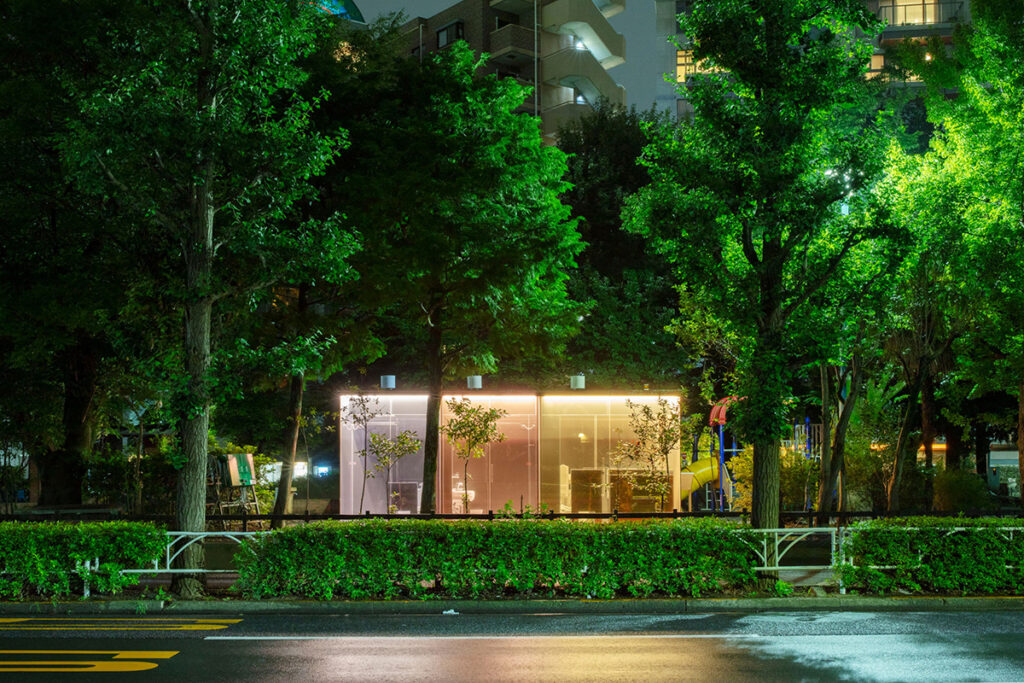
The Tokyo Toilet involves 17 locations throughout the Tokyo metropolitan area that see heavy foot traffic and combines public convenience with artistic flair. Sixteen creators were invited from around the world to contribute — for example, Shigeru Ban brought his ethos to the fore when developing his Yoyogi Fukamachi Mini Park public toilet.
The award-winning architect explains that he kept in mind two considerations: one being cleanliness and the second the need to preserve privacy while clearly indicating if the space is occupied. Using Polymer Dispersed Liquid Crystal technology, the exterior glass turns opaque when locked through a break in electrical current. Meanwhile, at night, the same current lights up the park “like a beautiful lantern,” says Ban.
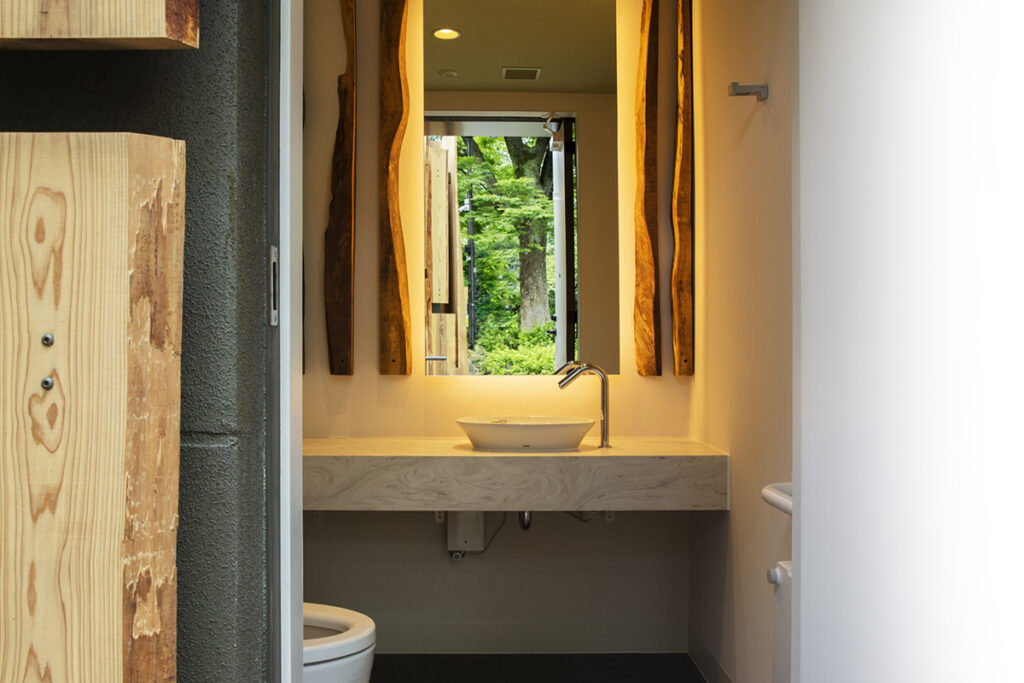
Another pearl in this project is Nabeshima Shoto Park that showcases the work of Kengo Kuma, the architect for the 2021 Summer Olympics National Stadium. As explained by Kuma, the five huts are covered with his signature cedar board louvers that he installed “at random angles” and are connected by a pathway through the woods that disappears into the forest. Each toilet has “a distinct layout, facility and interior” to respond to different needs, such as family use, for dressing and grooming, wheelchair accessible and so forth. He describes the configuration as a “public toilet village” that is open, breezy and easy to pass through. The toilet design addresses society’s “entering the age of diversity and a time to go back to the forest.”
Going on the go
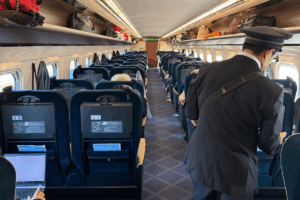
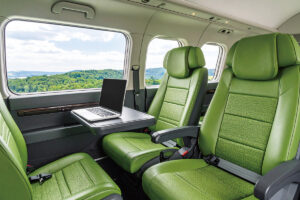
Cruise Seven Stars is a luxury sleeper train running in the southern main island of Kyushu. The royal wine-red exterior covers this seven-car passenger train, which Kyushu Railway says, “reflects the elegance of the journey.” Another signature feature is the panoramic windows of the first and seventh cars, which are embellished in gold with the names of each prefecture in Kyushu.
Four cars are separated into three Suite Rooms, each equipped with a shower, toilet and air conditioning. Seiroku Kiln of Saga Prefecture designed this commode among other interior features.
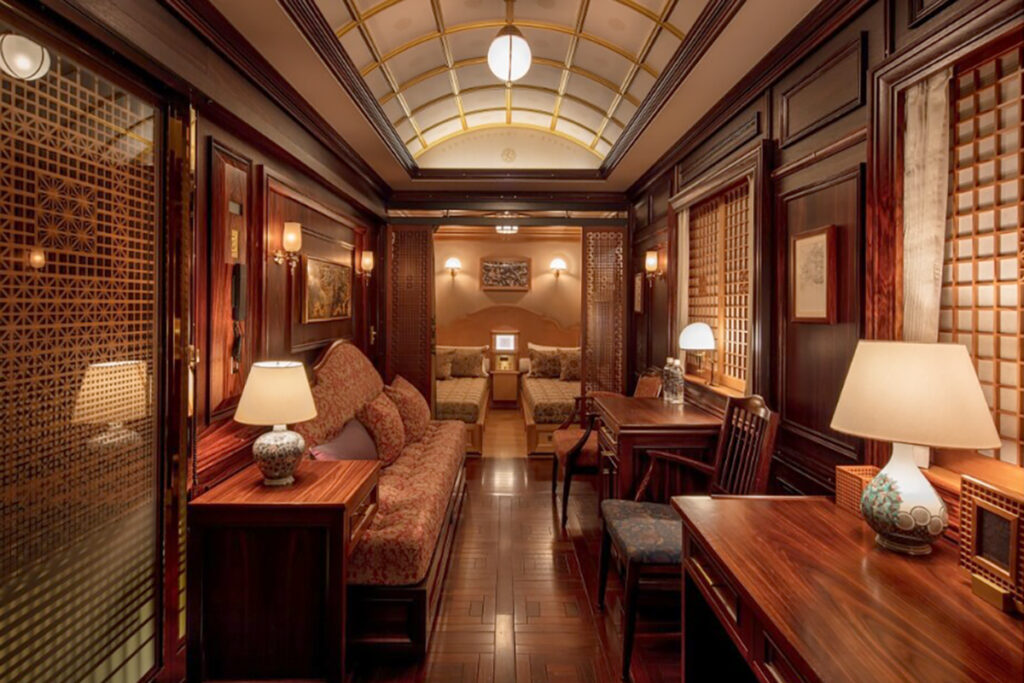
Train Suite Shiki-shima (island of four seasons) is operated by JR East and is its most luxurious train. It debuted in May 2017 as an elegant, champagne-gold, 10-car train designed by industrial designer Ken Okuyama. Passengers board on Platform 13.5 exclusively for the train at Ueno Station. The aesthetic of the train stems from the Japanese visual of komorebi, referring to sunlight filtering through the tree branches. The interior wood decor, combined with the uniquely shaped windows are crafted to create this experience for the 34 guests ensconced in 17 suites, which all include a shower and toilet. Each bathroom’s centerpiece is its cypress bathtub, made from 300-year-old wood from Nagano Prefecture, offering a subtly luxurious way to unwind along the tracks.
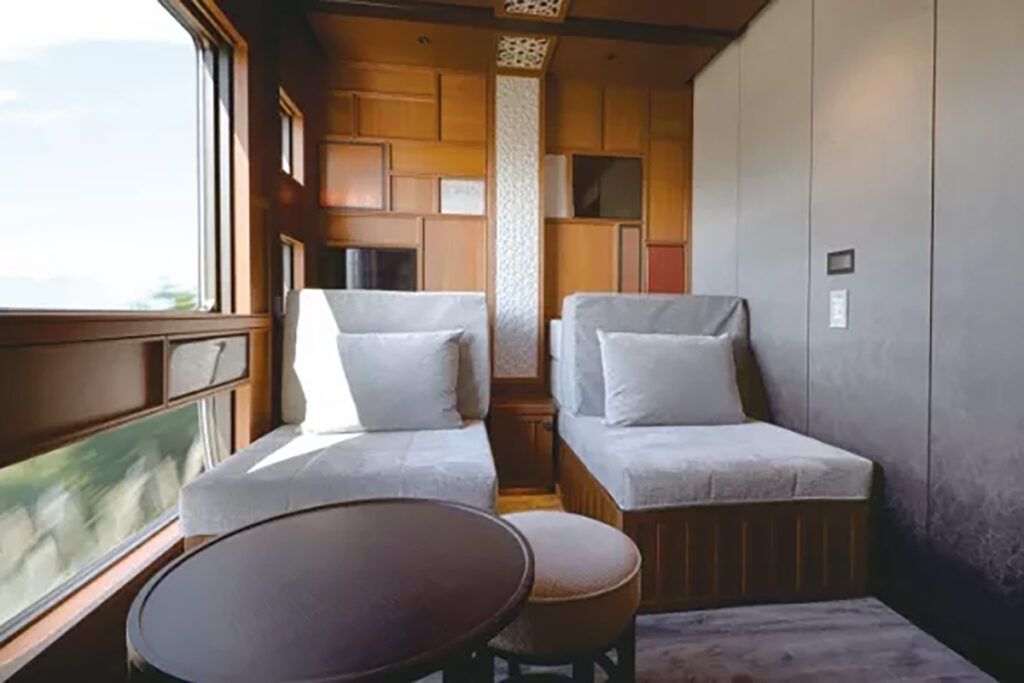
Twilight Express Mizukaze (fresh wind) is JR West’s response, embodying the concept of an exquisite hotel rolling through the beautiful Japanese landscape to combine “superior quality with a touch of nostalgia.” The 10-car train was designed by interior designer Kazuya Ura and industrial designer Tetsuo Fukuda, debuting in June 2017, and accommodates 30 guests in its 16 guest rooms. All rooms are decorated with custom-made, traditionally crafted items from around Japan and come with a shower and a toilet. During the day, the comfortable beds can be retracted and transformed into sofas for extra space, but the ultimate experience is in Car 7’s The Suite, which offers a private balcony and a full-size bathtub by the window.
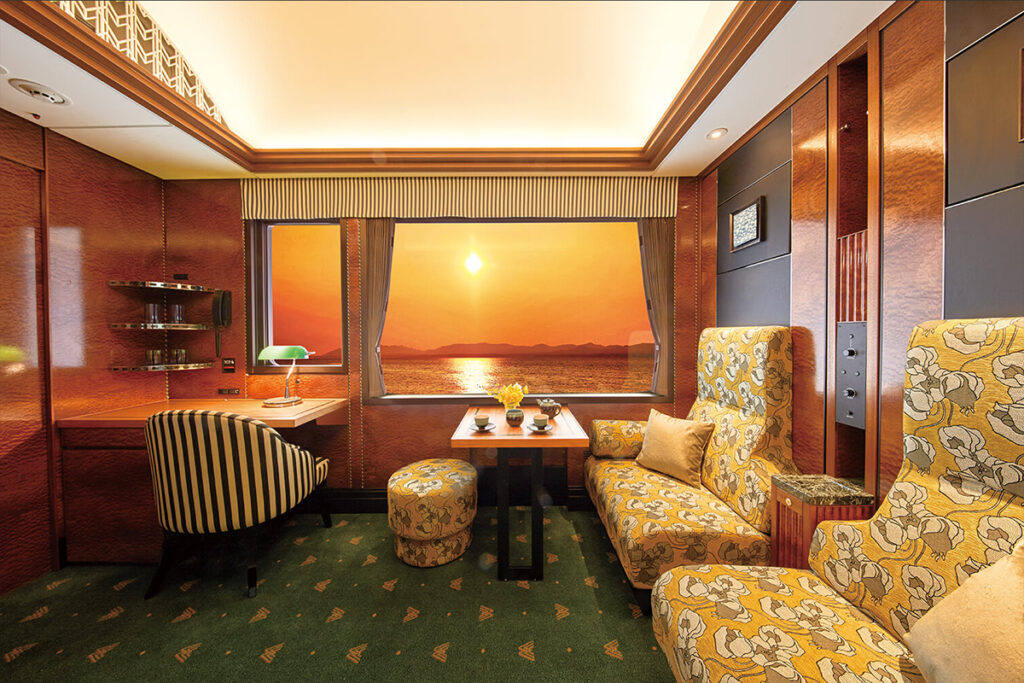
Beyond its penchant for once-in-a-lifetime views, tours and experiences, such craftsmanship and elegance highlight the simpler luxuries of Japan. For visitors, even their moments of rest are given subtle reminders of the meticulous and considerate nature of their hosts.
To stay updated on more insights about life in Japan, subscribe to the GoConnect newsletter.
If you enjoyed this article, please let us know and share your thoughts at hello@goconnect.jp.