Japanese Investment Banking: Takaichi’s Post-election Surge
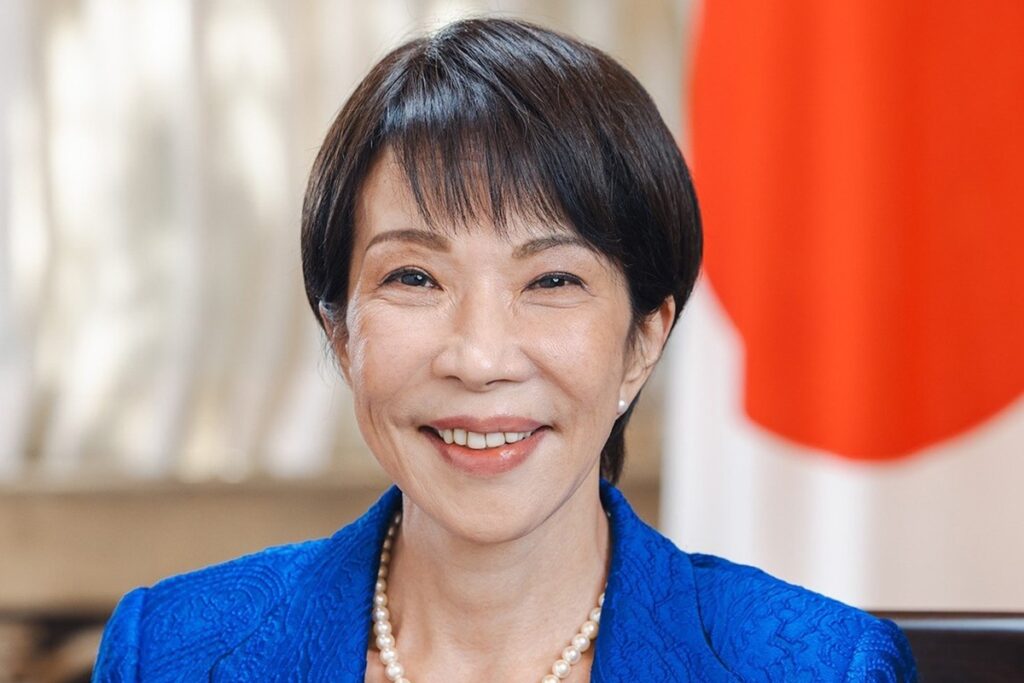
Japanese Prime Minister Sanae Takaichi’s government wants investments to increase substantially, having succeeded in attaining a strong mandate from the public during the February nationwide snap election. According to her, safety and security remain integral attributes of the financial scene here in Japan, making it an ideal location for long-term investors.
Speeding up with financial growth
Bloomberg reported over the weekend of Feb. 28 to March 1 that spending pressure could persist as the prime minister has pledged “aggressive investment in priority sectors and to enhance national security,” under her slogan “responsible, proactive finance.”
On March 4, they stated that Japan’s biggest companies increased capital spending in the final quarter of 2025, indicating “firmer corporate sentiment” as the prime minister pushes for more investment.
Both business and government are seeking more investors and financial stability in Japan, and the results are starting to show in the market.
In a March 5 report, Sumitomo Mitsui Trust Group agreed to collaborate with Raymond James Financial, based in St. Petersburg, Florida. The move is aimed to boost the U.S. operations of the Tokyo-headquartered bank, “in the latest move by a Japanese financial firm to seek more growth abroad.”
At the same time, Takaichi and the Finance Ministry are trying to avoid fueling volatility in the bond market after fiscal concerns drove yields higher earlier this year.
“We will not pursue reckless fiscal policies that would undermine market confidence,” she said in her parliamentary address in late February. “We will keep growth in outstanding debt within the pace of economic growth and steadily lower the debt-to-GDP ratio.”
Invest in success
As reported by Bloomberg, Japan’s Finance Ministry released the preliminary GDP report in early March for the fourth quarter of last year. This report came as the prime minister emphasized the need for much stronger domestic investment to accelerate economic growth. In a speech following her landslide election victory, the prime minister pledged to introduce a “multiyear government spending framework to provide greater predictability and encourage more private capital expenditure.”
She went on to state that her detailed investment roadmap may take on extra significance as the latest conflict in the Middle East casts a cloud over the outlook for the global economy.
Even before taking higher rates into account, Japan’s finances are stretched, according to the article, “with spending pressures building across social security, defense, and other areas.” The initial budget for the year starting in April hit a record 122 trillion yen ($176.65 billion). Prime Minister Takaichi’s government is seeking to pass the budget by the end of March.
From simple savings to industrious investments
With interest rates in Japan climbing from rock-bottom levels and inflation becoming more entrenched, Bloomberg notes that investors are looking for products that come with significantly greater yields. Among the most in-demand are stocks as well as real estate and other investment products. As a result, financial firms both at home and abroad are seeking opportunities “to do more business in the Japanese market.”
In addition, Sumitomo Mitsui Trust, a major name in Japanese finance, is trying to shift from traditional banking to asset management. In this environment, the Japanese government is urging households to move from savings to investments. To capitalize on this, the trust is establishing a new asset management division from April that will also watch over those operations at group firms.
The bank’s recent collaborator, Raymond James, was founded in 1962 and provides securities, banking, asset management and other services across the United States. Their other activities include mergers and acquisitions support for small- and medium-size enterprises and securities sales to individuals.
They recently declared close to $1.73 trillion (272 trillion yen) in client assets as of September 2025, and employ around 19,000 professionals and financial advisers internationally. Sumitomo Mitsui Trust is keen to tap the U.S. firm’s clientele to provide funds for M&A and sell “Japan-related investment products to wealthy individuals.”

Eyes toward the future from the BOJ
The investment trend in the Finance Ministry’s preliminary report on GDP for last year’s fourth quarter broadly aligns with the Bank of Japan’s assessment. As reported by Bloomberg, the BOJ’s January outlook report emphasized that “business fixed investment is likely to remain on an increasing trend,” citing demand for automation, digital assets and R&D spending.
Solid corporate spending and profits would be welcomed by the BOJ, according to their statements. Such data would point to boardroom confidence in the economy and healthy bottom lines — factors that would support higher wage hikes. Policymakers of the Japanese central bank consider such elements as key factors when weighing the timing for their next rate increase. The next opportunity for consideration would be when the board meets on March 19, and the prevailing market consensus is that no adjustment to the benchmark rate would be considered this time around.
As such, many feel the time to invest in Japan is riper than ever.