Spring Awakening at Malvern College Tokyo
Spring in Tokyo is synonymous with “hanami,” or flower viewing, but at Malvern College Tokyo (MCT), the season offers more than just blossoms. It signals the return of the Sakura Culture Festival, an event that has rapidly evolved from a modest school gathering into a dynamic celebration of internationalism.
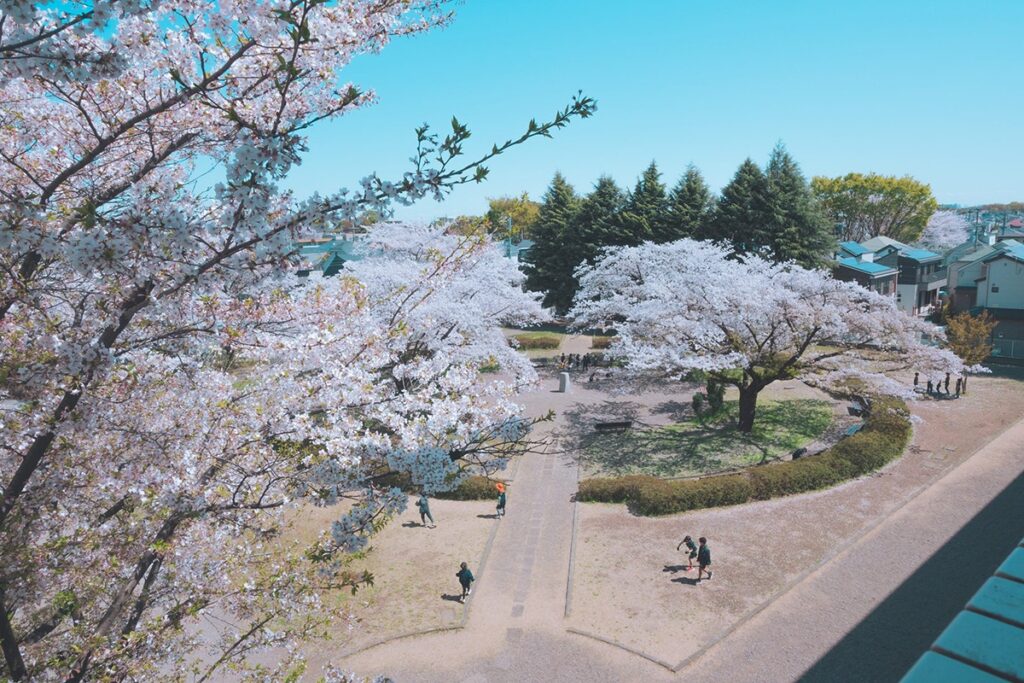
This year’s Sakura Culture Festival, set for April 4 on the school’s Kodaira campus — an appropriately scenic venue housed in a former university building — promises to be the most ambitious yet. The campus is renowned for its mature gardens, and it was the view from the light-filled upper-floor studios, where mirrors reflect the cherry trees, that originally inspired the event.
“We are committed to the blend of our British identity and our place in Japan,” says Ewan McCallum, headmaster at MCT. “The festival is a demonstration of that mix, representing not just those two cultures, but the 23 nationalities in our student body.” Represented through this combination of languages and cultures is Malvern’s commitment to a rounded, holistic education for its students.
Learning by doing
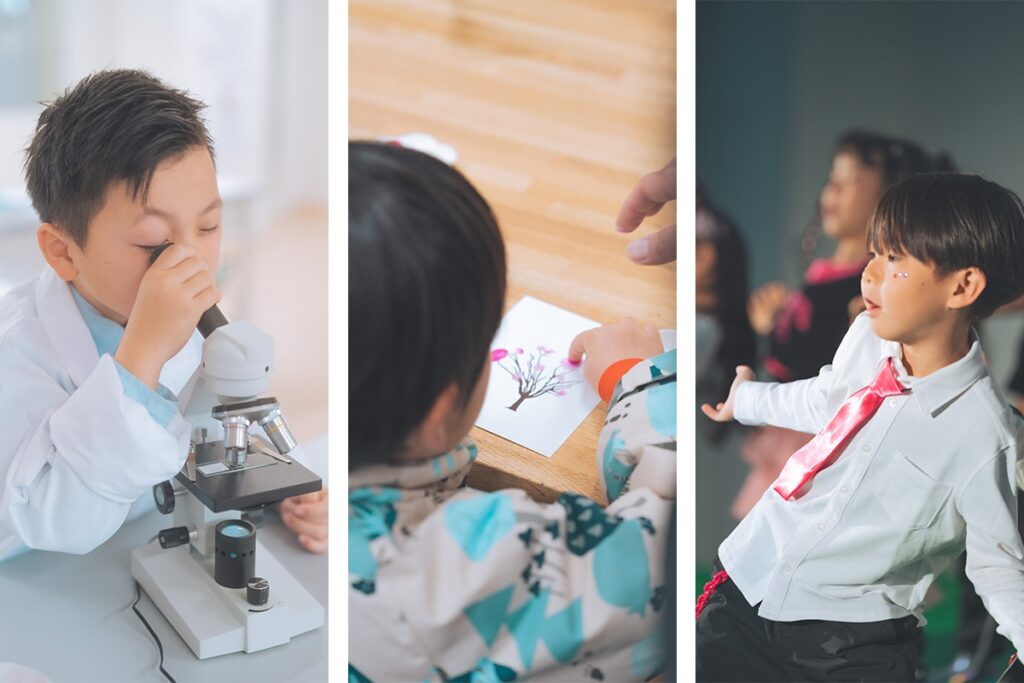
What began four years ago on a campus still partially under construction, ahead of the school’s official opening, has since blossomed into a vibrant community hub, now welcoming nearly 400 guests who are all eager to experience the school’s unique blend of British boarding school ethos and Japanese cultural depth. True to MCT’s action-oriented philosophy, the festival is designed to be an immersive encounter.
“We try to move away from it being a passive event into one that’s really active,” McCallum explains.
The main performance is one small piece of the festival; the itinerary encourages visitors to walk around and discover activities happening throughout the campus. Malvern’s community comes to life as pupils, parents and staff warmly welcome new families and guests, encouraging them to participate in a number of activities.
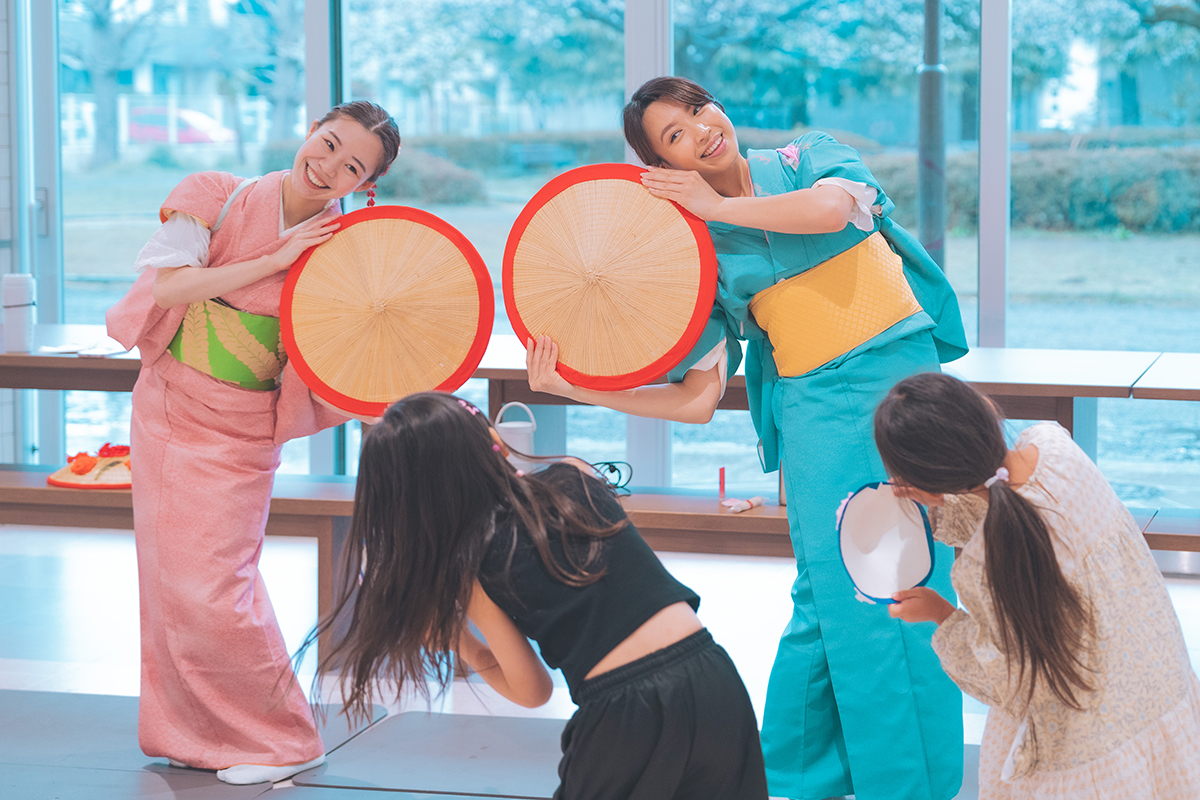
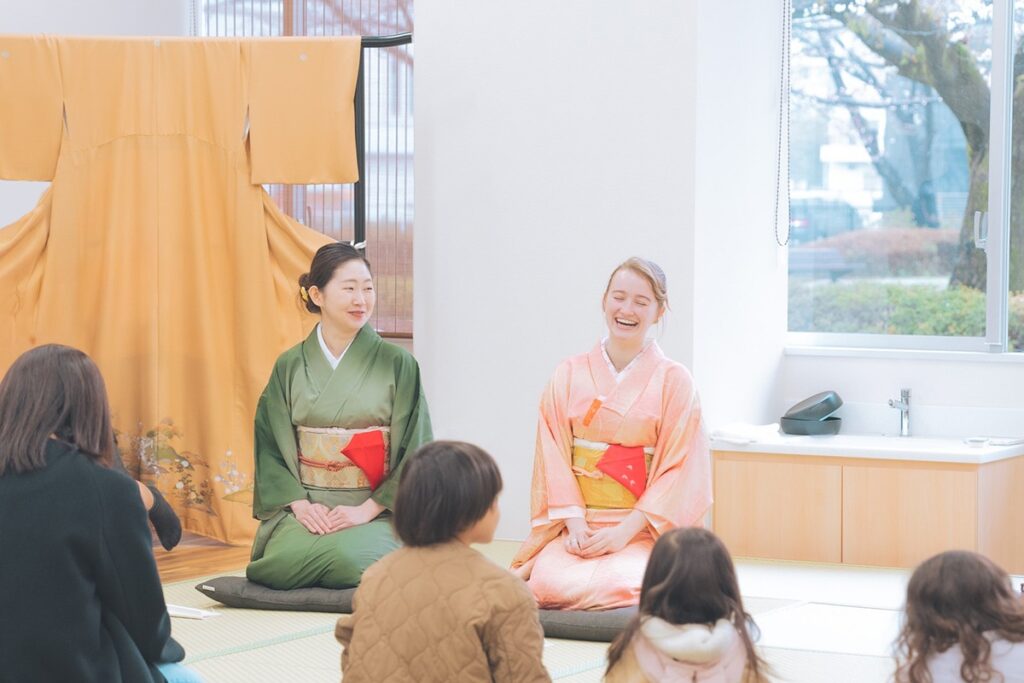
Families can navigate a global tasting tour of tea ceremonies — comparing Japan’s frothy matcha with the brewed comforts of British tea. Beyond the tea rooms, the day features a carousel of cultural activities. Attendees can try their hand at composing poetry rooted in Western or Japanese haiku traditions, craft traditional hanagasa flower hats or engage in an array of musical and athletic challenges that reflect the school’s holistic curriculum.
Move, Culture, Tradition x Sakuragaku 2026
The centerpiece of this year’s program is Move, Culture, Tradition x Sakuragaku 2026, a visionary project that transcends the strict boundaries often found in traditional Japanese arts. Supported by the NPO ACT.JT — headed by Living National Treasure Man Nomura — the performance honors the legacy of the specific discipline’s creator, the late Manjo Nomura.
The project creates a harmonious fusion of disciplines that rarely share the same stage: the classical comedic theater of Izumi kyogen, traditional instrumentation and regional folk dances. In a display of student agency — a core tenet of the school’s International Baccalaureate curriculum — 30 middle school pupils have volunteered to train and perform alongside these professionals.
This collaboration is defined by three core pillars. First, “Move” activates heritage, treating tradition not as a static museum piece but as a dynamic movement that is lived by a new generation. By this metric, pupils are not just imitating but extrapolating, embedding their own unique perspectives and opinions to create evolution.
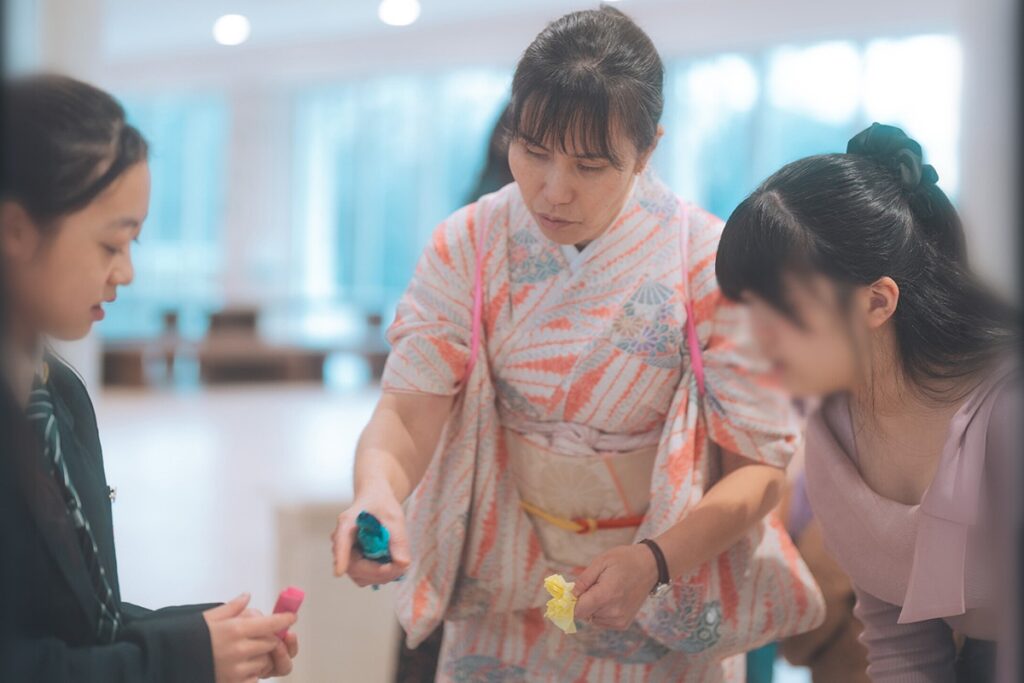
Second, “Culture” fosters cross-cultural dialogue where British educational values meet Japanese local wisdom to inspire mutual respect. Where these cultures overlap, such as in their individual tea cultures, MCT encourages careful consideration and interaction between them. Pupils explore Japanese and international cultures without the rigid boundaries separating them into different spaces.
Finally, “Tradition” ensures respectful continuity, grounding students in local excellence while nurturing global citizenship. Through their explorations of tradition, they gain a strong appreciation not just of what tradition is, but why they exist and how best to integrate them respectfully into their own lives.
“By bringing these artistic disciplines into an international school environment, we ‘move’ tradition forward,” McCallum notes of the project’s philosophy. “It becomes a modern stage where timeless disciplines are reimagined.”
Sense of place
The Sakura Culture Festival is also a testament to the school’s tight-knit community. Supported by the Friends of Malvern parent group, the event sees teachers and families from diverse backgrounds hosting booths and sharing their heritage.
For visiting families, the day offers a window into the daily life of a school that prioritizes thinking sharply and acting wisely. By engaging directly with the heartbeat of Japanese tradition through a global lens, students develop a profound sense of place in their host country.
“We want our children to be articulate and confident,” says McCallum. “Building that resilience requires engaging with people outside their immediate family.” While the textbook is the map, these events are the journey that builds character.