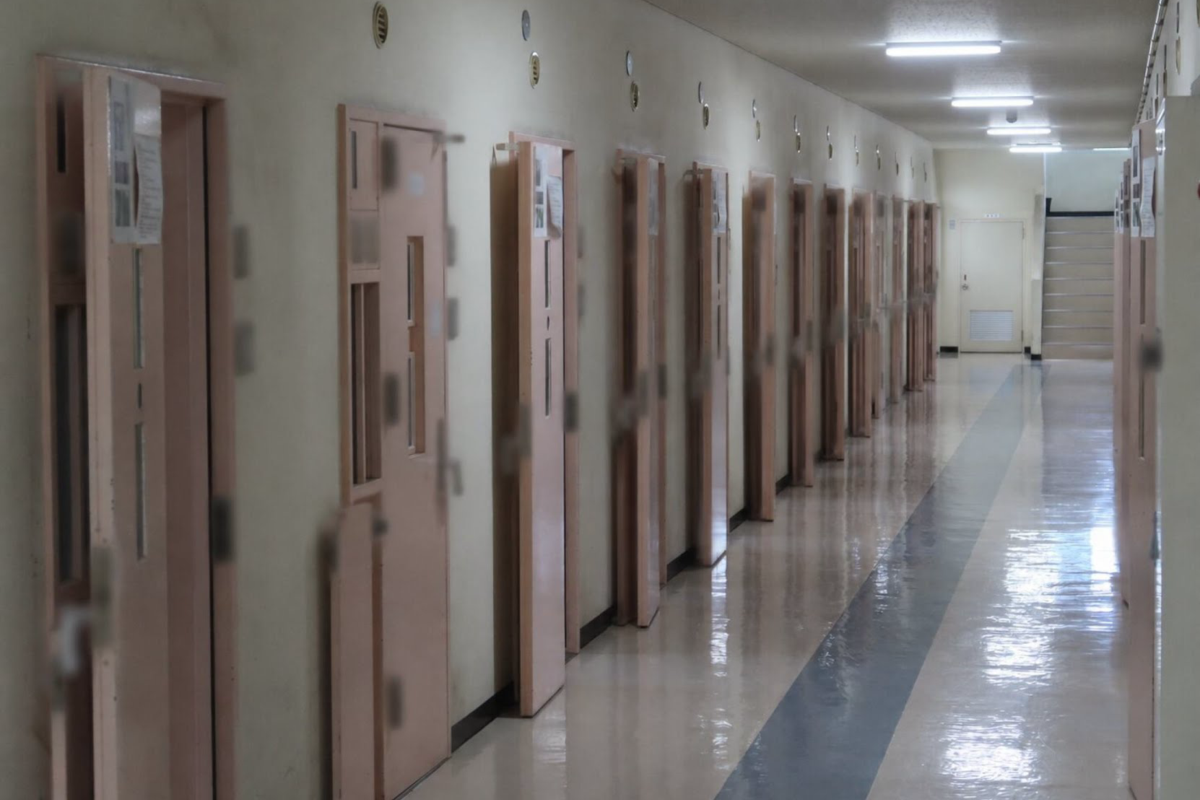
Tochigi Women’s Prison Home to Japan’s Hidden Social Crises—and Pampered Inmates
The road north for two hours from Tokyo to Tochigi Prefecture passes through orderly suburbs, warehouses, rice fields and quiet residential neighborhoods. Nothing about the surrounding landscape suggests that one of Japan’s most revealing social institutions lies hidden behind its fences and gates. Yet Tochigi Women’s Prison, the country’s largest correctional facility for females, has increasingly become a symbol of modern Japan’s aging crisis, social isolation and evolving penal system.
During a recent media visit organized through The Foreign Correspondents’ Club of Japan (FCCJ), journalists were given rare access to the prison’s tightly controlled environment.
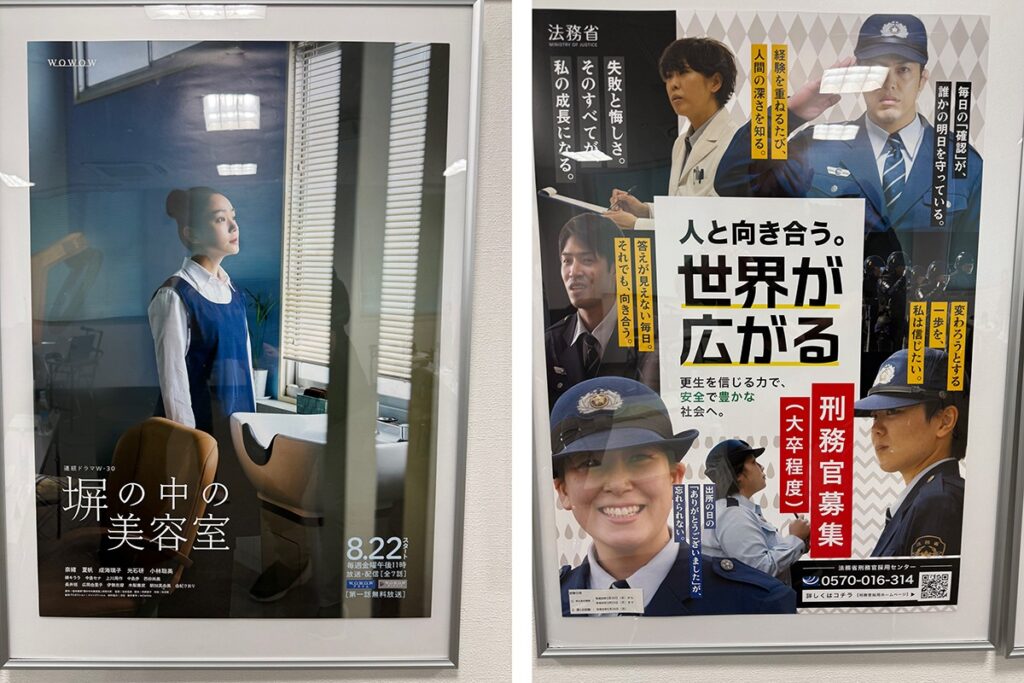
The experience revealed a facility that is a prison, a glamorized movie and TV drama location and, in many ways, an improvised welfare institution for vulnerable women who have fallen through the cracks of Japanese society.
How Japan’s aging crisis is changing prison demographics
Tochigi Women’s Prison houses some 500 inmates, one-third from 33 overseas nations, mostly Thai and Chinese serving time for drug offenses. Many inmates are elderly. Some walk slowly with canes or rely on wheelchairs. Others require assistance with bathing, medication and daily routines. The image contrasts sharply with conventional ideas of Japanese prison life. In several wings, the atmosphere resembles a nursing home more than a correctional institution.
Prison officials explained that the demographics of incarceration in Japan have changed dramatically over the past two decades. Japan’s rapidly aging population has led to a rise in crimes committed by elderly citizens, particularly women convicted of petty theft. Many inmates struggle with poverty, loneliness and abandonment before entering the penal system.
One prison officer told me that some inmates openly admit they feel safer inside prison than outside it. Behind bars, they receive regular meals, medical treatment and social contact—basic forms of support that are often unavailable to them in their everyday lives. Several media reports have highlighted cases of elderly women deliberately reoffending to return to prison after release.
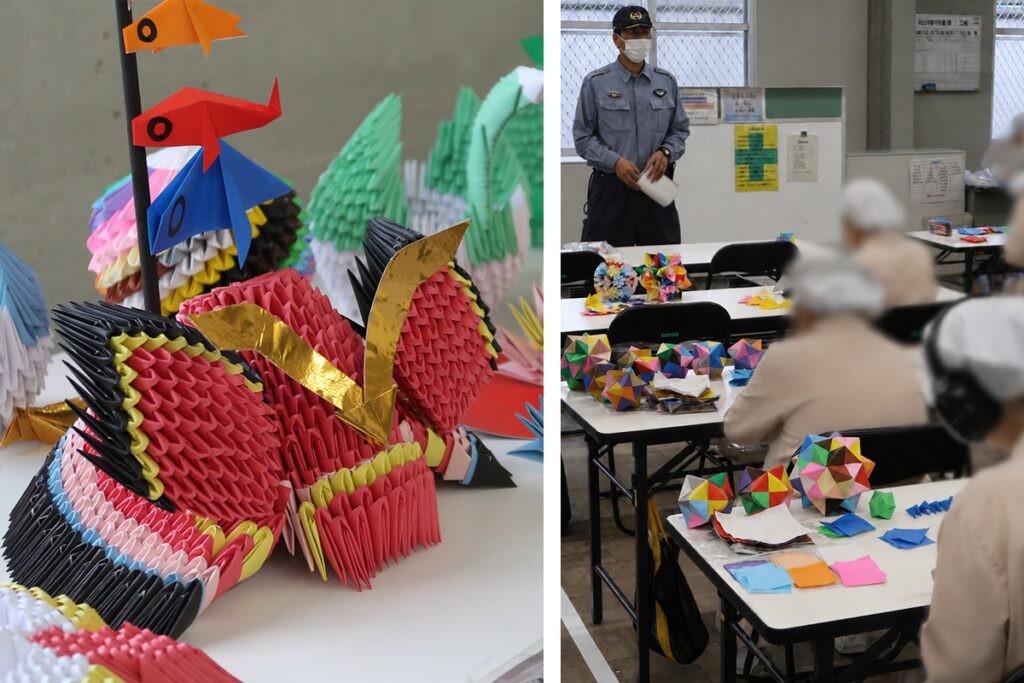
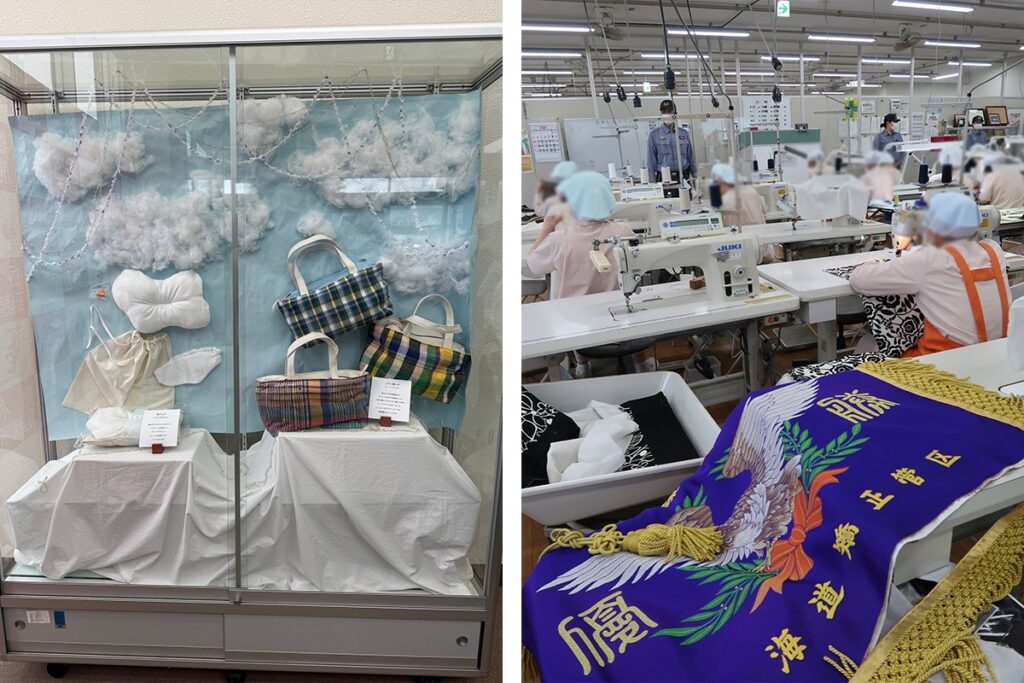
Inside Tochigi Women’s Prison: Strict routines and repetitive labor
The prison operates with strict discipline. Inmates rise early, work throughout the day and follow carefully regulated schedules. During work assignments, silence is often enforced. In workshops I visited, women folded origami decorations, sewed fabric products, and assembled items for commercial contracts. The repetitive labor serves economic and rehabilitative purposes, prison officials said.
Yet beneath the orderliness lies a more complicated debate about punishment and rehabilitation in Japan.
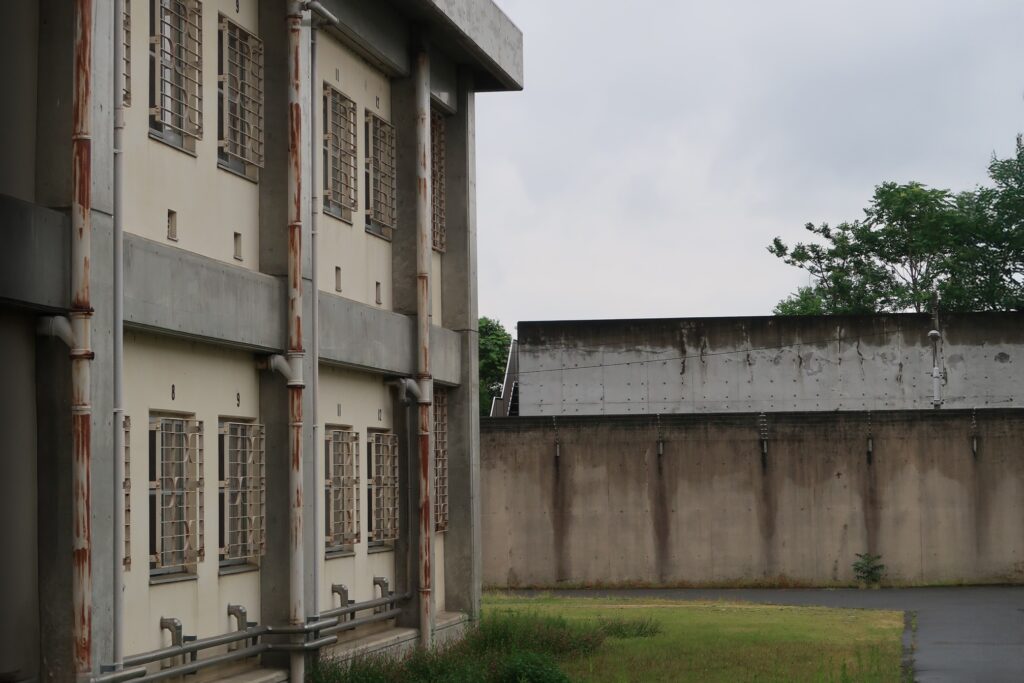
Human rights organizations have criticized Japanese prisons for years over rigid rules, limited oversight and inadequate medical or psychological care. A 2023 report by Human Rights Watch alleged that women in Japanese prisons have experienced verbal abuse, prolonged solitary confinement and insufficient health care access. The report also alleged that women in Japanese prisons face other severe human rights violations.
Key allegations detailed in the report include:
- Shackling during childbirth: Female inmates were reportedly handcuffed or shackled during labor and immediately after giving birth.
- Separation from newborns: Newborns were routinely taken away from their mothers shortly after birth, even though the law permits mothers to request to keep their infants with them for up to a year.
- Poor medical care: Inadequate access to gender-specific health care, including basic sanitary products, and a lack of proper care for the growing population of aging or intellectually disabled inmates.
- Harsh disciplinary measures: Arbitrary and prolonged use of solitary confinement and verbal abuse by prison guards.
In response, Japan’s Ministry of Justice has denied some of the claims regarding medical treatment and restraints, stating that appropriate medical measures are taken and that restraints are not used during certain activities, such as breastfeeding. The report sparked broader discussion within legal and media circles, including at FCCJ press events focused on prison reform and inmate treatment.
Rehab efforts and global inmates
The visit to Tochigi highlighted some of these tensions. Officials emphasized rehabilitation and vocational training, pointing to programs intended to help inmates reintegrate into society after release. Foreign inmates, who make up a significant percentage of the prison population, receive language support and guidance services. Women from more than 30 countries are reportedly held at the facility, many of whom were convicted of drug-related offenses.
The structure of prison life remains highly restrictive. Communication between inmates is limited, movement is carefully monitored and conformity is deeply embedded in daily routines. We observed the meticulous arrangement of personal belongings inside cells and the disciplined choreography of inmate movement through hallways and workspaces.
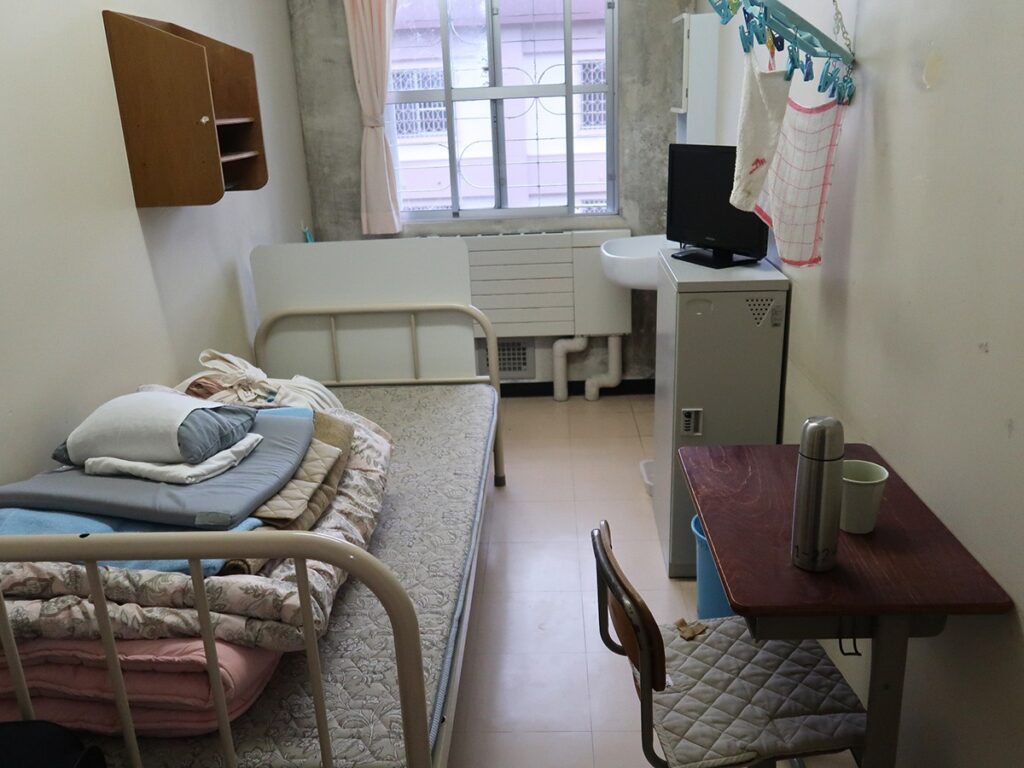
When prison becomes a nursing home: Social cost of isolation
The most striking aspect for me was not the severity of the environment, but the emotional contradiction at its center. Prison is designed to punish, yet many inmates have described incarceration as a source of stability. This paradox reflects broader anxieties within Japanese society itself. One inmate has returned 20 times, usually in summer and winter during extremes of weather.
Japan now has one of the oldest populations in the world. Economic insecurity among elderly women remains a growing concern, particularly for widows, divorcees and those living alone on small pensions. Social isolation has become so severe that some older citizens view prison as preferable to loneliness outside. The existence of such attitudes raises difficult questions about the adequacy of Japan’s welfare and elder care systems.
The prison staff increasingly function as caregivers as much as correctional officers. Officials described assisting inmates with mobility, medication and emotional support. I saw at least three inmates with scars on their wrists, presumably from suicide attempts. As the inmate population ages further, correctional facilities may face growing pressure to adapt infrastructure and staffing to geriatric care needs.
Reflecting challenges beyond prison walls
The FCCJ visit ultimately offered more than a glimpse inside a prison. It exposed a hidden intersection of crime, poverty, aging and social neglect in contemporary Japan. Tochigi Women’s Prison has become an unlikely mirror reflecting challenges that extend far beyond its walls.
The visit underscored the importance of access and transparency in reporting on institutions that are usually inaccessible to the public. While prison authorities presented an orderly and controlled image of daily life, the stories emerging from Tochigi point to deeper structural issues that cannot be solved through incarceration alone.
As Japan continues to confront demographic decline and increasing social fragmentation, the women inside Tochigi Prison may represent not only offenders within the justice system, but also casualties of a society struggling to care for its most vulnerable citizens—and among the most pampered prisoners in Asia, if not the world.