What Are Tokyo International Schools Looking For? 11 More Schools Tell Us
When we asked Tokyo’s international schools what they actually look for in a prospective student, nine schools weren’t the last word on the topic. More schools got in touch wanting to share how they see admissions, and their attitudes stayed consistent. Admissions is not meant to be a hurdle, but a conversation about fit. So here’s round two, again in the schools’ own words.
Get the Checklist
Are you searching for the right International School for your child? Get the Tokyo International School Admissions Checklist.
What do these 11 schools want?
The variety of schools here is wider than in our first roundup, with nurseries, Montessori settings, an online school and a selective research-driven fellowship all offering their thoughts. But the same ideas run through nearly every answer: curiosity, independence, kindness and a fit between the family’s values and the school’s. Academic results come up as well, but they’re never the first thing asked for.
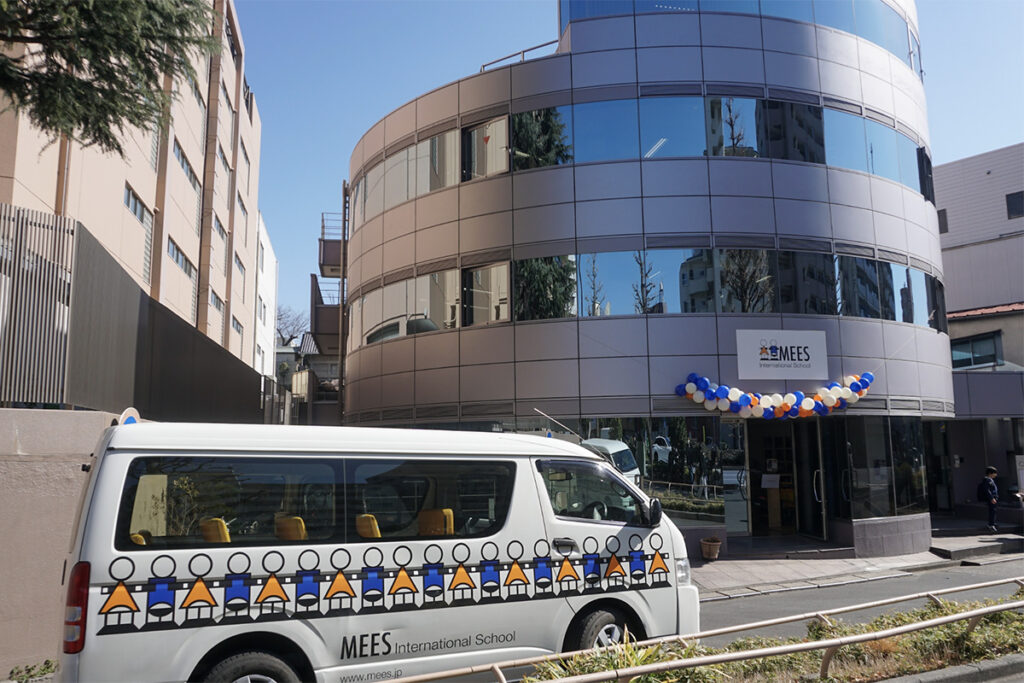
MEES International School
At MEES International School, there is no single “ideal” student profile. Every child brings different experiences, interests, strengths and ways of seeing the world, and it is this diversity that helps the school’s project-based learning community thrive.
MEES values curiosity, collaboration, adaptability and a willingness to embrace new challenges in prospective students. A question may become a project; an idea might become something they build; a failed attempt might send them in a new direction. The school looks for students who will strive in this environment, able to make choices, solve problems and take an active role in their learning.
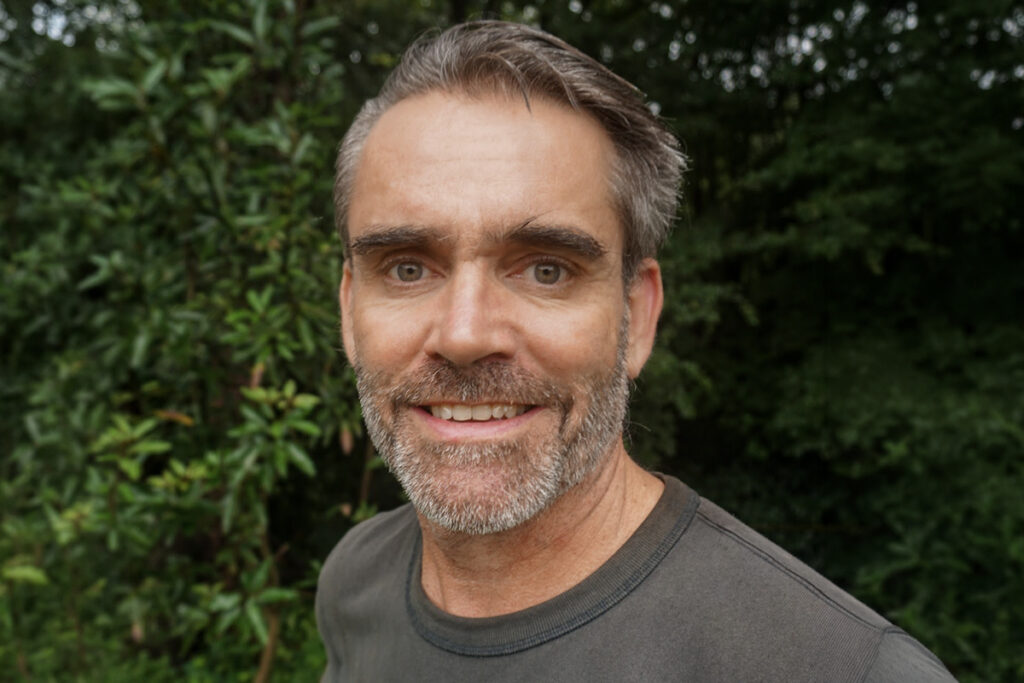
Equally important, MEES looks for families who share this view of education: parents who value giving children room to explore, make discoveries and learn beyond the classroom, whether through a project, an experiment or a day spent learning in nature. For MEES, school is a place to explore the world, discover who you are and find out what you are capable of.
The Head of School Euft van den Berg puts it directly: “We believe children learn best when they have the freedom to explore, question, create and discover. We look for families who share that belief and want their child to take an active role in their own learning.”
Saint Maur International School
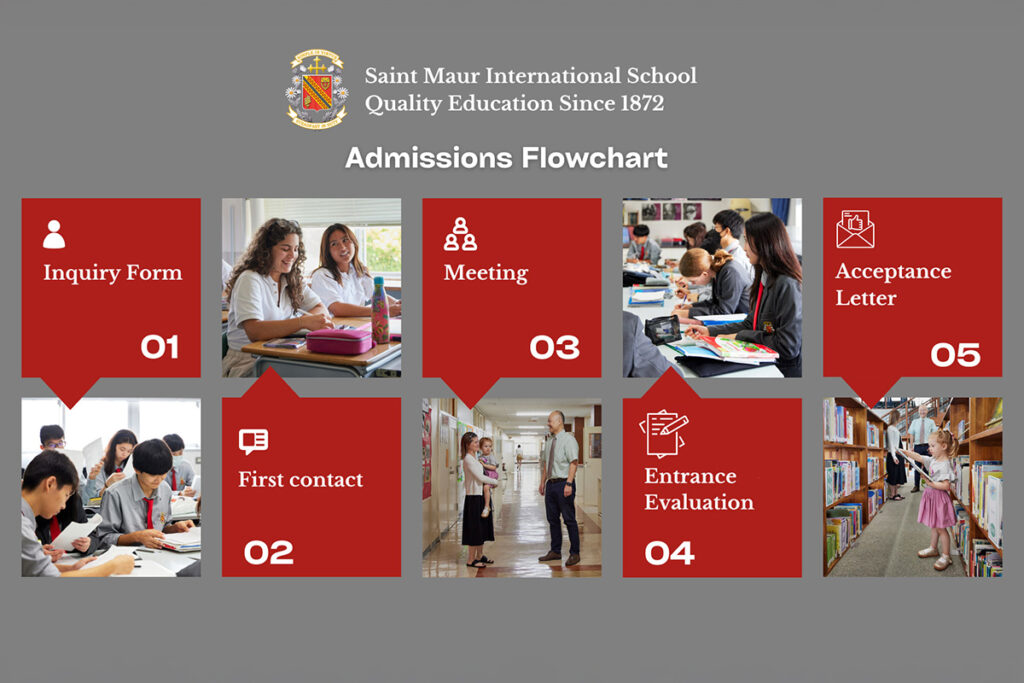
At Saint Maur, the admissions staff are not looking for a “finished product.” They’re looking for a student who is still curious about who they will become.
Since 1872, the community has welcomed children of every nationality and faith. What unites the ones who thrive there isn’t a perfect transcript; it’s curiosity, kindness toward classmates and the willingness to try something new, whether it’s a language, an instrument or an unfamiliar idea. Its Essential Outcomes guide every age group in the school’s care.
Saint Maur’s advice to parents is to let a child’s application sound like the child. Bring the report card, but bring the stories too: the science fair project, a volunteer trip or the friend they stood up for. The school is building a picture of a person, not checking boxes, and that honesty is what helps find the right fit for every family.
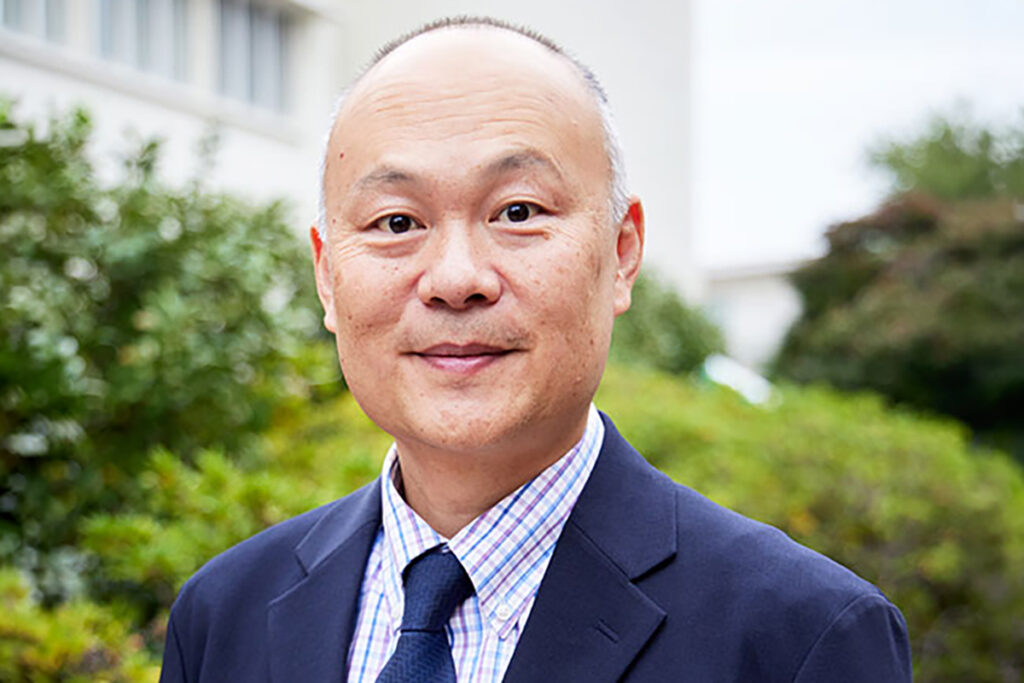
Director of Admissions David So goes into more detail: “We’re not looking for a perfect transcript — we’re looking for a student who treats every classmate, every subject, and every mistake as a chance to grow. That curiosity and compassion for others is the heart of what we call a Saint Maur education.”
St. Albans Nursery
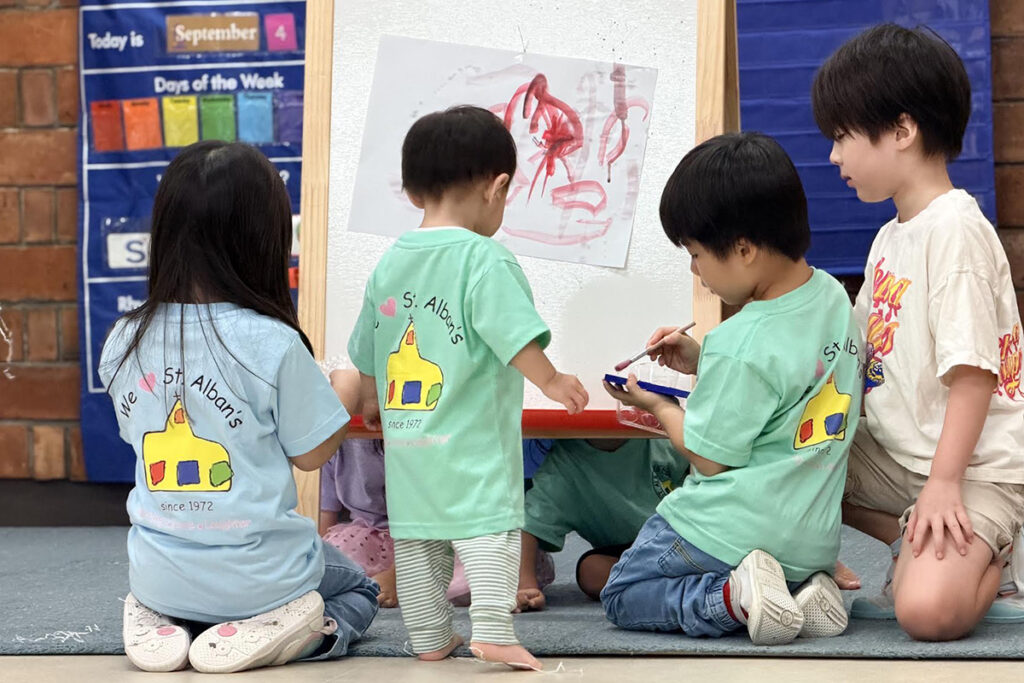
One of the few preschools on our list, St. Albans Nursery believes that every child is unique, every child is special and every child deserves the opportunity to grow, explore and discover their fullest potential.
Welcoming children and families of all religions, cultures and backgrounds, the nursery provides a warm environment where children learn through play, creativity, exploration, friendship and meaningful experiences. The early years, St. Albans believes, are a vital time for discovery, and children need opportunities to create, experiment, make choices, take appropriate risks and, most importantly, have fun while learning.
Its approach centers on recognizing the individuality of every child, and families are treated as partners in that journey. They’re encouraged to join activities, field trips, celebrations and community events alongside teachers and staff. Although St. Albans welcomes families of all faiths, its connection to the church means children are naturally introduced to the Gospel of Jesus Christ as part of daily school life. The nursery doesn’t expect every family to share the same faith, only that they’re open to their children learning about Jesus and respectful of the Christian teachings woven through the school day.
As the nursery puts it, its philosophy comes down to three words: “Learning. Love. Laughter.”
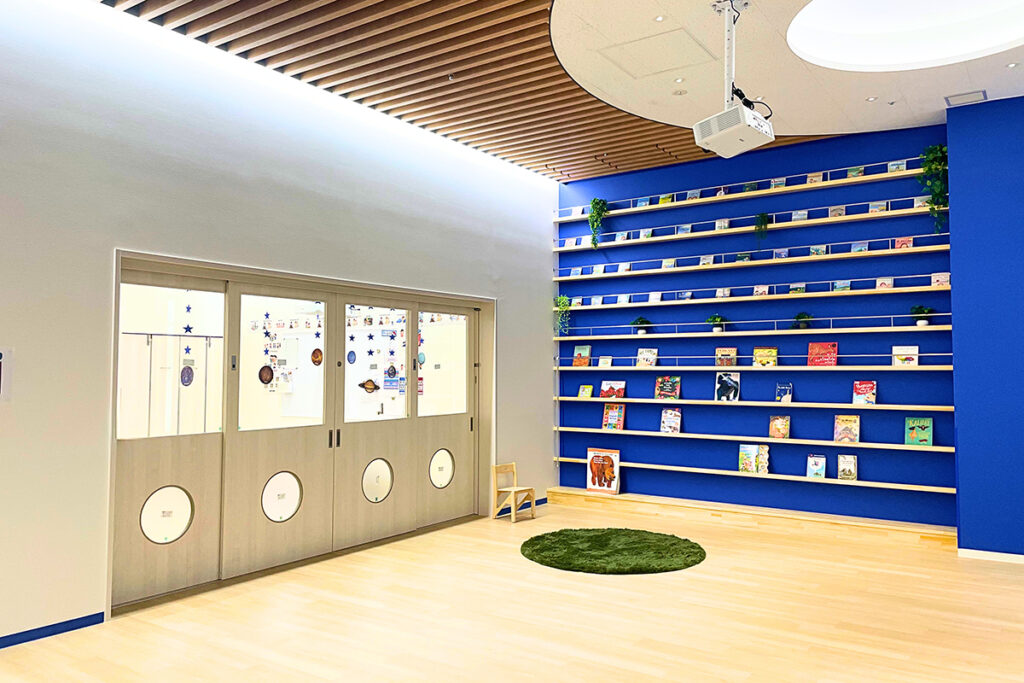
Global Leap International School
Inquiry-based learning and advanced technology is at the core of everything Global Leap International School does. Children raise their own questions, test them, and find out for themselves, and its STEAM and AI-ready curriculum exists to support that process. But none of it works without the one thing that comes first: the child’s own curiosity.
That is what shapes the school’s admissions process. Global Leap holds an interview with the family and an observation session for the child, but there’s no need to arrive with the right questions or the right answers prepared. What the school is looking at is whether it and the family can build, together, an environment where a child can follow their curiosity, try many things, and grow into their fullest possible self. With the children, who are still very young, staff simply observe how they interact with others and what captures their interest.
So Global Leap doesn’t really have any particular advice to parents. It would simply like to sit down and talk with you, as you are.
Head of School Tomohiro Nakata puts it this way: “Curiosity is the first passport a child ever holds. At Global Leap, we help children use it, stepping beyond what they already know to connect with the wider world.”
One World International School Tsukuba
When One World International School Tsukuba meets a prospective student and family, the school looks beyond academic results. It’s interested in understanding the whole child: their interests, curiosity, confidence, experiences and the ways they engage with others and with learning.
Qualities such as kindness, resilience, collaboration and a willingness to ask questions or try something new can tell the school just as much as a report card. Children develop in different ways and at different rates, so its admissions approach is about understanding the individual learner and considering how OWIS can help them grow within an inquiry-based, internationally minded environment.
As a young and growing school in Tsukuba, a city shaped by innovation, research and international collaboration, OWIS is intentionally building a community in which every student is known, valued and appreciated. Partnership with families is a part of that. The school values families who communicate openly, support their child’s learning and wellbeing and contribute positively to an inclusive community built on kindness and respect. As the school continues to grow, that partnership helps shape not only individual student success, but the culture of the school itself.
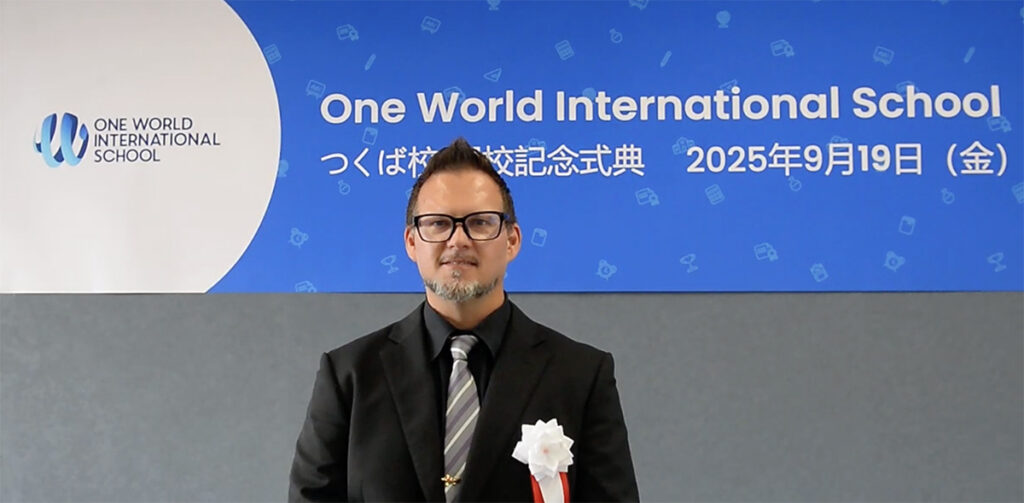
Founding Head of School Chris Larter explains: “The strongest applicants are not necessarily the students who arrive with the highest academic results. We are looking at the whole child: their curiosity, their character, their willingness to engage with others, and their potential to grow. Our role is not simply to ask whether a child already fits a particular profile, but to understand who they are, what they bring to our community and how we can help them develop further. We want every student who joins OWIS Tsukuba to feel known, valued and encouraged to become an active participant in their own learning and in the life of the school.”
Dandelion Montessori School
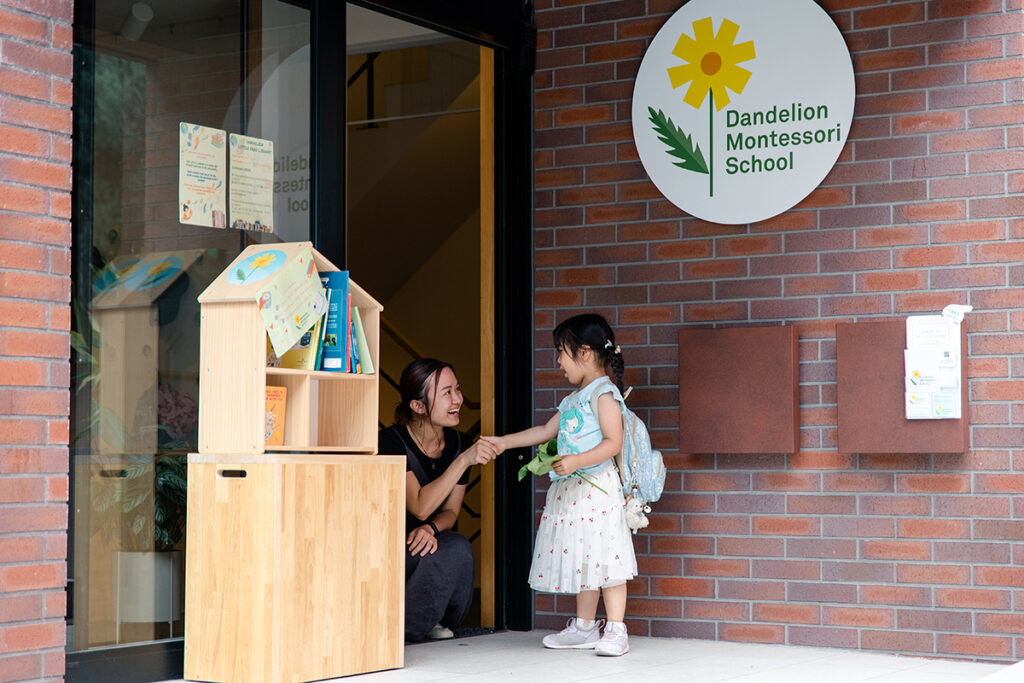
The second of our preschools, Dandelion Montessori School, tells us that admissions marks the start of a shared partnership with families rather than an evaluation of a young child’s performance. In the early years, the school doesn’t look for academic prerequisites or rehearsed answers. Instead, it seeks families who share its commitment to supporting the child’s natural urge toward independence.
Practical guidance for families begins at home in small, everyday ways: giving a child space to put on their own shoes, pour their own drink, or manage simple everyday tasks. When visiting schools, families are encouraged to let go of any pressure to prompt or showcase specific achievements. The school simply loves to observe a child’s natural curiosity, how they interact with a carefully prepared space, and how it can work alongside parents to nourish their ongoing growth.
In the words School Director Mariko Maeda:
“We don’t look for performance or academic standards in young children; we look for a family’s shared willingness to trust the child’s natural urge for independence. When a home and school align in honouring what a child can do for themselves, authentic learning follows effortlessly.”

The Innovation Fellowship
The Innovation Fellowship (TIF) isn’t a school where students wait to be told what to do. It gives adolescents a high degree of agency, along with accountability and expert support, of the kind more commonly expected in college or the early years of a career. Students identify problems worth solving, pursue difficult research questions, build projects from the ground up, seek out industry mentors and make something meaningful out of the opportunities around them.
Because an individualized curriculum requires rigor and responsibility, The Innovation Fellowship looks carefully for students ready to make the most of this challenge. Its admissions rate has averaged 22% over the last three years. Through interviews, essays and prior independent projects, it looks for students who are unusually curious, self-disciplined, intrinsically motivated and driven to turn bold ideas into action.
Grades still matter, but they tell the school far less than how a student thinks, what drives them, and what they do when nobody is giving them step-by-step instructions. The strongest applicants are unmistakably eager to learn, build, grow and create value in society through their education.
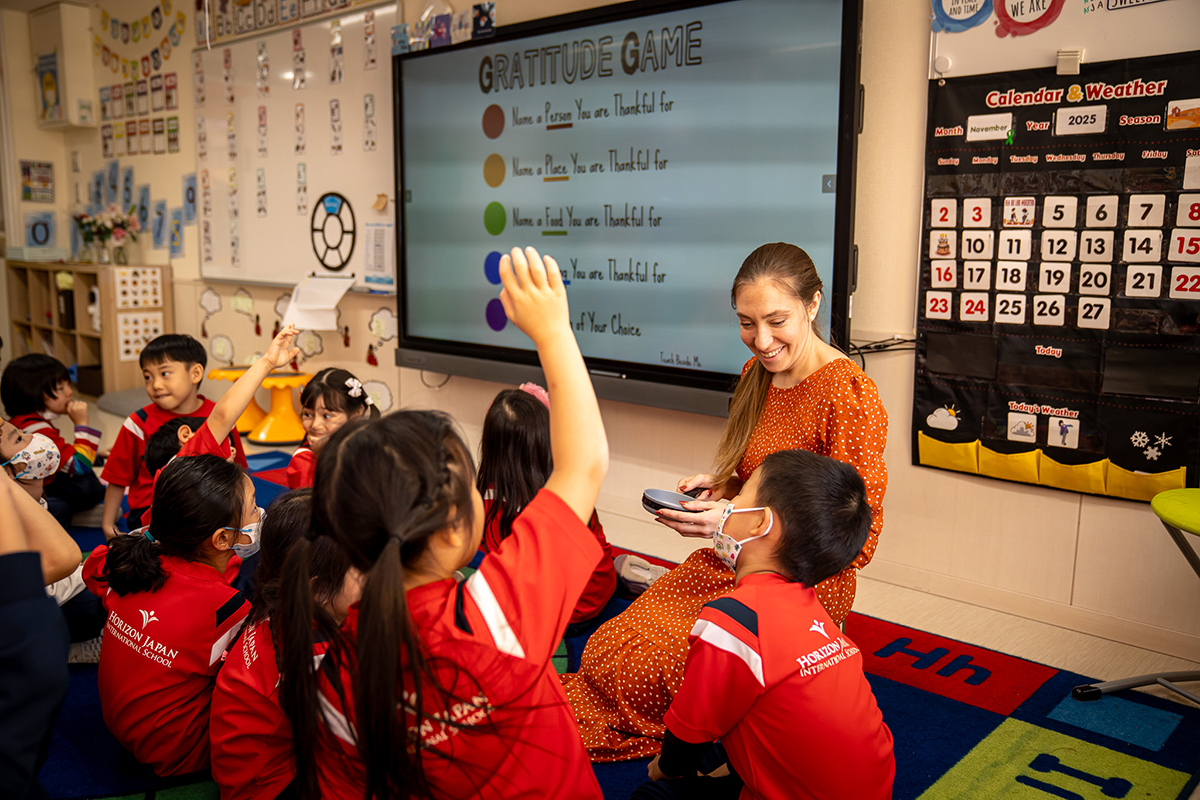
Horizon Japan International School
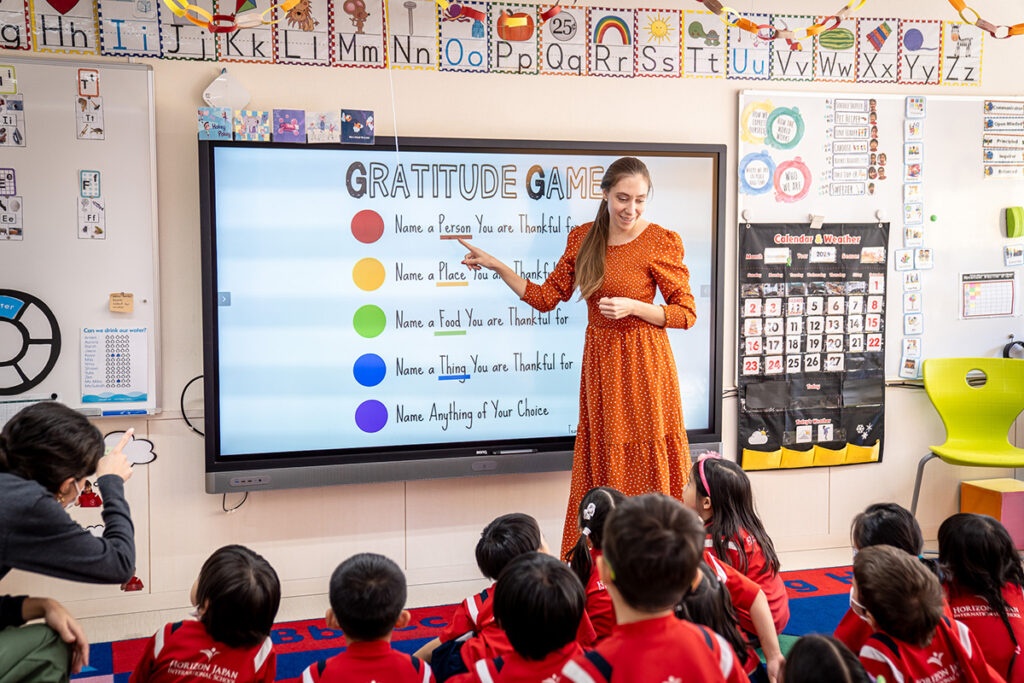
At Horizon Japan International School, students are expected to be curious, kind and open-minded. As English is the school’s main language of instruction, students should be ready to develop their English abilities through active participation and communication.
Pastoral care and wellbeing are central to school life at Horizon, helping students feel heard and supported. Service learning matters just as much, encouraging students to actively search for ways to improve the world around them and use what they learn to support their communities, both locally and abroad.
As an IB Continuum World School, Horizon welcomes students from preschool through 12th grade, and aims to know each student as they are: their strengths, interests, and areas where the school can offer extra support. Families are encouraged to visit the campus, an eight-minute walk from Yokohama Station, to see what makes the Horizon community special.
Head of School Mehmet Deniz summarizes this for parents: “At Horizon, we seek young learners who are curious enough to keep learning, resilient enough to embrace challenges, compassionate enough to care for others, and confident enough to make a meaningful difference. We are committed to nurturing lifelong learners prepared to contribute positively to an interconnected world.”
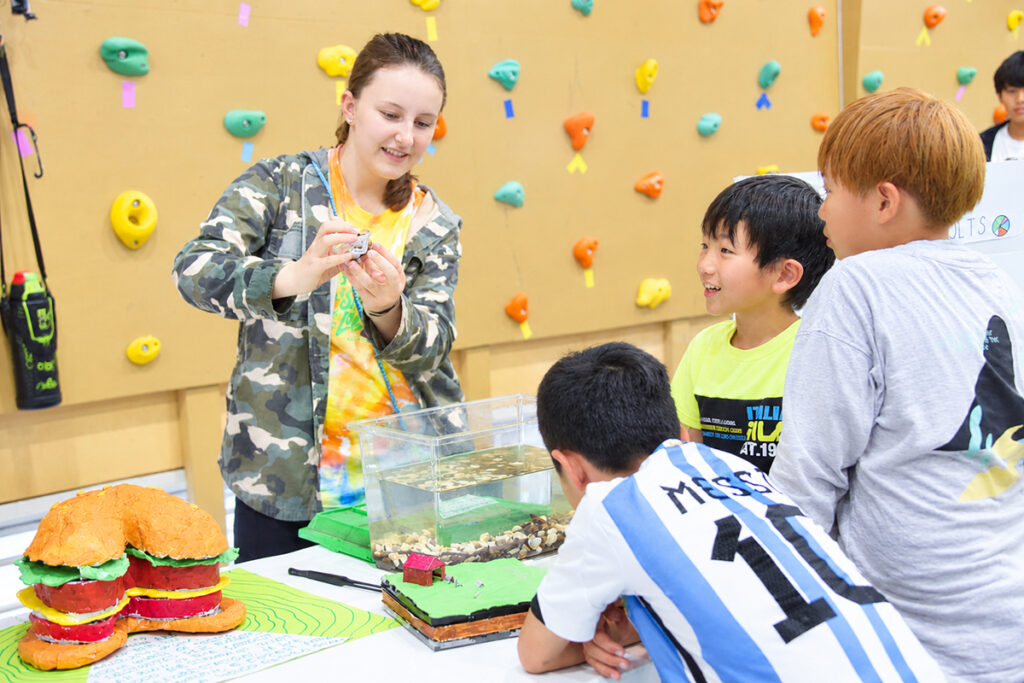
Aoba-Japan International School
Aoba-Japan International School is specific in what it looks for. It wants students who are curious, open-minded and willing to engage actively in their learning. It values young people who ask questions, explore different perspectives and are prepared to take thoughtful risks. Aoba is not simply looking for students who already excel academically, it’s interested in their potential, their character and their willingness to grow.
Equally important is its partnership with families. The school looks for parents who understand that education is a shared responsibility and who support its commitment to inquiry, international-mindedness and student agency. Its advice to families is to approach the application process openly and authentically: learn about Aoba’s educational philosophy, ask questions, and consider whether the approach aligns with what you want for your child. The application process should be a conversation about fit, not simply an exercise in gaining admission.
Group Head of Schools Dr. Jake Madden offers his personal insight as well: “One quality I value most is curiosity. When students learn to ask thoughtful questions, challenge assumptions and explore different perspectives, they become active participants in their own education. This reflects Aoba’s belief that learning should develop capable, internationally minded young people who can think independently, communicate effectively and contribute positively to the world around them.”
Epsom College Tokyo
Opening in August 2027, Epsom College Tokyo will welcome curious, kind and ambitious children ages 3 to 11 who are ready to embrace new challenges and discover their potential. As a founding community, it seeks families who share its values of Kindness, Integrity and Ambition and are excited to help shape the school from the very beginning.
Epsom values students who bring curiosity to their learning, think creatively, show kindness towards others, and are willing to step beyond their comfort zones.
Its advice to parents is simple: nurture your child’s curiosity, confidence and independence. These qualities, alongside a strong academic foundation, will help them thrive in both Japanese and international contexts. It also prepares them well for future opportunities, such as progression to Epsom College Malaysia and Epsom College in the UK.
As the school puts it: “Epsom empowers students to think independently, act with kindness, integrity and ambition, and create their own path in Japan and beyond.”
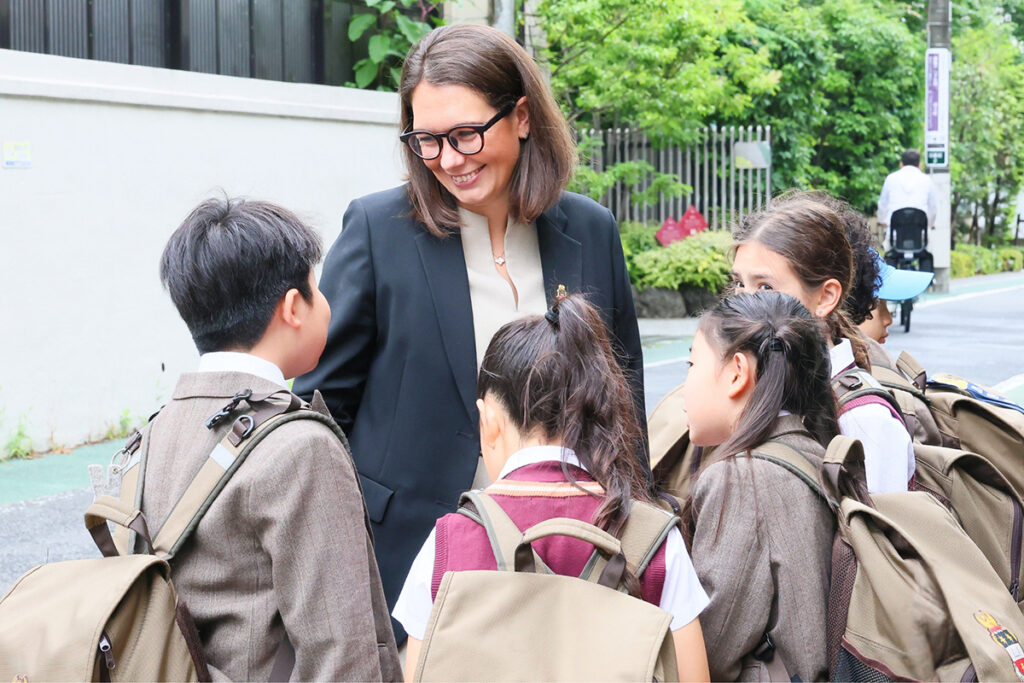
Phoenix House International School
At Phoenix House International School, the admissions process looks beyond academic ability. The school places a premium on character, actively seeking prospective pupils who are curious, kind, open-minded and eager to engage positively with the people and world around them. It looks for children who will not only benefit from the school’s environment but also contribute meaningfully to its community.
For parents, Phoenix House’s advice is to focus entirely on finding the right fit. Families are encouraged to take the time to visit the school, ask questions and reflect on whether the institution’s values and approach to learning feel right for them. Above all, the school urges authenticity throughout the application process, as their main goal is to get to know each child as an individual and understand how they might thrive there.
Head of School Claire Fletcher-Beel summarizes the school’s philosophy:
“At Phoenix House, character is just as important as academic achievement. We look for children who are curious about the world, kind towards others and willing to challenge themselves and grow.”
“Our 18 Character Virtues help shape the way we think about the development of our pupils, and we want prospective families to see admissions as the beginning of a relationship between the child, their family and our school community.”
At a Glance
| School | Key Qualities Looked For | Core Ethos / Philosophy | Top Advice for Parents |
|---|---|---|---|
| MEES International School | Curiosity, collaboration, adaptability. | A project-based community built on exploration and discovery. | Give your child room to explore, make discoveries and learn beyond the classroom. |
| Saint Maur International School | Curiosity, kindness, willingness to try new things. | Building a picture of a person, not checking boxes. | Let your child’s application sound like your child — bring the stories, not just the transcript. |
| St. Albans Nursery | Curiosity, independence, kindness. | “Learning. Love. Laughter.” | Be open to a warm, faith-connected community that treats families as partners. |
| Global Leap International School | Natural curiosity, openness, genuine interest. | Curiosity as “the first passport a child ever holds.” | None offered — just come and talk, as you are. |
| OWIS Tsukuba | Curiosity, character, willingness to engage, potential to grow. | A community where every student is known, valued and appreciated. | Communicate openly and contribute positively to an inclusive community. |
| Dandelion Montessori School | Natural independence, curiosity. | Trusting a child’s natural urge toward independence. | Give your child space to do everyday things for themselves at home. |
| The Innovation Fellowship | Self-discipline, intrinsic motivation, intellectual drive. | Agency and accountability more typical of college or early career. | N/A — admissions centers on the student’s own drive, not parental coaching. |
| Horizon Japan International School | Curiosity, resilience, compassion, confidence. | Curious, resilient, compassionate, confident lifelong learners. | Visit the campus to see the community firsthand. |
| Aoba-Japan International School (A-JIS) | Curiosity, open-mindedness, potential and character. | Inquiry, international-mindedness and student agency. | Approach admissions as a conversation about fit, not just an exercise in gaining entry. |
| Epsom College Tokyo | Curiosity, kindness, ambition. | Kindness, Integrity, Ambition. | Nurture your child’s curiosity, confidence and independence. |
| Phoenix House International School | Curiosity, kindness, open-mindedness, character. | Grounded in 18 Character Virtues; prioritizing community contribution and personal growth. | Focus on fit, visit the school, and remain authentic during the application process. |
Key Qualities Looked For
| MEES International School | Curiosity, collaboration, adaptability. |
| Saint Maur International School | Curiosity, kindness, willingness to try new things. |
| St. Albans Nursery | Curiosity, independence, kindness. |
| Global Leap International School | Natural curiosity, openness, genuine interest. |
| OWIS Tsukuba | Curiosity, character, willingness to engage, potential to grow. |
| Dandelion Montessori School | Natural independence, curiosity. |
| The Innovation Fellowship | Self-discipline, intrinsic motivation, intellectual drive. |
| Horizon Japan International School | Curiosity, resilience, compassion, confidence. |
| Aoba-Japan International School (A-JIS) | Curiosity, open-mindedness, potential and character. |
| Epsom College Tokyo | Curiosity, kindness, ambition. |
| Phoenix House International School | Curiosity, kindness, open-mindedness, character. |
Core Ethos / Philosophy
| MEES International School | A project-based community built on exploration and discovery. |
| Saint Maur International School | Building a picture of a person, not checking boxes. |
| St. Albans Nursery | “Learning. Love. Laughter.” |
| Global Leap International School | Curiosity as “the first passport a child ever holds.” |
| OWIS Tsukuba | A community where every student is known, valued and appreciated. |
| Dandelion Montessori School | Trusting a child’s natural urge toward independence. |
| The Innovation Fellowship | Agency and accountability more typical of college or early career. |
| Horizon Japan International School | Curious, resilient, compassionate, confident lifelong learners. |
| Aoba-Japan International School (A-JIS) | Inquiry, international-mindedness and student agency. |
| Epsom College Tokyo | Kindness, Integrity, Ambition. |
| Phoenix House International School | Grounded in 18 Character Virtues; prioritizing community contribution and personal growth. |
Top Advice for Parents
| MEES International School | Give your child room to explore, make discoveries and learn beyond the classroom. |
| Saint Maur International School | Let your child’s application sound like your child — bring the stories, not just the transcript. |
| St. Albans Nursery | Be open to a warm, faith-connected community that treats families as partners. |
| Global Leap International School | None offered — just come and talk, as you are. |
| OWIS Tsukuba | Communicate openly and contribute positively to an inclusive community. |
| Dandelion Montessori School | Give your child space to do everyday things for themselves at home. |
| The Innovation Fellowship | N/A — admissions centers on the student’s own drive, not parental coaching. |
| Horizon Japan International School | Visit the campus to see the community firsthand. |
| Aoba-Japan International School (A-JIS) | Approach admissions as a conversation about fit, not just an exercise in gaining entry. |
| Epsom College Tokyo | Nurture your child’s curiosity, confidence and independence. |
| Phoenix House International School | Focus on fit, visit the school, and remain authentic during the application process. |
To hear nine more schools explain what they’re looking for, head back to part one of this two part series on International Schools.