
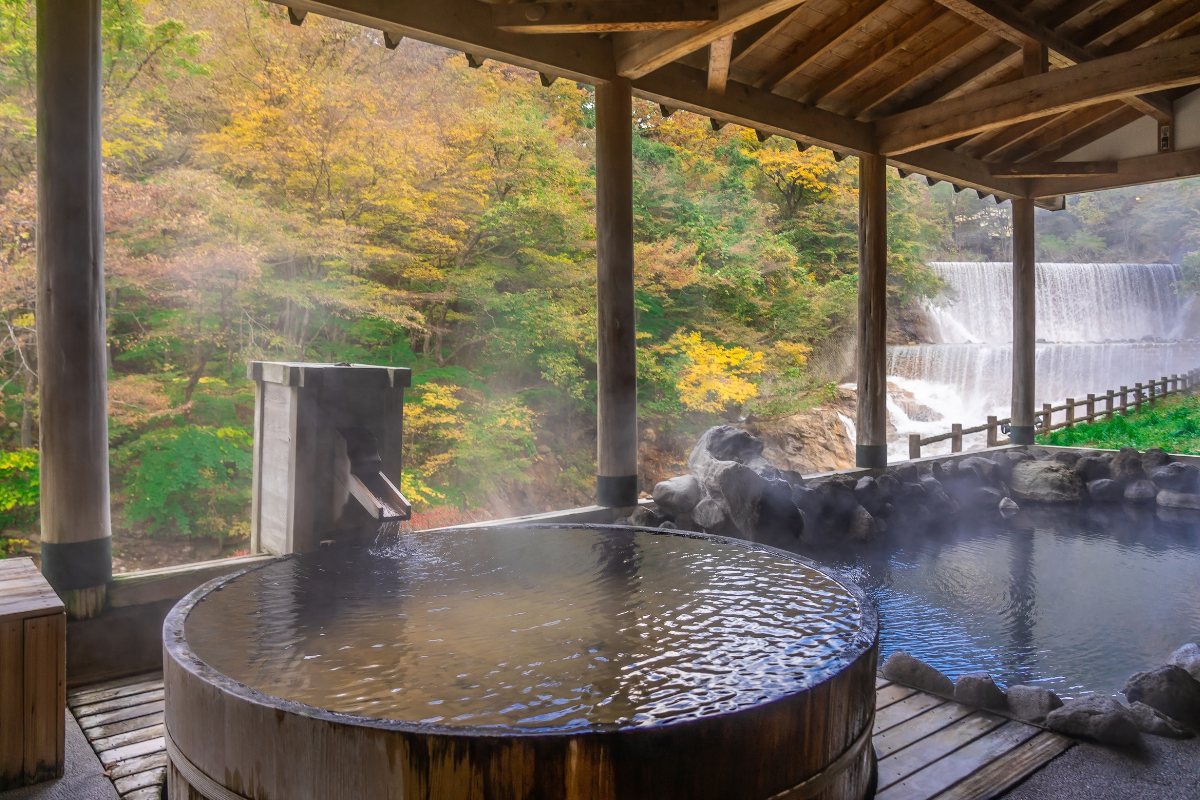
Best Onsen Near Tokyo
For anyone in the capital city, visiting an onsen (hot spring) is the perfect plan to escape the urban rush. With more than 3,000 hot spring areas across the country, these retreats offer physical restoration and a sense of spiritual calm.
Japanese culture has long embraced this purification through water. The practice stems from the legend of the god Izanagi who purified himself after returning from the land of the dead, giving rise to new deities through his cleansing. Today, this deep connection to water shapes local culture, and even visitors to a shrine rinse their hands and mouth to participate.
To help you plan your next getaway, here is a look at some of the best onsen near Tokyo.
Experience the Traditional Healing of Kusatsu
Travel time from Tokyo: Three and a half hours
Kusatsu Onsen is a small town nestled in the mountains of Gunma prefecture, around 200km northwest of Tokyo, where visitors can experience nature all year round. It boasts the largest flowing volume of hot spring water in Japan.
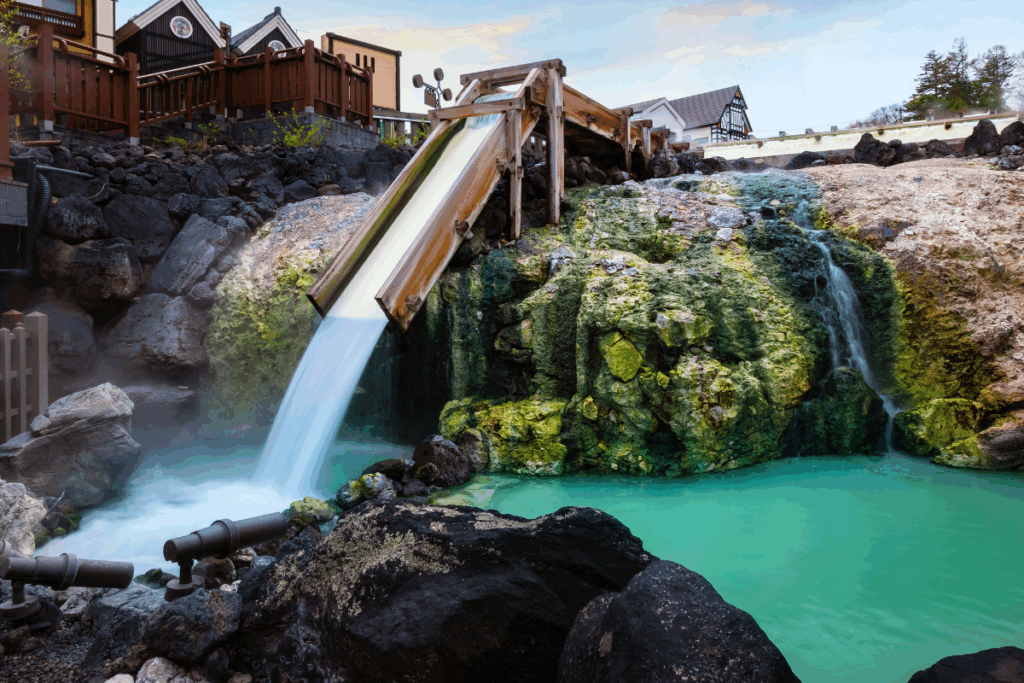
In the central area, mineral deposits are gathered in special drums called yubatake which are displayed around the baths. You can even purchase this mineral blend on-site to enjoy the healing benefits at home.
This location is considered one of the best onsen near Tokyo because of its unique bathing styles:
- Jikan-yu: A time-regulated group bathing method where bathers follow set intervals to safely enjoy Kusatsu’s hot and acidic spring water.
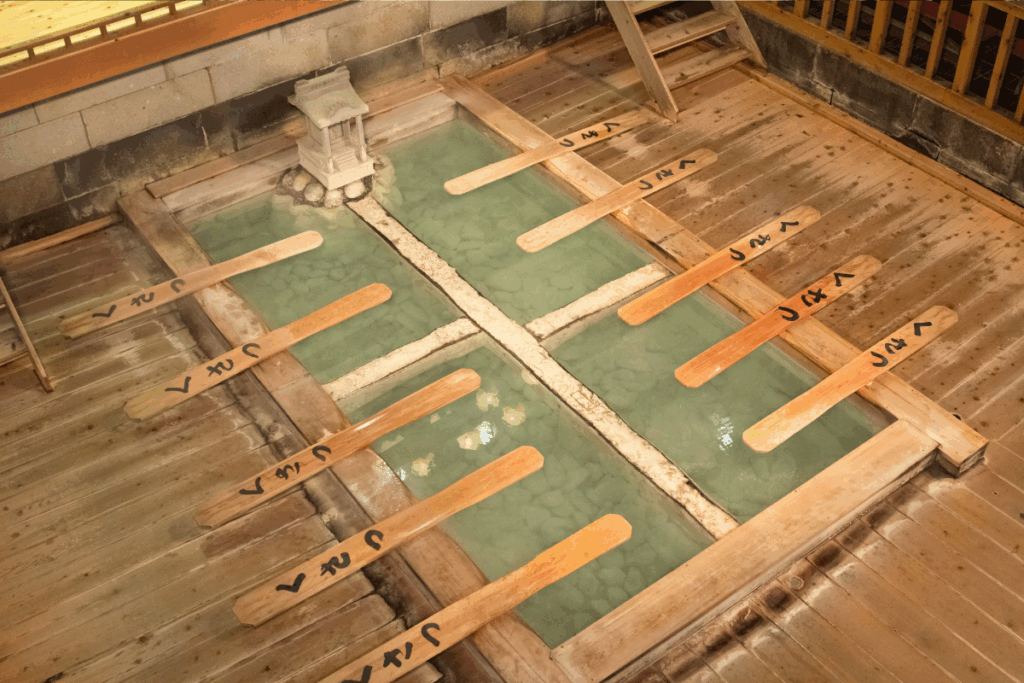
- Yumomi: A traditional practice of cooling the hot spring water by stirring it with large wooden paddles instead of adding cold water.
How to get there: Take the JR Hokuriku Shinkansen or Joetsu Shinkansen to Takasaki Station, then transfer to a bus bound for Kusatsu Onsen. The bus ride takes about two hours and drops you near the town center. As this is the furthest onsen from Tokyo on our list, we recommend an overnight visit.
Step Back in Time at Shuzenji Onsen
Travel time from Tokyo: Three hours
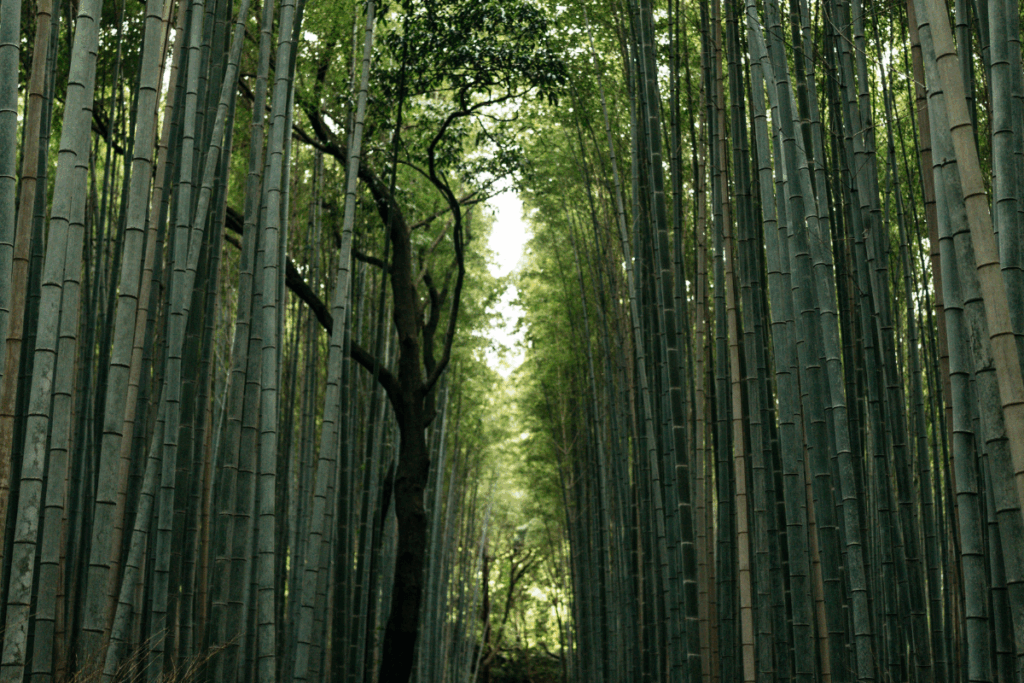
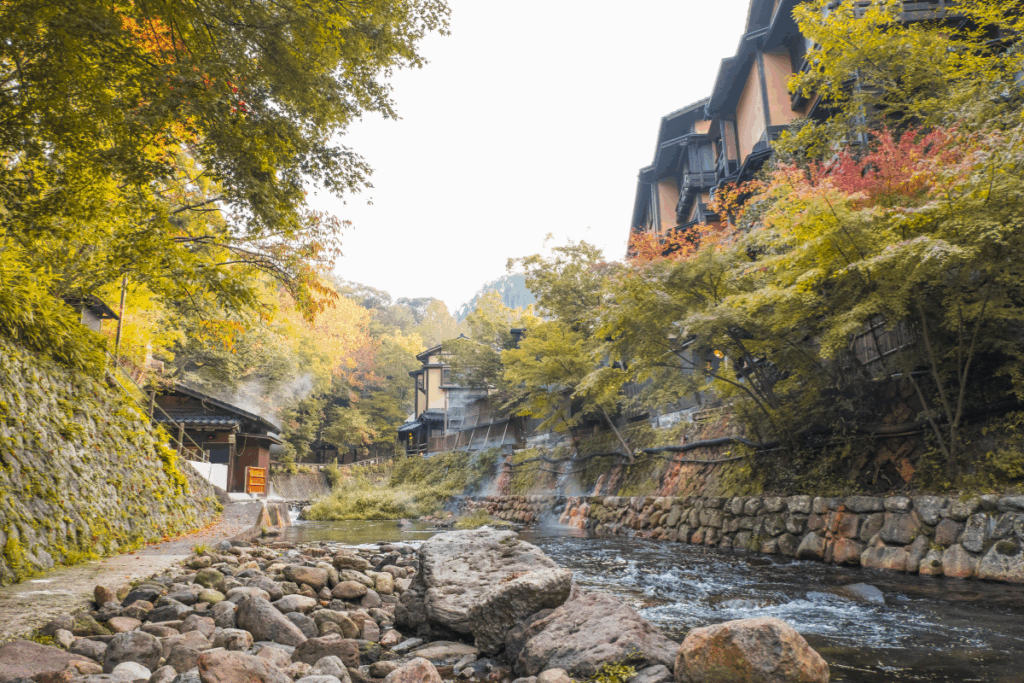
Nestled in the Izu Peninsula in Shizuoka, Shuzenji Onsen is one of the oldest hot springs, tracing back more than 1,200 years to the eighth century. Shuzenji is often referred to as “Little Kyoto” since its cobblestone streets, ryokan (Japanese inn) and temples resemble the ancient capital. It also has a bamboo forest to get lost in.
The area’s natural geothermal waters are celebrated for their healing properties. Many of the ryokans have open-air baths, even for non-staying guests that pay about 1,000 yen.
How to get there: Take the Tokaido Shinkansen to Mishima Station, then transfer to the Izuhakone Railway Sunzu Line to Shuzenji Station. From there, it’s a quick 10-minute bus or taxi ride to the onsen town.
Enjoying the Views and Nature of Hakone
Travel time from Tokyo: Two hours
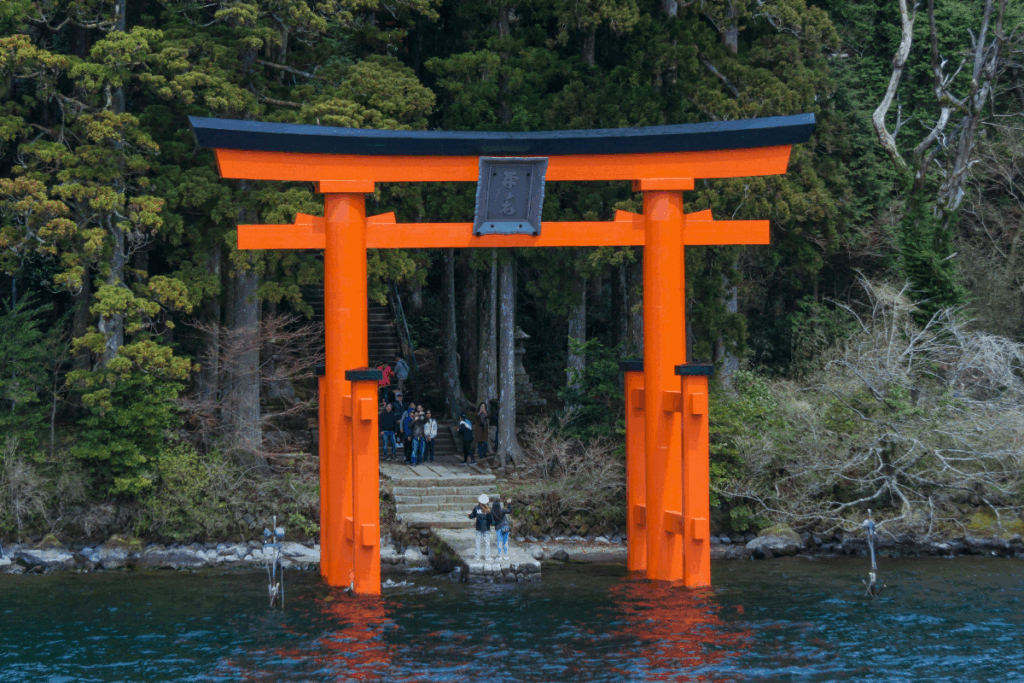
Located in the Kanagawa Prefecture, Hakone is a well-known location famous for its nature, relaxation activities and spectacular views of Mount Fuji. While many people visit this area to wander around Lake Ashi and visit the shrines, it is also a celebrated onsen area.
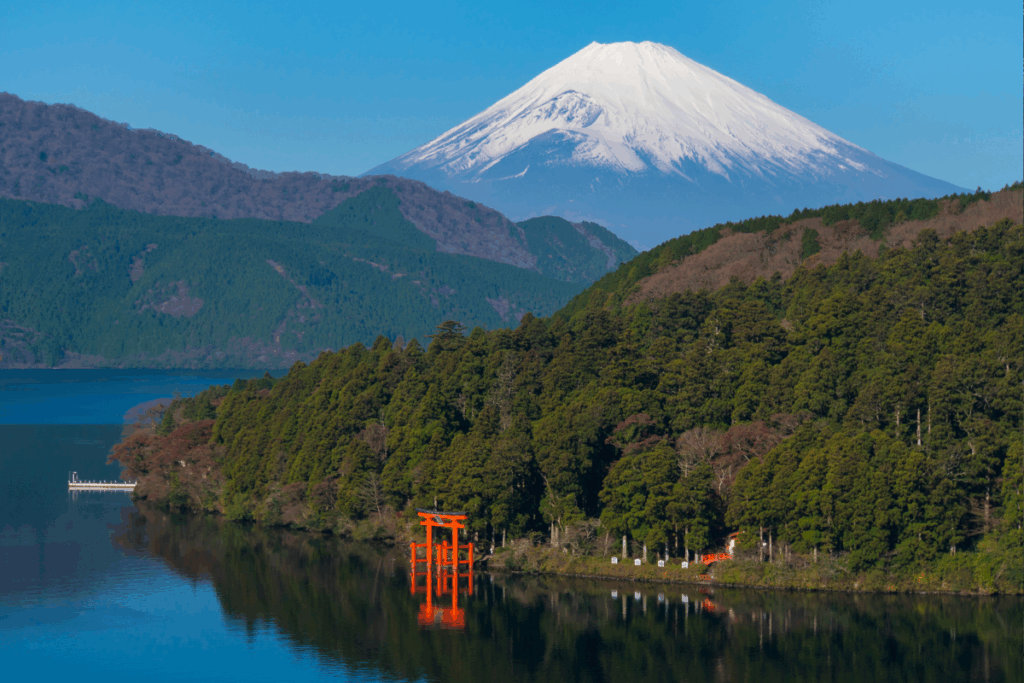
There are more than a dozen hot springs and ryokans to choose from, making it a top spot for visitors searching for the best onsen near Tokyo. We recommend staying the night and enjoying the morning views of Fujisan and Hakone’s nature.
How to get there: You can reach Lake Ashi in Hakone by taking the Odakyu Romancecar or the Odakyu Line from Shinjuku to Hakone-Yumoto, then transferring to the Hakone Tozan Bus heading to Moto-Hakone or Hakone-machi. Both stops are right by the lake.
Atami: A Perfect Coastal Getaway
Travel time from Tokyo: One hour
Just one hour away from Tokyo, Atami is the perfect place for a day trip or weekend escape. This location is famous for its coastal views of the Pacific Ocean and plenty of hot springs choices.
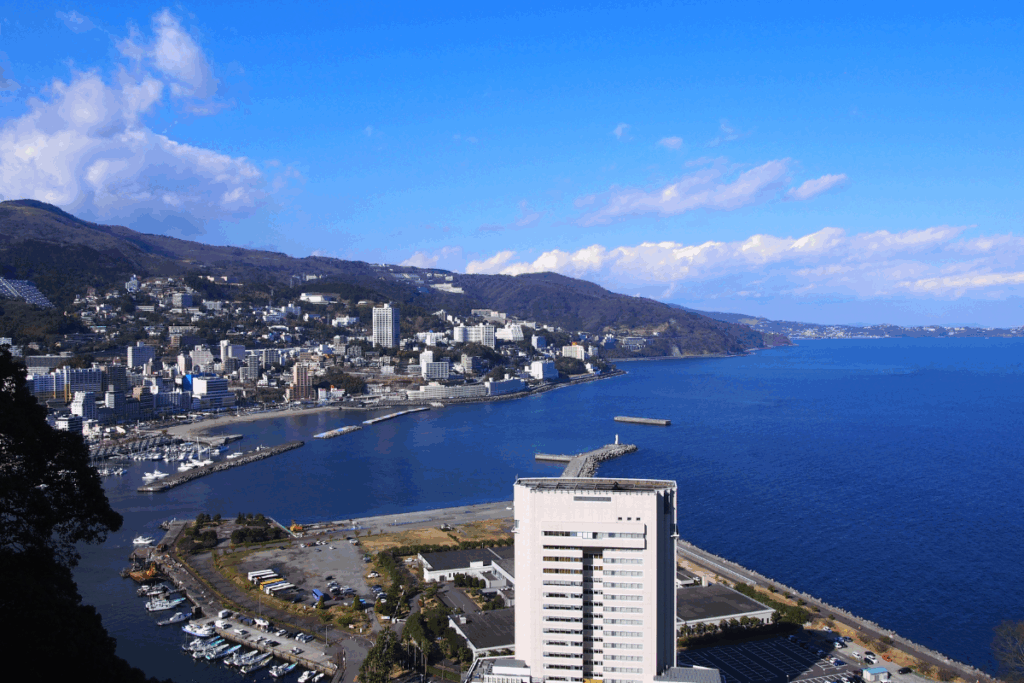
In addition to its onsen, Atami boasts a rich cultural scene, with the Museum of Art and the vibrant Atami Baien Plum Garden during the blossom season. The town also hosts fireworks festivals throughout the year. Don’t miss out on eating seafood from this fishing location. You can find different accommodations, from ryokans with private baths to beachside resorts.
How to get there: You can reach Atami from Tokyo by taking the JR Tokaido Shinkansen, which takes about 50 minutes, or by the JR Tokaido Line for a slower but direct option of about 1 hour 40 minutes.
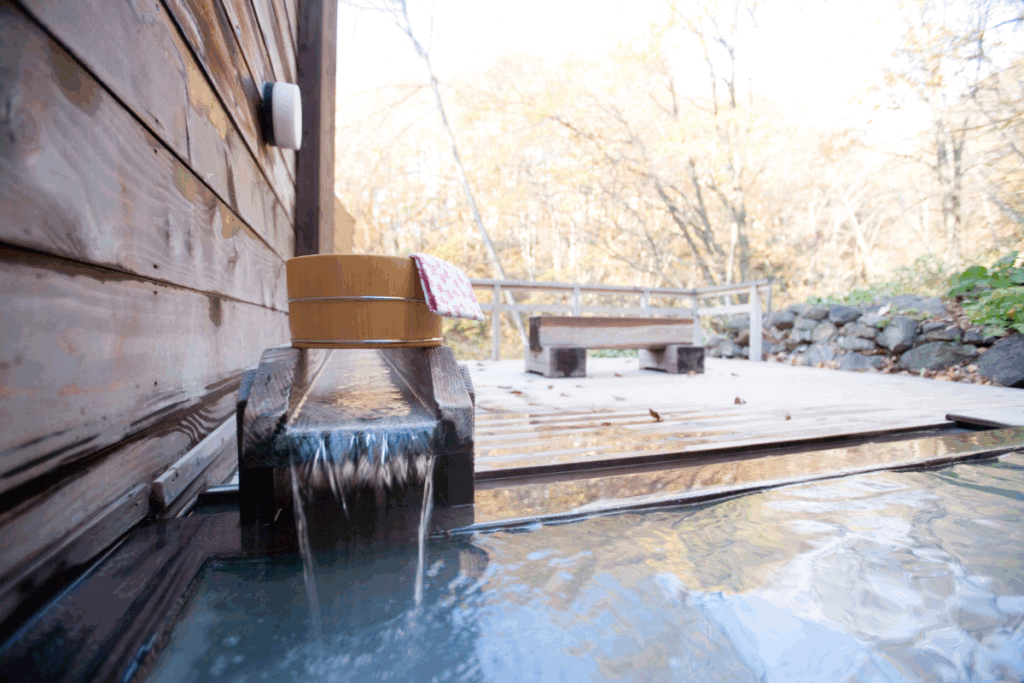
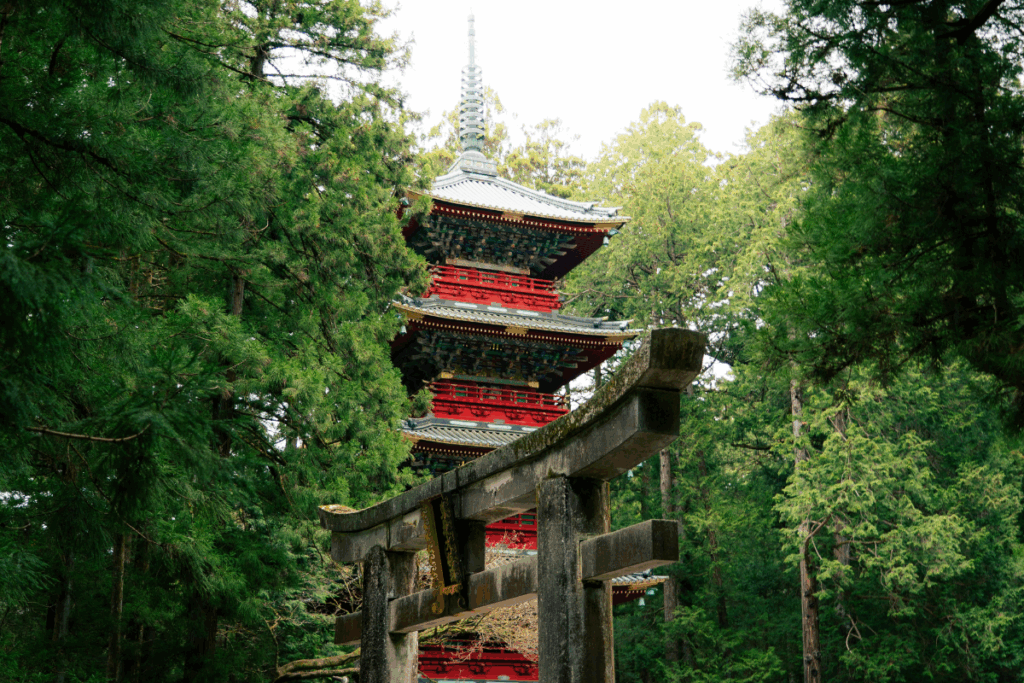
Discover World Heritage Shrines and Springs in Nikko
Travel time from Tokyo: Two hours
Reaching the end of our list, we could not skip the wonderful onsen at Nikko. This well-known location for its shrines, hikes and overall natural beauty, also hosts some of the best onsen near Tokyo.
Depending on your preference you can choose amongst different onsen, such as:
Each of these locations have different cultural activities to offer, from museums, rivers and shrines to local food and goods. In the center of Nikko you can also find hot spring water ryokan alternatives for your stay.
How to get there: To get to Nikko from Tokyo, take the JR Tohoku Shinkansen to Utsunomiya Station, then transfer to the JR Nikko Line to reach Nikko Station. The total journey takes about two hours. Alternatively, you can take the Tobu Nikko Line from Asakusa Station, which is slightly cheaper and takes around 2 hours 10 minutes.
FAQ
Which onsen is closest to Tokyo?
Atami is the closest option on our list, reachable in roughly 50 minutes to one hour by train.
Can I visit an onsen if I am not staying overnight?
Yes. Locations such as Atami are perfect for day trips. In Shuzenji onsen, many ryokans have open-air baths available for non-staying guests for a fee of around 1,000 yen.
What is the furthest onsen on this list?
Kusatsu onsen is the furthest option, taking about three and a half hours to reach, so we recommend an overnight visit.
Conclusion
Finding the best onsen near Tokyo offers an easy and refreshing break from the pace of city life. These hot spring towns are simple to reach by train and provide a blend of relaxation, scenic views and traditional Japanese culture.
Visitors can soak in mineral-rich waters, enjoy beautiful natural surroundings and experience everything from historic baths to modern comforts. With so many choices close by, finding a rejuvenating getaway is never far from the city.Want more Japanese travel inspiration? Subscribe to the GoConnect newsletter to get the latest guides and hidden gems delivered straight to your inbox.