
What is Kabuki? A Lecture on Japanese Culture: Part 1
Images courtesy of Premium Japan
We have previously explored the spiritual depths of Noh and the delicate artistry of Wagashi. Today, we will focus on kabuki, one of Japan’s most distinctive performing arts. Known worldwide for its extravagant costumes, elaborate stage sets, vivid makeup and the unique tradition of male actors portraying female roles, kabuki often appears mysterious to visitors from abroad.
Even many Japanese today find these traditional Japanese dramas somewhat enigmatic. Its classical stories and archaic language can make audiences wonder whether they will truly understand what’s being said on stage. Yet it remains an endlessly fascinating art form.
In this lecture, I’ll introduce how kabuki began, why only men perform it and the different genres that exist within it. You might find yourself captivated by its allure.
The Origins
Kabuki is said to have originated about 400 years ago in Kyoto. It was a time when Japan had finally emerged from centuries of samurai warfare, and a variety of popular entertainment forms began to flourish.
In the early 17th century, a woman named Izumo no Okuni appeared in Kyoto and created a performance style known as Kabuki Odori (dance), which became an instant sensation.
Okuni organized her own troupe—an all-female company—performing musical revues similar to European operettas.
Her shows featured women in men’s clothing, singing and dancing in mildly erotic scenes depicting playful encounters between courtesans and their clients. Despite their simplicity, these performances captured the hearts of commoners, nobles and samurai.
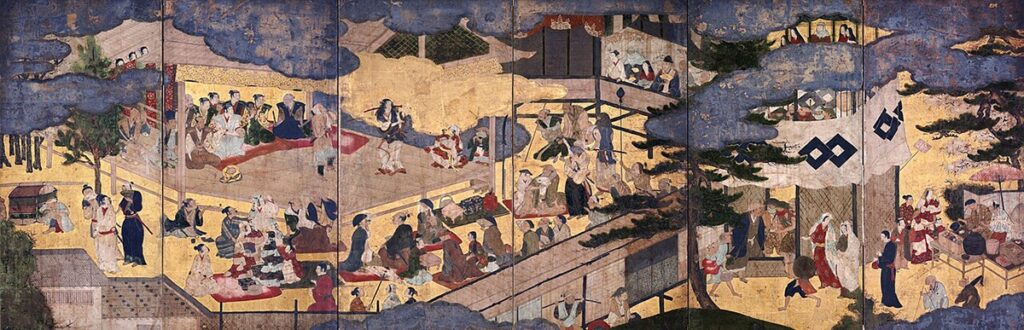
It’s said that Okuni’s troupe was invited to perform before the Emperor—a testament to their immense popularity. Soon, other troupes imitated her style.
However, many of the actresses and dancers were also prostitutes. Audiences didn’t just come to watch Kabuki Odori—they chose their evening companions from among the performers.
The government eventually banned women from the stage after concern about moral decline. In response, the spotlight shifted to Wakashu (young boy) Kabuki—performances by beautiful young men or boys.
These boys took on female roles, giving rise to the onnagata tradition—male actors specializing in women’s roles. But history repeated itself; many of these young male actors also worked as prostitutes. Thus, Wakashu Kabuki was soon banned as well.
Still, the public’s desire for entertainment never ceased. If boys were forbidden, then their only option were performances by adult males or, Yarō Kabuki. This was the beginning of a new style and has continued to this day.
The shows gradually evolved from simple song-and-dance entertainment into more dramatic, narrative performances turning these dramas into an all-male art form.
Kabuki Makeup’s Mystery
You may have wondered about kabuki’s striking makeup—actors painted pure white and dressed in dazzling costumes. This tradition began when performances moved indoors to early theaters, long before modern lighting existed.
The makeup was designed to make facial expressions more visible from a distance. Shows were staged from early morning, and sunlight was cleverly directed onto the stage through movable wooden shutters. Sometimes candles were placed close to actors’ faces to enhance their visibility. Even so, the stage remained dim compared to today’s standards.
The World of Kabuki Stories – 400 Surviving Works
For four centuries, thousands of kabuki plays were written and there are about 300–400 that remain in performance. These plays are divided into several categories, each with distinct themes and aesthetics.
Jidaimono
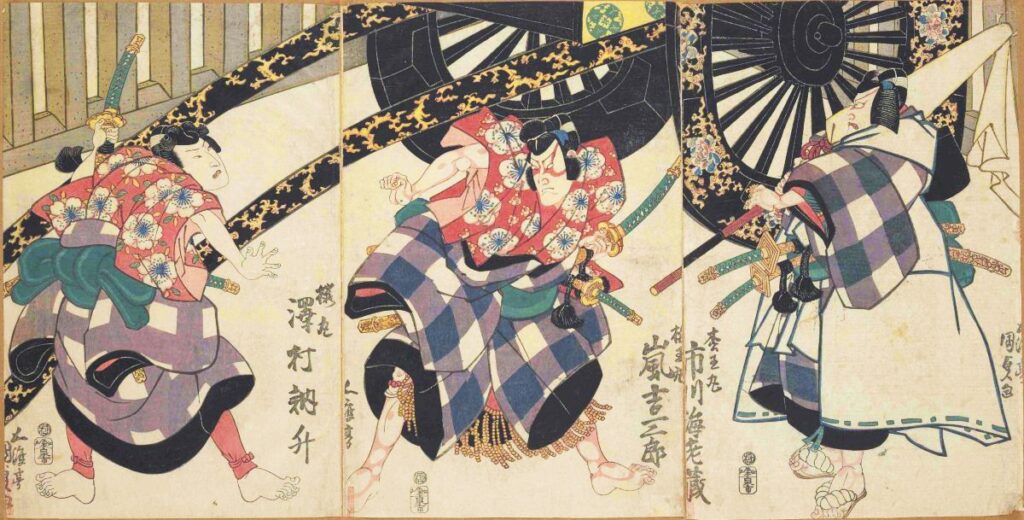
These are historical dramas featuring samurai and aristocrats, usually set in ancient times. During the Edo period, the government forbade dramatizations of contemporary events, so playwrights disguised current political themes as distant historical tales.
The jidaimono often depicts the tragic conflicts of samurai loyalty—stories in which a retainer sacrifices family or personal happiness for duty to his lord, evoking deep pathos akin to Greek tragedy. Representative works include Sugawara Denju Tenarai Kagami and Ichinotani Futaba Gunki.
Sewamono
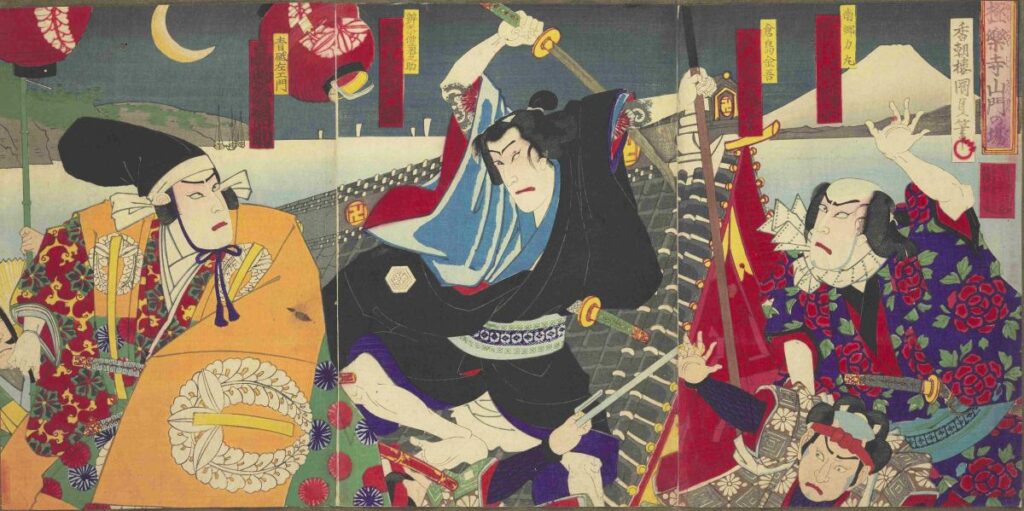
These portray the lives of ordinary townspeople, offering realistic depictions of everyday life. They often focus on the struggles of commoners, gamblers, thieves or courtesans. Famous examples are Aotozōshi Hana no Nishikie (Benten Musume Meo no Shiranami) and Yowa Nasake Ukiyo no Yokogushi.
Kabuki Buyō
Kabuki Buyō is a performance that fuses drama and dance. In the film Memoirs of a Geisha, the dance performed by the geisha played by Zhang Ziyi was one such example—Sagi Musume. However, in the movie, the choreography was rendered in an unrealistically contemporary style, which, I must confess, left me rather dissatisfied.
In Sagi Musume, a heron spirit transforms into a young woman, expressing the joy and agony of love through dance until her obsession destroys her. Such tales of passionate love and tragic death are characteristic of Kabuki Buyō. Other famous dances include Fujimusume and Dōjōji.
Shin (New) Kabuki
In recent years, screenwriters from film and television have increasingly begun creating new works for kabuki. There are now productions based on anime and video games, such as Nausicaä of the Valley of the Wind and the online game Touken Ranbu -Online-, bringing a fresh dimension to the stage.
These adaptations have attracted younger audiences who had never been exposed to kabuki before, establishing this as a new and vibrant genre within the tradition.
Which Kabuki Should I Watch First?
I recommend starting with Kabuki Buyō as it has a simple storyline and enchants with the beauty of the actors, costumes and choreography.
The most difficult type to understand is Jidaimono, but if you familiarize yourself with the story beforehand it can be followed. At the Kabuki-za Theatre, you can rent an English audio guide, which greatly helps comprehension. Still, you might leave the theater with a lingering sense of incompleteness or confusion partly since the stories are far removed from modern moral sensibilities and because most performances today are not Tōshi Kyōgen—full-length plays presented from beginning to end.
Instead, modern kabuki theaters usually stage Mitori Kyōgen, a format that extracts only the most famous scenes from various plays. These highlights are then combined into a richly varied program. For first-time viewers, it can make the heavy and complex Jidaimono themes difficult to fully grasp.
As you regularly watch kabuki, you may find yourself deeply moved by its true essence—its beauty, eccentricity and portrayal of universal human emotions that transcend both time and culture. There is a depth to it that cannot be fully appreciated after one viewing.
I encourage you to see it several times and experience even a glimpse of its profound allure. There is still so much more I would love to share with you, but let’s leave it here for now.
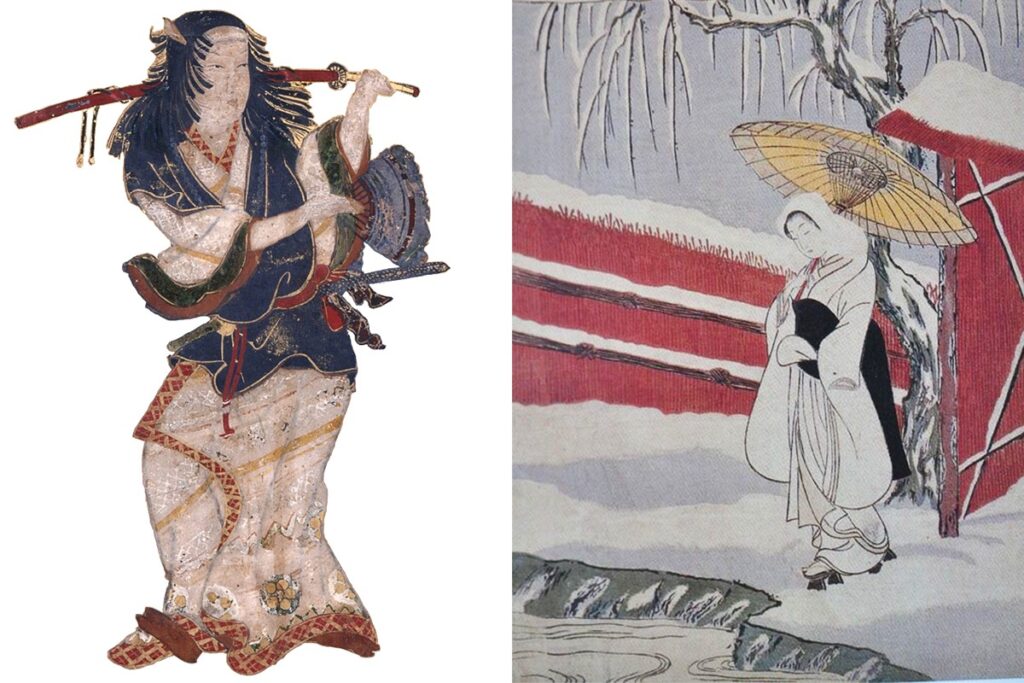
Right: Young girl in the snow by Suzuki Harunobu. Chûban nishiki-e (a popular size and style of traditional Japanese woodblock print), between 1765 and 1770
FAQ
Why are there no female actors in kabuki?
Kabuki was created by a woman named Izumo no Okuni in around 1603. However, the government eventually banned women from the stage due to concerns about public morals, leading to the development of onnagata.
What is the reason for the thick white makeup?
This tradition began in the days before modern lighting, when theaters were quite dark. Actors painted their faces pure white to make their facial expressions clearly visible to the audience, even in the dim light of candles or sunlight filtered through shutters.
What is the difference between Jidaimonoand Sewamono?
These are two major genres of plays. Jidaimono are historical dramas set in the past, often featuring samurai and themes of loyalty and duty. In contrast, Sewamono are realistic stories about the lives of ordinary townspeople, often depicting romance or the struggles of daily life during the Edo period.
Are there any modern kabuki plays?
Yes, there is a vibrant genre called Shin Kabuki. Recently, screenwriters have adapted popular anime and video games, such as Nausicaä of the Valley of the Wind and Touken Ranbu, creating exciting new works that attract younger audiences to the theater.
Now that you know what kabuki is, in Part 2, I will explain how to make the most of your experience when you actually go to see a performance. The theaters are quite different from Western ones, and knowing a few tips in advance will help you enjoy them even more.
I’ll share practical advice and insights to deepen your appreciation of kabuki. Once you know how to enjoy it, it’s sure to become a truly rich and rewarding experience.
To Learn More About Kabuki
Please see the book below. Written in English, it features beautiful visuals that will make your reading experience enjoyable and enriching.
バイリンガルで楽しむ 歌舞伎図鑑 / Photographic Kabuki Kaleidoscope: in Japanese and English
This book showcases costumes, wigs, hair ornaments, props and stage sets through vivid color photographs. It also includes numerous stage photos, making it a delight to browse through.
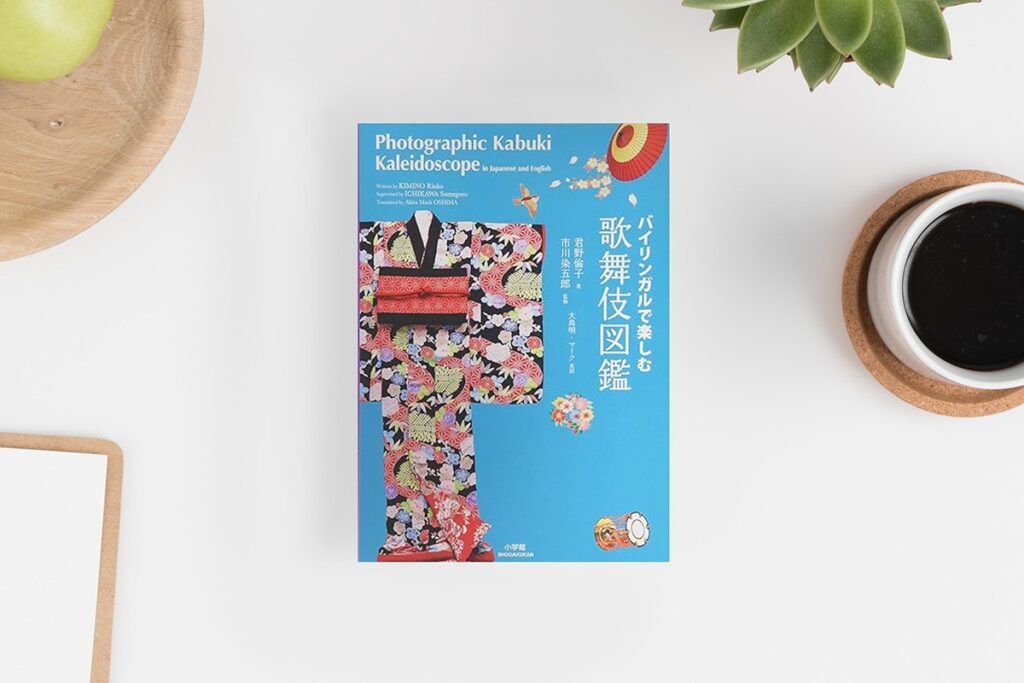
You can fully appreciate the world of Kabuki—rich with traditional Japanese design motifs—through its stunning visuals.
Published by Shogakukan.
Photographic Kabuki Kaleidoscope: in Japanese and English(Shogakukan).
https://amzn.to/4o6lFFC
If you enjoyed this article, please let us know and share your thoughts at hello@goconnect.jp.