
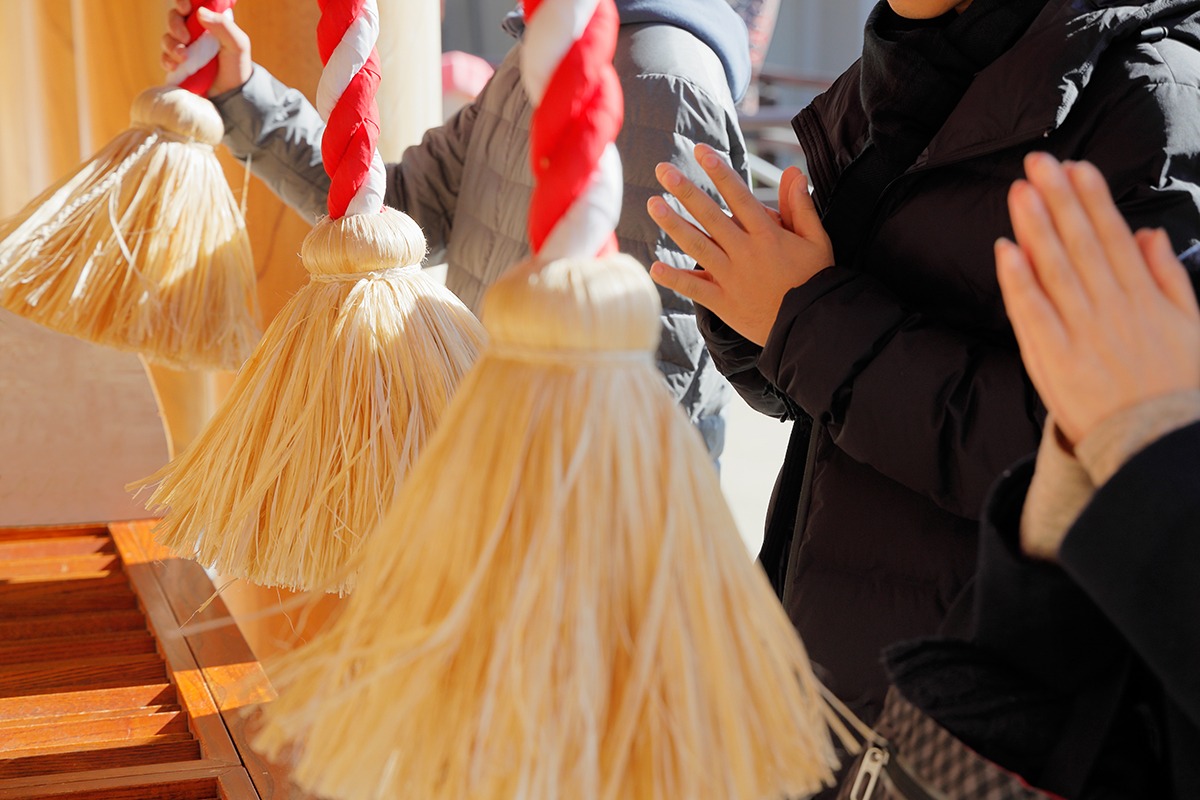
Celebrate Shōgatsu Like a Local: Japanese New Year Traditions
Known as shōgatsu (New Year) or shōgatsu matsuri (New Year’s Festival), the beginning of the year is a deeply significant moment in Japanese culture. On Jan 1-3, locals enjoy a time of rest, cleansing, family gatherings and special cuisine. During this period, most businesses shut down, encouraging people to reflect on the past and prepare for the year ahead.
If you’re ready to participate in these Japanese New Year traditions, this guide explores how to celebrate shōgatsu with the authenticity of a local.
Hatsumode: First Shrine Visit
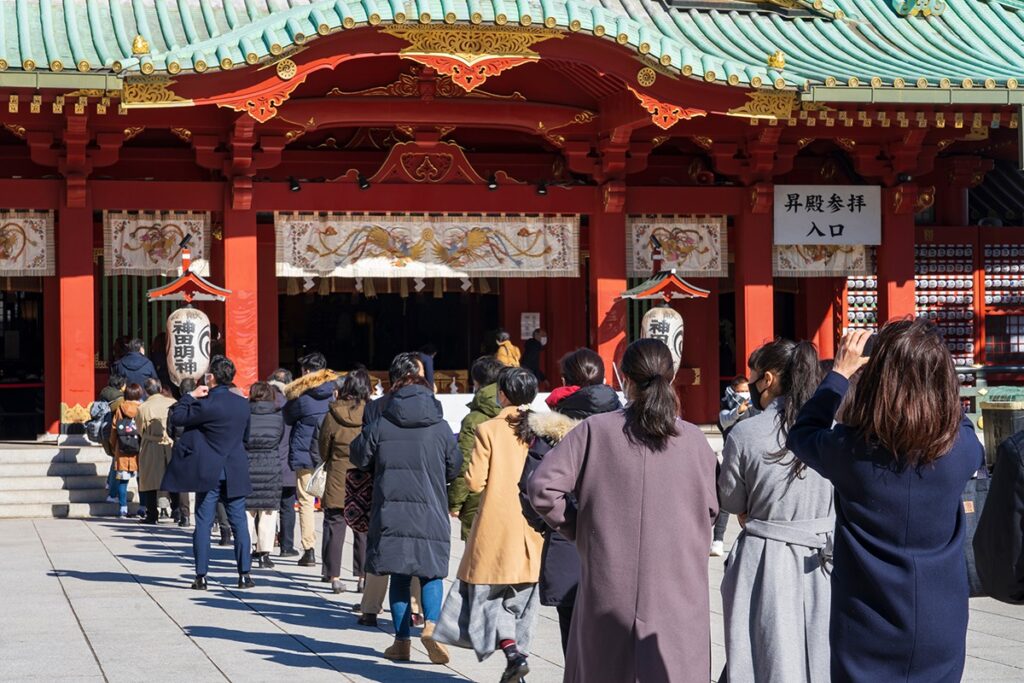
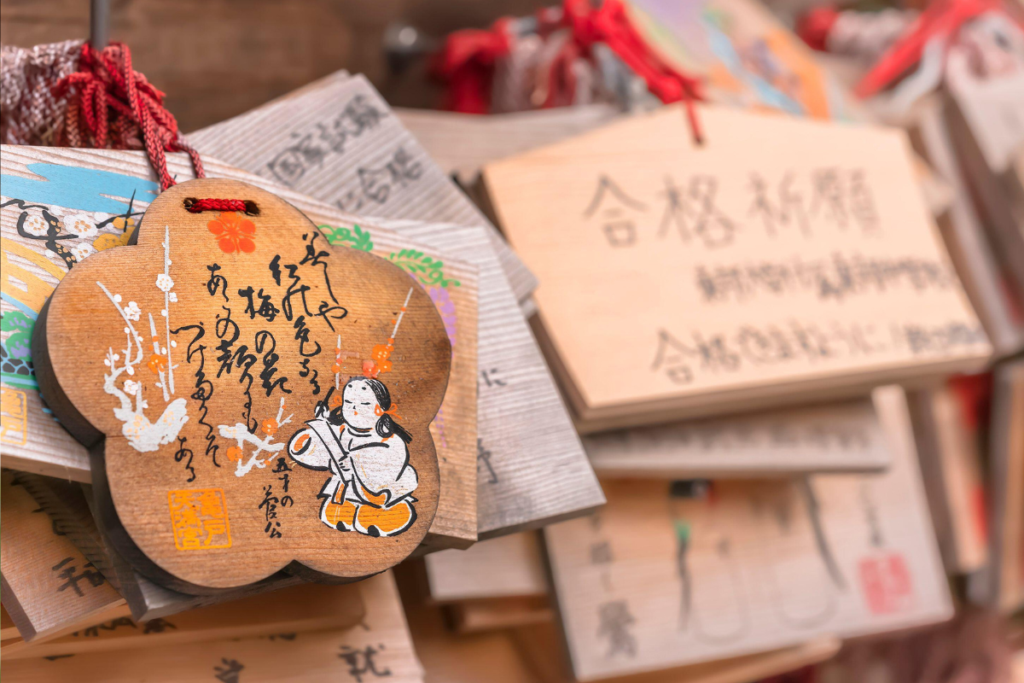
Hatsumode (初詣) is the tradition of making the first visit of the year to a Buddhist temple or Shinto shrine. This national custom, embraced by people of all backgrounds, is a time to pray for good fortune, health and happiness while expressing gratitude for the past year. During a visit, participants often perform traditional customs, such as rinsing their hands and mouth, or writing wishes on ema (wooden plaques).
For those celebrating in Tokyo, there are many locations frequented by locals. Popular choices include the Meiji Shrine, Sensoji Temple and Yasukuni Shrine, though these can get extremely crowded around midnight. For a quieter experience, locals often choose niche alternatives such as Gokoku-ji or Hie Shrine.

Hatsuhinode: First Sunrise of the Year
Distinct from shrine visits is hatsuhinode, observing the first sunshine of the year. People gather at key vantage points to welcome the new sun with their loved ones. In Tokyo, well-known spots for this tradition include Osanbashi, Tokyo Skytree, Mt. Takao and Miura Beach.
Omikuji: Finding Your Fortune
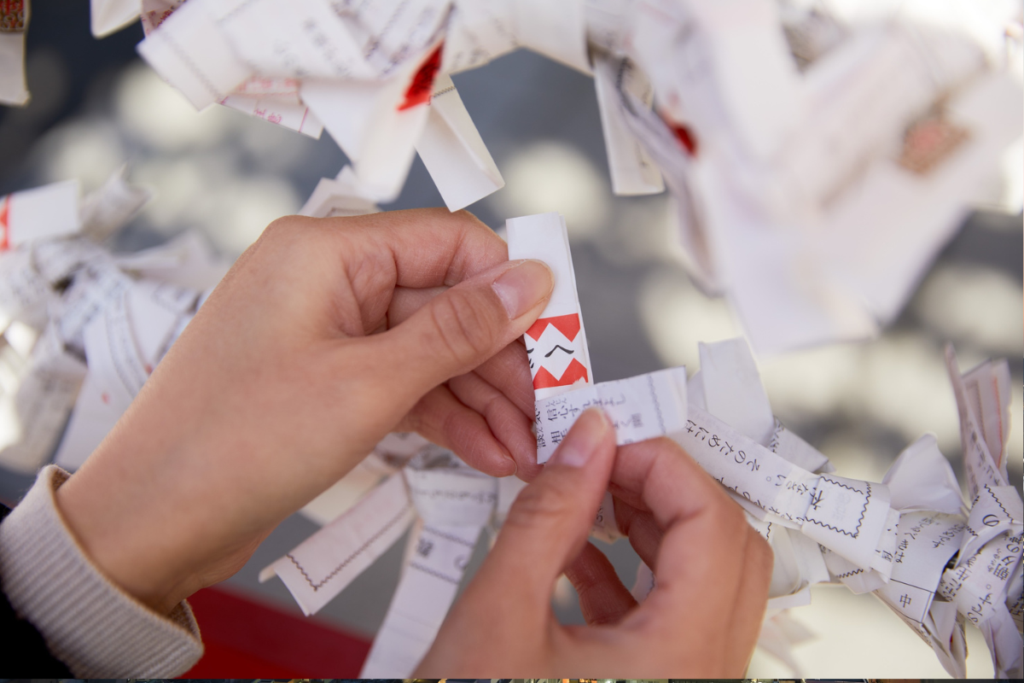
Drawing an omikuji fortune slip is a common ritual when visiting temples or shrines in Japan. Once used to seek divine guidance for major decisions like leadership or policy, this practice evolved into a personal tradition during the Kamakura period (1185-1333).
A typical omikuji includes a poem and predictions for your near future. While many are simple paper slips, some shrines and temples have elevated this tradition by transforming them into beautiful keepsakes or collectibles.
Traditional New Year Foods: Soba and Osechi
Food plays a central role in Japanese New Year traditions, with each dish carrying deep symbolism for the year ahead.
On New Year’s Eve, it is customary to eat a bowl of toshikoshi soba (Year-Crossing Noodles). The long buckwheat noodles represent longevity, while their easy-to-cut texture symbolizes letting go of the past year’s hardships. It is important not to leave any noodles behind, doing so is believed to carry bad luck into the new year.
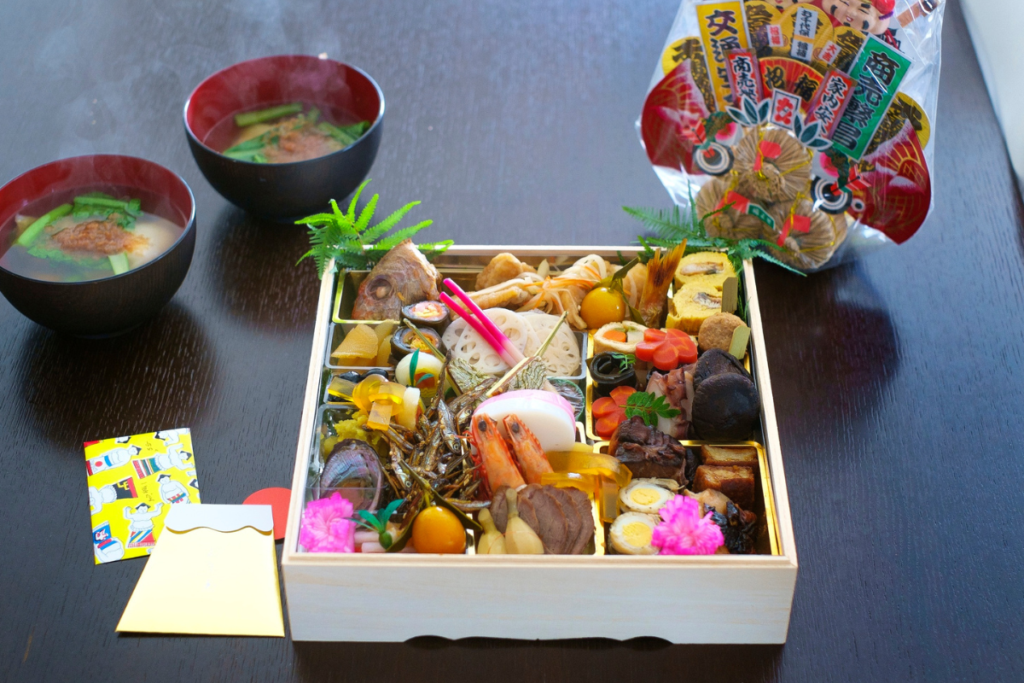
On New Year’s Day, the focus shifts to osechi ryori (New Year’s Feast), a beautifully arranged multi-layered bento box filled with auspicious foods. Traditionally prepared in advance to last several days, osechi features pickled, stewed and candied items to ensure preservation, meaning you generally won’t find warm dishes inside. While modern versions may include sashimi or meat, the spirit remains a feast of gratitude and good fortune.
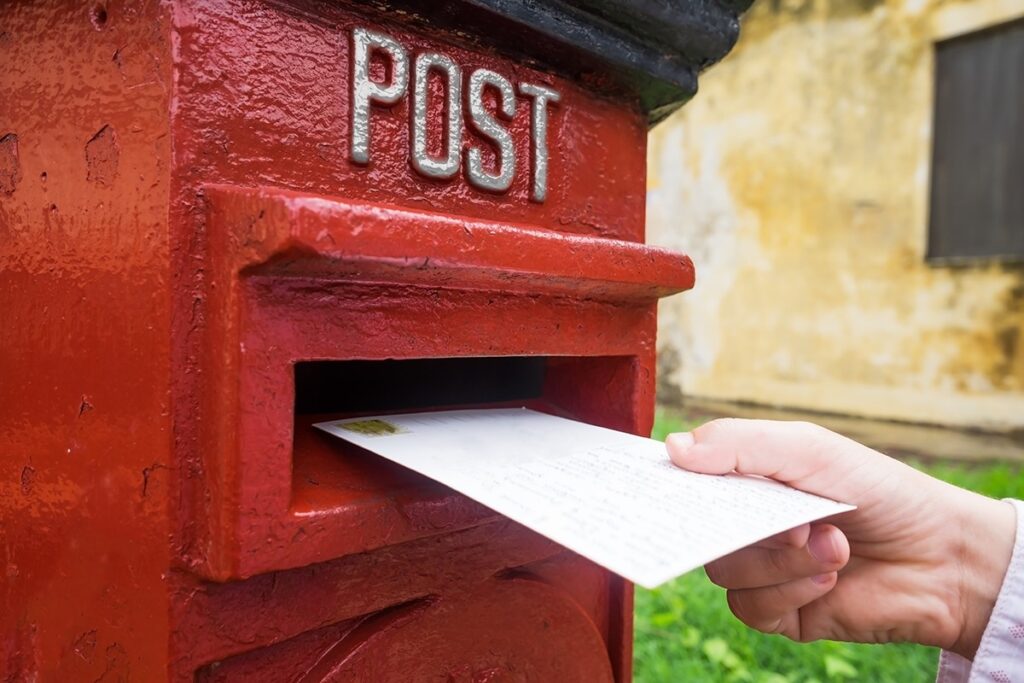
Nengajo: Sending New Year Postcards
While Japan embraces modern technology, some Japanese New Year traditions remain delightfully analog, such as nengajo, or New Year’s postcards. Similar to holiday cards, these are sent to friends, family and businesses to show appreciation.
Despite digital alternatives, many people eagerly await the delivery of a bundle of nengajo on Jan 1. Sending a card is a simple way for visitors and residents to connect with this cherished custom.
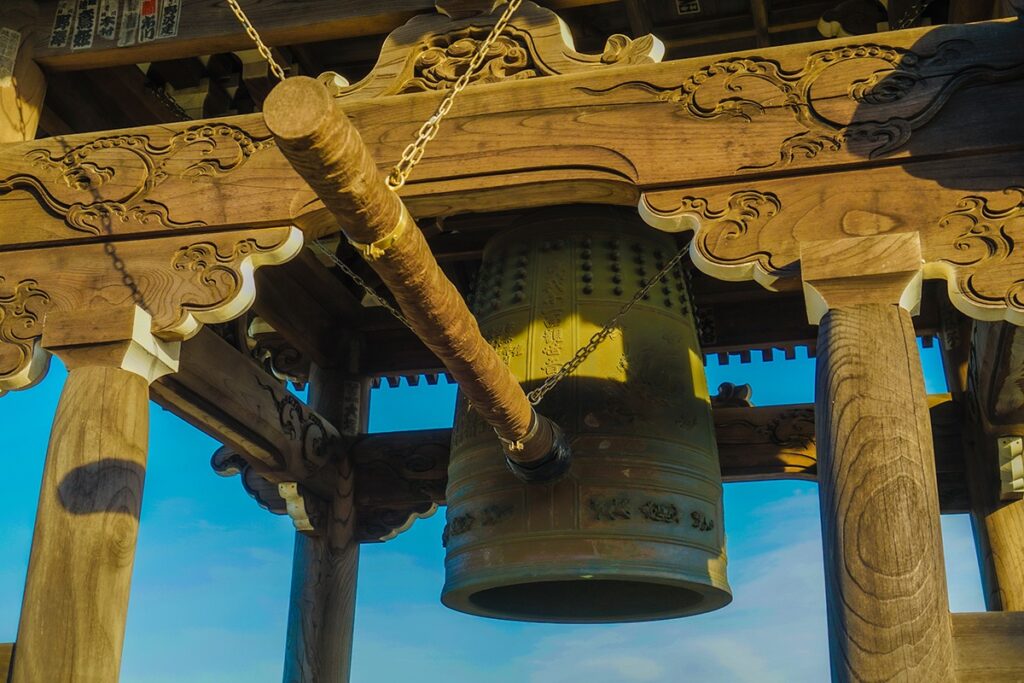
Joya no Kane: Ringing the Bells
Joya no Kane (midnight bell) is a beloved Buddhist New Year tradition. When midnight arrives, Buddhist temple bells are rung exactly 108 times to purify people as they enter the New Year. The number 108 represents the 108 earthly desires in Buddhism. One of the most famous locations is Chion-in Temple in Kyoto, known for a massive bell that requires 17 monks to ring it.
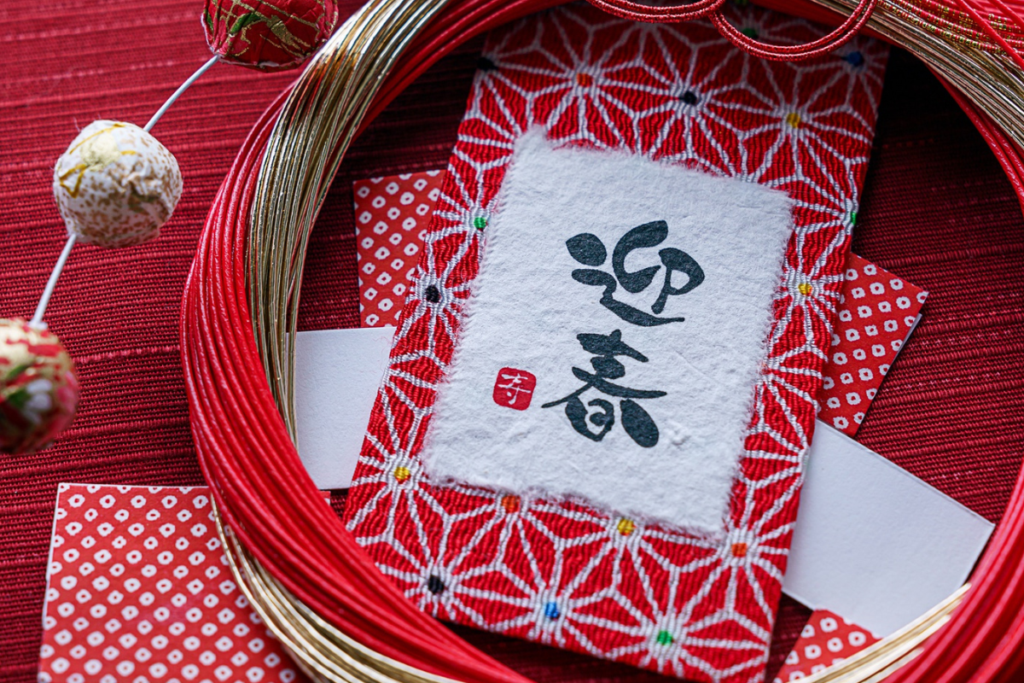
Shitsurai: Traditional Home Decorations
To invite good fortune, homes and offices are adorned with specific crafts and arts, a practice known as shitsurai. Before decorating, spaces are cleansed with ōsōji or, a thorough year-end cleaning to clear away the old year’s misfortune.
Once the home is purified, specific items are displayed. Kadomatsu (pine and bamboo arrangements) are placed at entrances to symbolize longevity and strength. Shimenawa (sacred straw ropes) are hung to mark purified spaces and ward off evil. Inside, Kagami Mochi (stacked rice cakes topped with a daidai orange) represents harmony and continuity.
Timing is crucial for these Japanese New Year traditions. Preparations usually begin after Dec 13, with Dec 28 considered the most auspicious day to decorate. It is important to avoid the 29th (associated with suffering) and the 31st (considered disrespectful “last-minute” decorating). Decorations are typically removed around Jan 7.
Conclusion
Shōgatsu is more than a holiday, it’s a heartfelt reset that blends reflection, gratitude and joyful celebration. From local New Year’s Eve traditions such as joya no kane and toshikoshi soba, to hatsumode shrine visits and meaningful decorations, the Japanese New Year invites everyone to slow down and begin again with intention. Whether you’re watching the first sunrise or simply taking part in local events, celebrating shōgatsu like a local offers a rare glimpse into Japan’s deep cultural values and warm sense of renewal.
FAQ
When is Japanese New Year celebrated?
Japanese New Year, or Shōgatsu, is celebrated from Jan 1 – Jan 3. During this time, most businesses close to allow families to gather and rest.
What do the 108 bells on New Year’s Eve mean?
The ringing of temple bells 108 times, known as joya no kane, represents the purification of the 108 earthly desires taught in Buddhism. This ritual takes place at midnight on New Year’s Eve.
What is the difference between hatsumodeand hatsuhinode?
Hatsumode is the first visit to a shrine or temple to pray for the year, while hatsuhinode is the act of observing the first sunrise of the year for good luck.
When should New Year decorations be displayed in Japan?
Decorations such as kadomatsu and shimenawa are best displayed on Dec 28. You should avoid decorating on Dec 29 (associated with suffering) and Dec 31 (considered last-minute and disrespectful). Decorations are generally removed on Jan 7.
To discover more ways to celebrate like a local and stay updated on the latest events and cultural insights, subscribe to the GoConnect newsletter today.
If you enjoyed this article, please let us know and share your thoughts at hello@goconnect.jp.