
Making the right connections: Tokyo train system (Part Two)
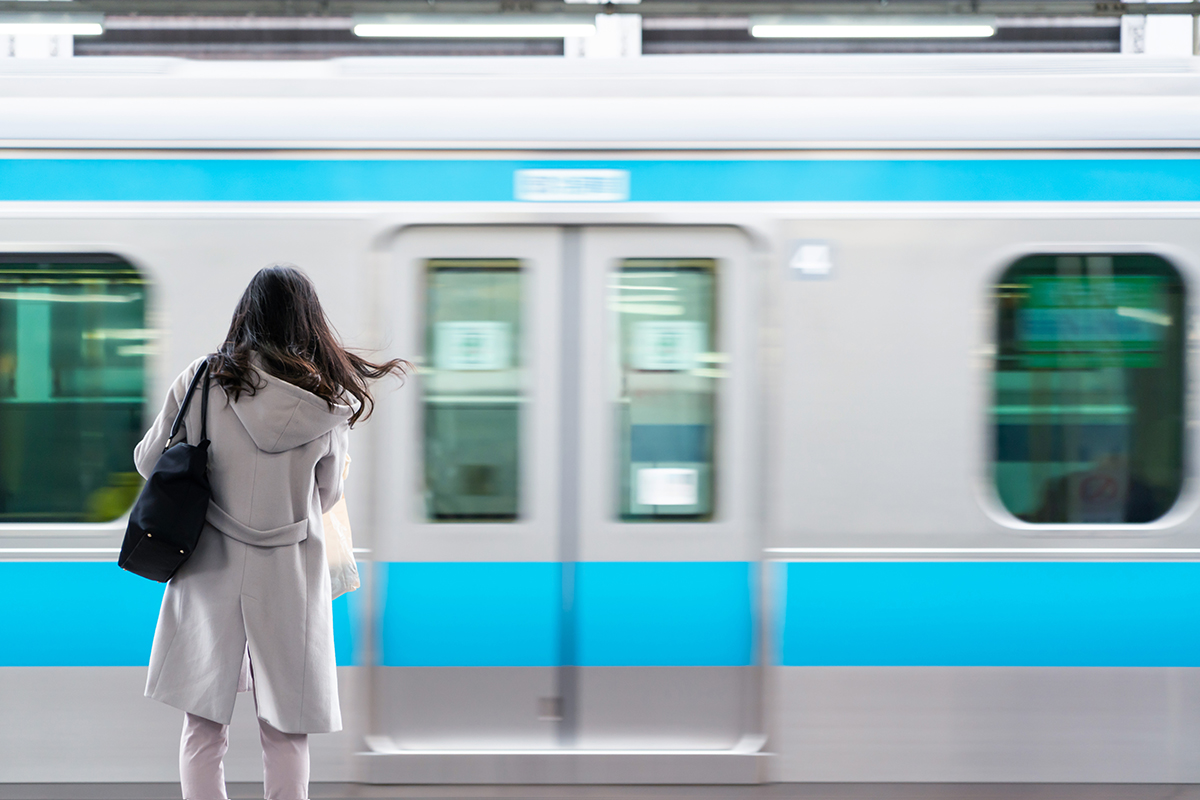
The comfort and ease of travel within Tokyo is a hallmark of the city’s cutting-edge rail transit. This system is pure Japanese ingenuity, and it takes you to and from each of Tokyo’s many unique attractions, just beyond the exit gates.
Trains to trends
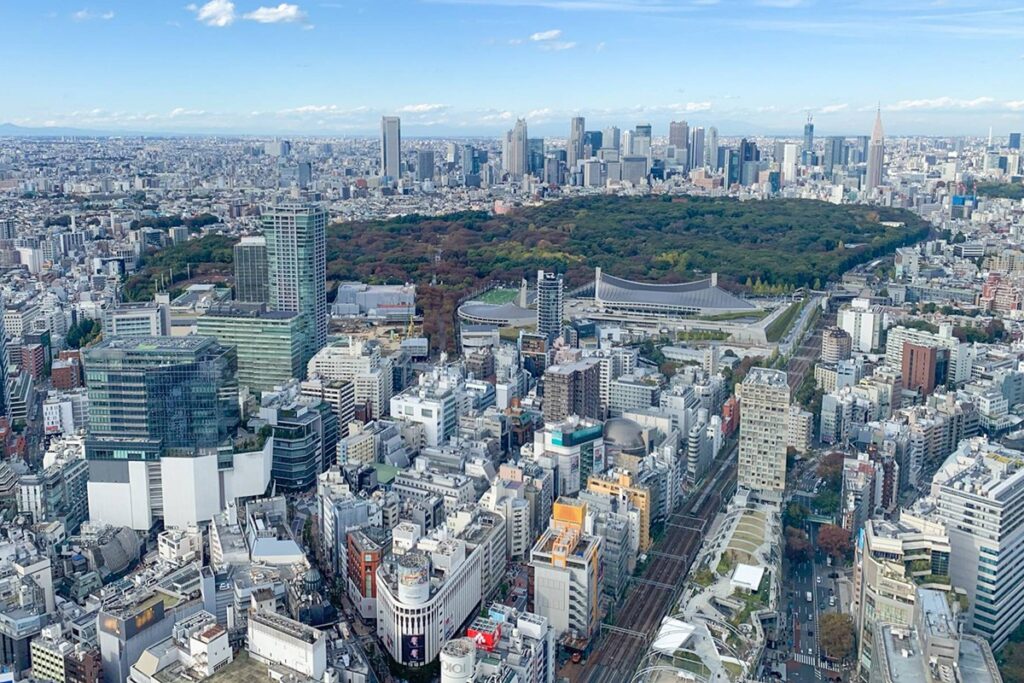
Meiji-Jingumae Station is used by more than 100,000 daily commuters and is a funnel for high-end shoppers and diners headed to Omotesando-dori, and for the young fashion-obsessed crowd descending on vibrant Harajuku. Takeshita-dori sells aesthetics: from giant-sized rainbow cotton candy and colorful accessories to spiked leather jackets and piles of punk clothing overflowing onto the street. At the end of the hilly avenue is an incredible selection of sneakers, and Fool’s Judge resale store that holds exclusive and limited-run releases. Other merchants occupying the same somewhat hidden sneaker district are Atmos, Billy’s and Kick’s Lab.
Sightseers to the majestic Meiji Jingu can also use JR Harajuku Station at the east end of Omotesando-dori. The station even has a dedicated platform for the Imperial Family residing nearby at the Palace and even a moat, albeit one unused since 2001. The shrine covers a vast swath of forest, over 700,000 square meters, and was established in 1920 to commemorate the virtue of Emperor Meiji and Empress Shoken who laid the foundation for modern Japan. There are 234 different varieties of trees, each of which were donated and chosen based on how they would look after centuries had passed. Being considered a sacred forest, when trees fall over, they are left as they are, to return to the soil.
The heart of Tokyo’s rail system
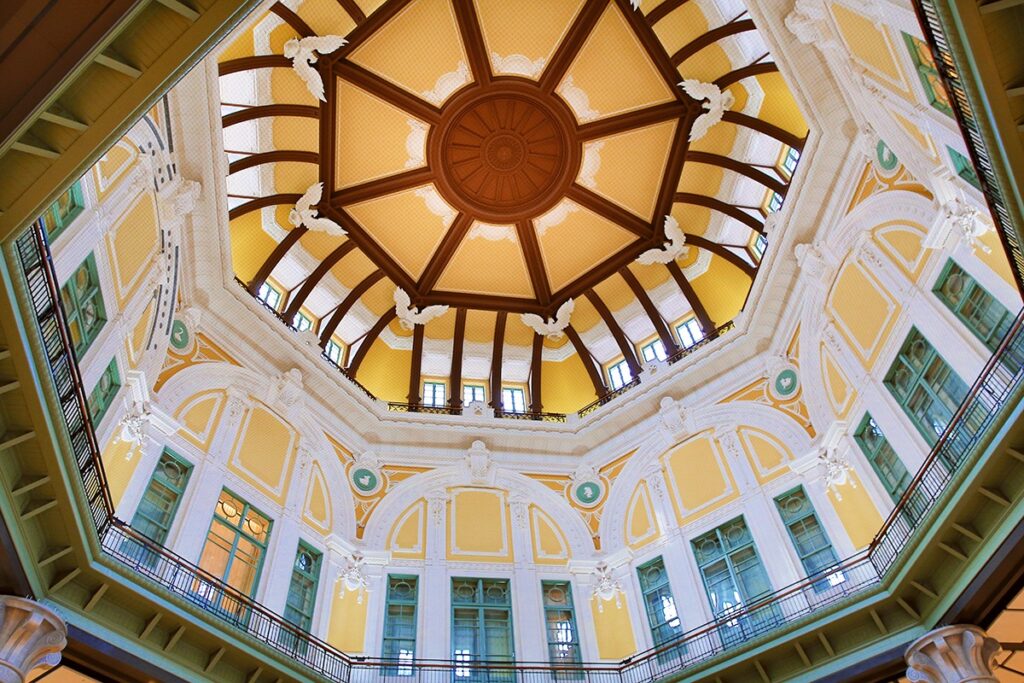
Tokyo Station’s original building was known for its iconic red and white brick design, which was inspired by Amsterdam’s Central Station. It has been restored to its former splendor after seriously being damaged during World War II. The elegant Neo-Baroque inspired ceilings under the large domes are one of the highlights — their warm yellows and unique eagle and zodiac designs giving the space a grand feeling.
Appealing to tourists from abroad, the station’s Tokyo Character Street is filled with shops selling official Japanese character goods ranging from a Pokémon Center and Ghibli store to the classic Shonen Jump anime series and the latest pop culture characters. If you venture outside, across from the Marunouchi North Exit, there is the Marunouchi Oazo complex’s Maruzen bookstore which includes an extensive foreign language book section.
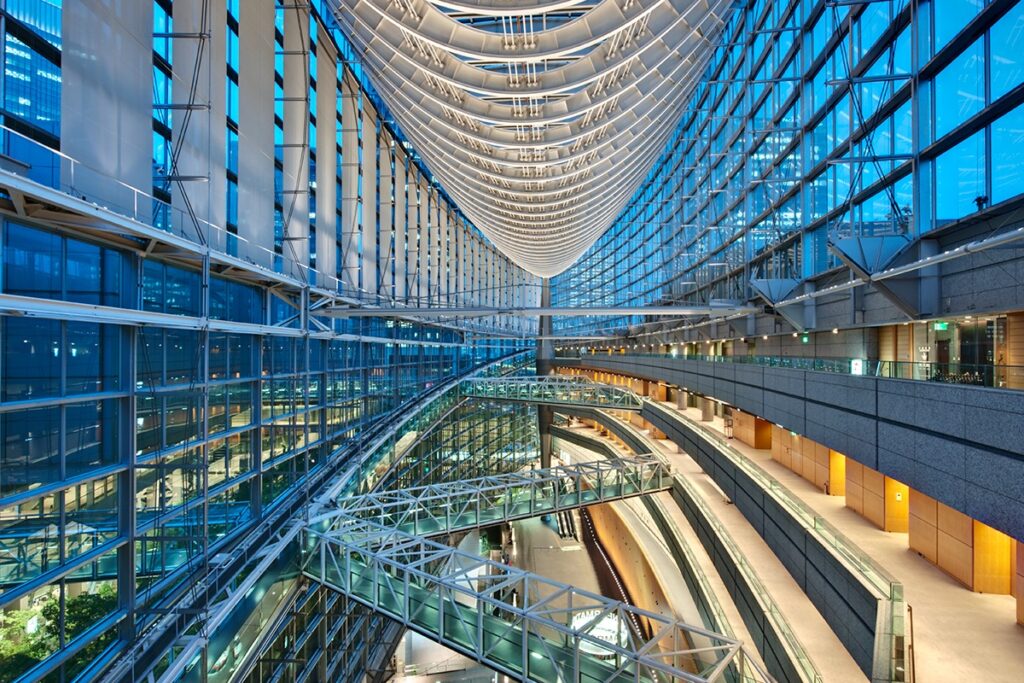
For more scenic strolls, connected by the revamped wide Promenade is the Imperial Palace East Gardens at the opposite north end. Also, the station’s southern Yaesu exit leads to the Tokyo International Forum with its eight halls and 31 conference rooms under a giant glass atrium and the three separate two-story buildings of Coredo Muromachi One, Two, and Three — filled with shops and restaurants from other prefectures and foreign countries.
Tokyo’s heartbeat: Metro and JR Lines
Tokyo underground networks cover the capital city with more than 280 stations. The Tokyo Metro is the largest operator of many of the subway lines, and provides nine lines covering 195 kilometers of track between 180 stations, handling nearly 6.52 million passengers a day.
Another major subway carrier in Tokyo is Toei, operating 106 stations for four lines: Asakusa, Mita, Shinjuku, and Oedo. In 2023, they served an average of about 2.48 million passengers every day. Meanwhile, the Keio line will take you out west to the hiking area of Mount Takao and connects directly with the Toei Shinjuku subway line. The Odakyu will take you southwest towards the hot spring town of Hakone, as well as connecting you to the Chiyoda subway line on the Tokyo Metro.
Finally, the JR lines are where you can use your Japan Rail Pass, and offer travel beyond Tokyo. The busiest of these lines is the JR Yamanote Line, which covers 34.5 kilometers and consists of 30 stations. It loops through central Tokyo, continuously visiting the busiest parts of the city. Millions of commuters and tourists board trains daily that run every two to four minutes, from approximately 4:00am to 2:00am the next day. Rush hour is between 7:30 am-9:30 am and 5:30pm-7:30pm.
Stranger travels: by bird and hippo
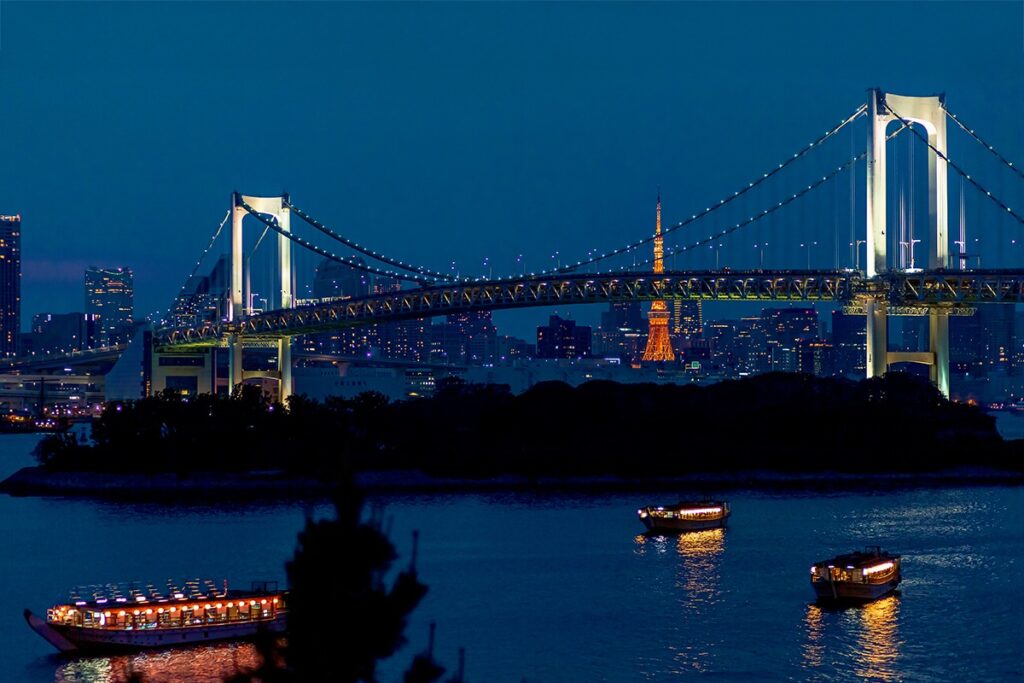
The Sky Duck and Tokyo no Kaba are two amphibious vehicles that not only travel the streets but also make an exciting plunge into Tokyo’s waterways. The Sky Duck picks up speed down a slope as it plunges into the water at the splash point. A huge plume of water engulfs the front of the boat, like a water ride at an amusement park. Then the Sky Duck switches to its boat mode, from its bus mode, and proceeds on a course that passes under Rainbow Bridge. The complete route takes about 50 minutes. Another route option is to the 634-meter-high Tokyo Skytree, the world’s tallest radio tower, and Kameido Tenjin Shrine, known for its seasonal flora. The tour takes about 90 minutes. As of September 2025, this course is temporarily suspended.
The Tokyo no Kaba makes a splash like a hippo, or “kaba” in Japanese, in Tokyo Bay waters. You share the bay with ocean-going cruise ships, ferries, and yakatabune traditional pleasure boats with their bright red paper lanterns on their exterior. The 35-minute course is accompanied by a guide. You board at Aqua City in Odaiba, passing by iconic Tokyo skyline sights like the Rainbow Bridge and Diver City.
Whether it’s by rail, subway or boat, there’s a myriad of ways to experience the beauty of Tokyo. The only question is where you’ll see it from.
To stay updated on more insights about life in Japan, subscribe to the GoConnect newsletter.
If you enjoyed this article, please let us know and share your thoughts at hello@goconnect.jp.