The Power of Japanese Fashion Around the World
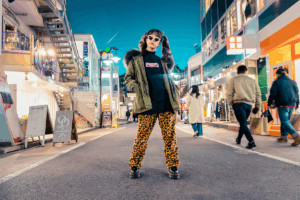
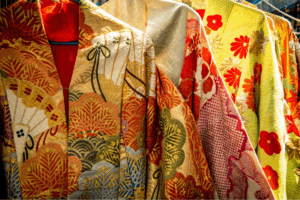
Japan is renowned for its strong cultural identity, especially within fashion. From kimonos to tabi shoes, Japanese fashion is unique and recognizable among so many others. The country is also known for being one of the most fashionable places in the world, with areas like Harajuku and Shibuya overflowing with young people in eccentric outfits.
This unique style and way of dressing inevitably sparked interest worldwide, inspiring many designers. But how did Japanese fashion become this popular and the powerhouse it is today?
Table of Contents
- Brief History of Japanese Fashion in the World
- Harajuku: The Epitome of Japanese Fashion
- Beyond Clothes: High-Tech Clothing and Innovations
- Social Media: The Impact Worldwide
Brief History of Japanese Fashion in the World
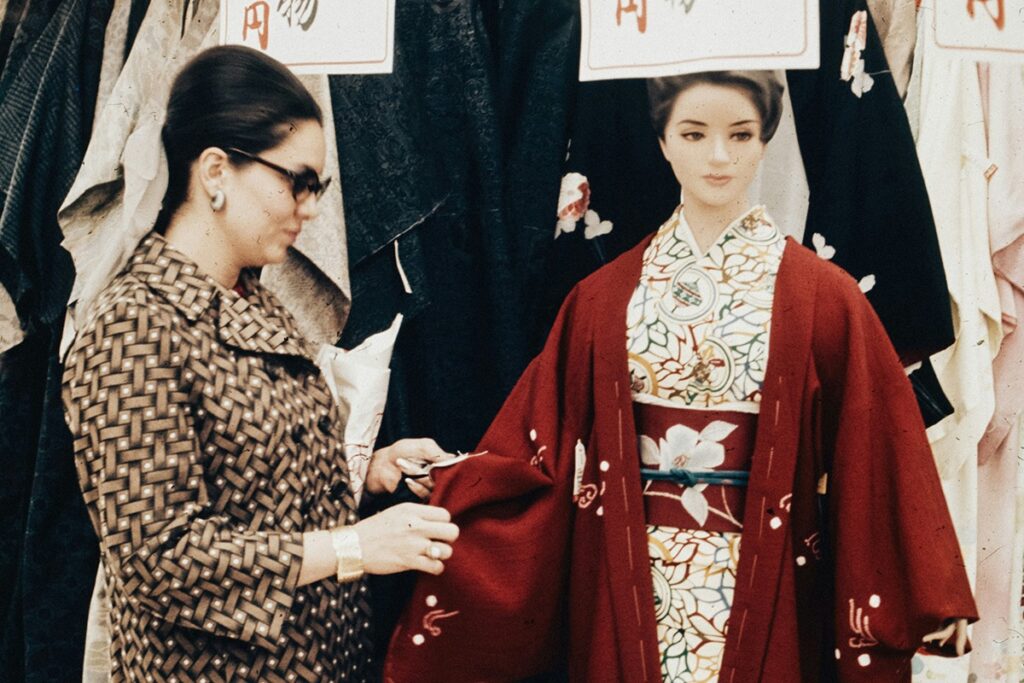
It all began when Japan reopened to the world in the late 19th century. French critic Philippe Burty coined the term “Japonisme” to describe the craze around Japanese arts and designs in Paris. This rediscovery had an enormous influence on Western design, paving the way for Japanese culture to slowly take over the world.
The real turning point was in the ’70s and ’80s when multiple Japanese designers like Kenzo Takada, Rei Kawakubo and Yohji Yamamoto decided to settle in Paris and bring their unique aesthetics to the French capital. Their avant-garde designs, extensive use of black and baggy fits broke Western norms, creating looks never before seen in Europe. They rapidly became a source of inspiration for French designers, who were intrigued by their unique pieces.
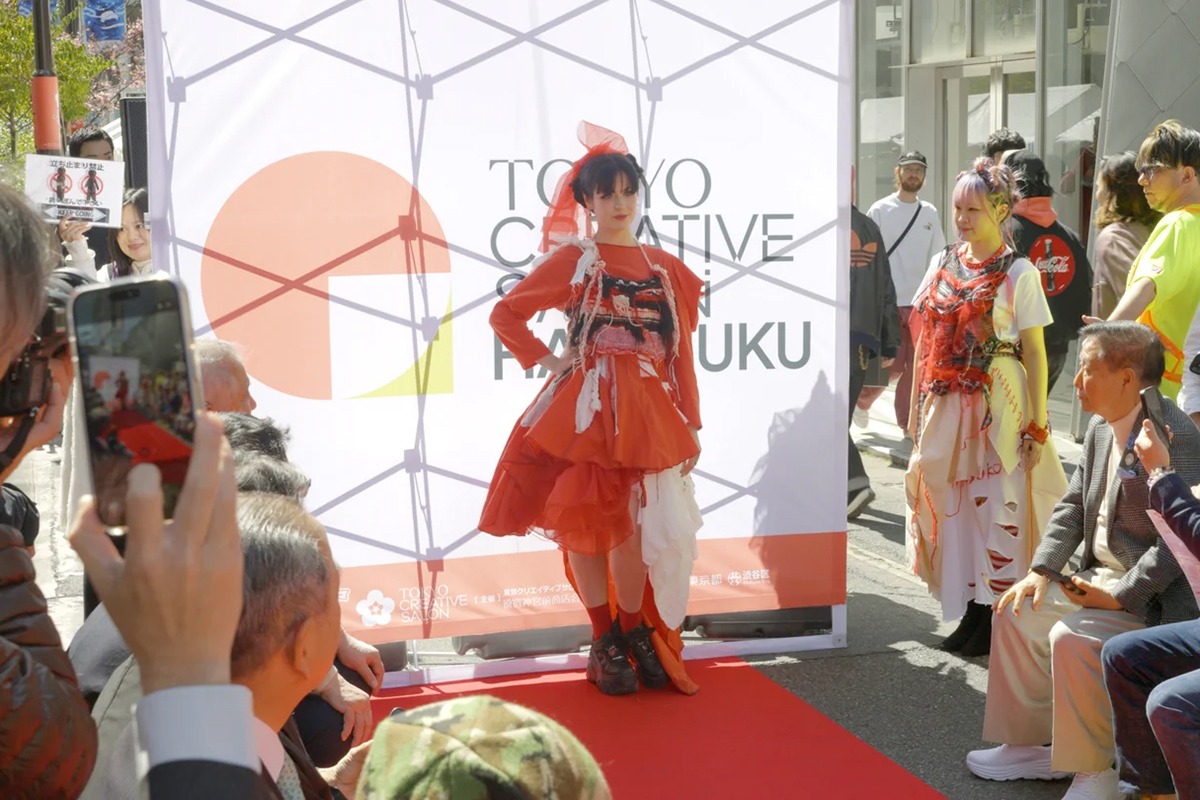
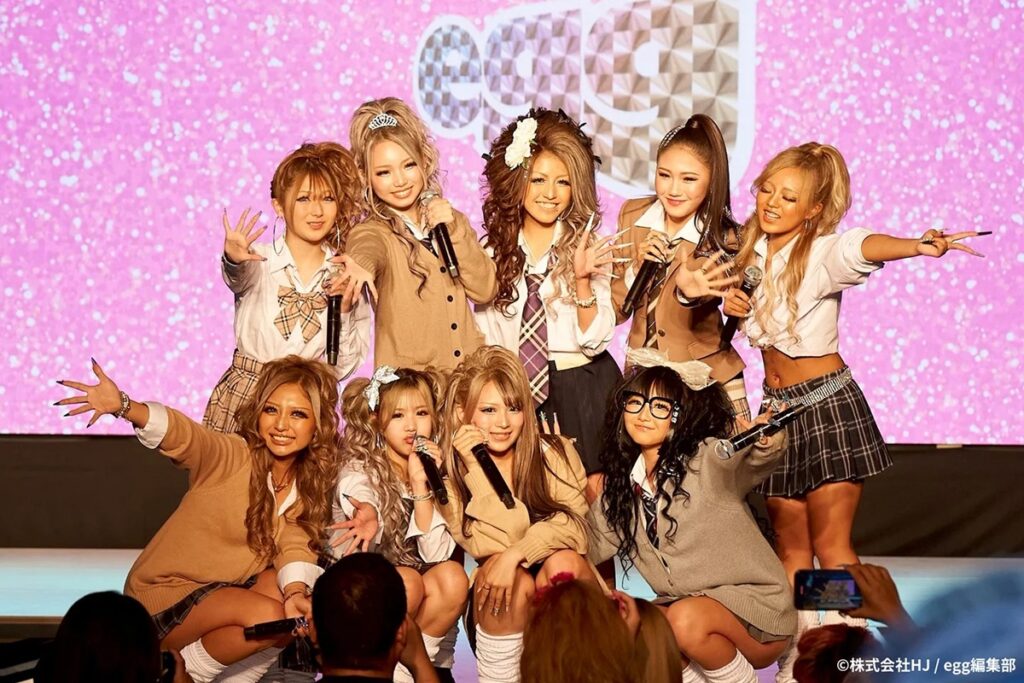
More recently, Gyaru and punk fashion appeared on the streets of Harajuku. Passersby could see eccentric makeup, bleached hair and bold outfits. These unique subcultures slowly gained international recognition as Japan became an increasingly attractive tourist destination.
Harajuku: The Epitome of Japanese Fashion
Harajuku is Tokyo’s primary alternative fashion district, located in the Shibuya ward. It serves as the birthplace for globally recognized subcultures like Lolita, Visual Kei, and Gyaru.
These looks became popular for their uniqueness, their focus on self-expression and their departure from traditional norms. Global fashion trends are leaning toward more personal freedom and individuality; this is why Harajuku fashion started exporting internationally, as people recognized and connected with those values.
Additionally, Fruits magazine, started in 1997, helped spread these styles. This monthly editorial piece focused on street-style fashion found around Tokyo, especially looks outside of the mainstream and within niche subcultures. Photographs from the magazine became popular in the fashion community, bringing Japanese fashion into the spotlight in the West.
Beyond Clothes: High-Tech Clothing and Innovation
Japanese fashion goes beyond visuals; it extends to textile science. The popularity can also be explained by how some Japanese brands develop unique materials to create certain textures or functions that take years to replicate. By blending craftsmanship with engineering, Japanese brands turned garments into wearable technology.
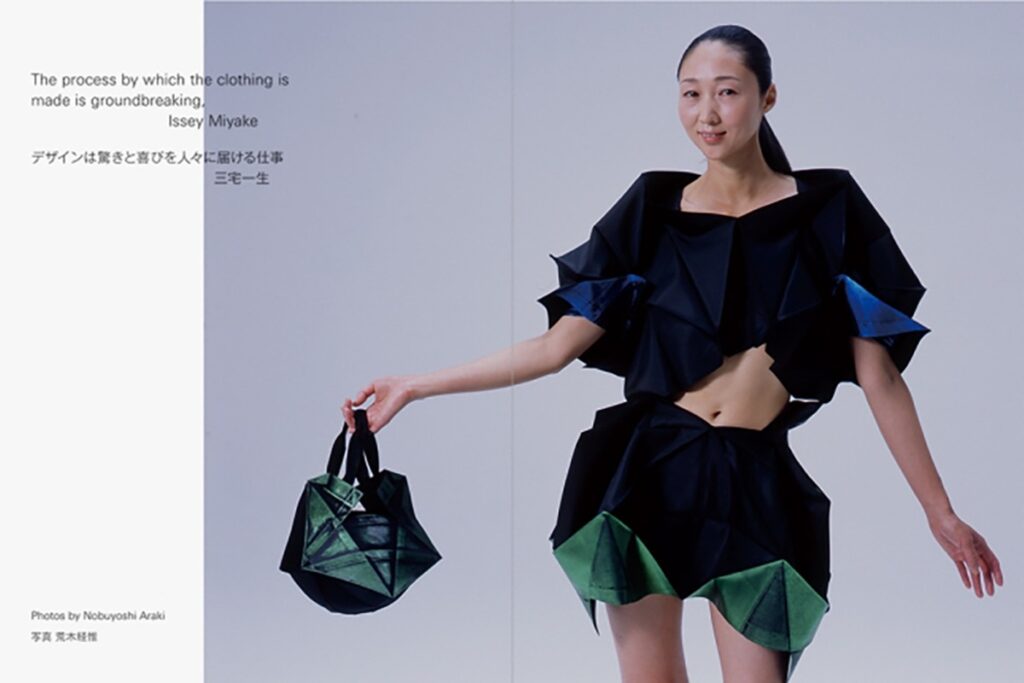
Issey Miyake’s Pleats Please, launched in 1993, is the perfect example. Traditionally, fabric is pleated first before being cut and sewn. In this process, however, the garment is cut and sewn in an oversized shape before being compressed in a heat press. It creates permanent pleats, making a unique garment that never wrinkles, dries quickly and is very light. That technology resolves the “high maintenance” issue of luxury fashion, allowing for effortless sophistication for the customer.
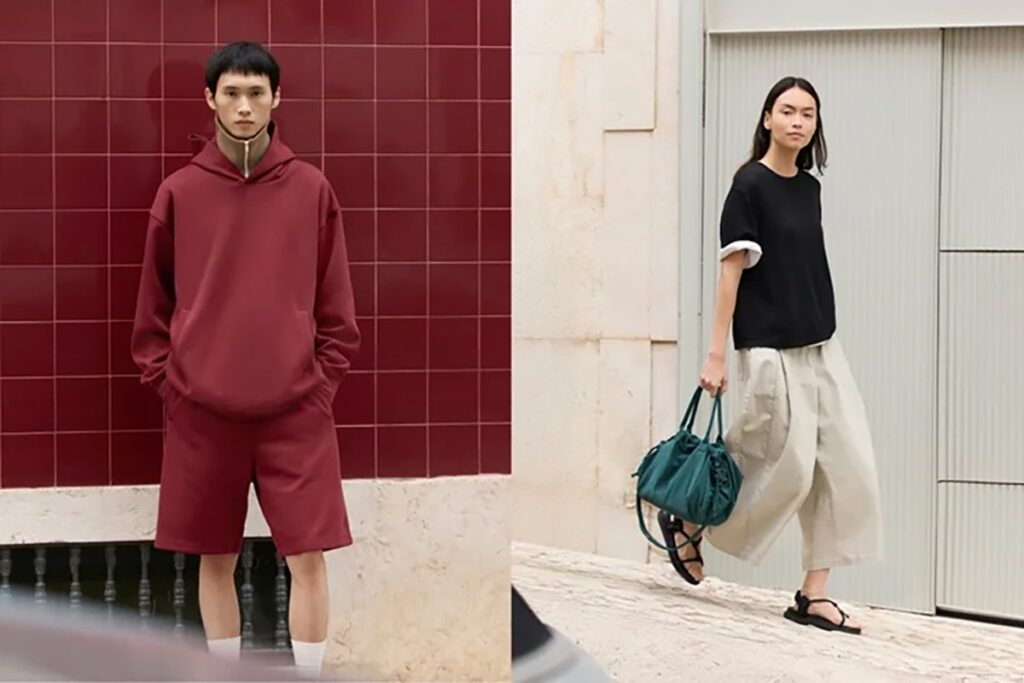
A more accessible brand, Uniqlo, also created innovative clothing to make people’s lives more comfortable. To endure rough winters, its Heattech line, which premiered in 2003, uses special fibers that trap moisture from the body and convert that kinetic energy into thermal heat. In contrast, its Airism line uses cupro (a regenerated cellulose fiber from cotton linters) and ultra-fine micro-polyester to wick away moisture, mirroring a skin-like texture.
Social Media: The Impact Worldwide
One of the main drivers of this popularity is social media. In recent years, fashion content has become popular online, providing a way for people to express themselves and share their looks with a wider audience. Japanese fashion became popular for its stark contrast to typical Western fashion. Designs are creative, fits are different with more flowy and oversized cuts, and clothes are either very colorful or completely black. Those differences are intriguing to audiences who are always looking to be unique and wear something out of the ordinary.
Quickly, thousands of Pinterest boards and videos showcasing Japanese-style outfits appeared and became extremely popular. People would visit Japan and share their favorite shops, film hauls of their finds and collect photos of their best-loved street styles.
That attention led to an even greater increase in popularity, which can be seen as positive for Japanese brands. Unfortunately, it also created issues: queues in front of stores, inventory shortages and rising prices. Also, the weak yen pushed tourists to consume and buy more while in Japan, worsening the situation. Sometimes, popularity comes with negative side effects.
Japanese fashion will definitely maintain its popularity; the impact it has created throughout the years is deeply rooted. Unique designs, subcultures and innovation have enabled the country’s fashion scene to be influential all over the world.
FAQ
What are the upcoming trends?
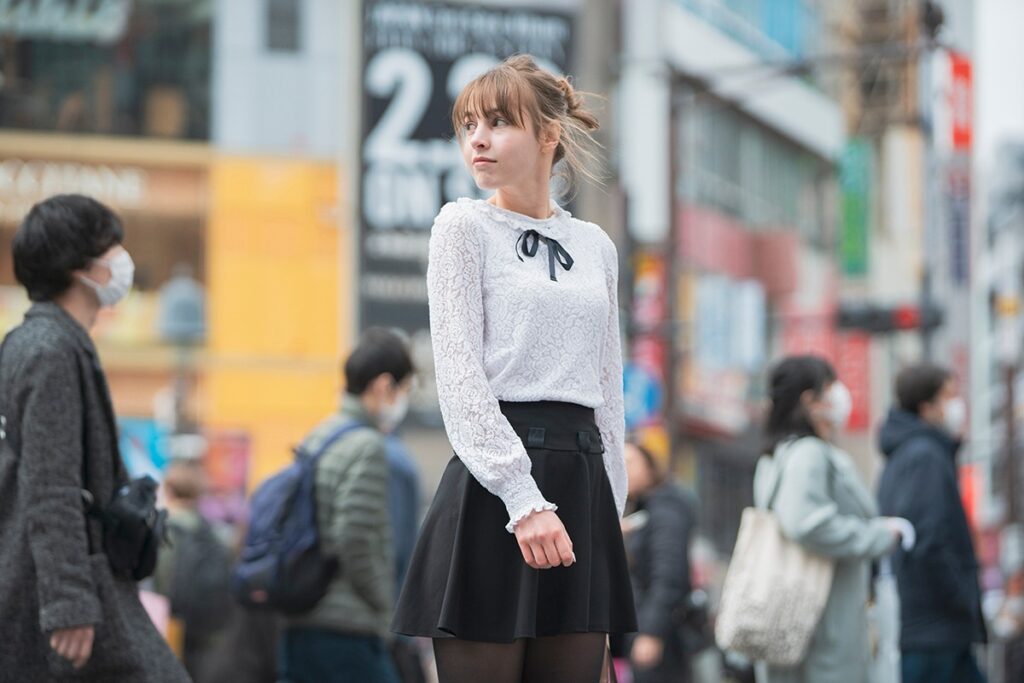
Recently, Japanese fashion has headed toward layering; we see a lot of lace dresses or longer tops worn over pants. It aligns with the revival of Y2K, a style popular in the early 2000s featuring key items like low-rise pants, crop tops, bright colors and heavy accessories. We also see a resurgence of traditional craftsmanship with a modern twist. For example, kimonos are being reimagined with modern silhouettes, artisanal bags and jewelry are made using shibori dyeing, and the wabi-sabi style embraces the imperfection and natural beauty of the designs.
What are the different subcultures you can find in Japan?
Japan is home to a great variety of subcultures, but the main ones include:
- Gyaru: Known for heavy makeup, tanned skin, bleached hair and often incorporating school uniforms.
- Lolita: This style is mainly influenced by Victorian-era clothes, featuring petticoats, lace and girly dresses.
- Visual Kei: This movement originates from ’80s rock music and is characterized by gothic-style clothing, elaborate makeup and hair styling, and an androgynous undertone.
Should I prioritize buying innovative and functional clothing over purely aesthetic pieces?
Prioritizing functional clothing doesn’t always mean sacrificing style. Brands like Comme des Garçons and Yohji Yamamoto merge form and function without compromising on visuals. Additionally, innovative clothing has more long-term value, is designed to adapt to your lifestyle with breathable fabrics or thermal layers, and is more versatile. The key is to find a balance between investing in staples for everyday wear while still exploring pieces for your self-expression.
How can I incorporate Japanese fashion into my own style?
Start by exploring the different styles and choosing elements that resonate with you: the maximalism of Harajuku fashion, the functionality of Uniqlo’s fabrics or the creativity of Issey Miyake’s designs. Don’t be afraid to mix and match to create something that feels authentic to you.
To stay updated on more insights about life in Japan, subscribe to the GoConnect newsletter.
If you enjoyed this article, please let us know and share your thoughts at hello@goconnect.jp.