Kids Coding in Tokyo: Code, Community and Jerk Chicken at AppQuest with Nagareyama Lead
I want to tell you about lunch first.
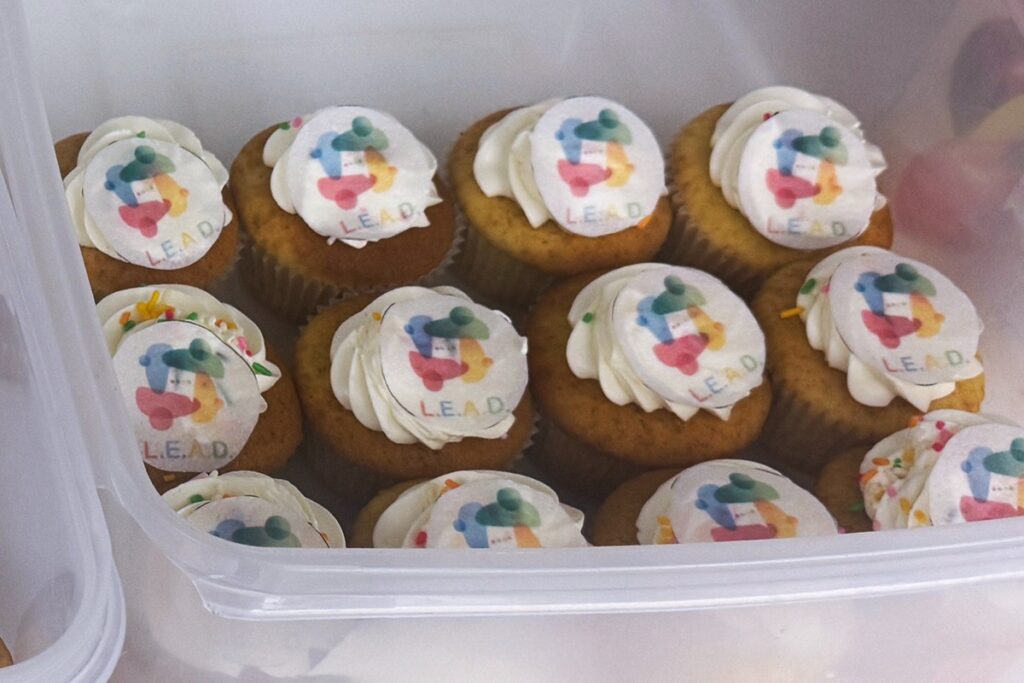
Halfway through what was already a pretty remarkable day at the Nagareyama LEAD AppQuest workshop in Shibuya, lunch arrived. Not a catered lunch, not a convenience store bento. Proper, homemade jerk chicken, cooked by Sasha Lee Seals herself, the founder of Nagareyama LEAD, and brought in for every single person in the room. Kids, developers, facilitators. Everyone. There were also cupcakes, which she had also baked herself, waiting on the table when guests arrived in the morning.
It’s a small detail for a coding camp. But it tells you everything about the kind of event this was and the person running it.
Table of contents:
Meet the Founder: Sasha Lee Seals & Nagareyama LEAD
The AppQuest Curriculum: A 6-Step Kids Hackathon
Bilingual STEM Education in English and Japanese
Building Confidence Through App Presentations
Worth Knowing About
Meet the founder: Sasha Lee Seals & Nagareyama LEAD
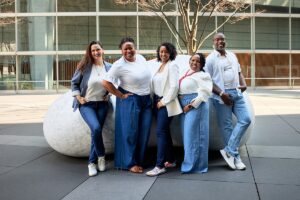
Sasha Lee Seals has been building Nagareyama LEAD with her team, including her husband Henry Seals and friends Alison Shimizu Rodgers, Rebecca Kato and Blanka Kobayashi since 2022. The standout aspect of her work? The kind of warmth that doesn’t feel like a strategy. She went out of her way to speak to every attendee as if she’d been looking forward to seeing them specifically. The cupcakes were already out. The room was already buzzing. By the time the workshop officially started, the atmosphere felt less like an organized event and more like something a friend had put together. Except with real developers, a six-stage curriculum and SusHi Tech Tokyo 2026 endorsement behind it.
AppQuest was Nagareyama LEAD’s first major event in Tokyo itself, backed by Shibuya Startup Support and endorsed by Shibuya City. The community focus that runs through everything Sasha does is also reflected in the approach to investment — affiliated VC funding is directed specifically toward women-led ventures, a commitment that says something about what kind of ecosystem is being built, and for whom.
The AppQuest curriculum: A 6-step kids hackathon
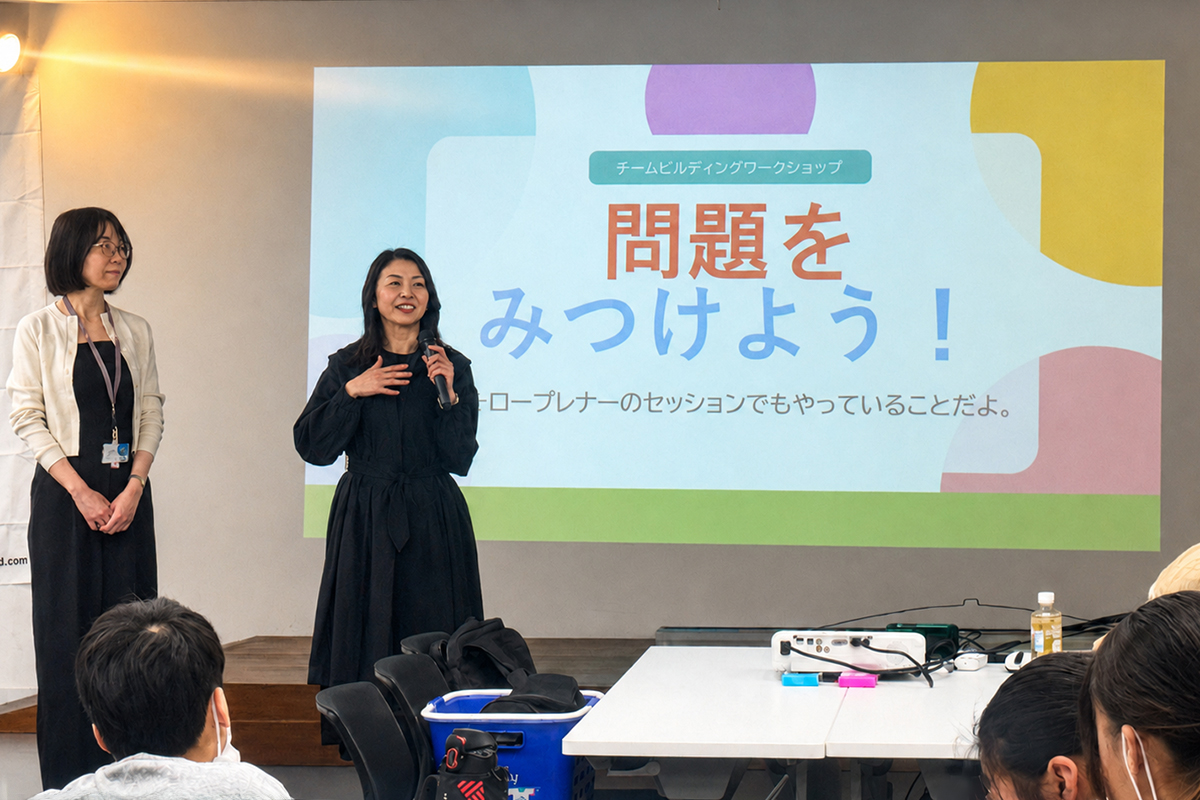
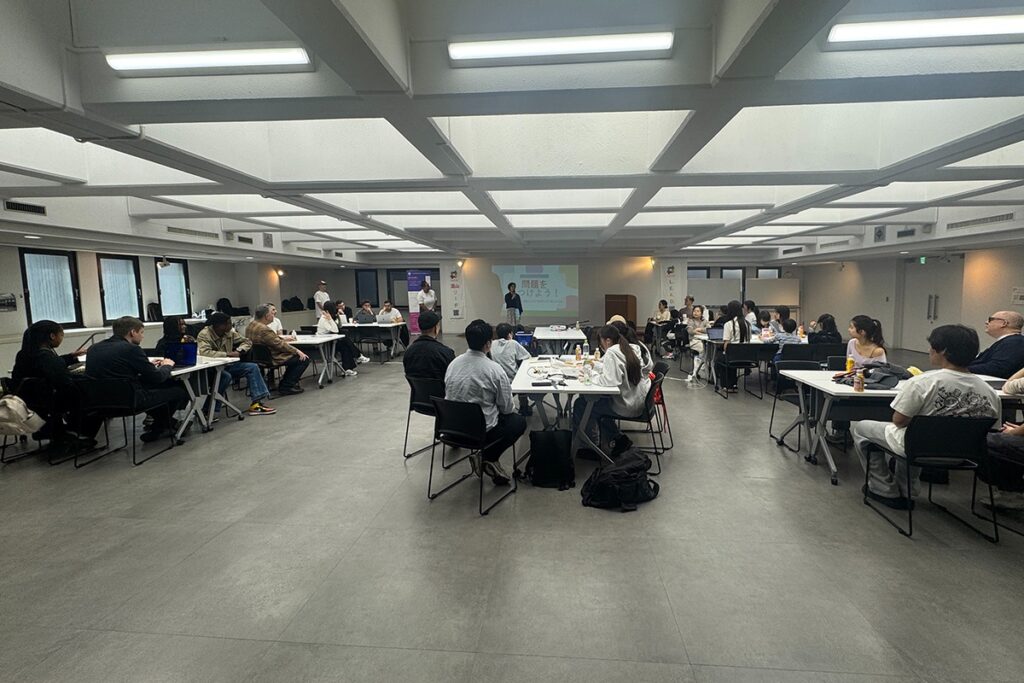
The idea of AppQuest is simple: up to 50 students, one day, one working four-page app prototype by the end of it. In practice, things are a lot more challenging than that.
The workshop runs in partnership with IdeaBoxes and the team behind Jinja.app, who’ve developed their own coding language purpose-built for getting new coders, especially younger ones, up and running quickly. Their developers were in the room the entire day, moving between groups, troubleshooting, encouraging and explaining. This wasn’t a situation where professionals sat at the front and lectured. They were in the trenches with the kids.
The day is structured around six stations, and the progression challenges the children in different ways:
1. Idea Station: Brainstorming sessions led by LEAD and App Quest facilitators, designed to get kids talking about problems they run into regularly. The sessions are animated, a little noisy and genuinely fun. Children who walked in quietly were raising their hands and interrupting each other with suggestions within 20 minutes.
2. Database / Design Station: What information does your app need? How should it look? This is where the ideas start hitting practical restrictions, and the LEAD framework’s structured approach to problem-solving comes into play.
3. Cloud Station: An introduction to infrastructure: where the app lives, how it connects and why it matters. Handled accessibly, without oversimplifying.
4. AI Station: Students explore how artificial intelligence can be embedded into their apps. It’s one of the more forward-looking parts of the day and the kids lean into it from their own experiences with AI.
5. Coding Station: Using Jinja, students write actual code for their actual prototype. The purpose-built language keeps the barrier low without making the experience feel like a toy version of the real thing.
6. App Station: Working with developers, everything comes together. A functional, four-page prototype app.
Bilingual STEM education in English and Japanese
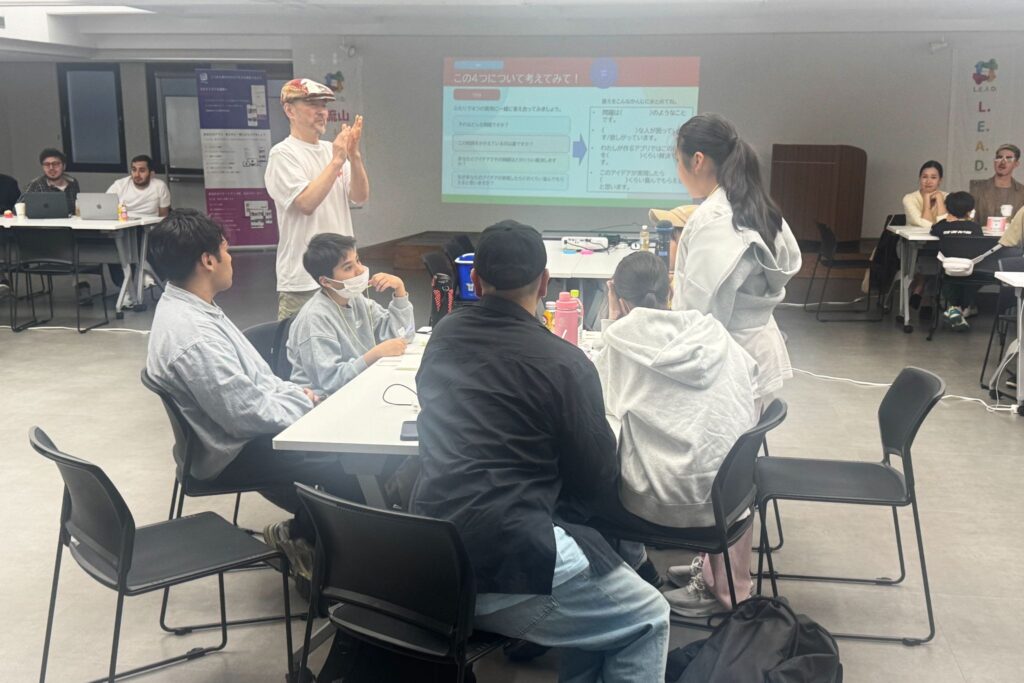
Every element of the day ran in both English and Japanese. Nagareyama LEAD operates in a genuinely bilingual context, as the Greater Tokyo international community spans a lot of different household languages and they take it seriously. There’s a dedicated translation team on hand throughout, and every station’s instructions and explanations are delivered clearly in both languages. No child falls behind because they caught the English but missed the Japanese, or vice versa.
Building confidence through app presentations
At the end of the day, students present their prototypes to the full group. This is not optional and it isn’t just to fill the time. The LEAD framework treats public speaking and communication as core skills, not extras and the final showcase is designed to give every student a real moment at the front of the room.
There is something moving about watching a child explain, clearly and confidently, to a room of adults and peers, the logic behind an app they built that day. Some of them are nervous. Most of them get through it and look surprised at themselves afterwards.
Worth knowing about
For families in the Nagareyama, Kashiwa and Shibuya areas looking for substantive tech and entrepreneurship experiences for their children, AppQuest is worth knowing about. It’s not a hobby class. The collaboration with working developers, the bilingual delivery, the real output, the public speaking component: it all adds up to a day that asks a lot of kids and gives a lot back.
And Sasha might have made you one of the best lunches you’ll have in Japan.
For more information about upcoming Nagareyama LEAD events and programs, visit nagareyamalead.com. The AppQuest workshop page is at nagareyamalead.com/appquest.