Why SEGO Initiative’s Annual Beach Cleanup Is About Far More Than Picking Up Trash
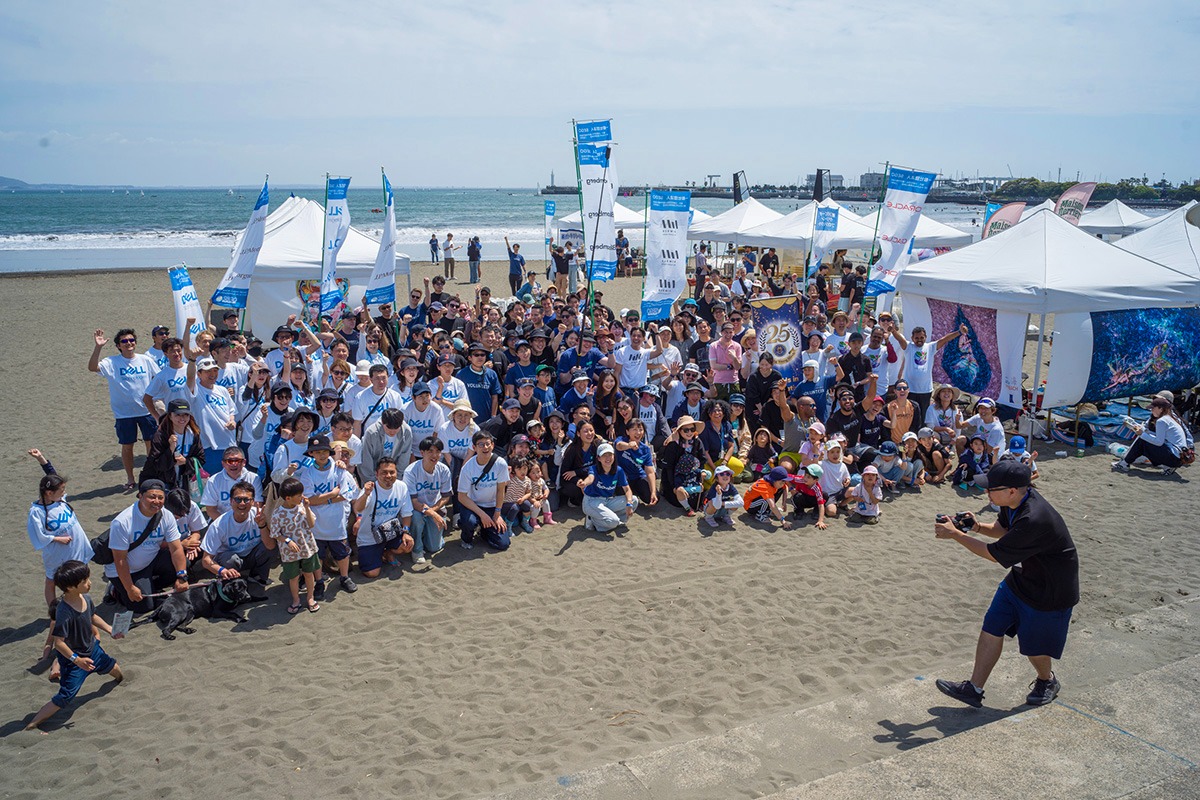
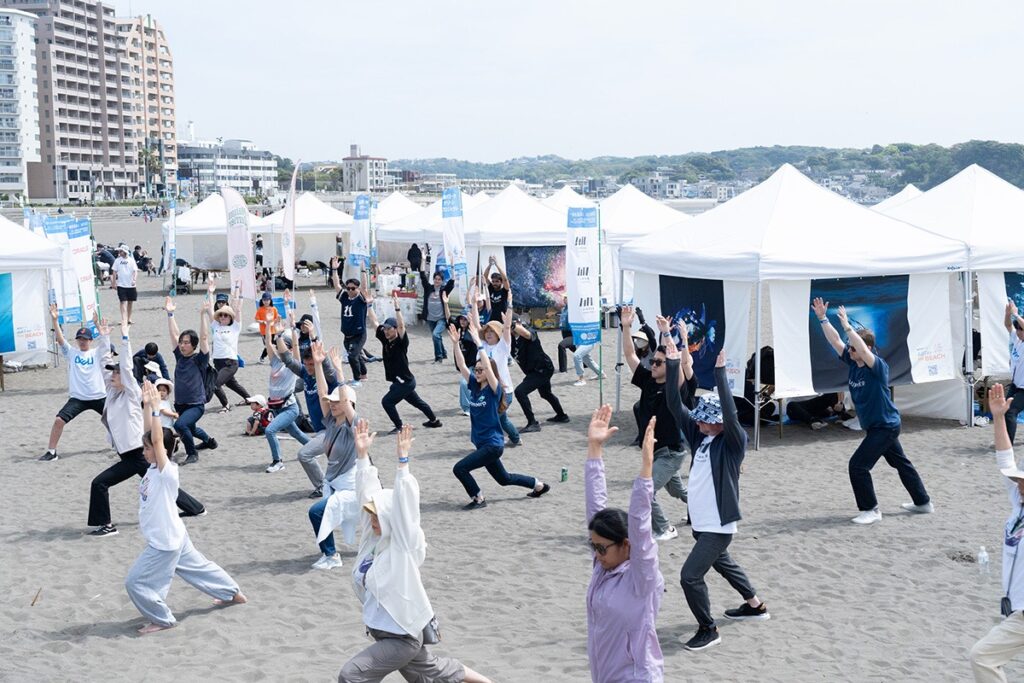
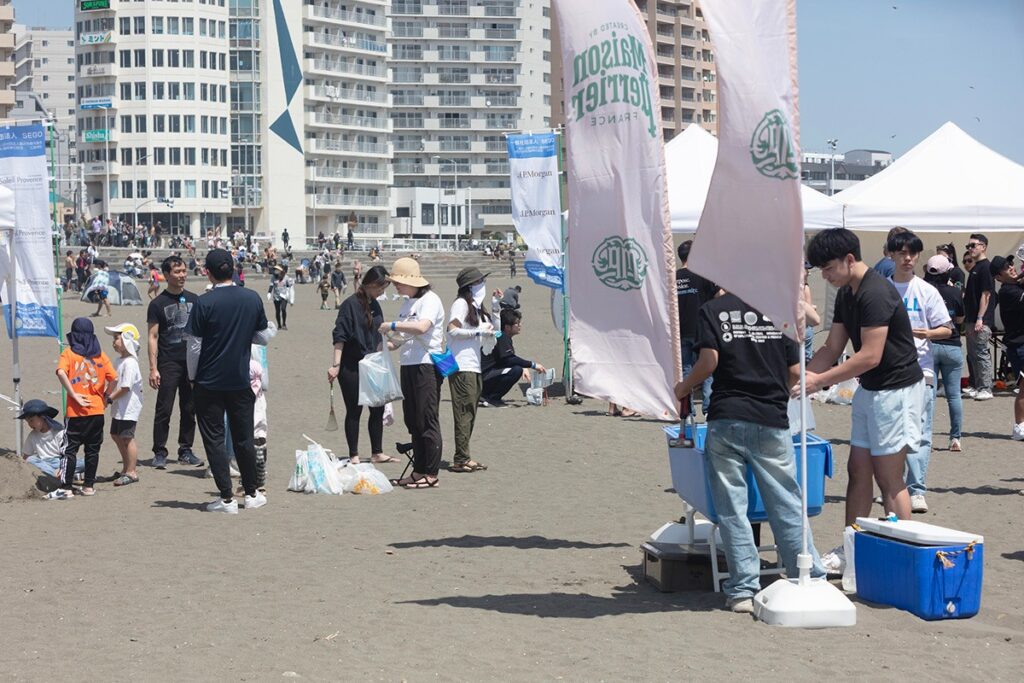
Every April, a stretch of coastline in Kanagawa fills up with volunteers. Families, students, company teams, people who don’t speak a common language but show up anyway with gloves and a few hours to spare. It doesn’t sound like much from the description, but the beach before and after is something to see.
It started small, and nearly stayed that way
Co-founders Alana and Michel Bonzi didn’t set out to build something lasting when they organized the first cleanup at Katase Higashihama Beach in 2009. “We thought it would just be a small activity, something we would do once,” Alana recalls. They ran it in alignment with the International Coastal Cleanup, a global effort that gave their local morning some broader context.
That was 17 years ago. The event is still going.
What’s changed is everything around it. What started as a few people picking up trash on a Saturday has become an ongoing platform for environmental education, student research, cross-cultural programming and, maybe most unexpectedly, art.
The beach wasn’t chosen by accident
SEGO didn’t pick Katase Higashihama because it has the worst pollution on Japan’s coast. They picked it because it’s home.
“This is a community that has supported us,” the Bonzis say, “so we wanted to give something back.”
That sounds minor, but it shows the level of investment from SEGO into the cleanup. A lot of environmental events feel like they exist for the press release, like branded pop-ups that could happen anywhere. This one is tied to a specific place, and the people who come tend to feel that..
No training required
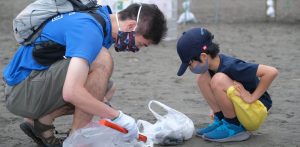
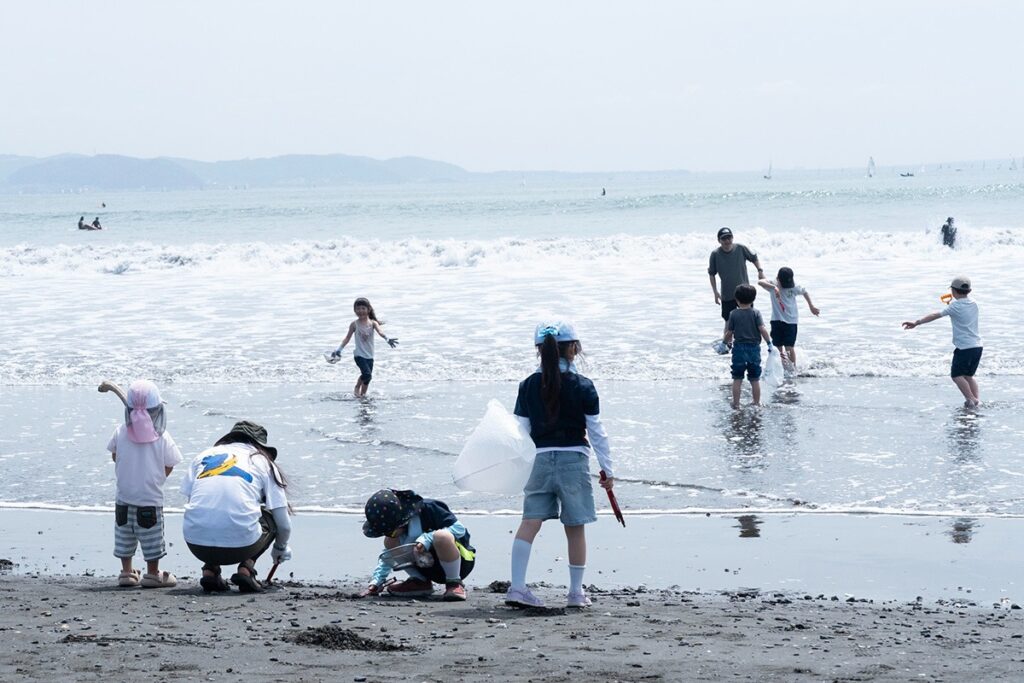
One of the practical benefits of the SEGO cleanup is how easy it is to join in. No certifications, no specialist knowledge. Volunteers have come speaking Japanese, English, French and a mix of all three. The activity itself doesn’t require any of them to be fluent in a common language.
“Beach cleaning is something very accessible,” the Bonzis say. “Anyone can join.”
That’s not a casual invitation. Environmental participation can be surprisingly exclusive: shaped by who has time, who has money, who already feels like they belong in certain spaces. Showing up with a pair of gloves on a Saturday morning is rarely enough, but at SEGO that’s all you need.
Then the pandemic happened
COVID shut down the beach events along with everything else, and SEGO had to figure out what they were actually about. If the whole premise was showing up to a coastline, what happened when you couldn’t go to one?
“How can we protect the beach if we can’t even go to the beach?” Alana recalls asking.
The organization leaned into ocean literacy — webinars, workshops, programming that could run from people’s homes. They also started using art more deliberately, not as decoration but as a different kind of communication.
“Sometimes, data alone doesn’t connect with people,” Alana says. “We hear numbers like thousands or millions, but it’s hard to really understand what that means. Art helps people feel it.”
She’s onto something. Environmental messaging has long leaned on statistics — plastic tons, species percentages, microparticles per liter — and those numbers are real, and staggering, and somehow easy to scroll past. Art doesn’t offer the same escape hatch.
The scope has widened
The cleanup was always about more than what washed up on shore, but SEGO has gotten more explicit about the connections over time. They now cover fishing waste, seaweed ecosystems, soil health — topics that don’t obviously belong at a beach event until Bonzi explains why they do.
“What goes into the land eventually ends up in the ocean, and even in us.”
They’ve also made space for students and early-career researchers to present work on things like biodegradable plastics — people who are working on the problem, not just raising awareness of it.
What volunteers walk away with
Alana is honest about the gap between expectation and reality. Some mornings the tide hasn’t left much. People show up ready to fill bag after bag and leave with less than they expected.
“They might feel like, ‘Oh, I didn’t do much,'” she says. “But actually, just being there, spending time together, being off your phone — that’s already very meaningful.”
It’s a good way to consider the point of the initiative. The cleanup isn’t just a collection exercise. It’s one of the few situations where people physically engage with a problem they usually encounter through a screen. Someone picks up a fragment of plastic and wonders, maybe for the first time, where it came from, and where it would have ended up.
On the corporate side
Companies have been part of the model for years, and the fit is less awkward than it might sound. The format works naturally for groups of colleagues who don’t necessarily know each other well outside of work.
“It’s fun, and the kids like it. It even makes parents laugh,” Alana says. “It brings people together — not just within teams, but within companies and the wider community.”
The local-global tension
Tying the Katase Higashihama cleanup to the International Coastal Cleanup was a deliberate choice, and not just for optics. It changed how the volunteers thought about what they were doing.
“If people only think about one beach, they lose the impact,” Alana says. “Connecting it to a global movement helps them feel they are part of something bigger.”
People who leave with that feeling tend to carry it with them. They notice the straw they didn’t take, the packaging left behind and most importantly the people they could rely on to pick these up with them.
Getting involved
The SEGO Initiative is open to individuals, families, students and company sponsorship. No experience required, and the event is designed to work across languages and backgrounds. More information on upcoming events and programs is available at segoinitiative.org