
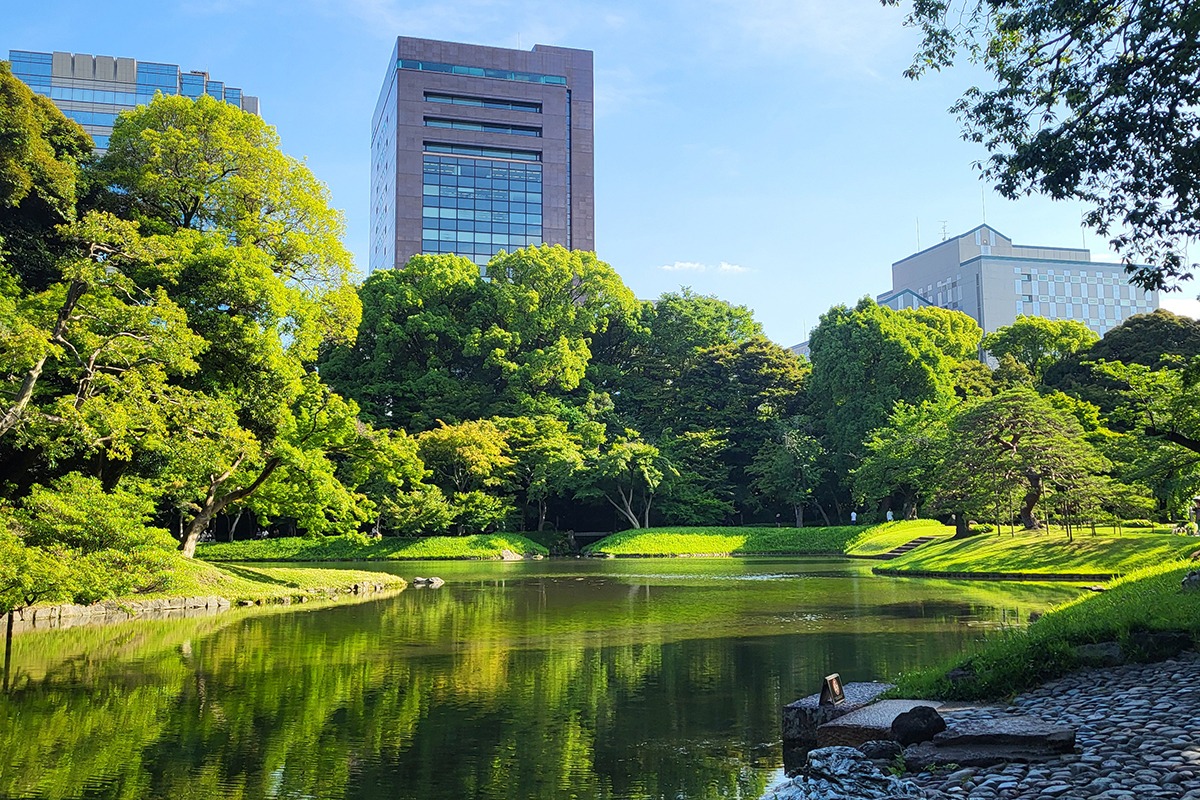
Guide to the Best Japanese Gardens in Tokyo
Spring is the best season to enjoy the outdoors before the summer heat arrives. With their serene atmosphere and gorgeous visuals, Japanese gardens are the perfect places to unwind and take advantage of the sunny weather. Here are some of the best gardens you can find in Tokyo.
Table of Contents
- Koishikawa Koraku-en
- Kiyosumi Gardens
- Rikugi-en
- Imperial Palace East Garden: Ninomaru Gardens
- Kyu-shiba-rikyu Gardens
Koishikawa Koraku-en
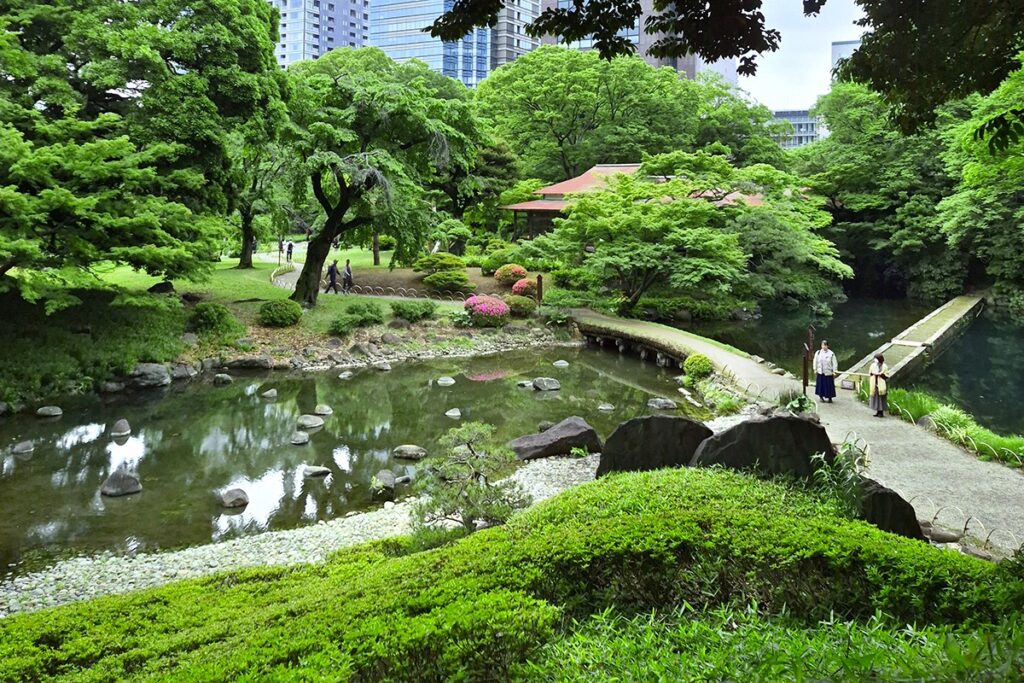
Koishikawa Koraku-en is located in the center of Tokyo. Its location is highly convenient, as many train lines pass close by. The garden has a ¥300 entrance fee and is open every day from 9:00 am to 4:30 pm. It is one of Tokyo’s oldest Japanese gardens; it was built in the early Edo period and has survived through the years to this day.
As a landscape garden, it replicates famous Japanese and Chinese sceneries, such as Mount Lushan and Lake Biwa. Like Kiyosumi Gardens, it features a central pond surrounded by stepping-stone paths. This garden is worth a visit during any season: in spring, you can enjoy cherry blossoms; during the summer, the garden is lush and green with irises and lotus flowers; in autumn, vibrant momiji (maple leaves) appear; and in late winter, the plum blossoms bloom. Whenever you visit, there will always be something beautiful to see.
This garden is impressive not only because of its size but also because of its unique location. It sits right next to the Tokyo Dome, creating a striking modern contrast with the traditional serenity of the garden.
Key Information:
- Name: Koishikawa Koraku-en
- Location: 1 Chome-6-6 Koraku, Bunkyo City, Tokyo 112-0004
- Opening Hours: 9:00 am – 4:30 pm
- Entry Fee: ¥300
- Best for: Visitors looking for a garden that is beautiful all year round
Kiyosumi Gardens
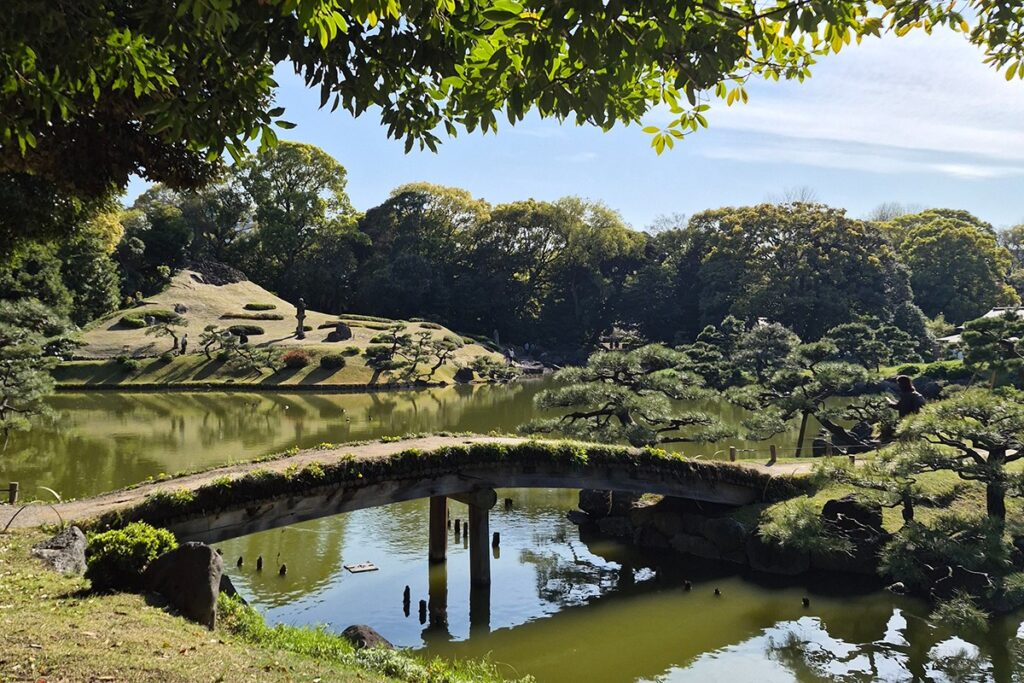
Kiyosumi Gardens is located in northeastern Tokyo. It is open every day from 9:00 am to 5:00 pm and has a ¥150 entrance fee, which is incredibly reasonable for the experience.
The garden originally served as the residence of a merchant during the Edo period before being sold to a feudal lord. During the Meiji period, it was purchased by Iwasaki Yataro, the founder of Mitsubishi, who rebuilt the garden to entertain his employees and guests. In 1932, it was donated and opened to the public.
The garden features a large pond in the center, with stepping-stone paths winding all around it. You can wander at your own pace while enjoying the calm atmosphere. The grounds also feature a traditional teahouse which, though not open to the public, looks almost as if it is floating on the water when viewed from across the pond.
Because Kiyosumi Gardens is located very close to the Sumida River, it attracts a wide variety of bird species, offering a diverse ecosystem for wildlife. The flora is equally varied, with over 4,000 trees planted around the grounds alongside seasonal flowers like azaleas and hydrangeas. This garden is truly a haven for nature lovers.
Key Information:
- Name: Kiyosumi Gardens
- Location: 3 Chome-3-9 Kiyosumi, Koto City, Tokyo 135-0024
- Opening Hours: 9:00 am – 5:00 pm
- Entry Fee: ¥150
- Best for: People looking for diverse flora and fauna
Rikugi-en
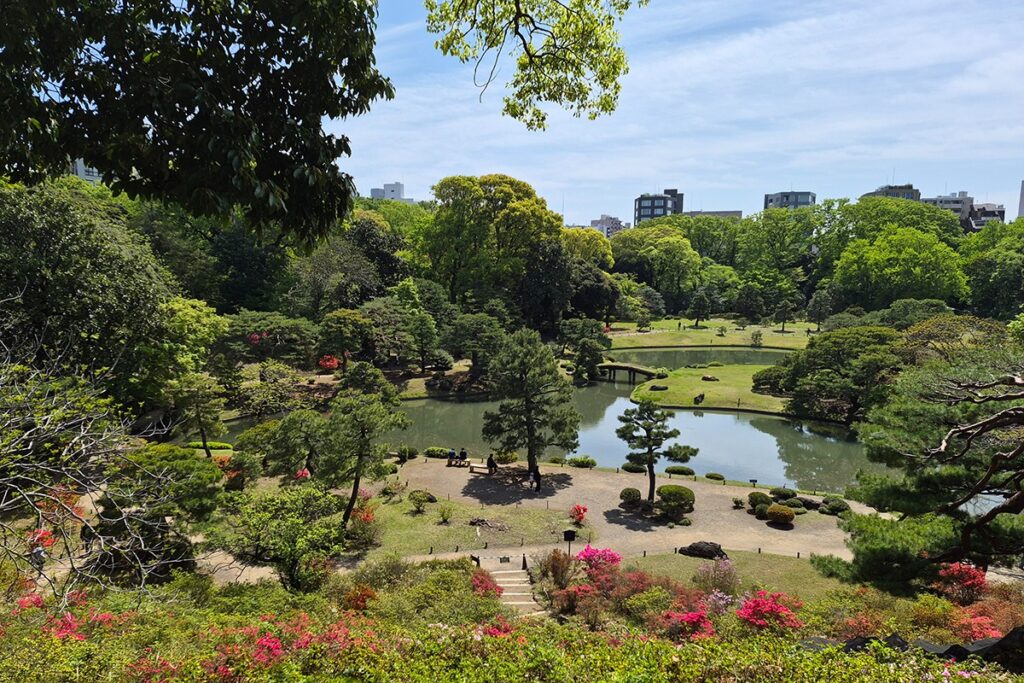
Rikugi-en is located in the northern part of Tokyo. Open every day from 9:00 am to 5:00 pm, it is easily accessible and sits just a five-minute walk from Komagome Station on the Yamanote Line. Admission is ¥300.
The garden was built during the Edo period by Yanagisawa Yoshiyasu. After his death, the garden unfortunately fell into disrepair. However, like Kiyosumi Gardens, it was bought by Iwasaki Yataro in 1878 and restored to its original beauty. It was later donated to the Tokyo City Government in 1938.
Like the other gardens on this list, it features a central pond, but it stands out for its diverse landscapes. One section is covered with dense trees, creating the atmosphere of a deep forest, while another area features rolling hills and bushes that bloom vibrantly in the spring. There are also three teahouses on the grounds: one where you can sit and enjoy the sound of a nearby waterfall, one overlooking the main pond where you can enjoy matcha with a traditional sweet, and a third nestled under the trees at the top of a small hill.
This garden is especially well-visited in autumn when its numerous maple trees turn a brilliant fiery orange. In spring, a massive weeping cherry tree blossoms beautifully near the main entrance gate. During these peak seasons, the garden organizes evening illumination events, offering a magical, entirely different perspective of the seasonal colors.
Key Information:
- Name: Rikugi-en
- Location: 6 Chome-16-3 Honkomagome, Bunkyo City, Tokyo 113-0021
- Opening Hours: 9:00 am – 5:00 pm
- Entry Fee: ¥300
- Best for: Visitors looking for diverse scenery and seasonal night illuminations
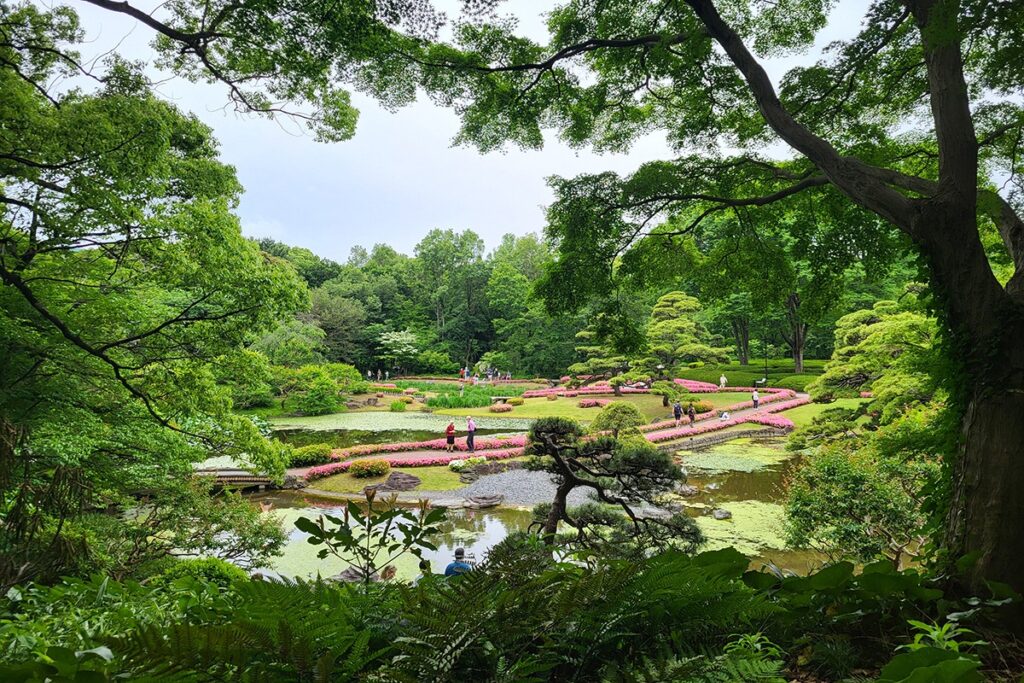
Imperial Palace East Garden: Ninomaru Gardens
The Imperial Palace East Garden is located in the heart of Tokyo, just a short walk from Tokyo Station. One of the best things about it is that it is completely free to visit. However, please note that it is closed every Monday and Friday, as well as on select days throughout the year for court functions. Be sure to check the official schedule before planning your visit.
The Ninomaru Garden is a traditional strolling garden located within these eastern grounds. This area holds great historical significance, as it once served as the residential site for the Tokugawa shoguns. The garden’s layout was originally designed by Tokugawa Ieshige; his original plans survived and were used to meticulously reconstruct the garden in the 1960s. Following the end of the shogunate, Emperor Meiji also resided here before relocating.
The garden follows a classic design that beautifully reflects Edo-period aesthetics. The central pond is filled with colorful koi fish and surrounded by perfectly manicured trees and shrubs. Seasonal flowers like irises, camellias, and azaleas bloom throughout the year, enhancing the natural beauty of the space.
The area features multiple winding paths to explore, including a trail up a small hill that offers the best panoramic view of the grounds. Even when the area gets busy, the garden manages to maintain its serene and relaxing vibe.
Key Information:
- Name: Imperial Palace East Garden: Ninomaru
- Location: 1-1 Chiyoda, Chiyoda City, Tokyo 100-0001
- Opening Hours: 9:00 am – 4:00 pm
- Entry Fee: Free
- Best for: Anyone wanting to escape into nature during a busy day of sightseeing or shopping
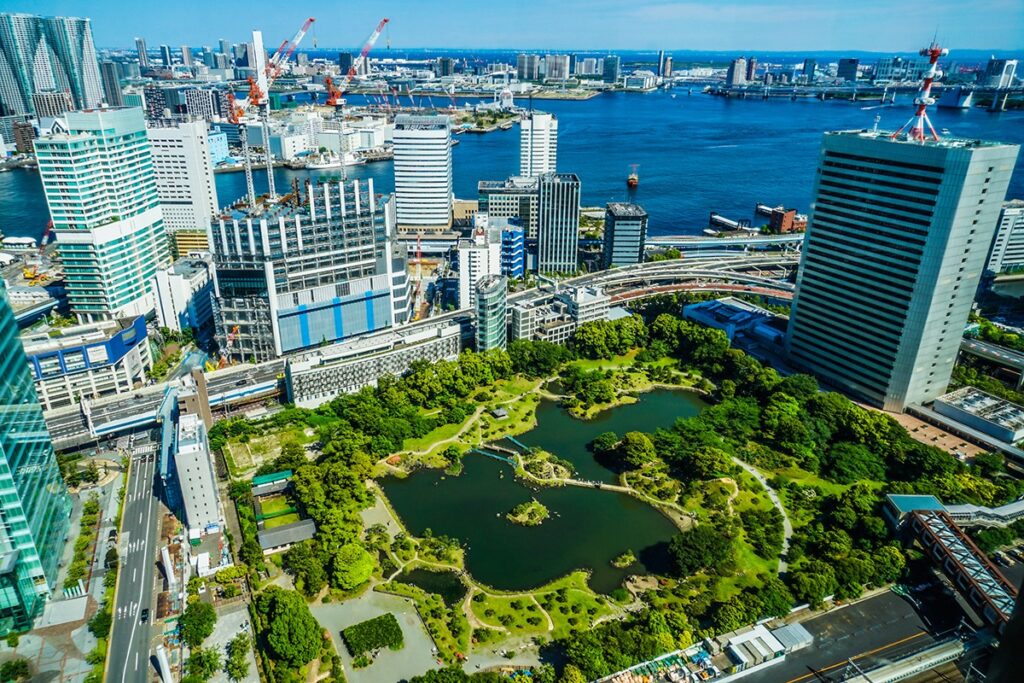
Kyu-shiba-rikyu Gardens
Kyu-shiba-rikyu is located right next to Hamamatsucho Station in Minato City. It is open every day from 9:00 am to 5:00 pm with a ¥150 entrance fee. This garden is highly regarded because its design dates back to the Edo period.
The site was originally part of Tokyo Bay but was reclaimed in the 1650s. It initially included a salt-water beach, but subsequent land reclamation eventually cut off its connection to the bay, meaning the central pond is no longer filled with sea water. The garden changed hands multiple times over the centuries between various noble families and clans. In 1875, the Imperial Household Agency purchased it and designated it as the “Shiba Detached Imperial Villa,” later adding a European-style guest house in 1891. Unfortunately, the 1923 Great Kanto Earthquake destroyed all the structures and many of the trees. The grounds were donated to Tokyo City in 1924, entirely rebuilt, and opened to the public.
Kyu-shiba-rikyu is a classic landscape garden featuring a central pond with four distinct islands and two connecting bridges. It also features man-made hills that mimic a real mountain landscape. Multiple stepping-stone trails allow you to navigate the garden easily and enjoy it from various angles. You can also relax at one of the two rest areas, one of which is covered in beautiful wisteria blooms during the spring.
One of the most unique features of Kyu-shiba-rikyu is its placement amidst towering high-rise buildings. On sunny days, the skyscrapers reflect clearly on the pond’s surface. The calm, traditional atmosphere of the garden clashes beautifully with the surrounding modern architecture, offering a one-of-a-kind visual experience.
Key Information:
- Name: Kyu-shiba-rikyu
- Location: 1 Chome-4-1 Kaigan, Minato City, Tokyo 105-0022
- Opening Hours: 9:00 am – 5:00 pm
- Entry Fee: ¥150
- Best for: Visitors looking for a unique city contrast and deep historical charm
If you want to escape the bustling energy of the city, these traditional gardens offer some of the best places in Tokyo to unwind and enjoy a peaceful moment.
FAQ
Are any of these gardens suitable for families?
Yes, all of these gardens are highly family-friendly. They offer peaceful walking paths, beautiful ponds, and seasonal scenery that visitors of all ages can enjoy. The Imperial Palace East Garden is particularly ideal for families due to its free entry, wide pathways, and central location, making it easy to combine with other activities around Tokyo.
How much time should I allocate to visit each garden?
To truly appreciate the serenity and peacefulness of these gardens, you should allocate at least one hour per visit. This gives you plenty of time to wander, take photos, and soak in the calm ambiance. Some locations, like Rikugi-en, feature teahouses where you can sit down for matcha and a sweet, so you may want to plan for extra time to fully enjoy that experience.
Are there any guided tours or audio guides available?
Yes, several of these gardens offer guided tours. Koishikawa Koraku-en provides free guided tours every weekend in both English and Japanese. Rikugi-en also hosts free English-speaking guided tours on the first and third Sundays of the month at 11:00 am and 2:00 pm. Alternatively, you can always book a private independent guide online.