Snowboarding Founder Faces Olympic Crisis
Parallel Giant Slalom, or PGS, the discipline widely regarded as the foundation of competitive snowboarding, is under threat as the International Olympic Committee reviews the future of the Winter Games program.
Athletes and federations warn that removing PGS would eliminate one of the Olympics’ most accessible, gender-equal, and globally scalable winter sports, despite its growing international reach and low infrastructure demands.
At its core, PGS represents the purest form of snowboard racing, direct head-to-head competition on identical courses, under identical conditions, with men and women competing equally on the same day.
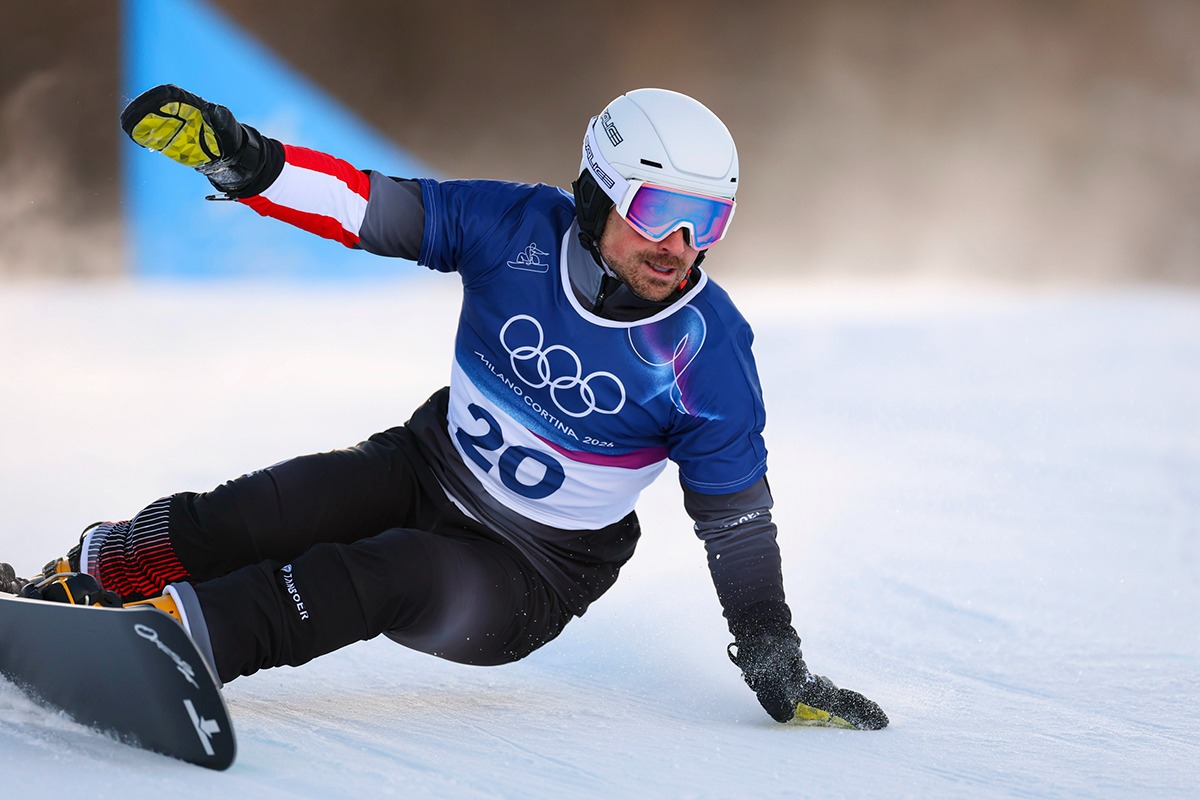
“PGS is one of the only formats where everything is truly equal, same course, same conditions, same start, same chance. That fairness is rare in sport. It rewards precision and consistency above everything else, and if you take it out of the Olympic program, you take away one of the purest expressions of competition we have,” said Austrian snowboarder Alex Payer (top photo).
Globally distributed and scalable sport
The discipline has also demonstrated strong international competitiveness. In the 2026 Olympic cycle, medals were shared across five nations—South Korea, Austria, Bulgaria, Italy and the Czech Republic—showing a growing global balance beyond traditional winter sport nations.
The next Winter Olympics will be hosted by the French Alps on Feb. 1-17, 2030.
PGS continues to be one of the most cost-efficient Winter Olympic events, relying on existing public infrastructure and significantly reducing the need for artificial snow production. Its long-term legacy is equally strong, with venues continuing to serve local communities after elite competition concludes. PGS also plays a key technical role in snowboarding development, with carving and gate skills forming the foundation for multiple disciplines across the sport.
With participation spanning more than 20 countries and strong growth in Asia and emerging winter sport regions, PGS remains one of the most globally distributed formats in snowboarding.
Unlike many Winter Olympic disciplines, it can be hosted on small or mid-sized slopes without major alpine infrastructure, making it one of the few truly scalable Olympic snow sports worldwide. Its accessibility has also been demonstrated through indoor World Cup events previously hosted in the Netherlands, highlighting the discipline’s potential to expand beyond traditional mountain regions and bring elite winter sport to new global audiences.
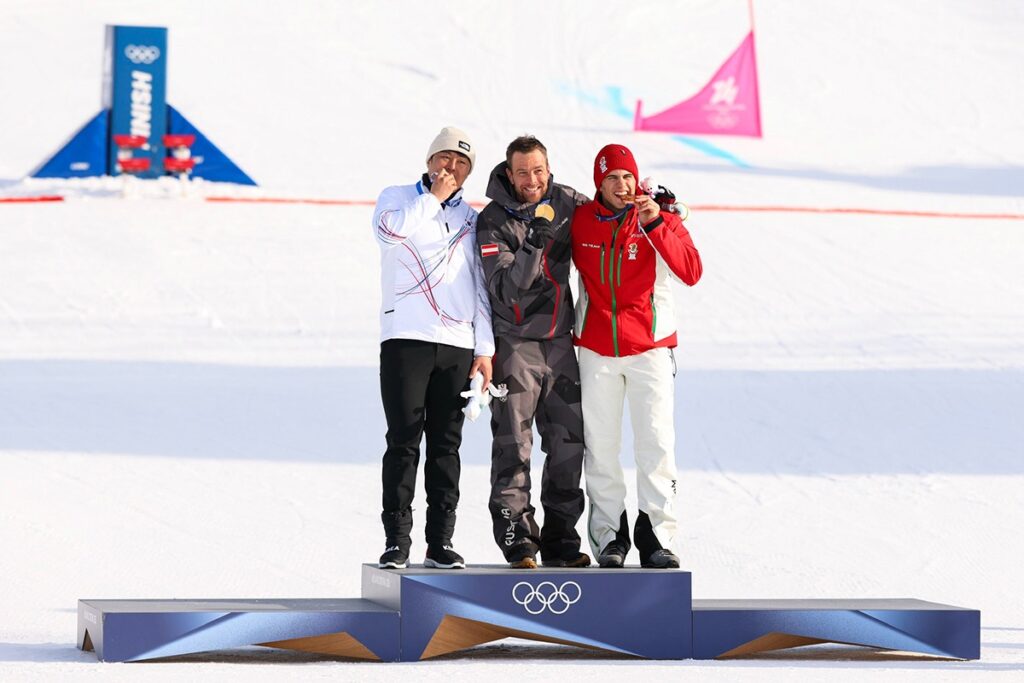
“For smaller nations, PGS is everything. It gives us a realistic chance to compete against the biggest teams on a level playing field, without needing massive infrastructure or resources. It proves that winter sport can be global, not exclusive, and that’s exactly what the Olympics should protect,” said Bulgarian snowboarder Tervel Zamfirov (pictured above, right, alongside fellow medalists Kim Sang-kyum and Benjamin Karl).
Foundation of Competitive Snowboarding
As IOC discussions continue the future shape of the Winter Games, stakeholders are urging decision-makers to recognize the unique value of PGS in delivering:
- Accessibility
- Equality
- Sustainability
- Participation growth
The global snowboarding community continues to advocate strongly for PGS not only as an Olympic medal event, but as the foundation of the entire sport.
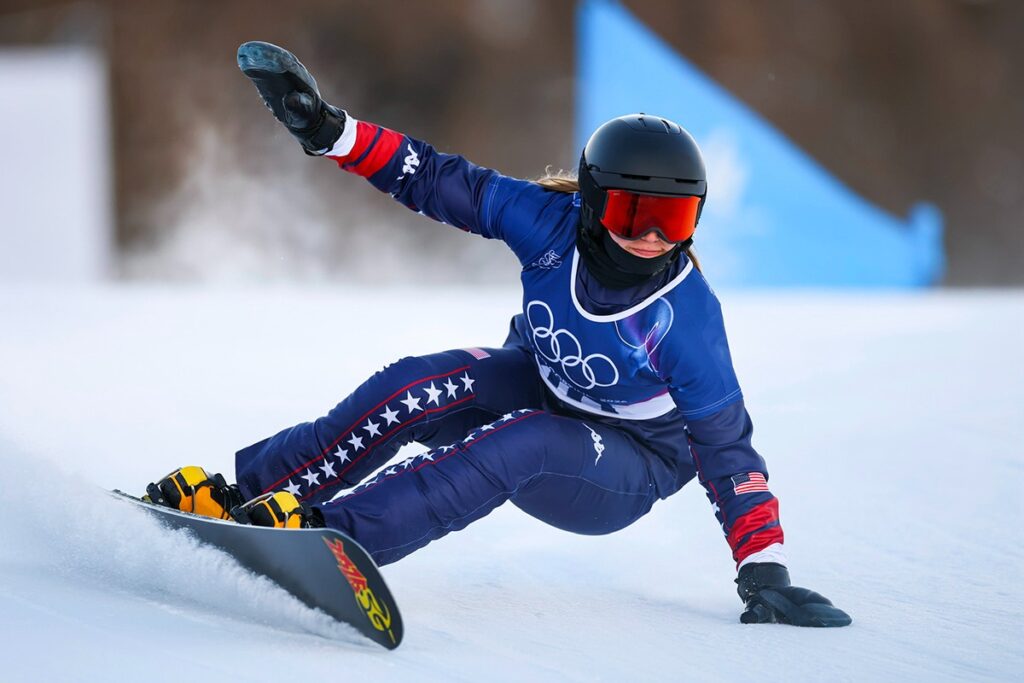
“PGS is where every snowboarder builds their foundation. It’s the first real test of technique, pressure and race intelligence, and it connects the entire sport from junior level through to the Olympics. If it’s removed, you don’t just lose an event, you break the pathway that produces every other kind of snowboarder,” said U.S. snowboarder Iris Pflum (pictured above).
What is the Snowboard Alpine Discipline?
Snowboard Alpine is a head-to-head snowboard racing discipline where precision carving meets raw speed. Two athletes race side-by-side down parallel courses marked with triangular gates, battling for hundredths of a second in highly technical race formats.
It is a sport of precision, balance, consistency, power, control under pressure and exact timing, where one small mistake can end a race, while one perfect line can make the difference between victory and defeat.
Competition Formats: The discipline features two competition formats:
- Parallel Giant Slalom, or PGS
- Parallel Slalom, or PSL
How it Works: During the qualification phase, all athletes complete individual timed runs on both the red and blue courses. The combined time determines the 16 riders who advance to the finals. In the finals, athletes compete in direct head-to-head knockout format, with the winner advancing through each round all the way to the big final.