
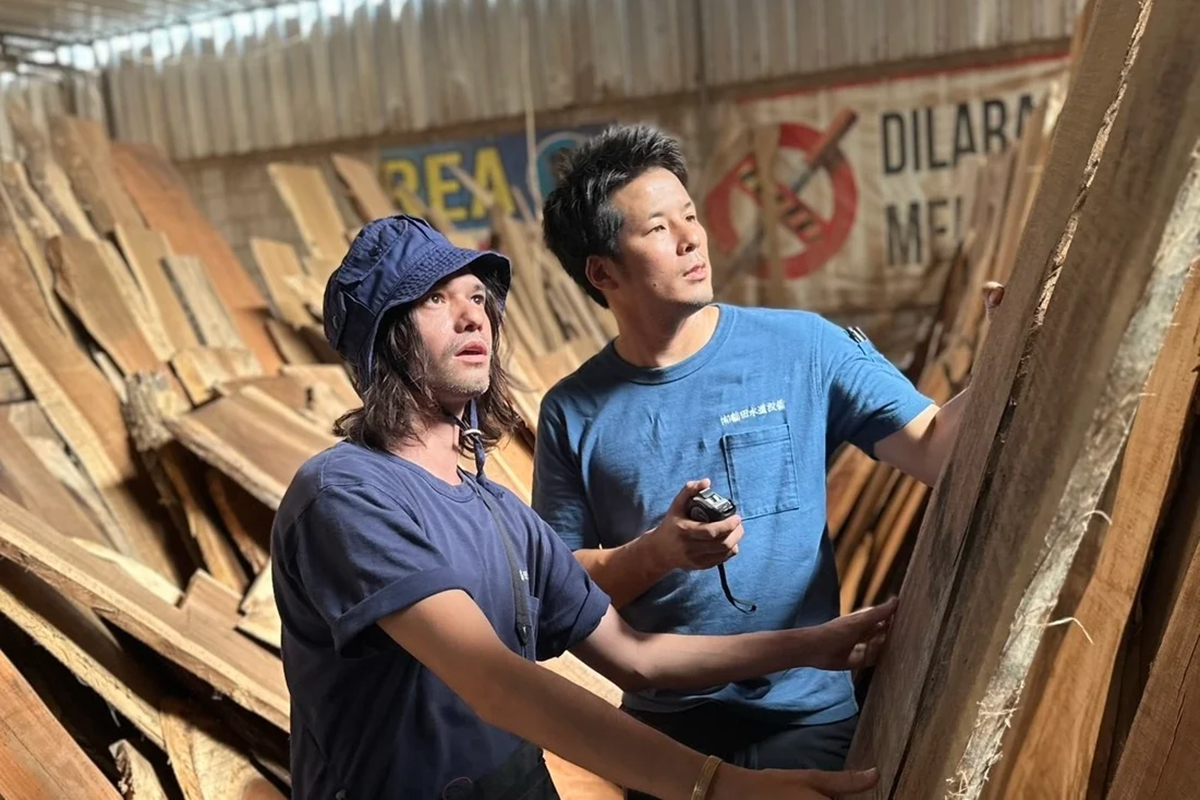
The Future of Real Estate: Renovation Industry Fair
On July 29, I went to Tokyo Big Sight, the largest exhibition space in Japan, to check out the Renovation Industry Fair. It was my first time at the venue and my first time attending this kind of event. Despite the intense summer heat, I was excited to see what was coming in the real estate field.
I wasn’t sure what to expect given the scale of the event. The fair showcased the latest products and services for home improvement and hosted seminars led by prominent figures in the renovation business. It also featured curated exhibits such as Kitchen World and the AI Utilization Lab. There were hundreds, maybe even thousands, of booths across different sections of the fair. The size of the crowd made clear how much effort and attention this industry draws in Japan.
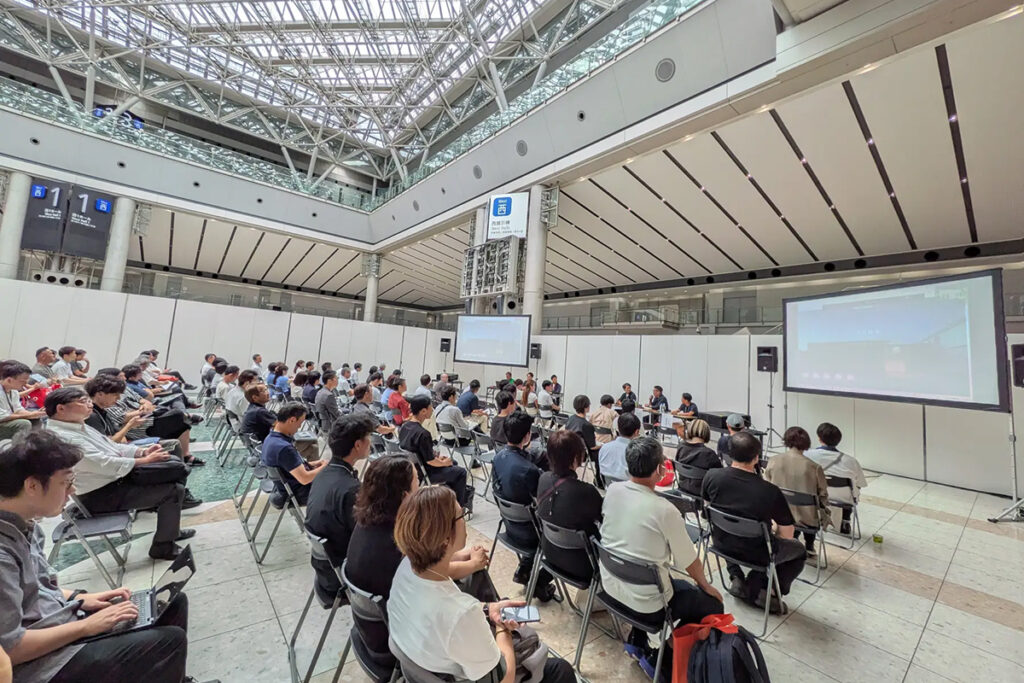
What is the Tokyo Renovation Industry Fair?
The Renovation Industry Fair is one of the biggest events in Japan for showcasing new developments in the remodeling and renovation industry. It has been organized by the Builders and Remodelers Show (BARS) since 1998, and 2026 marks its 28th edition. It is aimed at industry professionals such as real estate agents, as well as construction and building firms. It also welcomes anyone interested in keeping up with the latest trends and product information in the field.
Industry trends: Shaping the future of home improvement
This year’s theme centered on the ever-changing landscape of the industry. Some exhibits showcased the industry’s move toward standardization and universality in construction, even as companies compete to outperform one another by releasing innovative products. Because materials and technologies are constantly evolving, this year’s theme also focused on how digital tools, new technologies, and AI are changing the renovation and home improvement process. At the same time, it kept the focus on people, skills development, and knowledge transfer to the next generation. The core message is that technology is only ever a tool that makes things more convenient, while people remain in control.
Sustainable materials and innovations for future habitation
Many of the materials on display were aimed at improving home insulation, along with new takes on sinks, kitchens, flooring, and roofing. Several companies also showcased the sustainable materials used in their products, which may invoke less guilt for using the Earth’s resources. Some of the standout booths for me were the following:
- Toa Cork: Sustainable cork used as an interior material for tiles, flooring, and wall coverings.
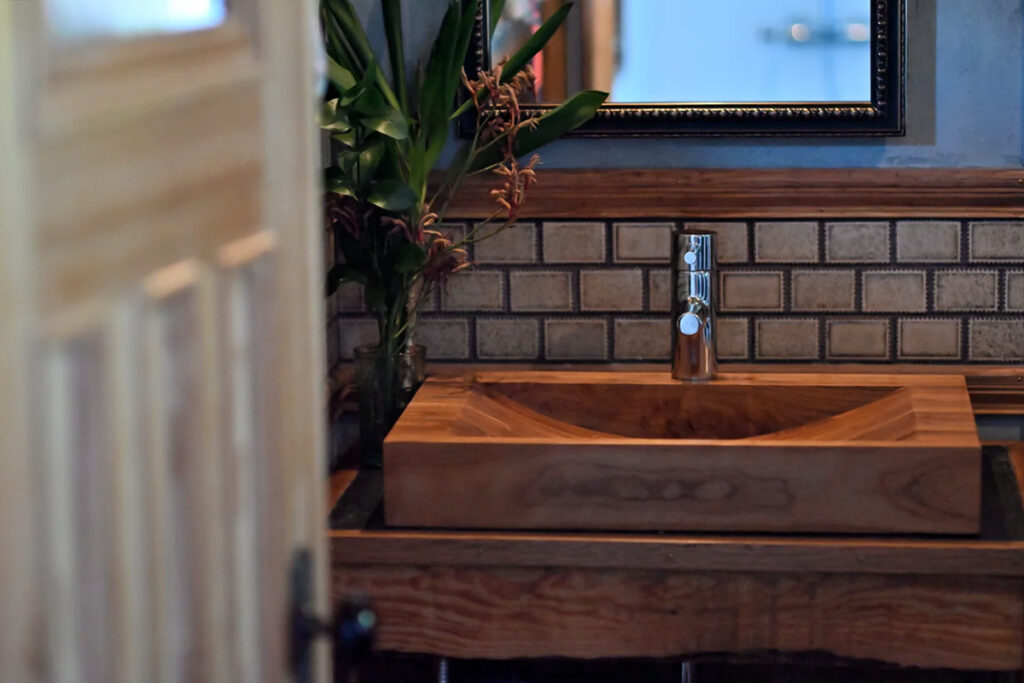
- Woodnesia: Wooden washbasins made from organic materials. Sinks are usually made from ceramics and other inorganic materials, but Woodnesia uses wood instead.
Summer heat was another issue tackled at the fair. In Japan especially, the summer heat can feel like walking through a steamer. Neo Farm’s booth showcased a window glass coating to solve this problem by simply painting it onto windows. The U.K.’s largest electricity provider, Octopus Energy, was also there, trying to enter the Japanese market with cleaner energy and cheaper electricity rates. Their booth was a joy to visit, since they handed out free stickers and cute octopus plushies.

AI utilization was clearly a centerpiece that organizers and exhibitors wanted people to check out—you could see several booths with the word AI prominently displayed. Additionally, sessions about how companies use AI in sales, training manpower and reducing the reliance on individual expertise were present. Those sessions, which covered practical case studies alongside the successes and failures of AI integration, ran across the two days of the fair.
Conclusions: The environmental cost of AI and innovation
As a Ph.D. student in sustainability with a background in engineering, I expected to see SDGs discussed more loudly, but I came away a little underwhelmed on the sustainability front. There was a lot of promotion around AI, but comparatively little attention paid to the fact that AI itself isn’t always sustainable. Data centers, for example, require large amounts of water, competing with communities and ecosystems for that same resource.
There were certainly booths that showed off sustainable and eco-friendly products, but I was also struck by the thought that sustainability may not actually be that accessible to the average person. According to Deloitte, the primary barrier to adopting a more sustainable lifestyle is the price. Of the people surveyed, 62% say that it is too expensive. That statistic stuck with me while recounting the booths around the fair with products made of premium eco-materials. In a way, the fair was a showcase for exactly the kind of sustainable living most people still can’t afford.
Innovation is valuable, and we need to keep innovating to build a more comfortable, sustainable, and even better future. However, it is also inevitable that innovation draws on Earth’s resources that are hard to replenish.
Over the past five years, Earth Overshoot Day has been getting earlier. Earth Overshoot Day is the date each year when humanity’s demand on nature exceeds what Earth’s ecosystems can regenerate for a year. Just this year, the overshoot day was July 30, more than two weeks earlier than the Overshoot Day in 2020. With our reliance on AI, I imagine that this date will arrive even earlier in the coming years.
This raises a real question for me: At what point should AI and technology be incorporated into every part of our lives, and where should we draw the line? Of course, many companies offset the negative effects innovation brings through corporate social responsibility (CSR) activities and carbon offsetting, and as individuals, we can practice eco-friendly behaviors. Still, I don’t think anyone in that hall, including myself, has the best answer.
If the Renovation Industry Fair inspired you to rethink property restoration, embrace the Japanese philosophy of renewal on a personal level by learning the ancient art of Kintsugi at a centuries-old shop in Kyoto.