Tokyo, London and New York Parks Each Have Distinct Culture, History, Design
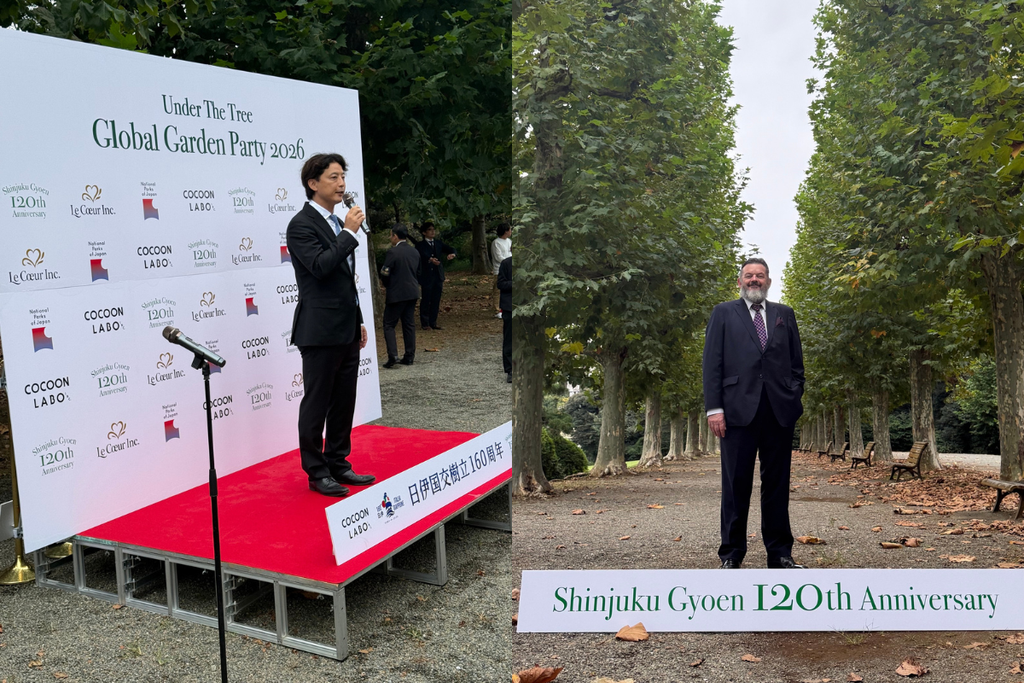
London boasts Hyde Park while Central Park is a New York landmark. And there’s never been a better time to visit Tokyo’s Shinjuku Gyoen as it celebrates its 120th anniversary. Officials and celebrities enjoyed local specialties and attractions at a special event there on October 5 to also mark 160 years of diplomatic relations between Japan and Italy with a speech by Embassy of Italy Minister-Counsellor Arturo Arcano.
Shinjuku Gyoen National Garden, as it is officially named, is now proudly showcasing its historic transition from an Edo-period feudal residence and imperial garden into one of Tokyo’s most beloved public sanctuaries. Special exhibitions and seasonal events throughout the year highlight the park’s deep cultural roots and resilience, while special gallery exhibitions delve into the park’s past, exploring its era as an imperial estate and botanical garden established in 1906.
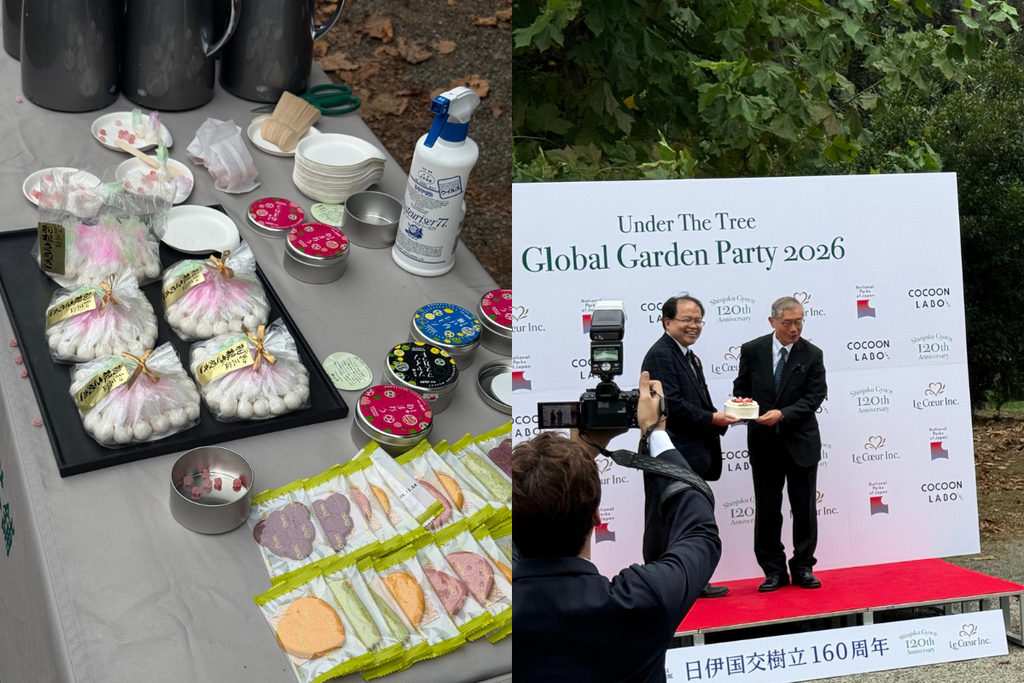
Also present at the event were Kazakhstan Ambassador Baudaurbek Kozhataev Yerlan, Japanese Ambassador to Portugal Hiroshi Azuma and French celebrity Chef Dominique Corby who led a team of culinary professionals to serve the guests.
What makes these 3 iconic urban parks unique?
Major urban parks offer green relief in crowded global cities, but each reflects the distinct culture and history of its home. Comparing these iconic green spaces reveals stark contrasts in history, cultural philosophy and spatial design:
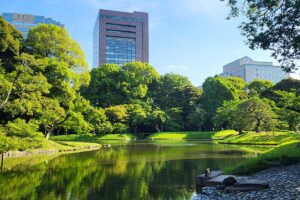
- Shinjuku Gyoen (Tokyo): Blends three distinct landscape styles into one space: a traditional Japanese garden, a formal French garden and an open English landscape garden. It operates as a serene, alcohol-free national garden where visitors can walk on designated paths and relax quietly on select lawns. The park sits directly adjacent to the towering skyscrapers of Tokyo, so stepping through its gates creates an instant transition from urban chaos to quiet nature.
- Central Park (New York): Uses a naturalistic pastoral style inspired by English landscape gardening, spanning 843 acres of woods, lakes and meadows. It serves as a bustling, free public space where New Yorkers and visitors run, bike, play sports, host large gatherings and enjoy live street performances. It forms a massive green rectangle that contrasts sharply with the rigid grid of New York’s concrete buildings.
- Hyde Park (London): One of the largest parks in London, covering 350 acres. It features grand open lawns, the Serpentine lake and historic royal pathways rather than rigidly separated international garden styles. It functions as a democratic public ground and hosts massive concerts, political speeches at Speaker’s Corner and casual recreation with open public access. It connects central London’s royal and commercial districts, acting as a historic green lung for the British capital.
History of Shinjuku Gyoen
Shinjuku Gyoen was constructed on the site of a private mansion belonging to daimyo (feudal lord) Naito in the Edo era (1591). A government-managed agricultural experiment station was established in 1872. After that, it became an imperial estate, completed in 1906 as an imperial garden. It developed as a palace garden for international diplomacy, was redesignated as a national garden after World War II and opened to the public.
Historical buildings retain the history of the imperial gardens, such as the clubhouse’s former Western-style rest station built in the Meiji era, and the former Goryotei Pavilion, presented as a memorial for Emperor Hirohito.
Visitors and seasonal attractions
This former imperial garden features three distinct styles: a traditional Japanese landscape garden, a formal French garden and an English landscape lawn. It is impeccably maintained, quiet and has wide open grass fields for picnics, although no alcohol is allowed. It requires a small admission fee, which covers the upkeep needed to keep it clean and serene.
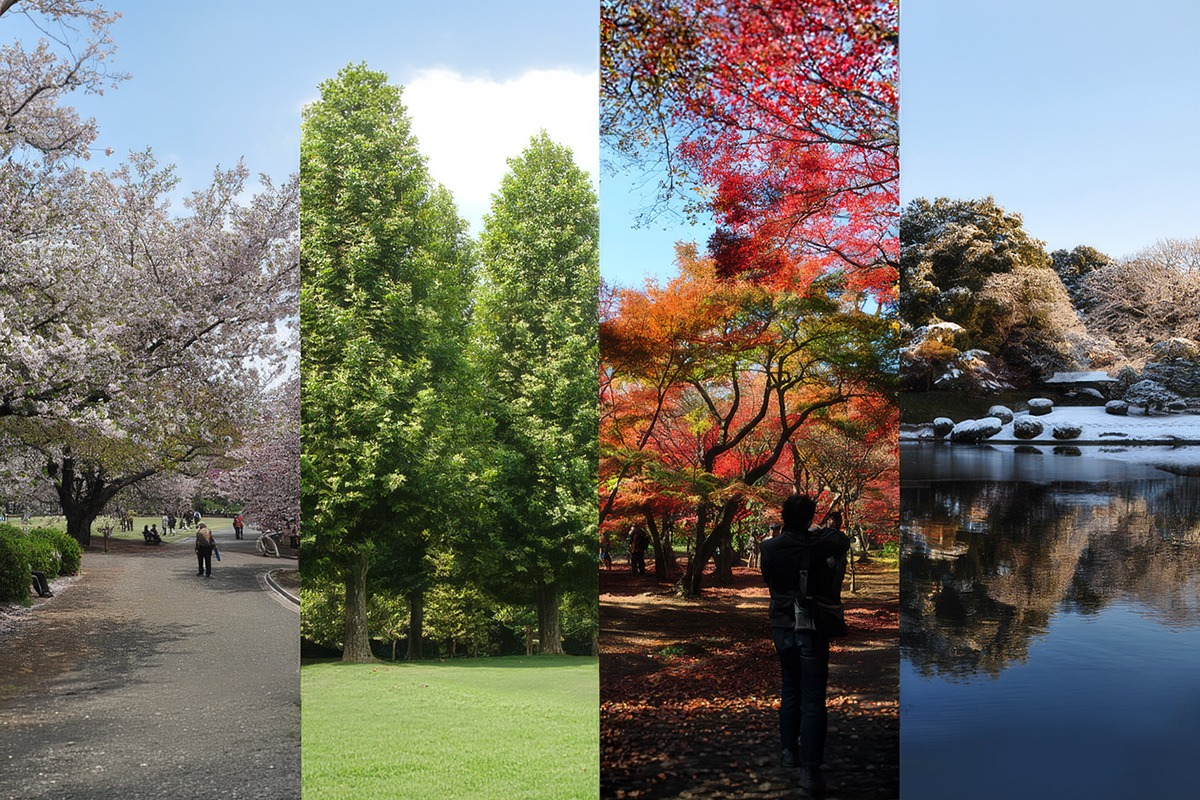
The most popular time to visit for many is in spring for cherry blossoms or late autumn for vibrant fall foliage. But at Shinjuku Gyoen, you can also enjoy the seasonally varied atmosphere and rich nature of greenery in summer and winter snow scenes.
You can also explore the large indoor glasshouse featuring hundreds of rare and exotic plants. The oldest Western-style greenhouse, built in the 19th century, grows tropical and subtropical plants including orchids, and played a pioneering role in Japanese greenhouse horticulture. Rebuilt in 2012, it became an environmental conservation greenhouse for preserving and displaying endangered species.
Various events related to the nature and history of Shinjuku Gyoen take place throughout the year. These include the special exhibition of cherry blossoms in spring, the chrysanthemum exhibition, the orchid exhibition, Noh performances and a photo contest.
Restaurants and cafes offering seasonal views feature original lunch and sweet menus. The shop at the resthouse has Shinjuku Gyoen original goods, souvenirs, soft ice cream and drinks. You can also enjoy matcha tea at the tea room in the Japanese garden.
Visitor information
- Address: 11 Naitomachi, Shinjuku City, Tokyo
- Hours: 9am to 4:30pm (Oct. 1 to March 14; longer hours in spring and summer). Closed Mondays.
- Admission: ¥500 for adults, ¥250 for students and seniors, and free for children 15 and under.
- Rules: No alcohol, smoking or play equipment.