Living in Tokyo: A Guide to Japan’s Strict Freedom
Moving to Tokyo does not have a dramatic culture shock many people expect. Instead, it reveals itself through small, constant adjustments that slowly reshape daily habits. During my first week of living in Koenji, one of Tokyo’s more relaxed and creative neighborhoods, it became clear that life in Japan is defined less by grand differences and more by subtle contrasts that show up in the most ordinary moments. This is a grounded look at what everyday life actually feels like beyond the headlines and stereotypes.
Adjusting to Compact Physical Scale
Living in Tokyo requires an immediate physical adjustment to a city built on a smaller, more efficient scale. In my home country, France, I am not particularly tall, but I quickly started feeling like a giant here. With low door frames, compact apartments and sinks placed much lower than expected, I found myself bumping my head more times than I would like to admit. Even simple actions such as washing hands or navigating narrow staircases required adjustment. This is not a flaw but rather a reminder that Japan’s design priorities are different. Space is optimized for efficiency, not volume, and once this logic becomes familiar, it starts to make sense.
Discipline of Public Cleanliness
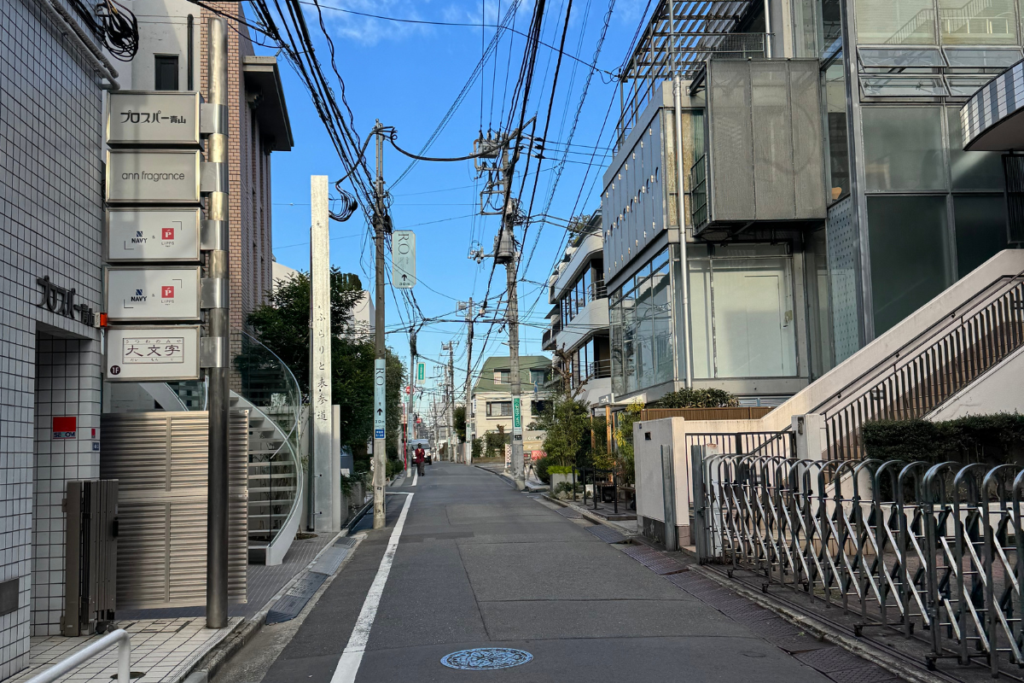
Japan’s cleanliness is famous, but the reality of living here reveals that it relies on personal discipline rather than public infrastructure. Public trash bins are almost nonexistent. Instead, everyone is expected to carry their trash home and sort it according to very specific recycling rules. Each neighborhood has its own system, and learning it feels almost like a civic responsibility course during the first week. At first, this was inconvenient, but it soon became impressive; streets remain remarkably clean without visible infrastructure, and the discipline around recycling fosters a strong sense of collective responsibility. What initially feels strict quickly reveals itself as thoughtful and effective.
Order and Quiet on Public Transportation
One of the most comforting adjustments to daily life in Tokyo is the rhythm of public transportation. Lines are clearly marked on subway platforms, which people respect. Boarding and exiting trains is quiet, orderly and calm. After years of Paris metro chaos, this felt almost unreal. The predictability reduces stress and creates a controlled, efficient experience rather than an overwhelming one, even during rush hour.
Living in a Cash-first Yet Hyper-connected Society
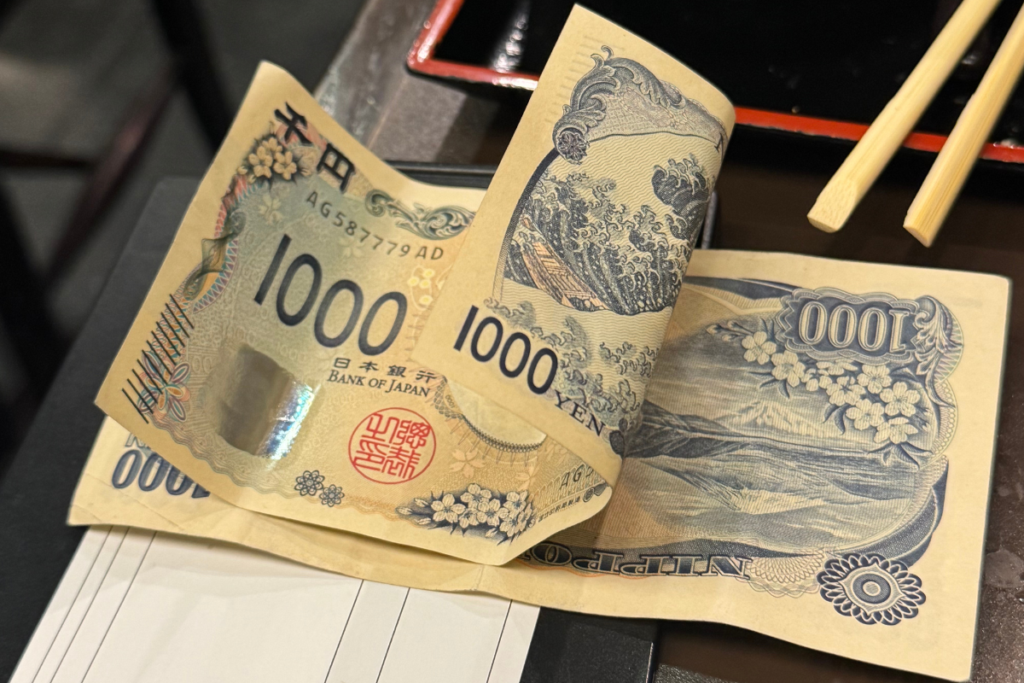
Despite Japan’s technological reputation, carrying cash is still essential for living here. Many restaurants and small shops still do not accept cards, so carrying yen quickly becomes second nature. At the same time, the city is hyper-connected; free Wi-Fi in many places such as cafes, shinkansen and train stations which offer reliable connections. This contrast between digital convenience and traditional payment habits was unexpected but quickly manageable once accepted as part of daily life.
Daily Utility of Convenience Stores
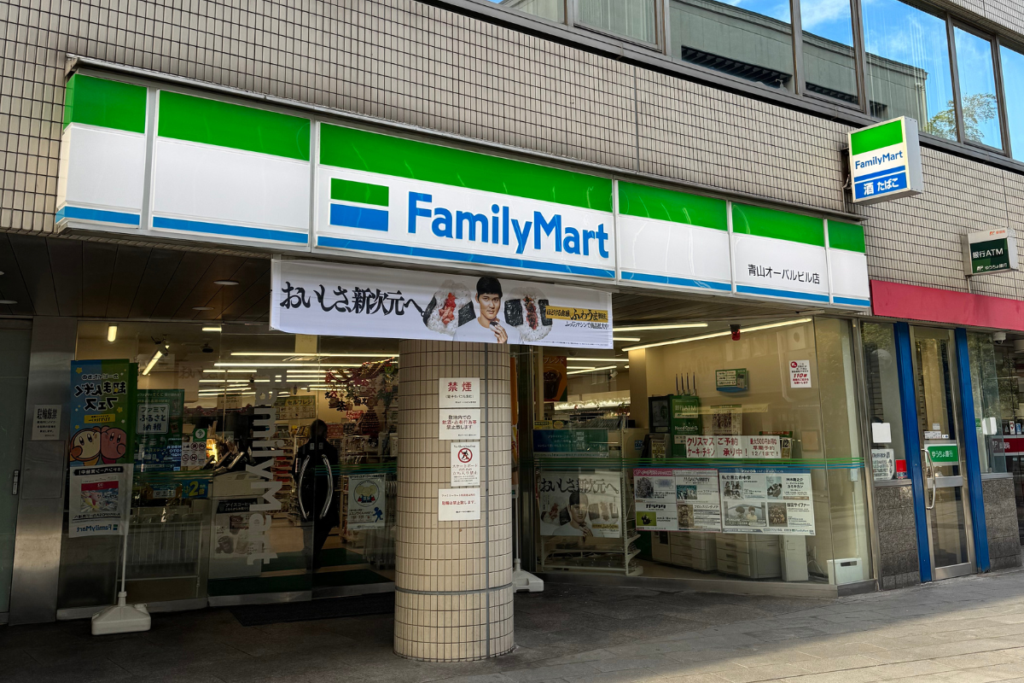
Convenience stores in Japan serve as essential daily utility hubs rather than just late-night backup options. The food quality is consistently high, ATMs are reliable and the sense of safety is remarkable. Walking into a convenience store late at night never feels risky or uncomfortable. For someone newly arrived, this reliability offers reassurance and stability during the adjustment period.
Affordability and Cost of Living
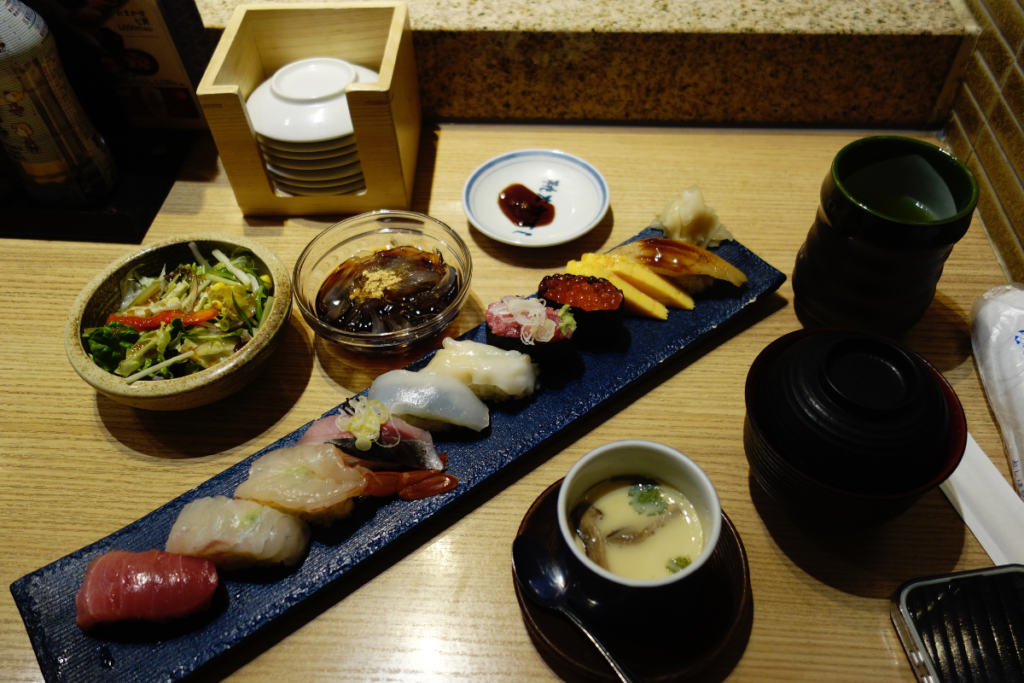
One of the most surprising discoveries about living in Tokyo is how affordable daily life feels compared to cities such as Paris. Eating out is significantly cheaper, making high-quality meals accessible without hesitation. Public transportation is efficient and reasonably priced, and everyday purchases feel lighter on the budget. While rent varies widely depending on location, the overall cost of living feels more manageable than expected, particularly for professionals relocating with international income.
Exceptional Standards of Customer Service
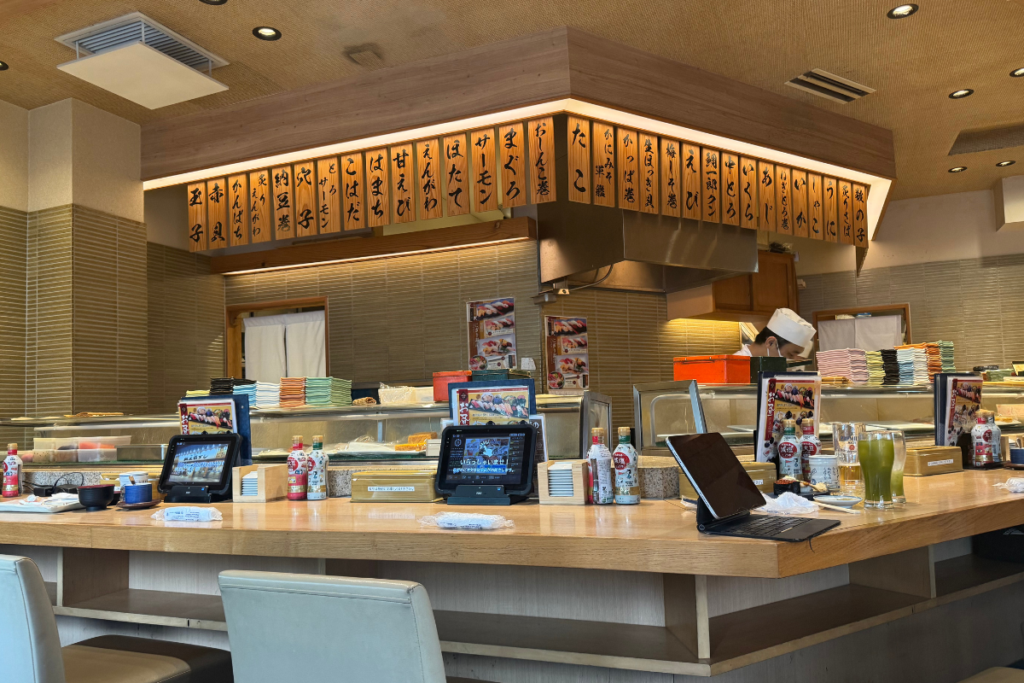
Customer service in Japan sets a new standard, where interactions are usually handled with attention, respect and professionalism. Staff anticipate needs rather than react to them, and even small purchases are treated seriously. Coming from France, where service culture can feel more transactional, this level of care stands out and quickly becomes one of the most appreciated aspects of daily life.
Fashion and Finding Your Size
Tokyo’s fashion scene is vibrant, but adjusting to the aesthetic and sizing takes time. The overall aesthetic differs from Parisian style, and finding clothes that truly feel personalized proved difficult at first. Shoe sizes also run smaller, limiting options. However, thrift stores became a personal highlight. They offer incredible variety, quality and individuality, making them ideal for those looking to express themselves outside mainstream trends.
Managing Indoor Heating and Dry Air
Japan’s climate felt drier than expected, requiring adjustments to personal care routines. Within days, dry skin and lips became noticeable, especially indoors where heating is often set quite high. Heated restaurant and cafe terraces are common, and while comfortable, they contribute to the dryness. Simple adjustments such as carrying lip balm and moisturizer quickly became part of my routine.
Finding Community in Koenji
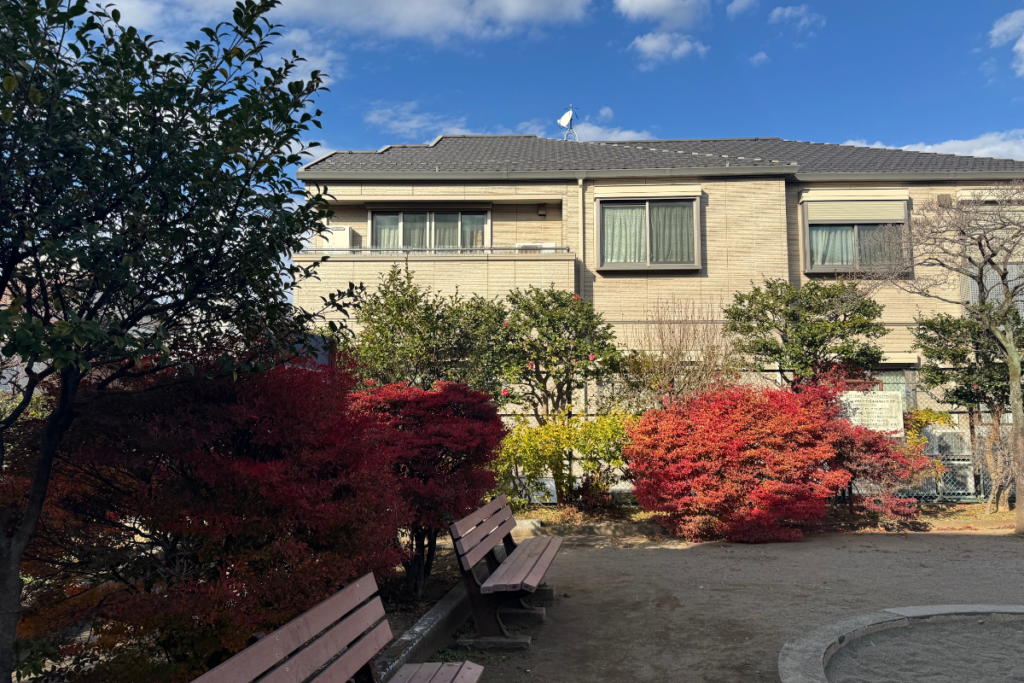
For newcomers, Koenji provides an ideal entry point into living in Tokyo. The neighborhood feels creative and welcoming—exactly what I was looking for in a place to feel at home. It offers a sense of community while remaining well connected to central Tokyo. For those seeking a balance between local authenticity and urban access, it provides a softer landing than more corporate districts.
FAQ
Is moving to Japan difficult for French expats?
The adjustment is gradual. Most challenges are practical rather than cultural.
Do you need Japanese to live comfortably in Tokyo?
English is widely supported in daily life, especially in Tokyo but I recommend learning basic Japanese.
Is Tokyo safe for newcomers?
Yes. Tokyo is one of the safest major cities in the world.
Is Koenji a good neighborhood for first-time residents?
Koenji offers strong local character, affordability and easy access to central Tokyo, especially if you are interested in thrift shopping, traditional restaurants or prefer living in a calm area.
Living in Tokyo does not feel overwhelming; it feels precise. Each day introduces a small lesson in awareness, adaptation and respect for shared space. For those arriving from Paris or similar global cities, Tokyo offers not just a new place to live but a new way of experiencing everyday life.
For more insights, guides, and stories about making a home in Japan, subscribe to the GoConnect Newsletter.