From Nebraska to Tokyo: Debunking Family Life Misconceptions
When my wife and I decided to move our family from Nebraska to Tokyo, we embraced the idea with open arms. We knew it would be difficult and that things would be different, but we were ready for the adventure. As a mixed American-Japanese family, we had questions about whether our children would miss nature or if Tokyo’s residents would be cold to foreigners.
Now, two and a half years into our life in Koganei, West Tokyo, I’ve discovered that raising kids in Tokyo is not only possible but incredibly rewarding. Almost everything we worried about was wrong. If you are considering a similar move, here is what we have discovered about the reality of Japanese city life.
Misconceptions of raising kids in Tokyo:
My Kids Are Going to Miss Nature and Playing Outside
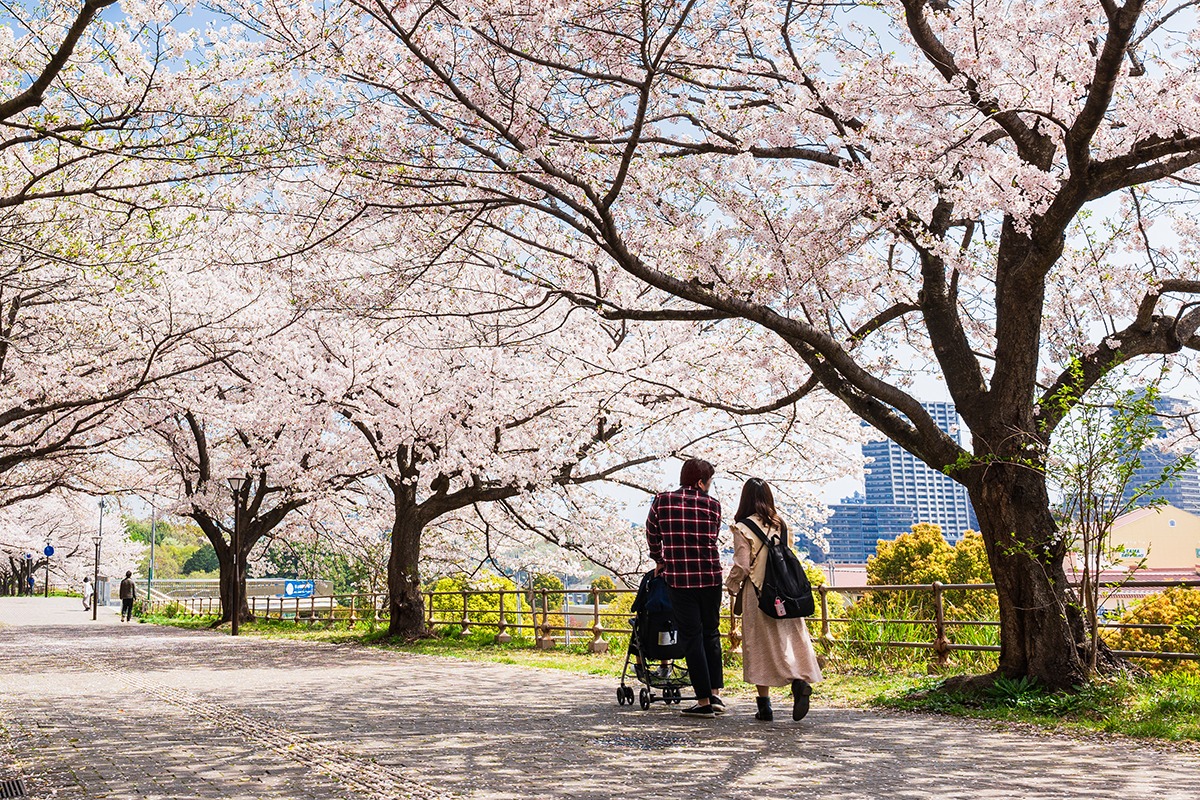
The reality of raising kids in Tokyo is that nature is woven into the urban fabric in ways I never anticipated. While I feared my children would be confined to tiny apartments, we found a house in Koganei and discovered that Tokyo’s green spaces often exceed American standards.
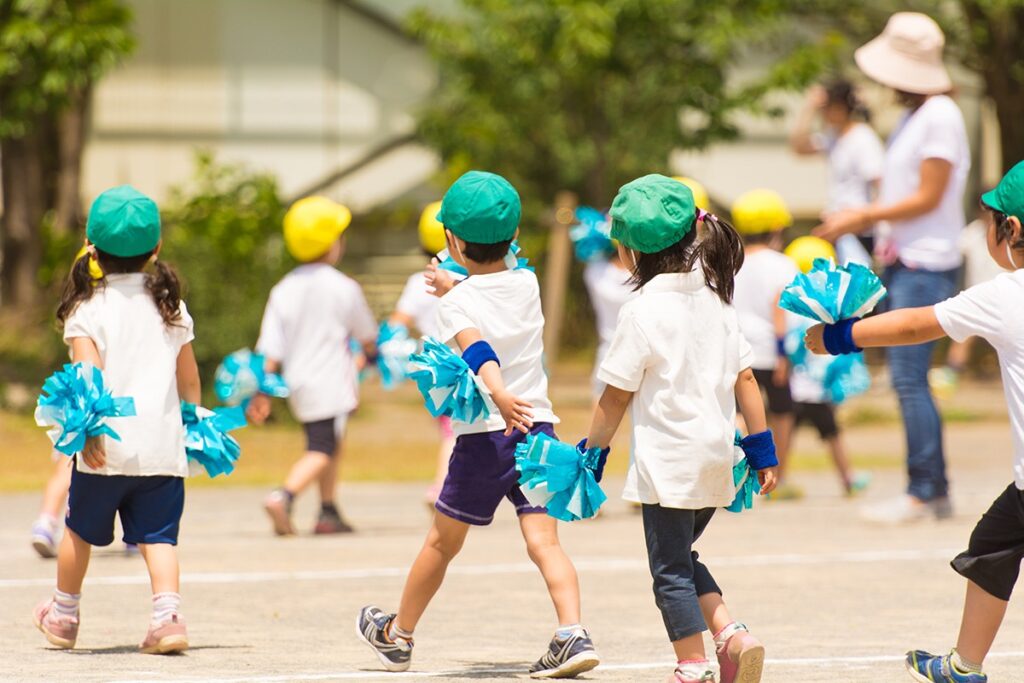
In Nebraska, we’d drive everywhere, but here, walking is the default. Our neighborhood boasts numerous parks, and our kids now walk up to 40 minutes a day to explore different playgrounds with their hoikuens (city-run preschools). They are getting more exercise and building more stamina than they ever did back home. Beyond our local area, incredible spots such as Inokashira Park and Mount Takao are easily accessible for weekend family adventures.
People in Tokyo Are Cold to Foreigners and Families
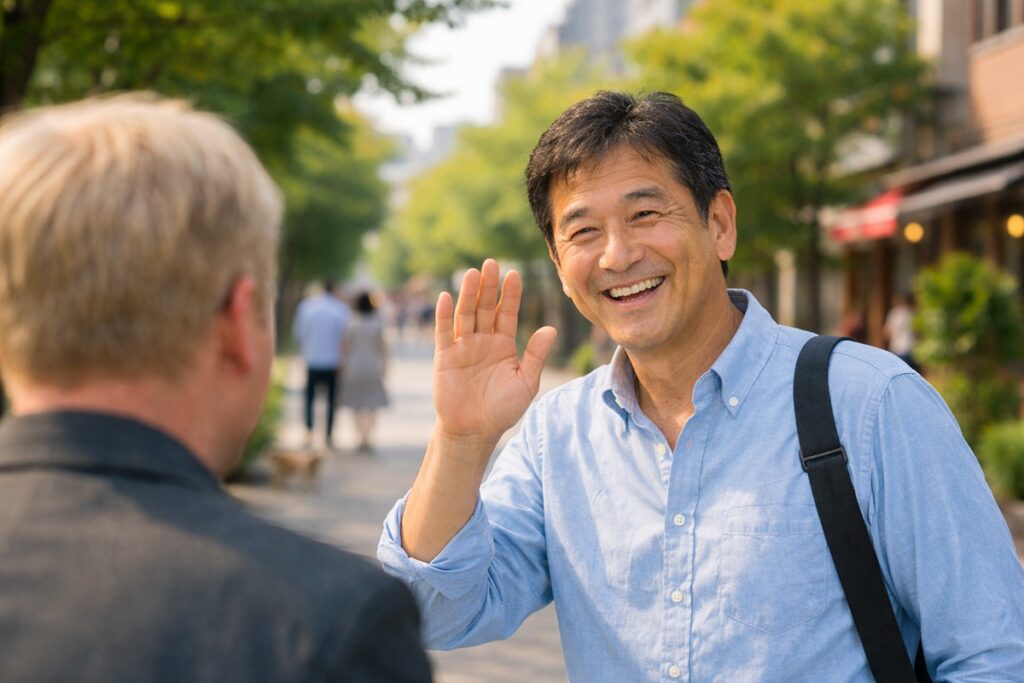
Despite stereotypes of cold city dwellers, our experience of raising kids in Tokyo has been characterized by overwhelming warmth and helpfulness. Most people go out of their way to hold elevators, make space for strollers or offer seats to my wife when she is managing both children.
While crowded trains and rush hour can be challenging with family gear, these moments are the exception. From restaurant staff bringing extra napkins without being asked to strangers smiling at our children, the city has been incredibly welcoming. Having children has actually opened doors to local connections we didn’t expect.
People in Neighborhoods Keep to Themselves
I expected anonymous living, but I was completely wrong; the sense of community when raising kids in Tokyo is present and deeply rooted in a culture of appreciation. Our neighbors greet us warmly at all times of the day and frequently bring us omiyage (gifts from travels).
This connection became even clearer when we invited our neighbors over for a BBQ—a common Nebraska tradition that translated surprisingly well to West Tokyo. They enjoyed themselves and expressed their gratitude for weeks afterward. While the community feels more formal and ritualistic than in the U.S., our neighborhood feels safer and more connected than I ever imagined possible in a major city.
Tokyo Is Unsafe for Kids or Limits Their Independence
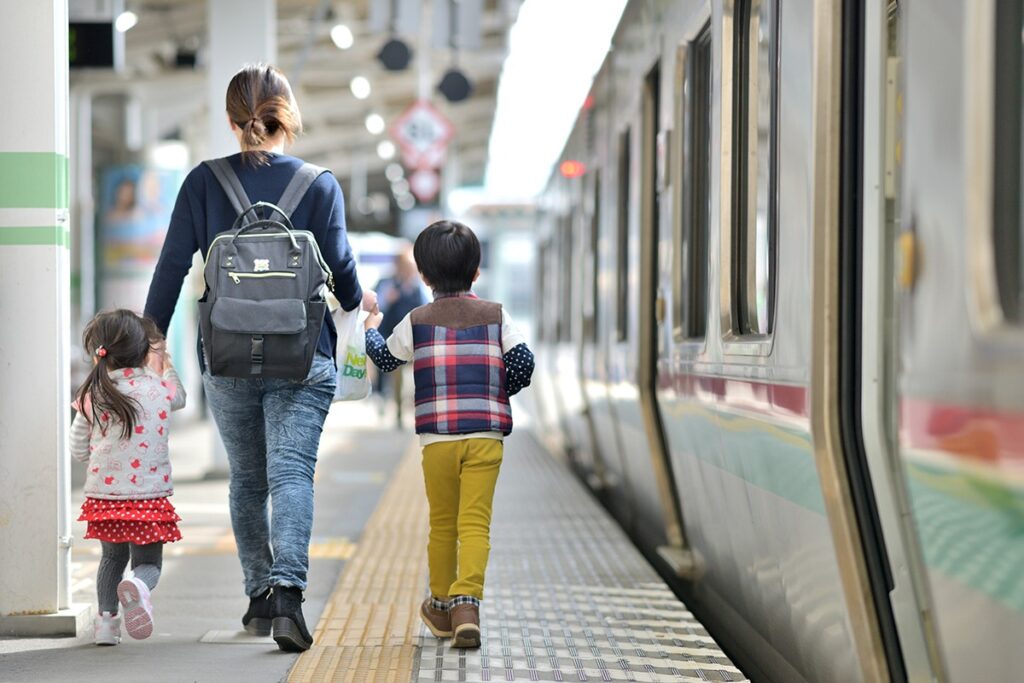
Tokyo is remarkably safe—perhaps safer than anywhere we have ever lived—and it fosters a level of independence in children that is rarely seen in America. It is common to see elementary school children commuting to school alone or running errands, supported by a culture of community responsibility where adults look out for all children.
For a family raising kids in Tokyo, the low crime rate and extensive koban (police boxes) provide immense peace of mind. Traffic is managed with clear pedestrian signals and drivers who actually stop for families. Our kids navigate local shops and parks with a confidence that has grown significantly since we moved.
Our Kids’ Experience as Half-Japanese, Half-Americans
Our biggest question was how our mixed-heritage children would fit in. The first six months were rough as they struggled with the language, but children are remarkably resilient. Today, they are completely bilingual and navigate both cultures effortlessly.
In their hoikuens, being different has been a point of connection rather than alienation. Their friends are fascinated by their ability to speak English, and their teachers celebrate their bicultural identity by acknowledging holidays such as Thanksgiving alongside Japanese traditions such as Setsubun. The city-run hoikuen system has been an enormous financial relief, providing free, high-quality care that supports our family’s growth.
The Reality Check
Raising kids in Tokyo is an adventure, but it isn’t without its difficulties. My biggest challenge is the language barrier; while my wife and kids are fluent, I am still learning and often rely on them to translate or help me navigate bureaucracy. We also deal with homesickness and the reality of being far from my family in the United States.
However, the misconceptions we held about nature, safety and community have been thoroughly debunked. Tokyo has surprised us in the best possible ways, offering a bicultural perspective we could never have provided in my hometown.
FAQ
Is Tokyo a good place for raising kids who love the outdoors?
Yes, Tokyo is surprisingly green, especially in residential areas such as West Tokyo. Children often get more exercise here because walking is the primary mode of transport and city-run hoikuens take kids to local parks almost daily.
How are mixed-heritage or foreign children treated in Tokyo?
In our experience, being bicultural has been celebrated. While the initial language transition can be tough, children often become fluent quickly, and classmates are typically curious and welcoming rather than judgmental.
Is the cost of childcare high in Tokyo?
Many families benefit from city-run hoikuens, which are free for residents. This system provides excellent care and education, making raising kids in Tokyo more affordable than many people realize.
Final Thoughts
If you are considering moving your family to Japan, come with an open mind and give yourself time to adjust. You don’t have to give up community or nature to live in a great city; in Tokyo, we’ve found both in abundance.
To stay updated on more insights about life and family in Japan, subscribe to the GoConnect newsletter.
If you enjoyed this article, please let us know and share your thoughts at hello@goconnect.jp.