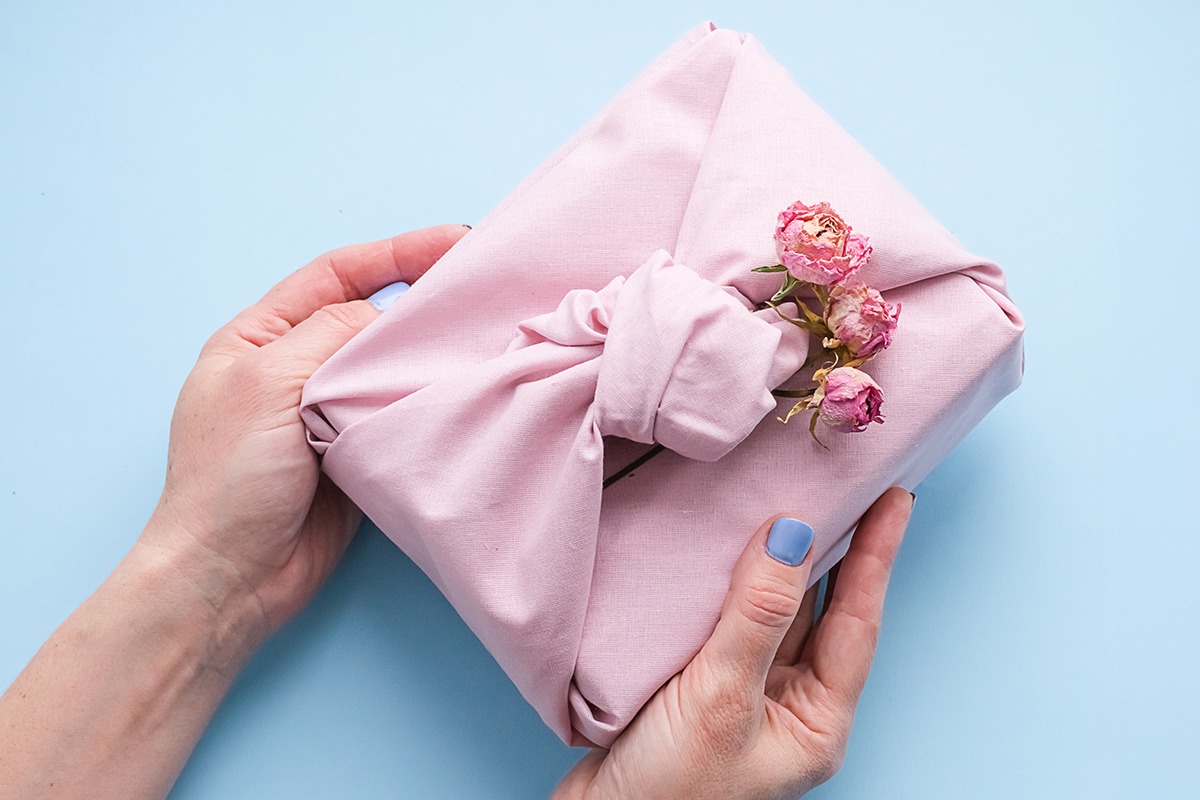
For the Folks Back Home: Best Japanese Souvenirs
What is enriching your life in Japan is worth sharing with those dear to you on the other side of the world—even if but a small precious portion.
Handheld
Art Sou was founded back in 1985, in Azabujuban, Tokyo. The shop aims to capture the Edo Period (1604–1868) up to modern times. Tenugui (traditional Japanese decorative towel) was perfected when the Tokugawa Shogunate ruled the land while the emperor remained isolated in Kyoto. Edo, of course, is the old name for Tokyo. At Art Sou, there are more than 1,000 original decorative towels made of light cotton, especially useful during the humid months of summer, but also serve as great Japanese souvenirs.
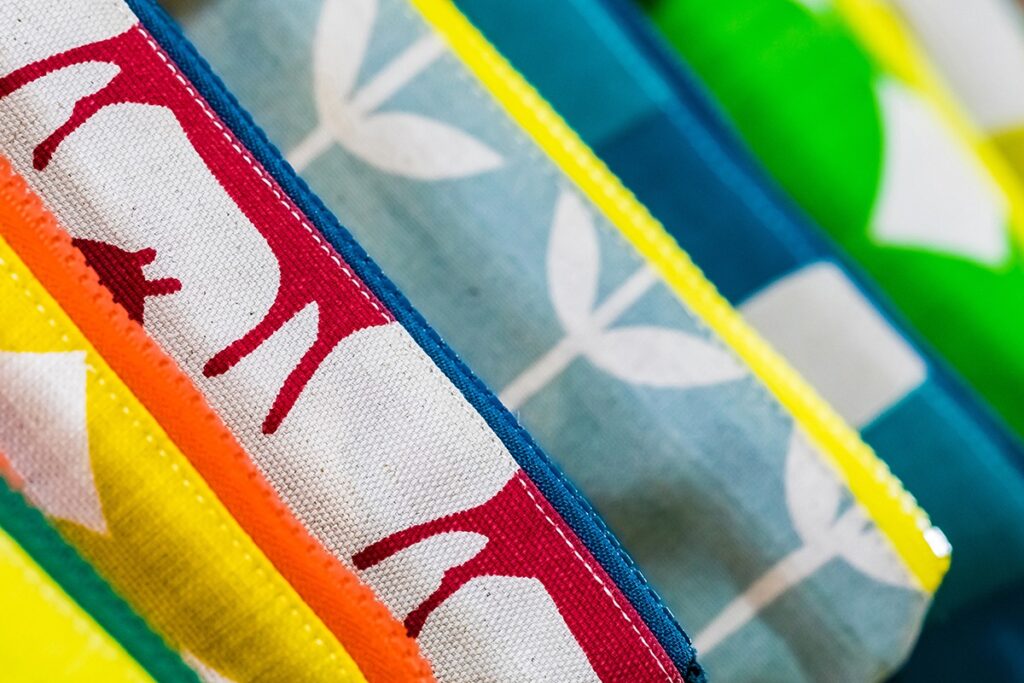
Tsutaya Shouten is in Tsukiji and specializes in a variety of products originating in the 17th century. Noren are shop curtains that are a great way to decorate doorways. The shop can handle made-to-order products with original designs and dimensions to suit the atmosphere sought by individual shop owners.
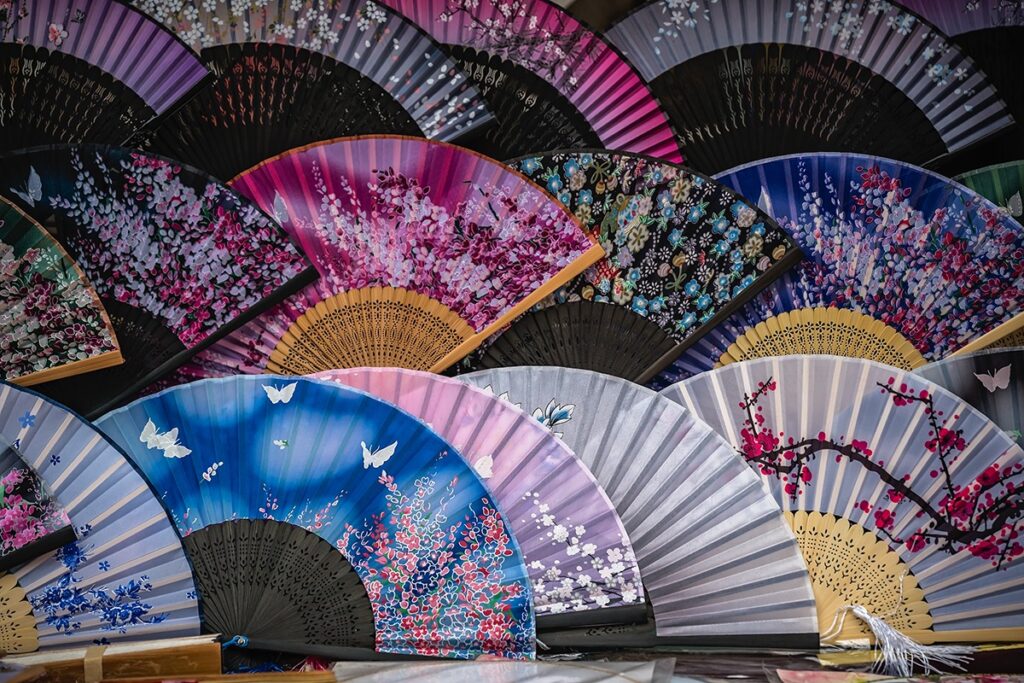
Japanese handheld fans come in two types: flat uchiwa and folding sensu. Manyo in Asakusa offers various fans, including ones for dance and decorative fans to enhance your space. They also can recommend gift fans from which to broaden your choices. Manyo suggests that their decorative fans can serve as lucky charms for opening celebrations, housewarmings, baby showers and more. They also can arrange for hand-painted names placed on the fans by craftsmen.
Lacquer homegrown
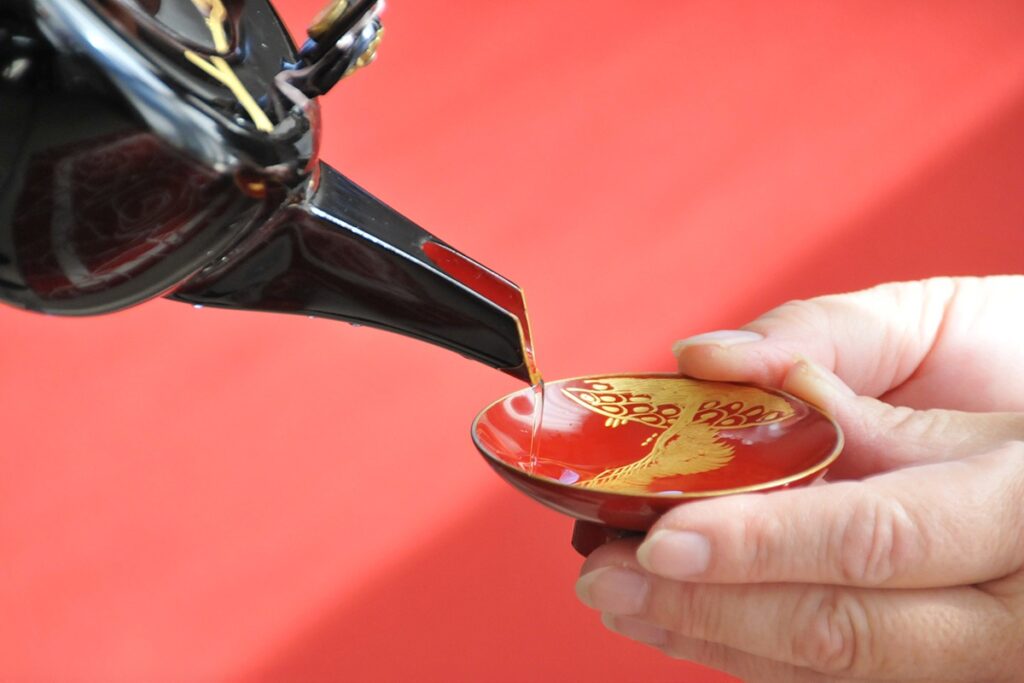
Yamada Heiando is in Shibuya, founded in 1919. The shop is a purveyor to the Imperial Household Agency, cherishing the traditions of their ancestors while also striving to offer new, original lacquerware to suit modern lifestyles. Whether it’s for gifts or for your own home, they offer “tableware that you’ll want to talk about.”
The shop offers the following helpful tips on caring for lacquerware:
- Except for highly artistic lacquerware, in other words, all ordinary lacquerwares can be cleaned in the same way as regular tableware, with a sponge and detergent.
- Avoid direct sunlight.
- Avoid extremely dry (such as direct exposure to a heater) and humid conditions.
- When storing, it is recommended to stack lacquerware pieces on top of each other to prevent scratches.
- Fingerprints can be wiped off with a dry cloth.
- To maintain the luster of lacquer, it is effective to wipe with a soft, dry cloth.
So, what are the characteristics of lacquerware that make them marvelous gifts? Thanks to the insulating properties of lacquer, your bowls will never be too hot to hold. Also, the excellent heat retention of lacquer keeps the content warm. The lacquerware is also more shatter-resistant and chip-resistant than other tableware.
A major feature of lacquerware is its beautiful luster. Its soft, glossy shine not only makes it visually beautiful, but also provides a gentle touch when you handle it. With continued use, the lacquerware will acquire a deeper, richer flavor.
While lacquer trees grow throughout Asia, Japan discovered an aesthetic sense in the unique texture and established it as a craft.
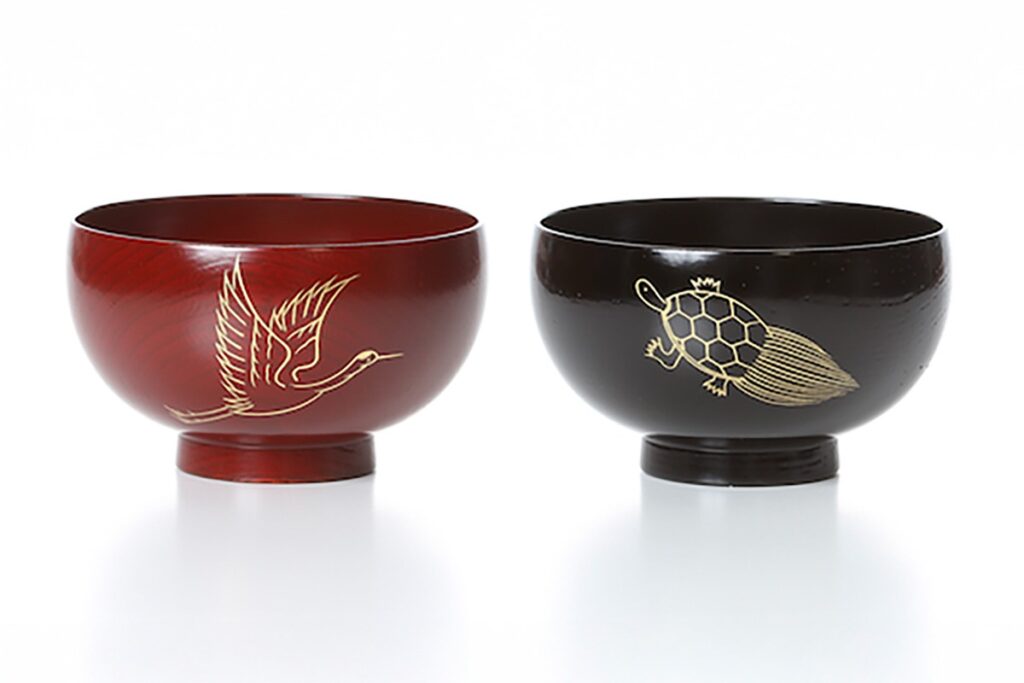
Japan Traditional Crafts Aoyama Square is an association for the Promotion of Traditional Craft Industries and is a source of regional special lacquerwares.
For example, Kyo-Shikki is the ancient capital city of Kyoto’s style of lacquerware in the Kinki region. The maki-e technique of Kyoto lays down gold and silver dust. Its main features are the elegant and sophisticated design, the robustness, the beautiful two- and three-dimensional elements and the delicate finish. That said, it is also characterized by wabi-sabi, an aesthetic view based on the acceptance of transience and imperfection, which is not seen in styles from other production centers.
Ceramics on exhibit
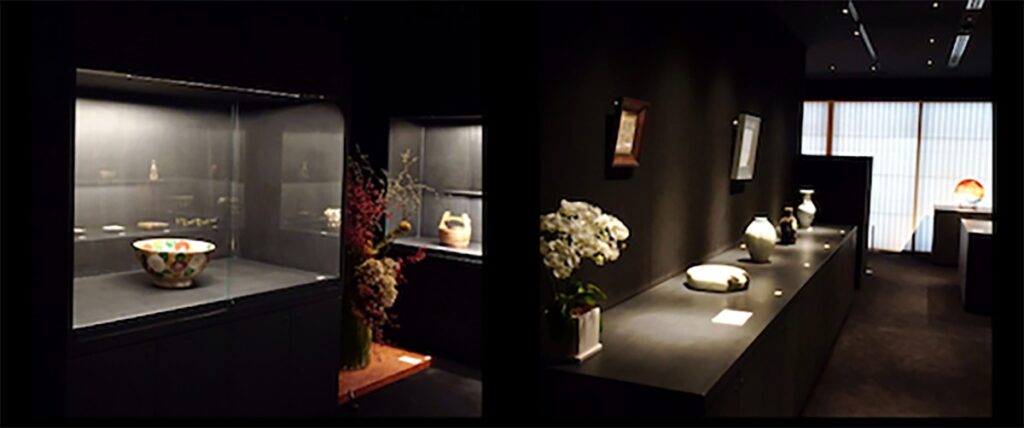
Kuroda-touen was founded in 1935 and located in Ginza, specializing in Japanese modern, contemporary ceramics and antiques. They keep up both a weekly evolving exhibition as well as a monthly one. Artists have included Rosanjin Kitaoji, Shoji Kamoda, Kanjiro Kawai, Shoji Hamada and more. The main gallery is on the 5F of the Toraya Ginza Building, while the annex has a more casual opening style and features smaller works such as sake cups, teacups, tea bowls, to larger works of flower vases and jars. Only a two-minute walk separates the two venues.
The fruits of labor
Sembikiya Fruit in Nihonbashi was established in 1834 and located in many of the department stores’ depachika basement food levels. Nihonbashi Bridge marks the origin of Gokaido, the five main travel roads in Edo, and is depicted in ukiyoe wood-block prints by Hiroshige Utagawa and Katsushika Hokusai. Muskmelon is Sembikiya’s signature fruit and is said to be the king of fruits. Its taste, scent and appearance are exceptional. The company only offers muskmelons grown in Shizuoka, where the amount of sunshine is more than anywhere else in Japan. The farmers control the moisture and air temperature inside the glass, not vinyl, greenhouses; only one fruit is yielded from each stem.
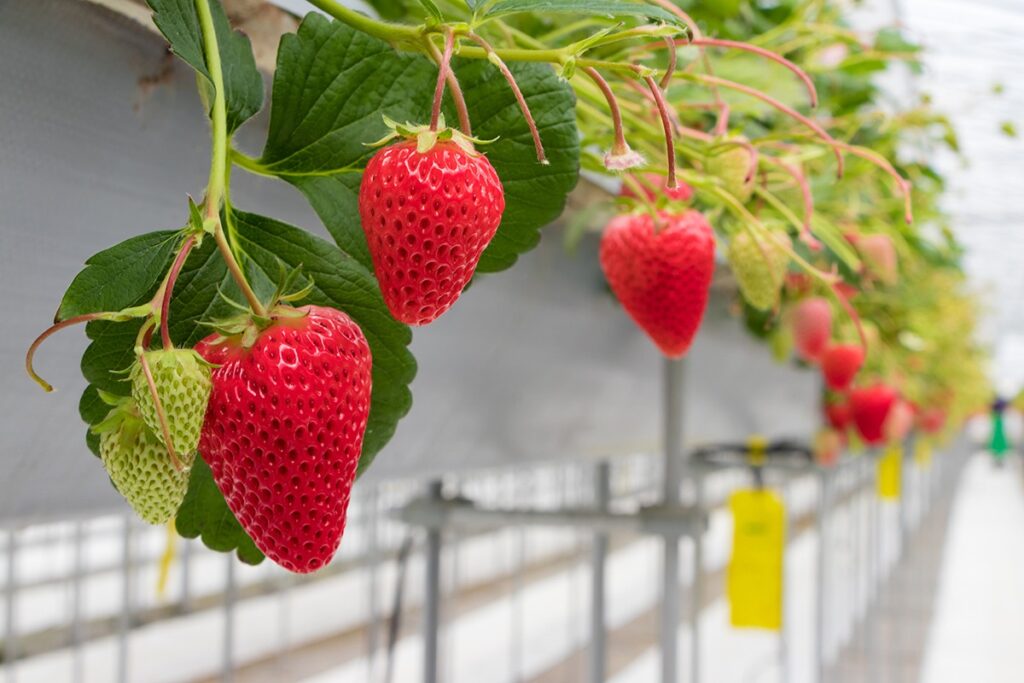
The Queen Strawberry comes from Kagawa and is crimson and shiny. Sembikiya selects a very limited number that meet their requirements, amounting to only 3% of all strawberries grown there. These have become the leading product for Sembikiya in winter.
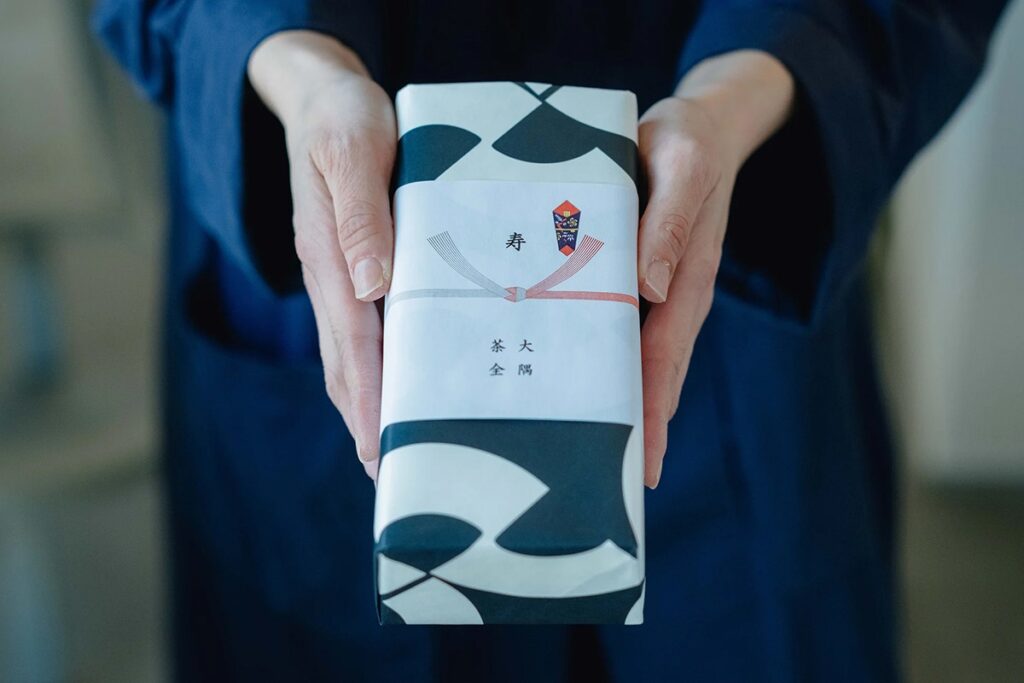
Ohsumi Sazen in Miyazaki prefecture provides gift sets “that are just right for giving a small token of appreciation to someone special.” Their winter gifts include tea mead, green tea varieties, tumblers, preserved flowers and more. Their Green Tea Legend won the Extreme-Japanese Tea Award 2023 and their Horiguchi Seicha Tea garnered the Great Taste Winner prize. Ohsumi Sazen reminds their customers that tea keeps well and is enjoyed by people of all ages, supporting physical and mental health and providing “a moment of relaxation and respite from the ‘busyness’ of the year-end season.”
How sweet it is
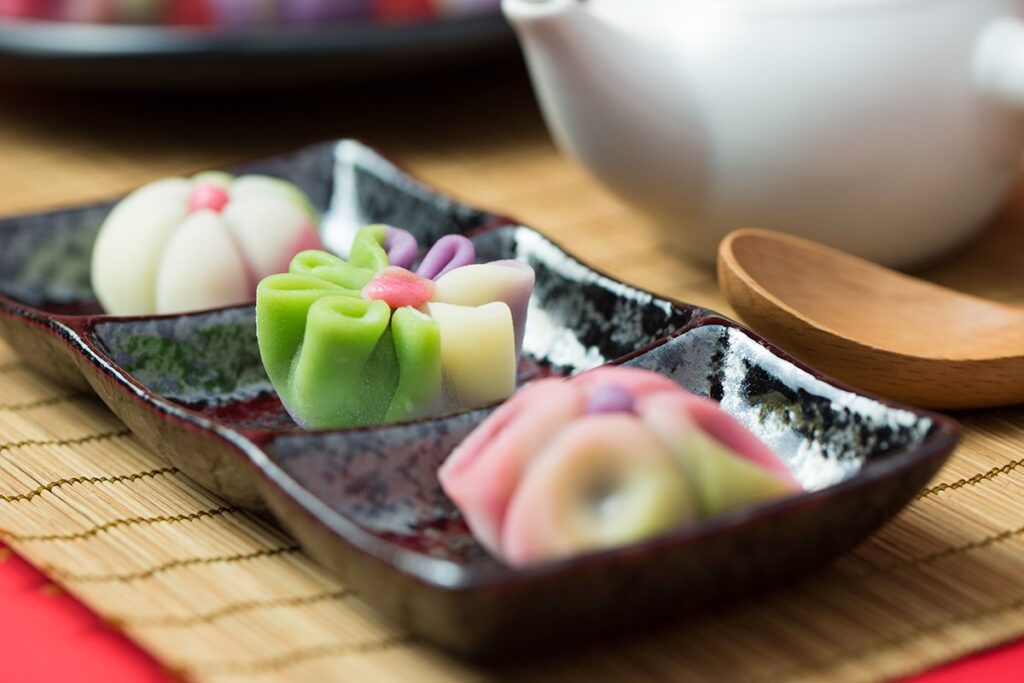
Kinseiken is a wagashi Japanese sweets shop in Yamanashi prefecture for more than 120 years. The concept of shindo-fuji means that eating locally grown food in season is good for one’s health. Kinseiken knows that sweets made with ingredients from a place surrounded by nature—where the air is crisp, the water is clean and the wind is pleasant—are the “most simple and tastiest.” A classic souvenir from Yamanashi is shingen mochi, named after the famous warlord Shingen Takeda. This rice cake is consumed in the style of what he ate when he went into battle—with a generous sprinkling of brown honey and soybean flour. No preservatives and no synthetic preservatives are used.
Regarding fresh confectionery from season to season, there is the tenderness of beans and rice. Also present are the intense aroma and taste of ingredients such as cherry blossoms and Japanese mug wort. All work to make the cool water confections pleasing to the eye and to deliver a variety of tastes celebrating the harvest.
’Tis the season to celebrate with family and friends, offering them a taste of Japan you are encountering—and that can be treasured a lifetime.
To stay updated on more insights about life in Japan, subscribe to the GoConnect newsletter.
If you enjoyed this article, please let us know and share your thoughts at hello@goconnect.jp.