
Private Equity and Activist Investing in Japan: A Breakdown for 2026
Japan is an island, and it’s leveraging land and sea opportunities to attract overseas investment, defying a broader global slowdown.
Private equity growth
Bloomberg reported in mid-March that Japan’s private equity market has been a standout winner in a region where deal-making has slowed. As a result, L Catterton, the private equity firm backed by French luxury fashion house LVMH Moët Hennessy Louis Vuitton (pictured above), has focused most of its investments on private, family-run businesses with succession challenges or newer companies needing expansion assistance.
The Greenwich, Conn.-based firm anticipates focusing on sectors from cosmetics to food, pet care and restaurants, according to Toshitaka Shimizu, Japan head for L Catterton, in a Bloomberg interview. L Catterton has around ¥50 billion in deal capacity with combined equity and debt financing, Shimizu said.
“When we talk with founders, we don’t come across as a financial investor but as more of a consumer industry specialist,” Shimizu told Bloomberg in Tokyo. “If we just compete on valuation, then it’s quite difficult to win.”
Defying a broader industry slowdown, Boston-based Bain Capital has raised $10.5 billion for its sixth Asia buyout fund. The successful close reinforces Bain’s position as a dominant player in the region, particularly as global investors grow increasingly selective. In addition to the new Asia fund, Bain also raised $2 billion for a Japan-specific fund in 2025.
Bain’s ability to lock down capital in roughly seven months stands in contrast to the broader market. Asia buyout funds took an average of 18 months to reach a final close last year, according to a Deloitte report published in March. Bloomberg noted that Bain’s earlier fifth Asia fund raised $7.1 billion in 2023, despite heightened geopolitical tensions.
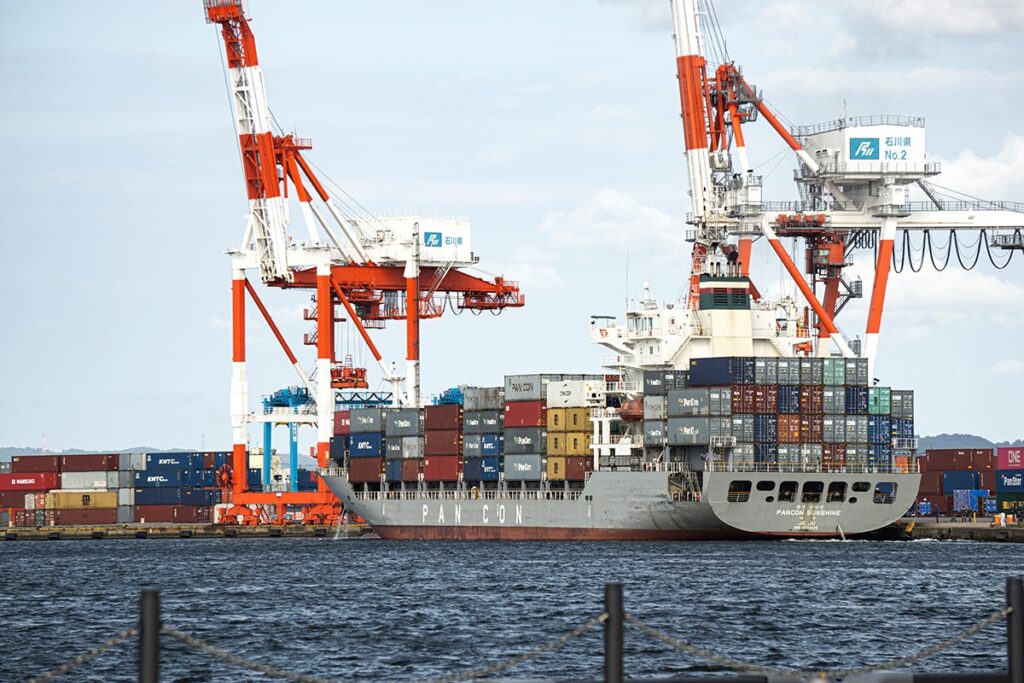
Ship-shape assets
Activist investors are piling into Japanese shipping stocks, Bloomberg reported. Limited shipbuilding capacity and elevated freight rates have boosted fleet values.
Elliott Investment Management has taken a significant stake in Mitsui O.S.K. Lines, noting the market materially undervalues the business. A similar move was made by investment firm Fuel, which built a stake of about 5% in Tamai Steamship.
Vessel prices have trended upward globally — driven by demand, inflation and limited capacity — lifting unrealized gains of shipping fleets. The war in the Middle East has also increased freight rates. Large tankers aged 15 years are now valued at approximately $78 million, up 39% in 2026 and the highest level since records began in 2013.
Good quality, Japanese-built used vessels command high prices, and transport disruptions due to the Iran war have further boosted valuations of large tankers, Rebecca Galanopoulos, a Veson Nautical analyst, told Bloomberg.
Hibiki Path Advisors, which raised its stake in Tamai Steamship to around 9%, said in a letter that the firm’s after-tax unrealized gains on vessels totaled an estimated ¥3.7 billion as of September 2025. Zennor Asset Management reported a 5.05% stake in NS United Kaiun Kaisha, and Hong Kong-based LIM Advisors disclosed a more than 5% stake in Inui Global Logistics in February. U.S.-based Miri Capital Management also holds over 8% of the company’s shares.
“For companies with extremely low capital efficiency, unrealized gains on vessels can serve as a point of entry for activist investors,” said Daisuke Uchiyama, senior strategist at Okasan Securities.
Sector strategy
L Catterton was formed in 2016 from the merger of Catterton and LVMH’s private equity unit. It manages about $40 billion. Since opening its Japan offices in 2017, the firm has invested in nine companies. Its current portfolio includes a furniture wholesaler, the denim company Kapital and the world’s largest chain of Kobe beef restaurants. L Catterton oversees around ¥280 billion in real estate in Japan in partnership with local companies.
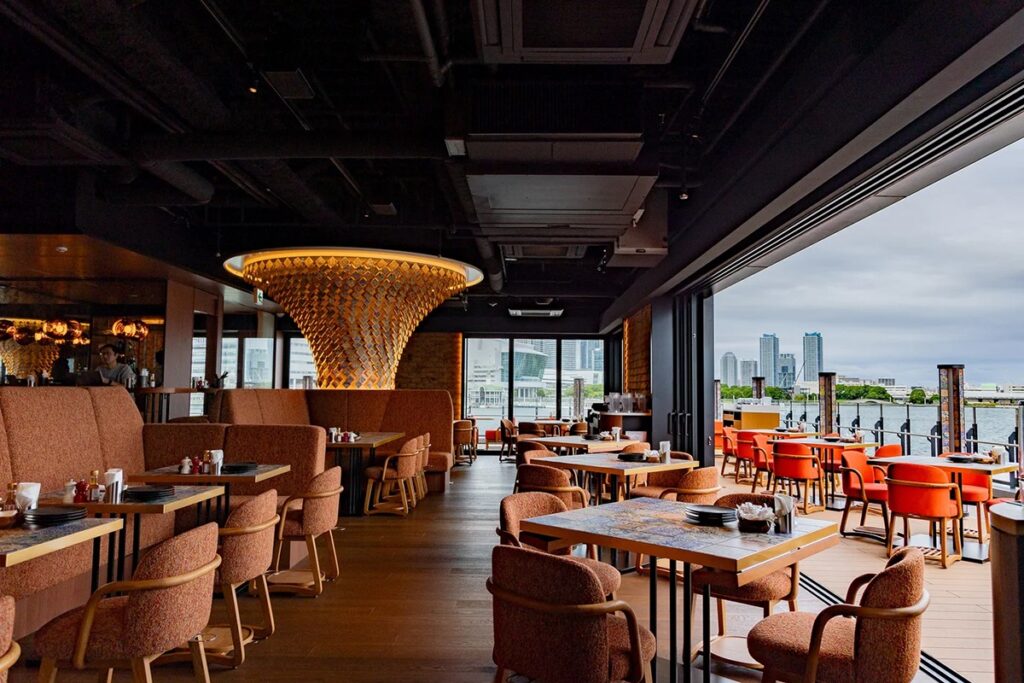
One of L Catterton’s recent investments is a stake in Huge (above), known for its premium wine bars and restaurants. Huge is aiming to double annual sales to some ¥30 billion by expanding into markets such as Hong Kong and Singapore. It is targeting an initial public offering in 2030, according to Shimizu.
Institutional shifts
Bain Capital’s fund reception reflects a growing flight to quality among institutional investors. As the private equity landscape becomes more challenging, capital is concentrating at the top.
The top five funds accounted for $15 billion, or nearly half of all Asia buyout capital raised in 2025, according to the Deloitte report. Investors are gravitating toward established managers who offer scale and reliability over smaller rivals. With $12.5 billion in fresh capital, Bain is positioned to capitalize on a dealmaking environment that many rivals are struggling to navigate.