Underrated Cities in Japan: 4 Cultural Experiences Beyond Tokyo and Kyoto
Travelling in Japan doesn’t have to mean fighting crowds of tourists for the best spot at the Shibuya Scramble. Tokyo and Kyoto are essential parts of a Japan trip, but after the initial wonder wears off, they can feel exhausting.
But there are many cities throughout Japan that deserve just as much attention, offering beautiful landscapes and unique cultural treasures, without huge crowds and queues. So if you are looking for cities you won’t find on many itineraries, here are a few to spark your interest.
Contents
- Sendai: Tohoku’s largest city and historical center
- Yamaguchi: Rich culture and breathtaking scenery
- Matsue: Castle town surrounded by water
- Takamatsu: Peaceful city on Shikoku island
Sendai: Tohoku’s largest city and historical center
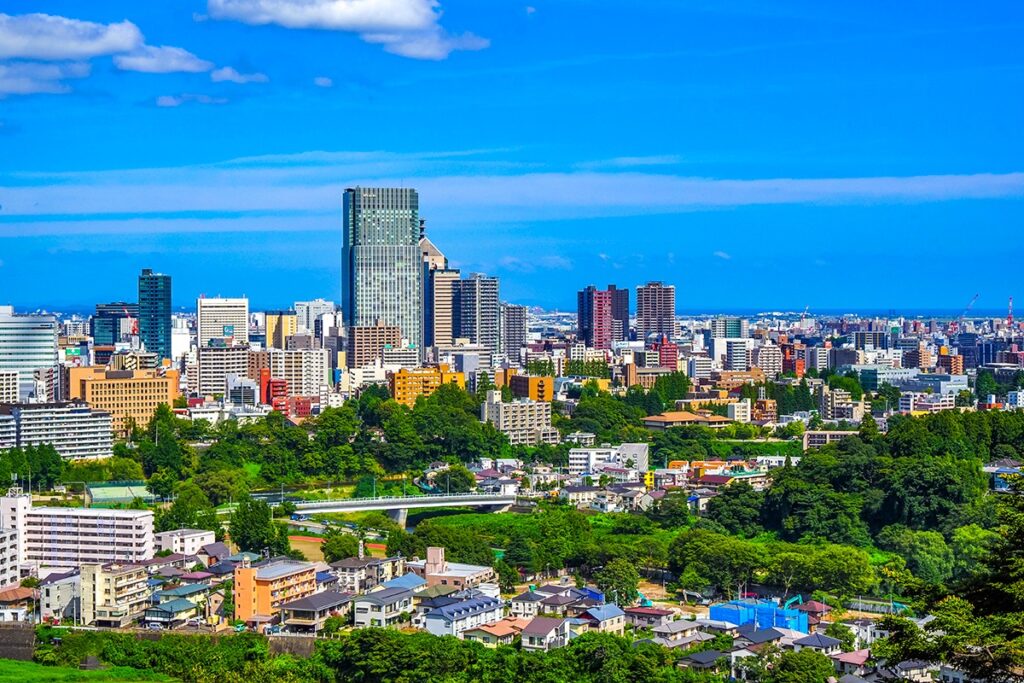
Sendai is an almost hidden city located in Miyagi Prefecture in northeastern Japan. Despite this, it’s only a 90-minute train ride from Tokyo and Sendai airport is connected to many cities across Asia.
The city was founded around 1600 by Date Masamune, a legendary Japanese feudal lord. Sendai is a relic of that era, with its culture and architecture showcasing a clash between tradition and modernity. Visitors can take a deep dive into Japanese history with the Zuihoden Mausoleum, Rinnoji Temple and Osaki Hachimangu, a Shinto shrine. To take a more active part in Japanese culture, Sendai hosts one of the largest and most famous Tanabata (star festival) celebrations in Japan over summer.
Sendai’s city center is compact and easily walkable, with many things to do: the AER Building has an observation deck giving an overview of the whole city and Ichibancho Arcade offers a plethora of stores and popular restaurants such as Umami Tasuke, famous for its beef tongue. For seafood lovers, Asaichi morning market is a must-visit for its selection of freshly caught fish from local waters.
The best day trip from the city is Matsushima Bay: only one hour away from the city center, tourists can enjoy scenic views of its pine-clad islets. For a closer look, you can also book a 50-minute boat ride around the bay for another perspective of these beautiful islands.
Key details:Distance from Tokyo: 90 minutes by bullet train Top three things to do in Sendai: Rinnoji Temple for its beautiful garden and pagoda, Ichibancho Arcade for shopping and Matsushima Bay for its boat ride and gorgeous landscapes Best for: Easy access from Tokyo and beautiful landscapes |
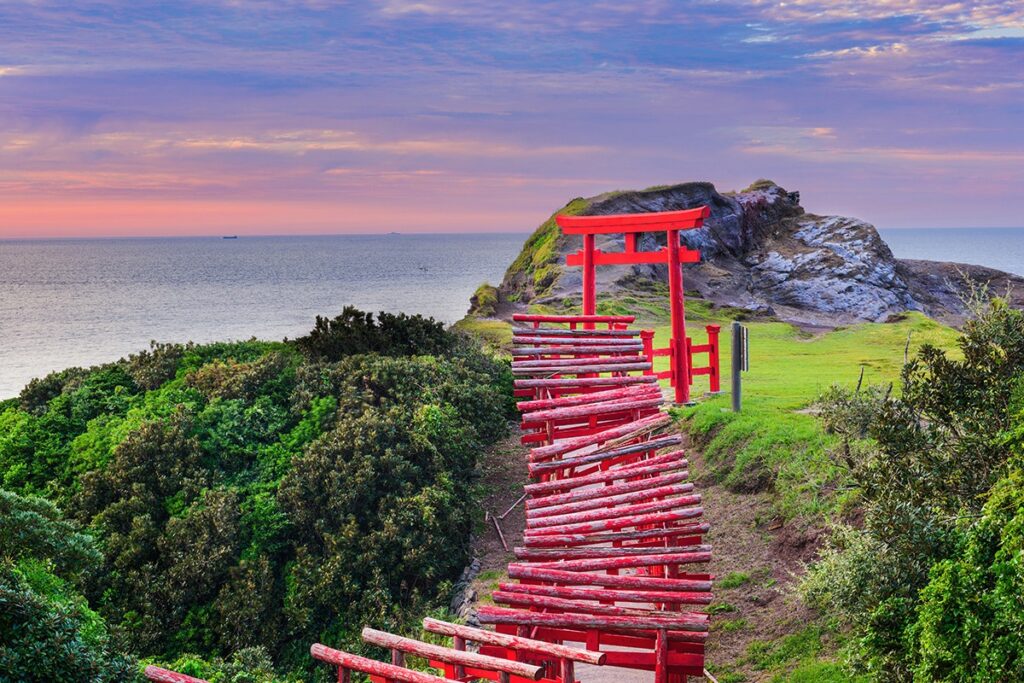
Yamaguchi: Rich culture and breathtaking scenery
Yamaguchi City is located between Kyushu and Hiroshima in its eponymous prefecture. It is easily accessible by rail or plane, making it the perfect destination for a trip away from either area.
The city is renowned for its flourishing culture, gorgeous gardens and numerous local delicacies. Under the leadership of the Ouchi clan from the 14th to the 16th century, Yamaguchi’s legacy of that era is written in stone: Rurikoji Temple’s five-story pagoda, Joeiji Temple’s elegant Japanese-style garden and Ryufukuji Temple.
The city is also the cradle of Christianity in Japan, with Francis Xavier first introducing the religion in the country in 1549. St. Francis Xavier Memorial Church was built on the 400th anniversary of Xavier’s death and is dedicated to the memory of the missionary.
One of the most popular areas in Yamaguchi is the Yuda Onsen district. Tourists visiting the city can unwind in one of the many onsen ryokan hotels for a literal spiritual rejuvenation. From a famous legend, an injured white fox healed when it bathed its leg in the water, and it is now the sacred guardian spirit of the area.
As it is surrounded by the sea, the city is famous for its seafood: fugu (pufferfish) being a particularly renowned local treasure. If that isn’t for you, try kawara soba: served on hot roof tiles, these green-tea-flavored buckwheat noodles are served with meat and spices.
Key details:Distance from Tokyo: About 4 hours, 30 minutes by bullet train and 90 minutes by plane Top three things to do in Yamaguchi: Rurikoji Temple for its beautiful five-story pagoda, Joeiji Temple for its Japanese-style garden and Yuda Onsen to unwind after a long day visiting Best for: Traditional Japanese temples, architecture, and onsen |
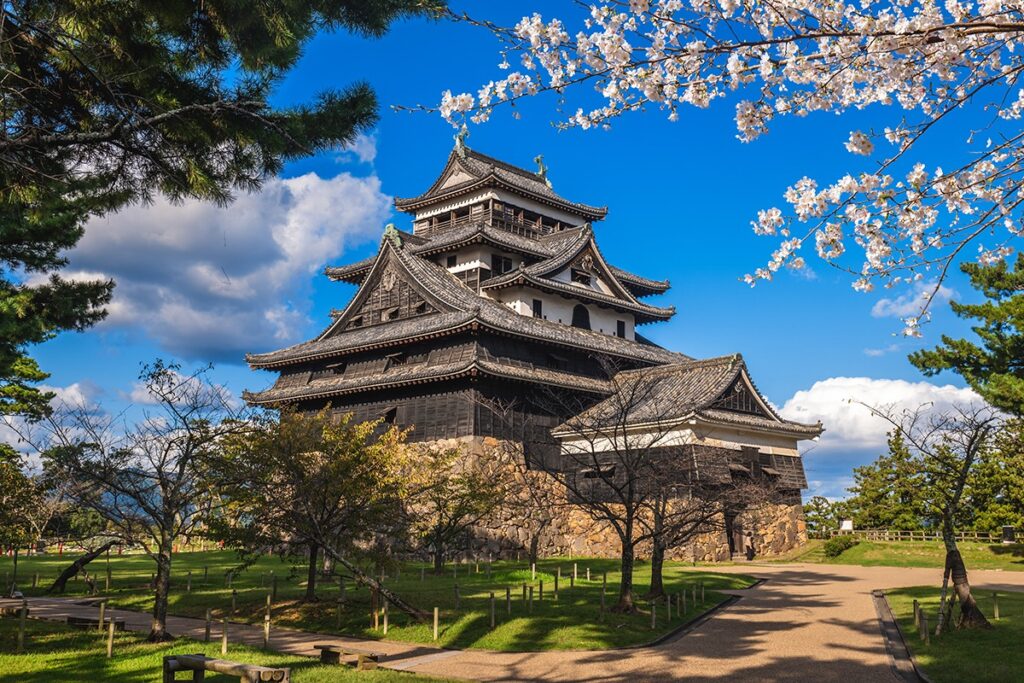
Matsue: Castle town surrounded by water
In Shimane Prefecture in southwestern Japan, you’ll find Matsue: the “City of Water.” Nestled between the Sea of Japan, Lake Shinji and Lake Nakaumi, Matsue is a castle town famous for its sunset and being the adopted home of Lafcadio Hearn, the first Westerner to obtain Japanese citizenship under the name of Koizumi Yakumo.
The city is divided by the Ohashi River: the northern shore featuring the main attractions, such as: Matsue Castle, Shiomi Nawate street running along the castle moat, Meimei-an Tea House and Lafcadio Hearn’s Former Residence. The southern shore is quieter: you can walk along the tranquil streets and find many small shrines and temples as well as the Shimane Art Museum on the shore of Lake Shinji.
If you like seafood, Matsue is renowned for the “Seven Delicacies of Lake Shinji”: the lakes and sea offer a wide range of fish that varies throughout the year.
Like Yamaguchi, Matsue has its own onsen district: Tamatsukuri. These ancient springs are one of the most important ones in Japan since they are mentioned in the Kojiki, one of Japan’s seminal works of mythology and literature.
Key details:Distance from Tokyo: About 5 hours and 40 minutes by bullet train or 75 minutes by plane Top three things to do in Matsue: Watch the sunset at Lake Shinji, visit Matsue Castle and try out the “Seven Delicacies of Lake Shinji” Best for: Fresh seafood and a unique Japanese castle. |
Takamatsu: Peaceful city on Shikoku island
Takamatsu is the capital of Kagawa Prefecture on the north of Shikoku island. Despite being on another island, the city is well connected with its airport, train station and port.
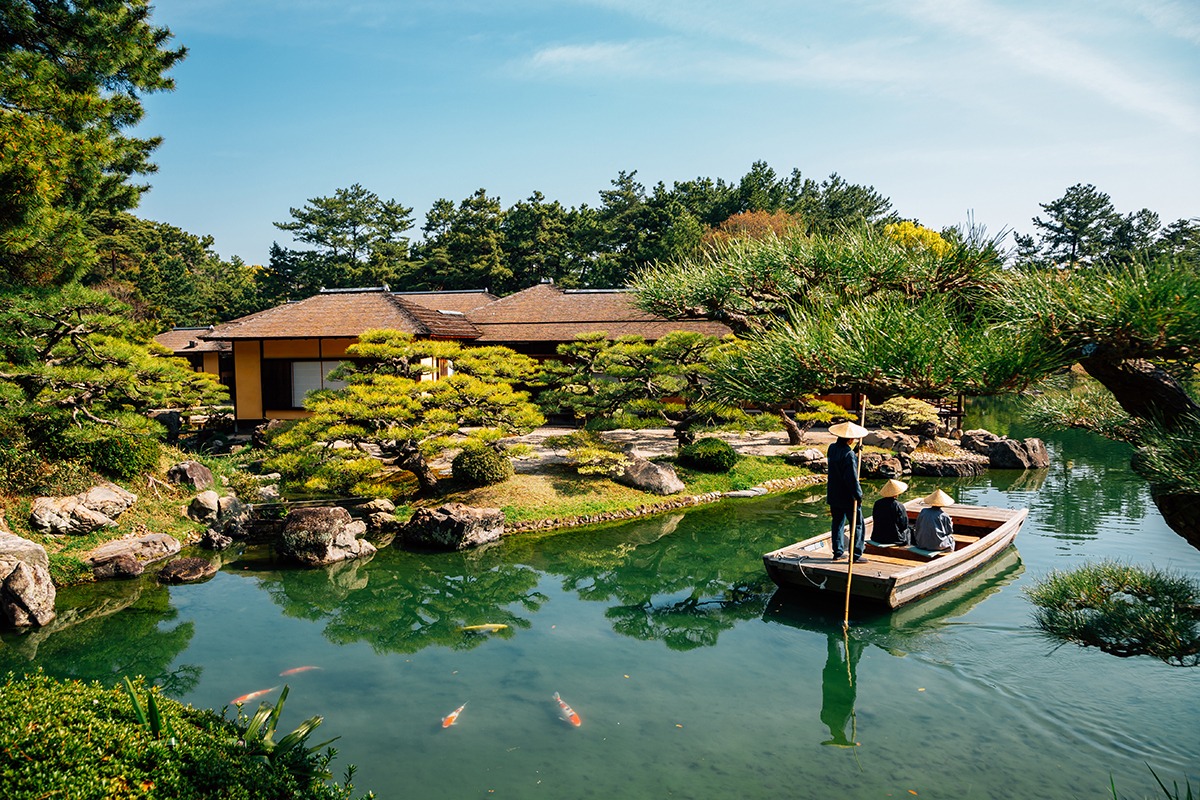
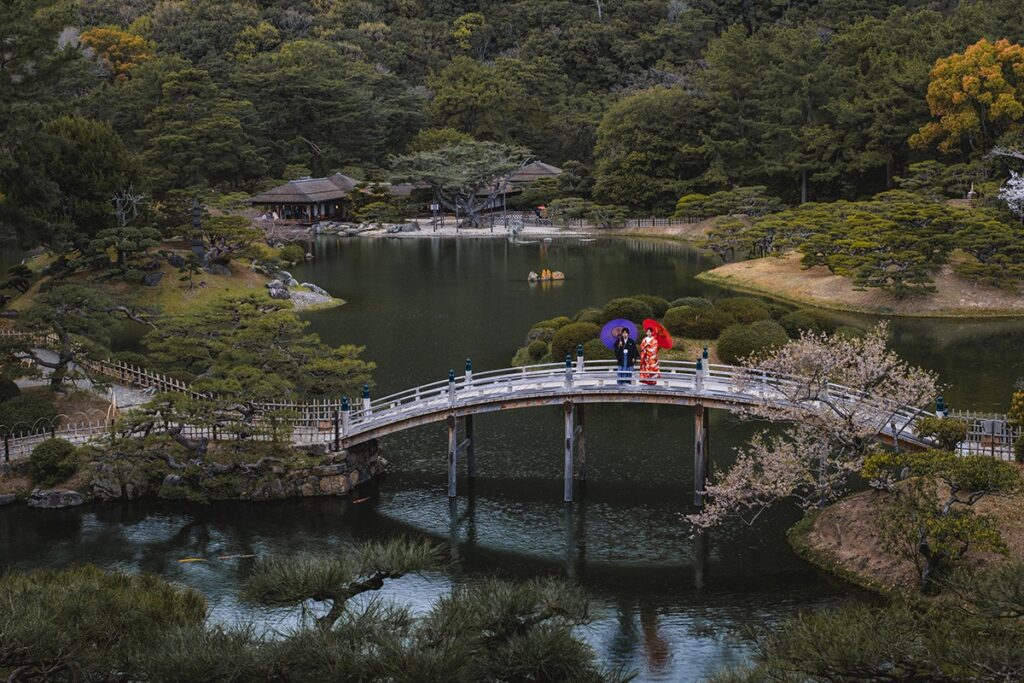
The city is mainly known for being the home of one of Japan’s most beautiful gardens: Ritsurin Koen (above). Dating back to the Edo era, Ritsurin is a pristine daimyo-style garden with its perfectly crafted hills, ponds with koi fish and its Kikugetsu-tei tea house where you can take a break with a matcha.
Tamamo Koen is on the site of the ancient city’s castle that was progressively torn down during the Meiji era and World War II. You can still see the moats, alongside three towers and a gate.
Takamatsu is well-known for udon noodles that are for some people the best you can eat in Japan. They are made with a variety of wheat native to the island and served in a comforting broth. Meat lovers are going to love Honetsuki-dori, a spicy grilled chicken thigh and leg. You can choose between a young or more mature bird depending on your preference.
One of the most famous day trips from the city is to Naoshima Island. If you love art, Naoshima is filled with art museums and sculptures. You can rent a bike to wander around the eight-square-kilometer island and enjoy Yayoi Kusama’s and Claude Monet’s work.
Key details:Distance from Tokyo: About 4 hours and 30 minutes by bullet train via Okayama Station or 1 hour and 20 minutes by plane Top three things to do in Takamatsu: Visit Ritsurin Garden to see one of Japan’s most beautiful gardens, try out the area’s famous udon noodles and enjoy a day on the art island Naoshima Best for: Nature walks through Japanese parks and gardens |
FAQ
Why should I consider visiting cities other than the popular ones?
By visiting lesser known cities, you avoid the crowds and long queues, letting you make the most of your trip. You also find a more authentic, less cultivated experience and have the opportunity to truly explore the local culture.
Which cities are the best ones to visit as a family?
Sendai is a strong option as it is conveniently accessed from Tokyo by bullet train and has easy-to-use public transportation. Matsue is equally viable, since every attraction is reasonably close together, making it easier for families with children to explore.
Will I need to speak Japanese?
Since these cities are less tourist-focused, fewer people speak and understand English, therefore it will be easier with basic Japanese. But with smartphones and translation apps, communication is never too difficult.
Stepping away from Japan’s standard “Golden Route” opens the door to untouched landscapes, slower-paced local interactions, and centuries-old traditions. By embracing these lesser-known regional cities, you can experience the country’s profound beauty without the overwhelming queues. Consider adding one of these hidden gems to your next Japanese itinerary.
If you enjoyed this article, please let us know and share your thoughts at hello@goconnect.jp.
Subscribe to the GoConnect newsletter today to receive exclusive travel tips, hidden gems and expert recommendations delivered straight to your inbox.