The Beauty of Longevity: Care at the Keio University Center for Preventive Medicine
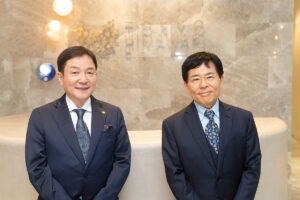
“There’s a new focus on what we call the ‘Longevity Gap,’” Dr. Takaishi, Director of the Keio University Center for Preventive Medicine, explains. “People are living longer, but those years aren’t necessarily spent in the best health. A long life should be a graceful and fulfilling one, defined by dignity and optimal mental and physical health.”
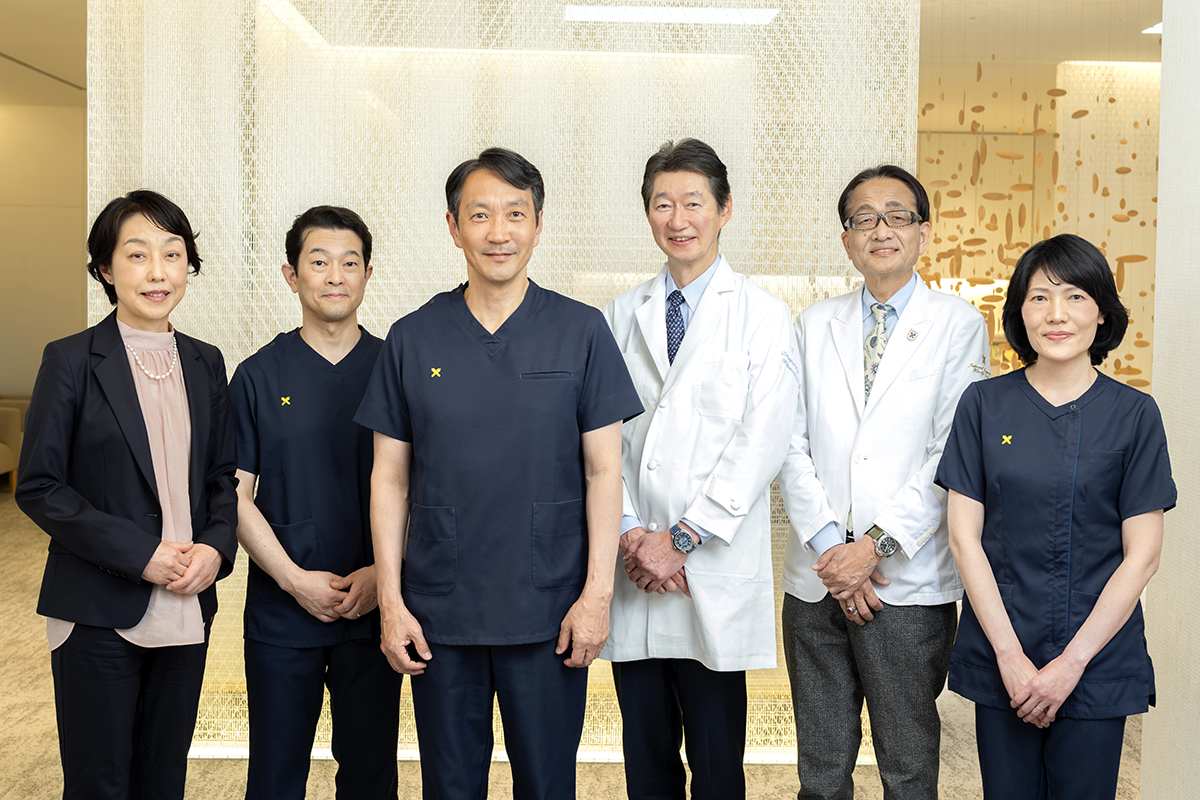
But more than longevity in itself, the beauty of longevity is a core philosophy of preventive medicine. Utilizing the ideas of the founder of the Keio University Hospital, Dr. Shibasaburo Kitasato, Takaishi and his team have created a healthcare experience that is proactive, transparent and tailored to the individual to the smallest detail.
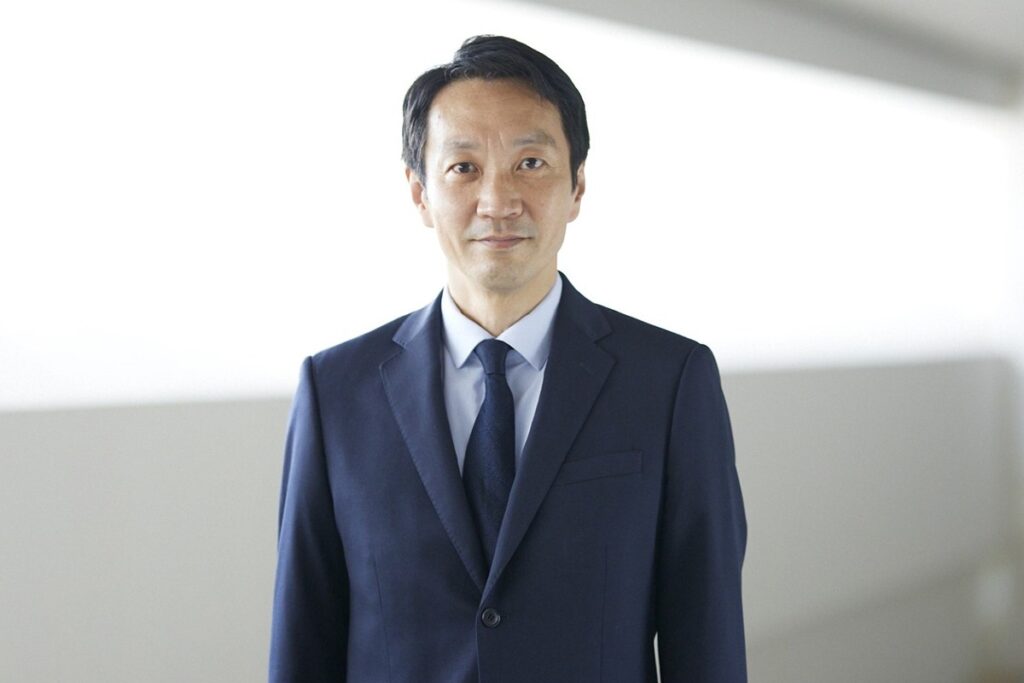
Table of contents
What is preventive medicine?
What are the benefits to preventive medicine?
What is the “beauty of longevity”?
What is the experience at the Keio University Center for Preventive Medicine like?
What is preventive medicine?
Kitasato’s ideals on medicine when founding the hospital were clear: the goal of medicine should be to prevent disease, not only treat it. Modern medicine has advanced rapidly over the last century, but it remains primarily reactive, treating and managing conditions that have become symptomatic.
Preventive medicine, on the other hand, focuses on eliminating the potential for illnesses, highlighting risk factors and detecting diseases at the pre-symptomatic phase, to ensure prompt treatment and minimal disruption to a patient’s life. At the Center, this is used in tandem with long-term health optimization and deeply personalized care. This ensures that potentially serious conditions that would affect quality of life are dealt with before impacting the patient, even as they enter their senior years.
What are the benefits to preventive medicine?
The most prominent benefit is the way preventive medicine deals with illness. With their sophisticated data-driven approach, the Center doesn’t look at symptoms. It catches illnesses in the extremely early stages, where treatment is easiest and causes the least disruption. Early detection of disease is achieved through their advanced diagnostics and the latest MRI and CT scanning technology, among other techniques and devices.
Beyond the clinical benefits of the approach, however, there are also several advantages in the process to a patient’s convenience and experience with their care:
- Customization: Since preventive medicine is tailored to the individual, patients can choose to augment their care with specific tests if they have concerns. Likewise, they can explain their health goals and desired outcomes, and receive tailored advice on pursuing them.
- Proactivity: Clinical medicine demands immediate attention when symptoms arise. This can be stressful, as patients may need to shuffle existing commitments and disrupt their routine at short notice. Since preventive medicine is proactive, appointments can be made at convenient times, reducing stress.
- Transparency: At the Center, clarity is a vital part of the clinical process. Each consultation begins with a conversation with a physician, where patients can lay out their concerns, symptoms and goals. Afterwards, results are also detailed in English, removing the anxiety that often comes when health outcomes aren’t clearly explained.
What is the Beauty of Longevity?
Japan is known for its longevity,” Takaishi muses, “but we want to make sure that people age functionally. There is a lot of current focus on the idea of anti-aging, or trying to hide one’s age. Preventive medicine, and the concept of the beauty of longevity is instead about ‘Optimal Aging’ — aging in a way that preserves activity and independence.”
At present, Japan has one of the highest life expectancies in the world at around 85 years, with organizations such as the World Health Organization consistently placing them in the top three countries for expectancy. What sets Japan apart, however, is the independence of the elderly, with many centenarians staying active until the end of their lives. Takaishi suggests that this is actually a case study on how preventive medicine works at its best, highlighting Japan’s culture of preventive medical care.
“In Japanese schools, students have regular health checks throughout the year,” he notes, “and it’s a requirement for employees to get a yearly health checkup as well. More broadly, Japan has a well-established culture of comprehensive annual health screenings—so much so that there is even a dedicated term for it: ningen dock, or ‘human dock.’” Compare that to other countries, where most people won’t see a doctor until they’ve had symptoms for a while, and the value of our preventive approach becomes clear.”
What is the experience at the Keio University Center for Preventive Medicine like?
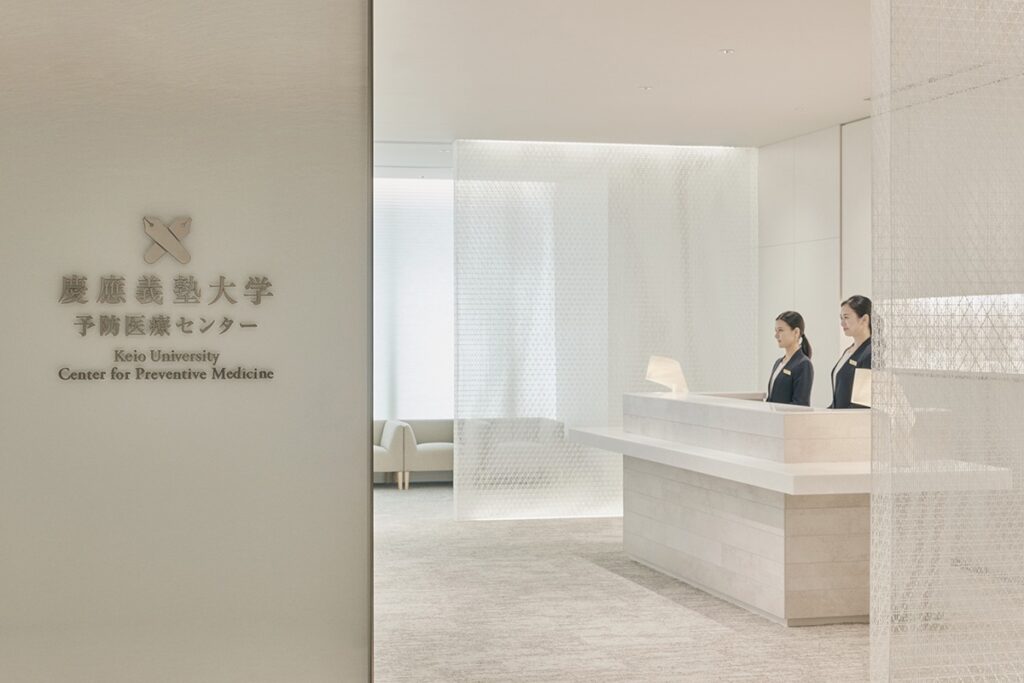
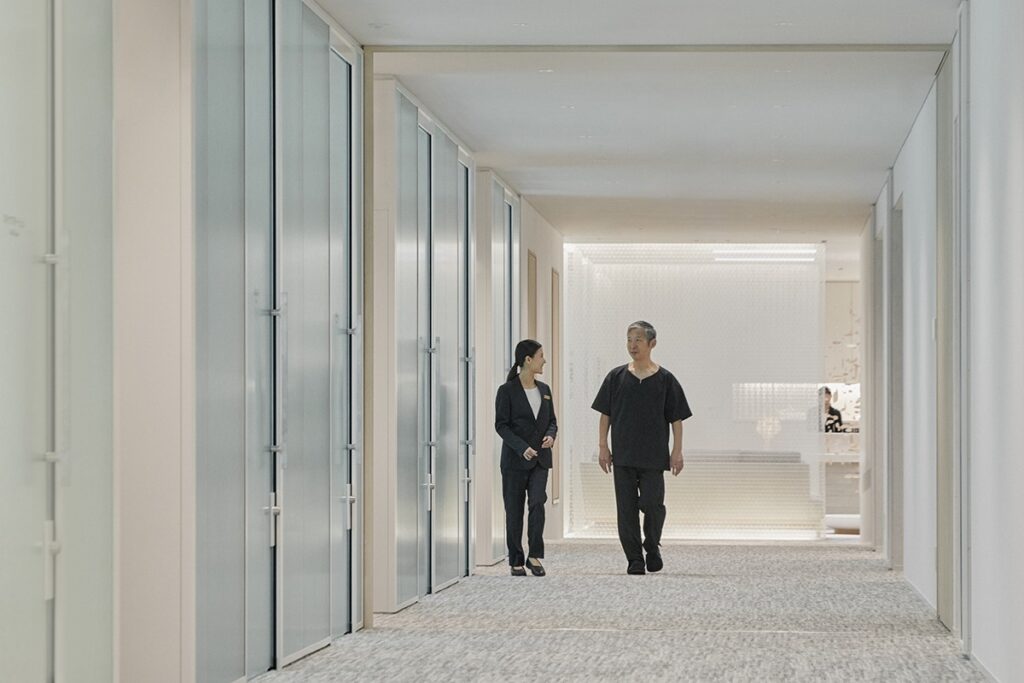
Takaishi lays out the details of the healthcare plan offered at the Center, known as the Personalized Executive Health Program. After making an initial appointment, patients arrive at the pristine Center, located in Azabudai Hills’ Mori JP Tower, on the fifth floor. They’re met by a concierge who will guide them through the day, then meet the team who will support them through the program’s tests. The program lasts either one or two full days, with lunch included at the Dining 33 restaurant in the Mori JP Tower.
The initial stage in every plan is a thorough interview and consultation with a certified nurse. During this conversation, patients will discuss their current state of health and any concerns they have, but can also ask questions, request recommendations or lay out specific health goals they’re looking to achieve. This information becomes part of their care and is passed onto the overseeing physician as patients move through the tests.
The Personalized Executive Health Program consists of a basic course, which includes the most vital scans and draws, including blood work, chest CTs and an abdominal ultrasound and more. Each test is thorough but efficient, with staff guiding patients through the procedure and explaining each step to ensure a relaxed experience.
After the basic tests are completed, any elective tests patients choose can be conducted. These are designed to target specific illnesses or issues, such as neurological issues or common cancers. Once complete, the physician will go through the test results with each patient in detail, leaving time for questions and follow ups. A detailed report will follow in the next three weeks for a patient’s records.
If an issue is found, the benefit of the Center’s connection to Keio University Hospital makes treatment efficient and easy. The Center will issue patients a referral to the relevant department of the Keio University Hospital to ensure treatment, like every other step of the preventive healthcare process, is as easy and stress-free as possible.
For further information about the Keio University Center for Preventive Medicine, contact them through their website: https://cpm.hosp.keio.ac.jp/en/