

Is Japan Actually as Sustainable as It Looks? A Newcomer’s Honest Look at the Data
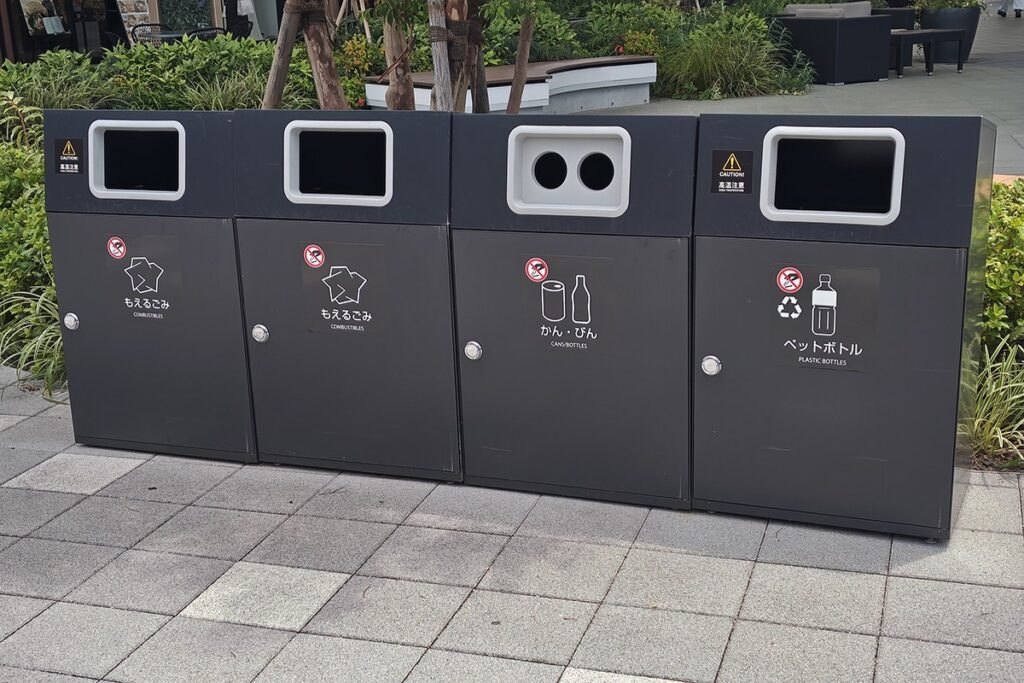
I’ve been in Japan for a little over a month now, and one thing that struck me almost immediately is how sustainable everyday life here seems compared to the US. My first week was a crash course in trash separation: burnable, non-burnable, PET bottles, plastics, cans, paper, each with its own bag, its own collection day, and its own set of rules. Almost every toilet I’ve seen has water saving settings. I’m constantly dodging bicycles donned by grandmothers, salarymen in suits, mothers with two kids strapped on the back and front. Coming from a car-dependent city, it felt like I’d landed somewhere genuinely ahead of the curve.
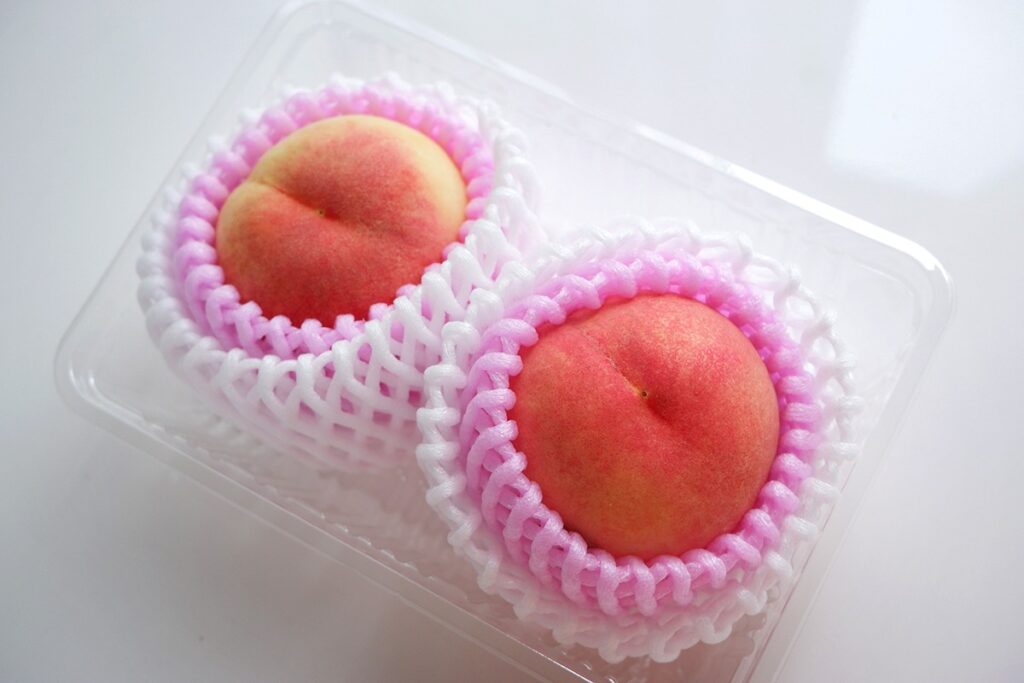
But then I went grocery shopping. A single cucumber, individually wrapped in plastic. Six mikan oranges, packaged on a foam tray, then wrapped again. Individually sleeved rice crackers inside an outer bag inside a box. By the time I got home and unpacked, my kitchen counter looked like the aftermath of a plastic factory explosion, and my “burnable” and “plastics” bags were somehow both nearly full despite having bought only a week’s worth of groceries. It left me wondering: is Japan actually sustainable, or does it just feel that way because the systems around waste are so visible and well-organized? I decided to look past my first impressions and check what the data actually says.
Where Japan genuinely excels
Starting with the good news: Japan really is unusually good at generating less trash overall. In the Global Waste Index 2025, which ranks OECD countries on waste generation, recycling, incineration, and landfill use, Japan actually topped the ranking, climbing from seventh place in 2022, largely thanks to low rates of waste generation and landfilling. Japanese households produce roughly 320 kilograms of municipal waste per person per year, which is less than half of what a typical American or Austrian household generates annually. Landfill use is also nearly nonexistent here; Japan is one of a small handful of OECD countries that has essentially stopped using landfills altogether, largely because land is scarce and incineration with energy recovery has been the default disposal method for decades. Researchers also point out that Japan is one of the few countries to have decoupled total waste generation from economic growth, meaning the economy keeps growing while total waste output doesn’t rise in step with it.
Where the story gets more complicated: plastic
My grocery-store plastic panic, it turns out, is also backed up by data, and it’s a genuinely awkward contradiction sitting right next to Japan’s waste-reduction success. Japan is the second-largest generator of plastic packaging waste per capita in the world, trailing only the United States, with packaging accounting for a much larger share of its plastic waste than the global average. Estimates put per-capita plastic waste at around 30 kilograms per year, adding up to roughly 9.4 million tonnes nationwide. Cultural norms around hygiene and presentation are usually cited as the driver: produce is routinely wrapped in film or trays, sometimes individually, and even loose items get bagged again at checkout.
What happens to all that plastic afterward is the more uncomfortable part. While Japan reports headline recycling rates that sound impressive, most of that is what’s called “thermal recycling” — around 80% of plastic waste is incinerated, with the majority of that counted as energy-recovery “recycling,” while only about 23% is actually reprocessed into new materials. That’s a meaningfully different thing from what most newcomers probably picture when they see all those neatly labeled recycling bags. The one clear bright spot is PET bottles specifically: Japan recycles around 85% of its plastic bottles, one of the highest rates globally, which is worth acknowledging even as the broader plastic picture stays murky.
The part most tourists and new arrivals never see: energy
If plastic complicates the “Japan is sustainable” narrative, energy policy undermines it more directly. This is the part that doesn’t show up on a first month’s grocery run, but it matters more for the country’s overall climate footprint. Fossil fuels still accounted for two-thirds of Japan’s electricity generation in 2025, and the country’s per-capita emissions from the power sector are more than double the global average, driven partly by very high electricity consumption per person. Renewables have been growing (solar reached about 10% of generation in 2025), nearly tripling over the past decade, but the pace still lags well behind peers. On independent assessments like the Climate Change Performance Index, Japan ranks 57th out of the countries evaluated, rated as a very low performer, with low scores in greenhouse gas emissions, energy use, and renewable energy share, and a very low score on climate policy specifically. The government’s own targets reflect this gap: Japan is aiming for only 38% renewable electricity by 2030, a target that trails many other wealthy nations.
So, is Japan sustainable?
The honest answer, a month in, is: it depends entirely on which layer of “sustainable” you’re looking at. At the household and consumer level–waste sorting discipline, water conservation, low car dependency, meticulous recycling infrastructure–Japan is doing something genuinely impressive that’s hard to find replicated elsewhere at this scale. But at the systemic level–packaging culture and national energy policy–the picture looks a lot more ordinary, and in the case of electricity generation, actively behind many of its economic peers.
I think that’s actually the more useful takeaway than either extreme. Japan isn’t a sustainability utopia, and it isn’t greenwashing, either. It’s a country where individual behavior and civic infrastructure have been optimized for decades around cleanliness and waste minimization, while industrial packaging norms and energy policy haven’t caught up. As someone still learning which bag my yogurt cup goes in, I’ve come to appreciate that distinction, and to hold onto a little more skepticism the next time something here just looks sustainable.
FAQ: Is Japan sustainable?
Is Japan the most sustainable country for waste management?
Yes, by one major measure: Japan topped the Global Waste Index 2025, which ranks OECD countries on waste generation, recycling, incineration and landfill use, climbing from seventh place in 2022.
Does Japan use a lot of plastic packaging?
Yes. Japan is the second-largest generator of plastic packaging waste per capita in the world, behind only the United States, generating an estimated 9.4 million tonnes of plastic waste a year.
Is Japan’s plastic “recycling” rate misleading?
Largely, yes. Most of what’s counted as recycling is actually incineration for energy recovery (“thermal recycling”), with only about 23% of plastic waste mechanically reprocessed into new materials. PET bottles are the exception, with an 85% recycling rate.
Is Japan doing enough on renewable energy and climate policy?
No, according to independent assessments. Japan ranks 57th on the Climate Change Performance Index, rated a “very low performer,” and fossil fuels still supplied about two-thirds of its electricity in 2025.