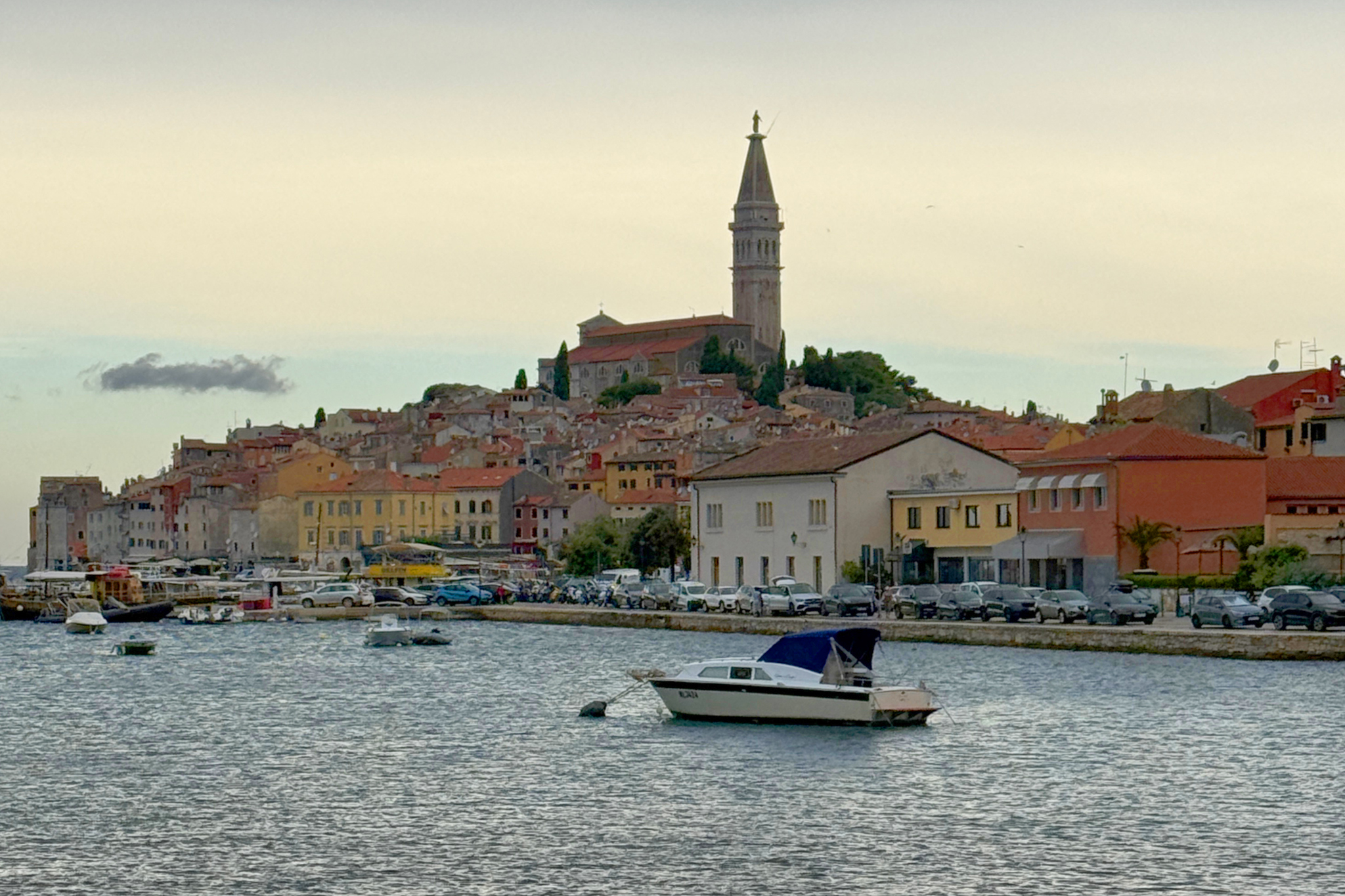
Japan and Croatia: Lessons in Tourism
After living in Japan for more than a decade and returning to Croatia with my family almost every summer, I have stopped seeing the two countries simply as opposites.
They are nearly 9,500 kilometers apart and operate at very different speeds, yet they share some striking qualities. Both have spectacular coastlines, deep respect for tradition, strong regional identities and cultures in which food and hospitality are central to daily life.
Both also attract travelers searching for more than famous landmarks. People visit Japan and Croatia to experience local customs, regional cuisine, natural beauty and a way of life that feels distinct from their own.
What fascinates me is how differently the two countries approach tourism.
Japan is built around precision, reliability and anticipation. Croatia is more spontaneous, personal and relaxed. Having spent a significant part of my life moving between these two worlds, I do not believe one approach is necessarily better.
The more interesting question is: What can Japan learn from Croatian tourism and what can Croatia learn from Japan?
What Croatia can learn from Japanese hospitality
Even after more than 12 years in Japan, I still notice the small details.
A hotel room has everything you may need before you think to ask. A train arrives exactly when expected. Public spaces are clean and easy to navigate. A convenience-store employee treats a simple purchase with the same professionalism that you might expect in a good hotel.
This is part of the Japanese idea of omotenashi. The word is often translated as “hospitality,” but it means something deeper: anticipating a guest’s needs without making the service feel intrusive or transactional.
Japan has made attention to detail part of its national identity.
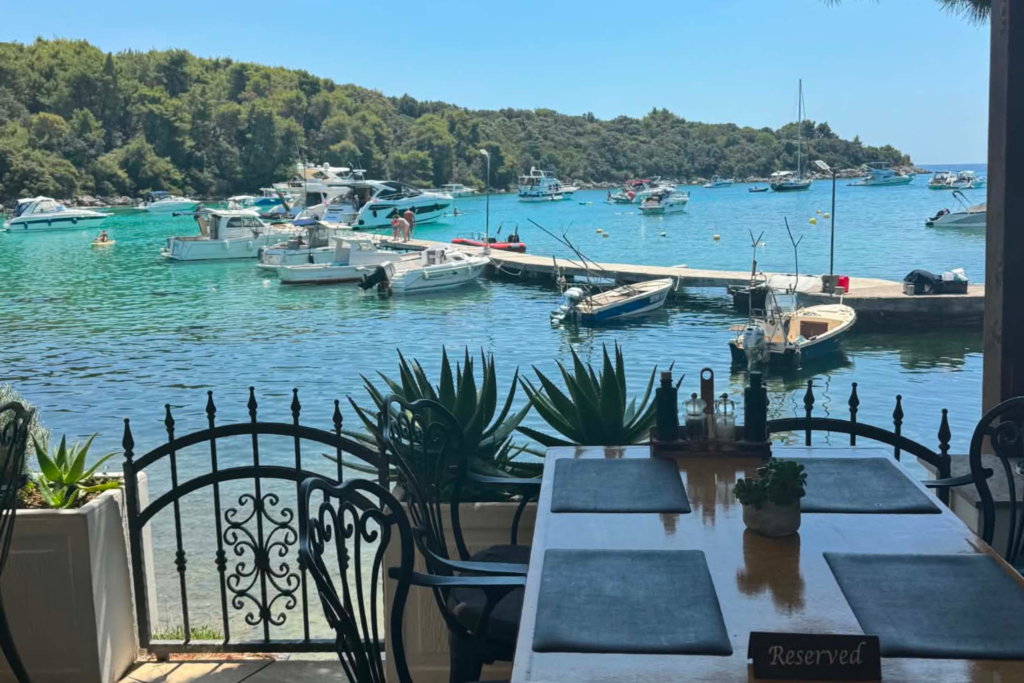
Croatia offers a different kind of hospitality. It is warmer, more informal and often deeply personal. Some of my strongest memories are not of formal service but of conversations with restaurant owners, apartment hosts and local producers who genuinely wanted to share something about their home.
That natural warmth is one of Croatia’s greatest strengths. However, service quality can vary considerably between regions, businesses and seasons. Information is not always clear, standards are inconsistent and temporary summer staff may not have sufficient training.
Croatia does not need to imitate Japan or make its hospitality overly formal. But it could learn from Japan’s consistency.
Better staff training, clearer visitor information, more reliable service standards and greater attention to small practical details would make traveling in Croatia easier. Combining Croatian warmth with Japanese dependability could create an exceptional form of hospitality: personal, authentic and consistently professional.
What Japan can learn from Croatia’s slower lifestyle
Japan has taught me efficiency. Croatia reminds me how to slow down.
When I return to the Croatian coast, I notice how quickly my sense of time changes. In places such as Malinska, Rovinj or Rab, people do not always appear to be rushing toward the next activity.
Families stay by the sea for hours. Friends meet for coffee without immediately checking the time. Lunch can turn into an afternoon and dinner may continue late into the evening.
The lifestyle itself becomes the experience.
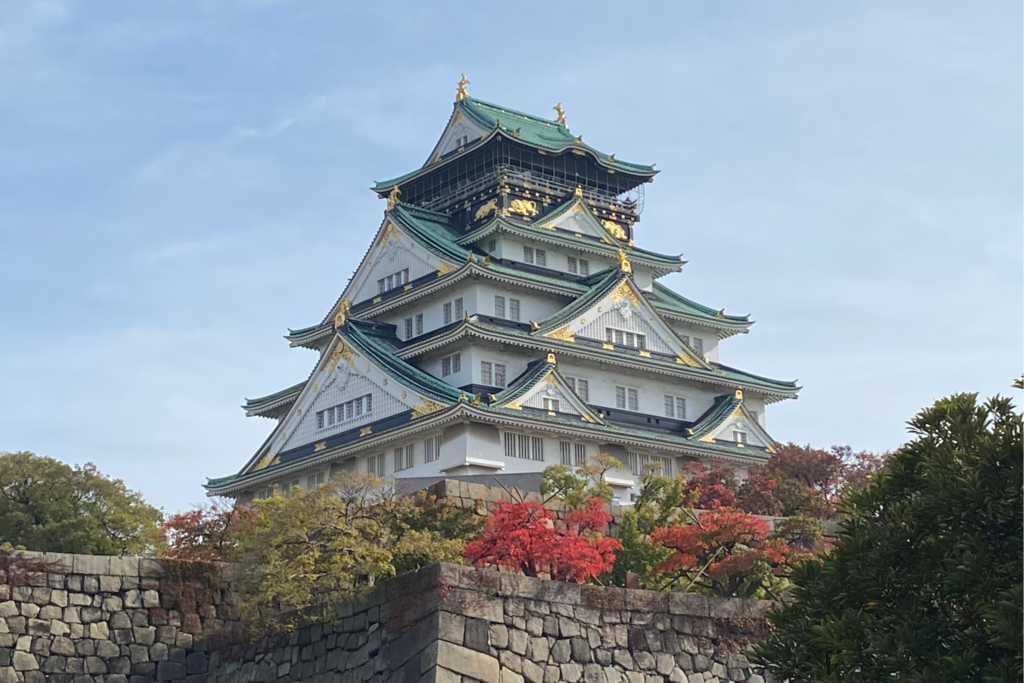
Travel in Japan can feel very different. The country’s outstanding railway system makes it possible to fit an extraordinary number of places into a single day. Visitors may see a temple, a shrine and a museum, have lunch and then catch another train—all before the afternoon is over.
This efficiency is impressive, but it can also turn a holiday into a race against an itinerary.
Croatia reminds me that some of the best travel experiences come from doing very little: watching children play in the sea, listening to the waves from a shaded terrace or sharing fresh seafood with several generations around one table.
Japan could develop more tourism experiences around staying longer and exploring one place more deeply. Instead of encouraging visitors to move constantly between attractions, regional destinations could invite them to spend several days discovering local food, nature and community life at a slower pace.
Authentic tourism cannot be manufactured
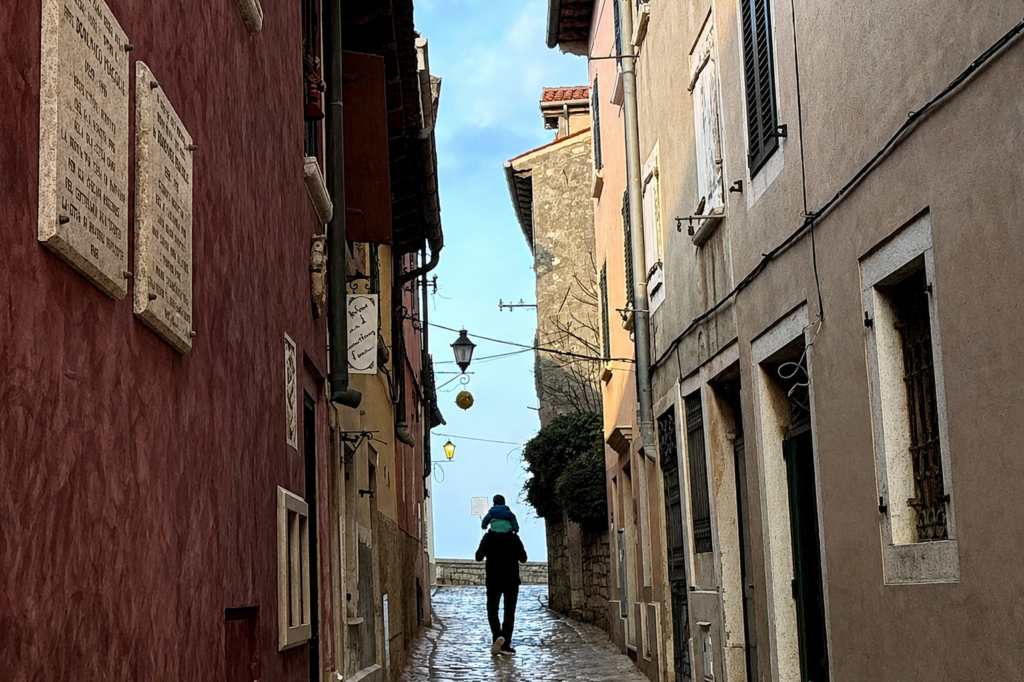
One quality I appreciate about Croatia is that many places continue to function as real communities rather than as tourism products.
Fishing villages remain fishing villages. Family-owned konobas serve regional dishes based on recipes that may have been used for generations. Working harbors, local markets and old stone houses have not all been redesigned for visitors.
Daily life continues around you, and that is part of the appeal.
Japan has an equally rich and authentic local culture, but visitors sometimes encounter a carefully curated version of the country before discovering ordinary Japanese life.
Some of my most memorable experiences in Japan have happened far from major attractions: in neighborhood cafés, family-run inns, small countryside restaurants, local festivals and conversations with people who were surprised that a foreign visitor had reached their town.
The lesson for both countries is simple. Authenticity cannot be manufactured by a tourism campaign. It already exists.
The role of tourism should be to help visitors discover local life without overwhelming, replacing or turning it into a performance.
Protecting the coastlines of Japan and Croatia
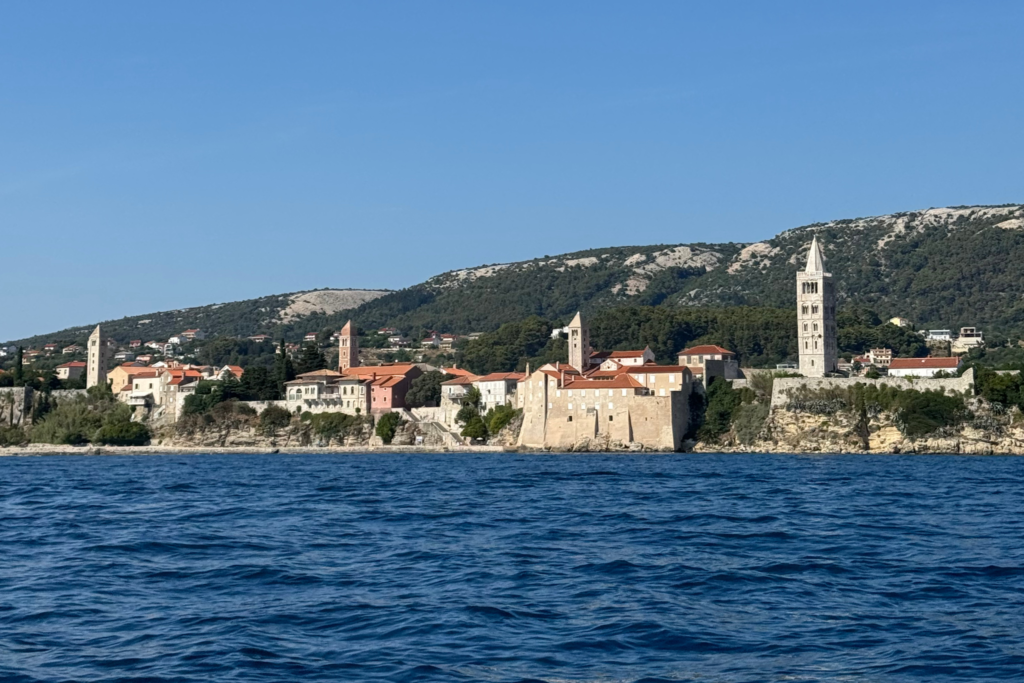
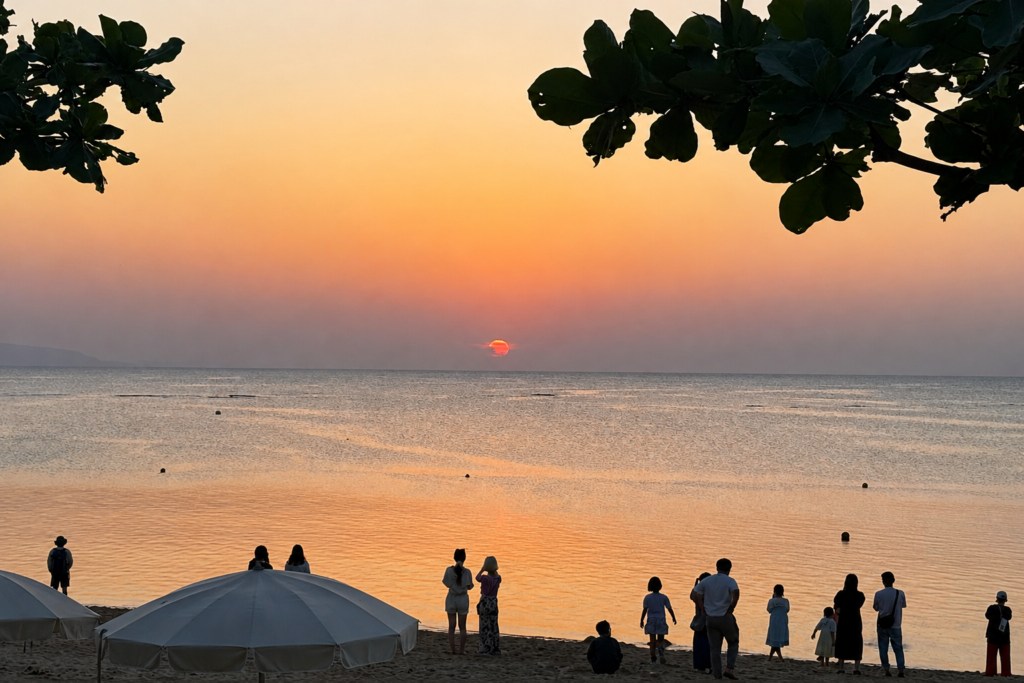
The Croatian coast rarely needs much help to be beautiful. Clear water, pine forests, rocky beaches, islands and historic settlements already create a powerful sense of place.
Nature is the attraction.
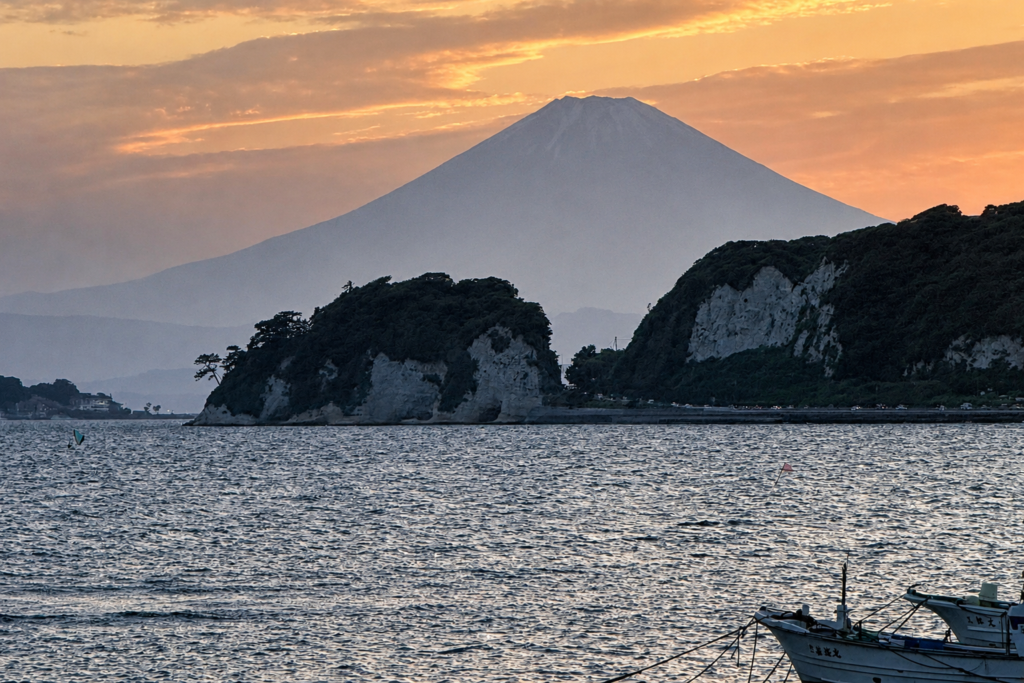
Japan also has remarkable coastlines, mountains and islands. However, many coastal areas have been heavily shaped by concrete, seawalls and large-scale development. Some of this infrastructure is essential in a country exposed to earthquakes, tsunamis and typhoons, but it can also create distance between people and the landscape.
Visiting Hachijojima with my family reminded me how powerful Japan’s natural island environments can be when the landscape is allowed to dominate the experience. Japan has many places of this kind, yet they remain outside the standard Tokyo–Kyoto–Osaka tourism route.
Both countries now face difficult choices.
Croatia must prevent excessive construction from damaging the coastline that makes it attractive. Japan can use regional tourism to support declining communities while restoring access to overlooked natural areas.
Sustainable tourism does not always require another attraction, resort or entertainment complex. Sometimes the most valuable investment is protecting what already makes a place special.
Japan and Croatia offer two different forms of luxury
Living between Japan and Croatia has also changed how I think about luxury travel.
In Japan, luxury often means precision: flawless service, meticulous craftsmanship, beautiful presentation and careful attention to every detail.
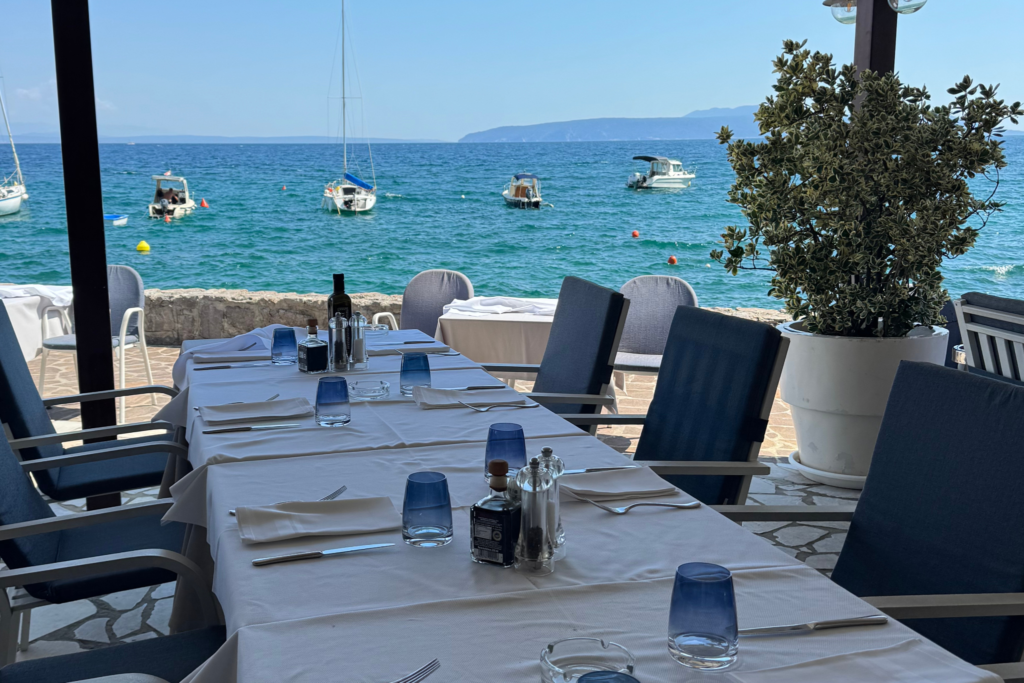
In Croatia, luxury can feel much simpler. It may be fish caught that morning, a table overlooking the Adriatic, a bottle of local wine and an evening with nowhere else to be.
One offers perfection. The other offers freedom.
Neither definition is better. Together, they show that meaningful luxury is not determined only by price, formality or the number of stars attached to a property.
Japanese hotels and tourism businesses could learn from Croatia’s relaxed confidence by giving guests more freedom to shape their own experiences. Croatian hotels and restaurants could adopt more of Japan’s preparation, consistency and attention to detail.
Perhaps the ideal form of luxury combines both: exceptional quality without unnecessary formality—and enough time to enjoy it.
Moving beyond Japan and Croatia’s golden tourism routes
Japan and Croatia both struggle with the concentration of visitors in a small number of famous destinations.
In Japan, the established route is Tokyo, Kyoto and Osaka. In Croatia, it is Dubrovnik, Split and Hvar.
These places deserve their popularity, but overcrowding puts pressure on residents, infrastructure and the character of local communities. At the same time, many other regions receive only a fraction of the economic benefits.
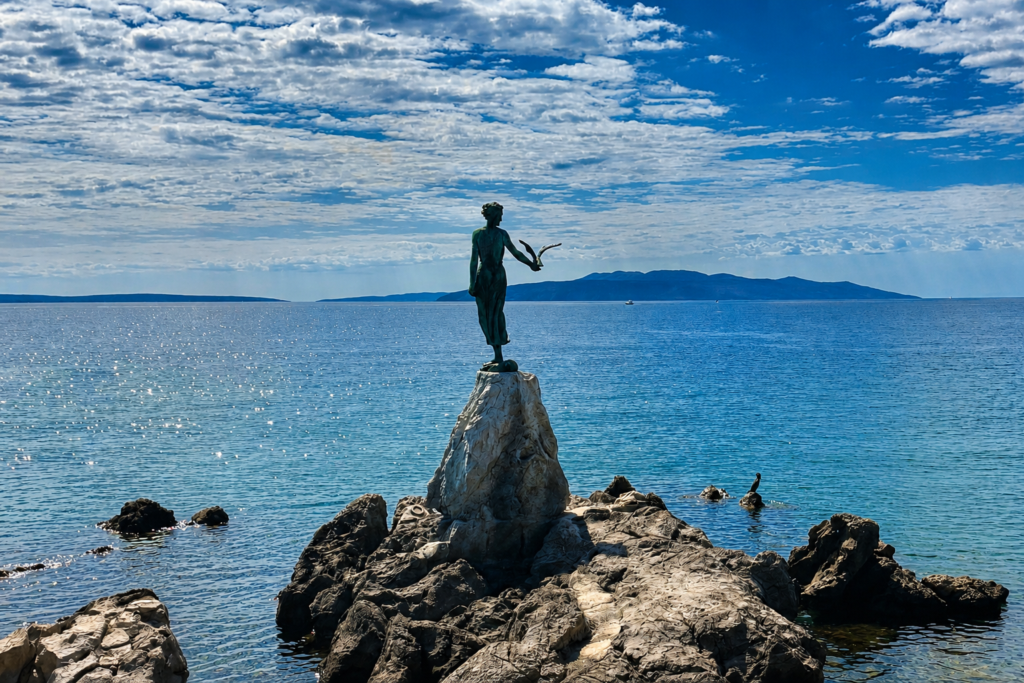
In Croatia, travelers can find rewarding experiences in Malinska, Cres, Slavonia and Gorski Kotar. In Japan, they can discover Tohoku, Shikoku, rural Kyushu and islands such as Hachijojima.
Encouraging travelers to stay longer in these lesser-known destinations would distribute tourism revenue more fairly, reduce pressure on overcrowded locations and create more meaningful journeys.
It would also give visitors a better chance to encounter places that have not yet reorganized every aspect of daily life around tourism.
Technology makes travel easier, but people make it memorable
Artificial intelligence can now create itineraries, compare hotels, recommend restaurants and answer travel questions before someone books a flight. Translation apps reduce language barriers, while digital maps make remote destinations easier to navigate.
These tools are useful. As someone working closely with digital media and AI-driven discovery, I see enormous potential in making regional destinations more visible and accessible.
But technology cannot replace genuine human interaction.
Some of my favorite Croatian memories involve restaurant owners proudly recommending their family’s olive oil or explaining where the day’s fish was caught. In Japan, I still remember station employees who walked me to the correct platform instead of simply pointing in its direction.
An algorithm can recommend a restaurant. It cannot recreate the pride of the person explaining why that particular dish matters to their family or region.
Technology improves the journey. People give it meaning.
As travel becomes increasingly automated, protecting these small human encounters will become even more important for both Japan and Croatia.

What can Japan and Croatia learn from each other?
Japan can learn from Croatia to slow down, protect spontaneity and create more space for natural, unscripted experiences. It can encourage travelers to stay longer in one region instead of treating tourism as a checklist of attractions.
Croatia can learn from Japan’s service culture, infrastructure and consistent attention to detail. It can improve tourism standards without sacrificing the warmth and individuality that visitors value.
Japan perfects systems. Croatia embraces simplicity.
After years of moving between the two countries, I have come to appreciate both philosophies. Japan shows how thoughtful service can remove friction from a journey. Croatia demonstrates why not every moment needs to be planned.
Neither country has all the answers.
Ultimately, successful tourism should not be measured only by the number of arrivals, hotel nights or new developments. It should create places that residents can continue to enjoy and that visitors genuinely want to return to.
Not because they managed to see everything, but because they felt something.
More from Edvard
As the travel industry navigates an increasingly digital landscape, the intersection of technology and authentic human connection becomes even more vital. If you are interested in exploring how artificial intelligence is reshaping the way brands and regional destinations are discovered online, join Edvard Vondra at the upcoming AI and Marketing (NobleCamps Coffee Chat) on August 7, 2026.
Held at the International House of Japan in Tokyo, Edvard will be the featured speaker, sharing practical strategies for Generative Engine Optimization (GEO) and building digital authority in an AI-first world. Learn more and reserve your seat here: AI and Marketing (NobleCamps Coffee Chat).