Inside the Realities of Japan’s Live Music Industry with More Than Music
The woman next to you bursts into tears, but you cannot take your eyes off the performer. As the pianist dances her fingers on the ivory keys, her feet keep up with a rapid pace and her voice enchants the room with a haunting melody, making you feel nostalgic for a memory you hadn’t realized you still held.
That is the power of music; regardless of language barriers, the sound is universal to all who hear it. Just one minute from Daikanyama Station lies a secret underground world, Hare Mame. A live music venue full of dim corners, warm lights, an intimate space for laughter and new beginnings. This is where talent is discovered.
What are live houses and why does Tokyo have more than 300?
The origin of Japanese live houses dates back to the 1970s, after adapting from ongaku-kissa, or music cafes that began in the 1920s.
Ongaku-kissas were cozy analog listening coffee shops that offered seating and played jazz vinyls throughout the space for patrons to enjoy as they sipped their drinks. Some of these cafes even allowed customers to make song requests via the record players.
Around the 1970s, due to the expansion of home audio systems, these spaces’ popularity began to decline as customers could now listen to their own music in their homes. Yet, ongaku-kissas found a way to pivot.
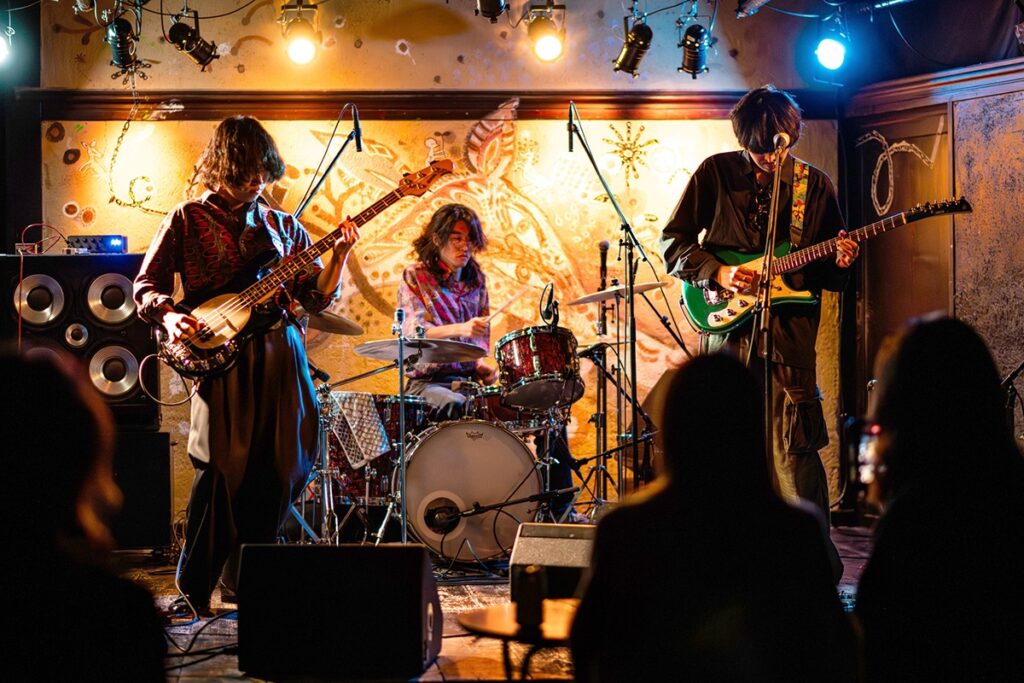
As these spaces began to transition, they started to incorporate live music and adapt their structures. Rather than the quiet listener spaces they had once been, there was a new liveliness and sociality.
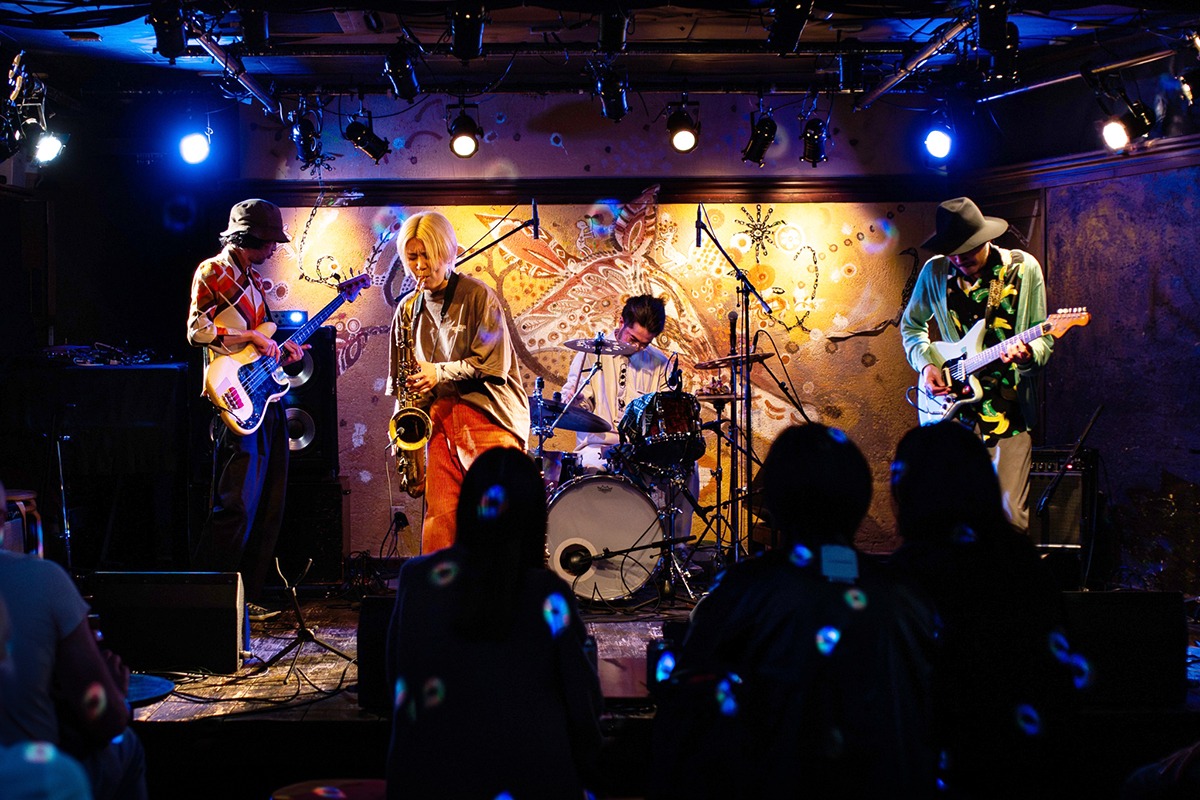
Rather than serving coffee as the music cafes had, the transition of live houses had doubled the majority of these spaces as dive bars and gained a grunge-like reputation. Even the locations had another feel they emulated, as they are often found underground. Instead of listening via vinyls, live musicians filled these spaces with their sound.
In the 80s, the evolution of these spaces rapidly gained popularity and drew inspiration from venues like New York’s CBGB, known for its talent searches. Now in modern times, many emerging musicians and bands begin their careers at live houses.
While these venues charge the audience for admission, the band must meet a quota or pay out of pocket. These venues are designed as a sort of “stepping stone” in the music industry to gain an audience and showcase musical talent.
There are some 1,000 live houses scattered across the country, including about 300 in Tokyo.
Welcome to Japan’s music industry
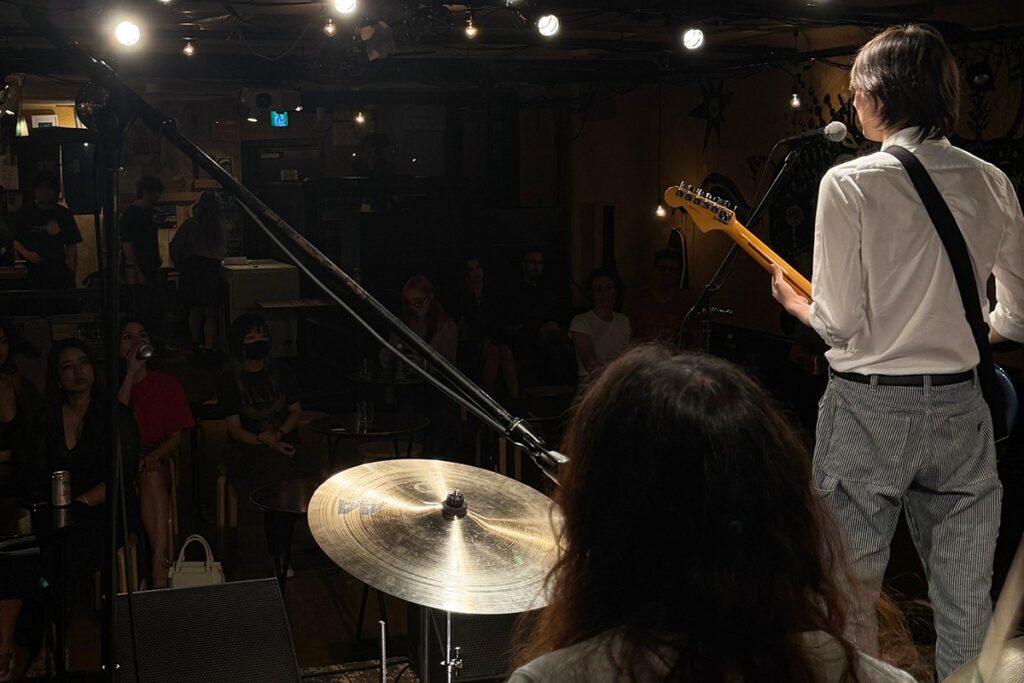
Despite the abundance of live houses, Justin Sachs, owner of More Than Music, makes a significant point: Coming to Tokyo, there are many live houses scattered around, but there are so many more artists in this city that there are not enough to host them all.
That is why Justin takes so much pride as an event organizer and promoter to be able to give an artist a platform they can share; he has witnessed it change their lives. Justin started More Than Music 10 years ago to support the music industry and create a space to allow talent to flourish and discover unknown sounds.
Often, live house culture is misunderstood, and many people connect it to club culture; however, this is not the case. Justin describes Japan’s music industry as something like theatre. People come to live music venues to support artists, find new sounds, watch a performance and have intimate conversations or experiences.
While many live houses have bar services, these drinks are made to sip and slowly enjoy as you watch an artist perform live rather than the more heavy party atmosphere and drinking culture often seen in Tokyo clubs.
Tokyo clubs tend to be more high-energy based, normally playing music with DJs, dancing throughout the night and more emphasis on alcohol.
Live houses are much more slow-paced, and tend to emit a relaxing and personal atmosphere, built on connecting with other people through shared support. The music is played live through artists, normally offers seating and the beverages feel complementary to the listening experience.
Attending Hare Mame, I felt that live house culture feels like such a welcoming community that bonds over a shared interest in music and supporting creators on their paths. Yet, it is high risk for everyone involved, and when it comes to these spaces, the musicians are the customers. If they don’t meet their quota, they must invest out-of-pocket earnings. Music can be a difficult pursuit financially, yet it is the passion that makes the efforts worthwhile.
This is why live house culture is so important and rewarding – the best thing an audience can do if they care about an artist is to show up to a musician’s events and support their projects.
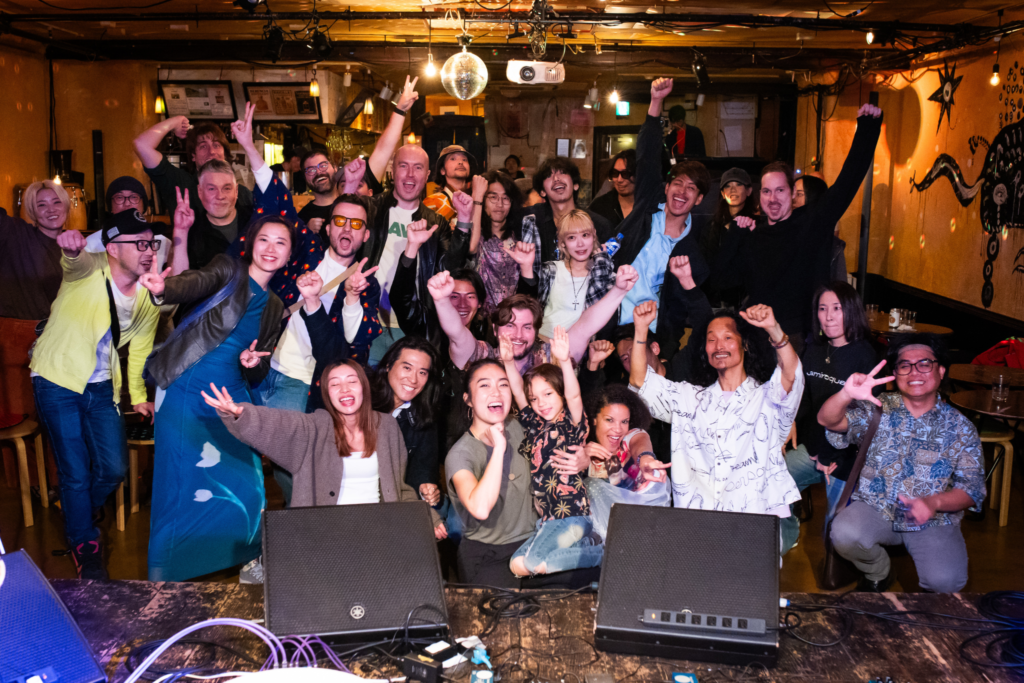
More Than Music: Watching talent flourish
Justin says he is proud of how far More Than Music has evolved from their first show with zero experience, to now being contacted by professionals like the manager of Victor Wooten and The Wooten Brothers, musicians who have earned 10 Grammys among them.
Another accomplishment for More Than Music has been the MTM Festival, which spanned three days and had a 36-person team covering the stage and decor. Justin takes pride in the sound team announcing this festival was one of their best, which surprised Justin as it was their first year hosting the MTM Festival.
Throughout the years, Justin has made unreplicable relationships with the people he has met through More Than Music. One of the bands he had supported, Yoyamushi Club, is now going on tour in Russia. When he first met them, they had struggled to play in a room of 30 people, but have since grown and are now playing in front of thousands across the globe.
Another memory that has impacted him was a handwritten letter sent by a man he had met, who had been helping More Than Music for some time. The man had confessed to Justin that he had been drinking his life away, but the music community had become so touching to him that it ended up saving his life, and he is now on track for a healthier lifestyle.
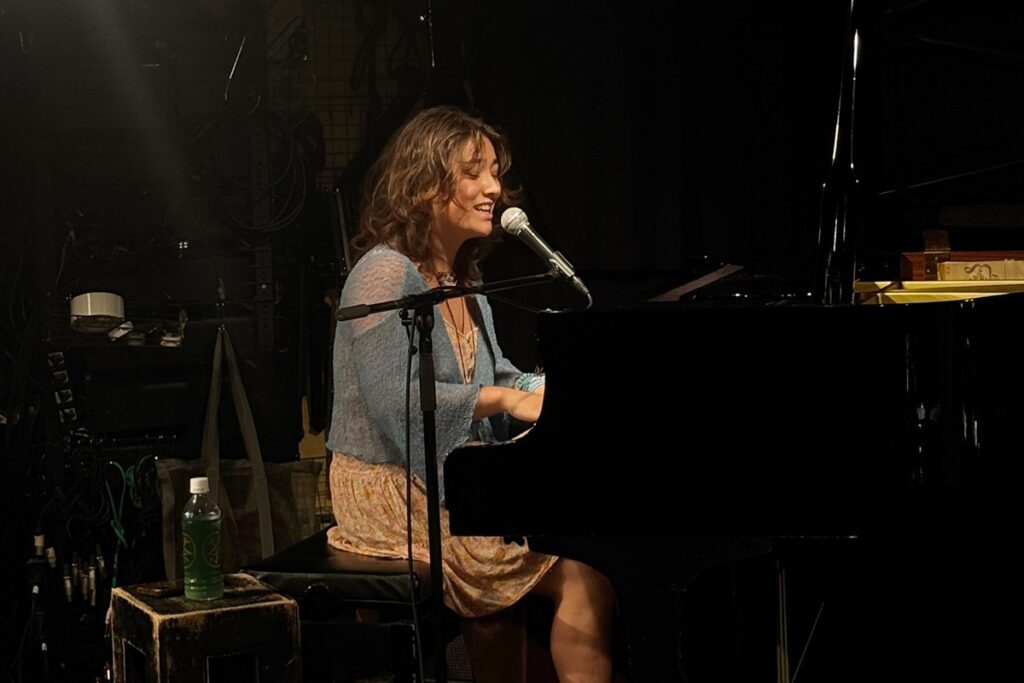
Open Mic Night welcomes new performers to the stage
Open Mic Night welcomed nine performers onto the Hare Mame stage, many being new faces to Tokyo. Lily Kurosawa is an independent piano player and vocalist formerly from London and has recently taken up residency in Tokyo to pursue her musical career.
Lily has been surrounded by music her whole life and started to play piano at the age of six. During her live performance, despite sitting on the piano bench, you could see how energetic she feels about her music, practically dancing as she plays her keys and sings her notes.
Lily’s voice has a sound that resonates with the room and even brought another performer to tears with how achingly heartfelt her voice was, paired perfectly with the sound of her piano.
During the interview with her, she recalls her most memorable achievement that happened while she was in Berlin. A friend had brought her to perform and it had been the first time in her career where she was able to make not just one performer, but an entire room cry. To this day, she still hears people talk about that performance and it has changed her perspective on music. Her goal since that day was to be able to make her music connect with other people.
She believes music is a form of emotional enlightenment, able to bring out emotions people didn’t even realize they were capable of feeling. For herself, she creates songs in order to put a name on the emotions she is feeling and to better understand them through that exact emotional enlightenment.
Upcoming events
Justin announced that More Than Music has an upcoming event with one of the most influential bassists of all time, according to Rolling Stone and the Rock & Roll Hall of Fame, George Clinton, previous bassist of Parliament-Funkadelic.
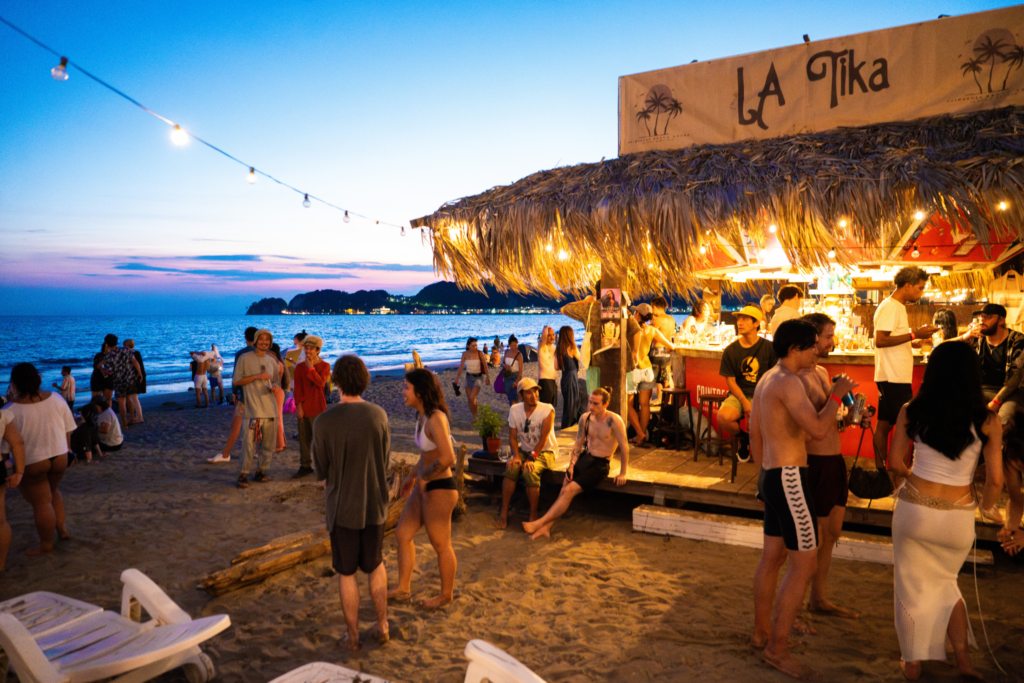
This event will feature reggae, pop, rock, jazz and funk at the beach. Justin says the most difficult part has been choosing the lineup to perform at this event.
For more current events, More Than Music has an ongoing outdoor 11-show project happening in Kamakura at Zaimokuza Beach in August.

Summer at Zaimokuza Beach
August 22, 23, 29
2pm – 8pm
Na Seci, Zaimokuza Beach, Kamakura
Tickets bought in advance: ¥3,000
On the door: ¥3,500
Aged under 22: ¥2,500 (ID required at entry)
MTM Member: Free
Aged under 12: Free
https://morethanmusicjapan.com