Inside the Mind of a Film Director: The Creative Origins of Mamoru Hosoda
During my first year of college, my Japanese language professor gave each student an assignment: Write an essay on a foreign film we watched. It seemed like an easy task for a grade, but she had one requirement — no subtitles allowed.
The reason for this was my professor’s strong belief that to understand a language, you must first understand the person. To learn to understand a person, you must observe their body language, expressions, the tone and volume of their voice and how they portray themselves through their actions. Despite any language barriers, this is the universal way to understand one another.
During that semester, I discovered many Japanese films that stole my attention, both live-action and animated. However, there was one director’s films I found myself always coming back to: Mamoru Hosoda.
Who is Mamoru Hosoda?
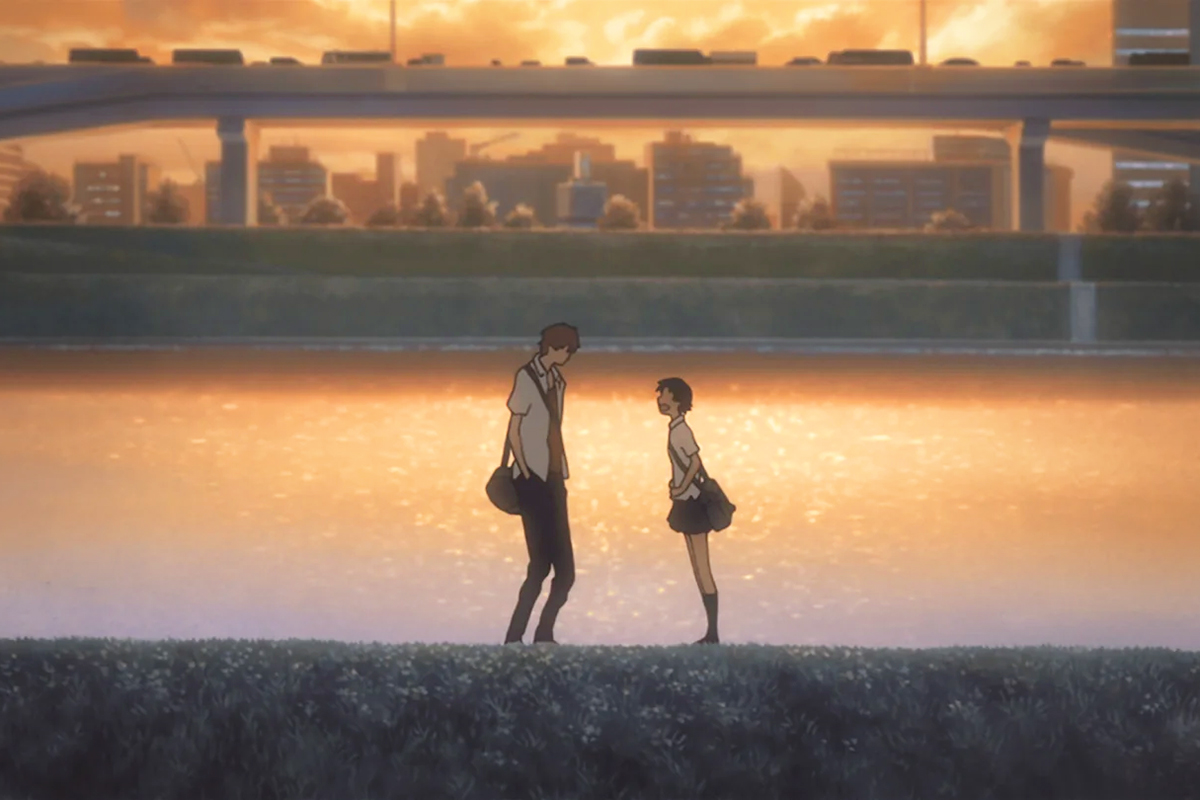
Mamoru Hosoda is an acclaimed director and animator, and one of the co-founders of Studio Chizu. Some of his most celebrated works include The Girl Who Leapt Through Time (2006), Wolf Children (2012), Mirai (2018) and Belle (2021).
While he may be most famous for these acclaimed films, Hosoda’s journey started long before they reached global audiences. His creativity first reached the spotlight in junior high school with his first independent film, One-Sided War. He continued to pursue the arts as a university student at Kanazawa College of Art.
Interestingly, rather than focusing on directing and animation, he studied traditional oil painting. Yet it was during this time that Hosoda joined the university’s film club. His passion sparked, leading him to direct and shoot live-action projects and more than 50 independent videos featuring complex themes of human connection.
His animation career path
- Toei Animation (1991-2005): Worked as an animator for 14 years, contributing to global hits such as Sailor Moon, Dragon Ball Z and Slam Dunk.
- Madhouse (2005-2011): Joined after co-founder Masao Maruyama offered him a director position for his breakout hit The Girl Who Leapt Through Time.
- Studio Chizu (2011-present): Co-founded his own studio with Yuichiro Saito to produce his original works.
What to expect at ‘The Creative Origins of Mamoru Hosoda’ exhibition
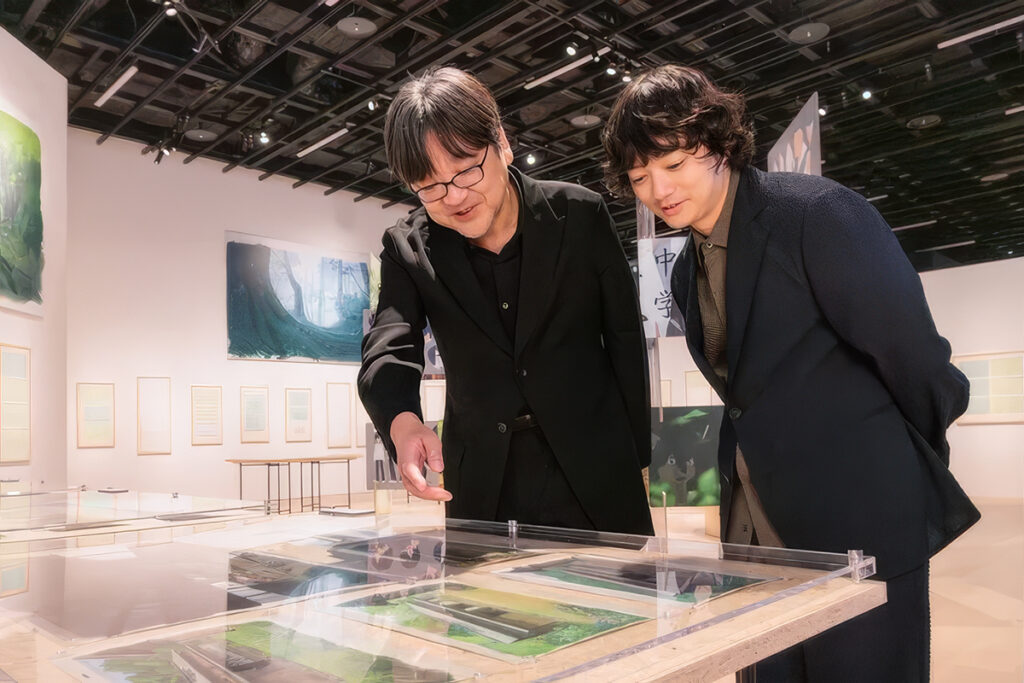
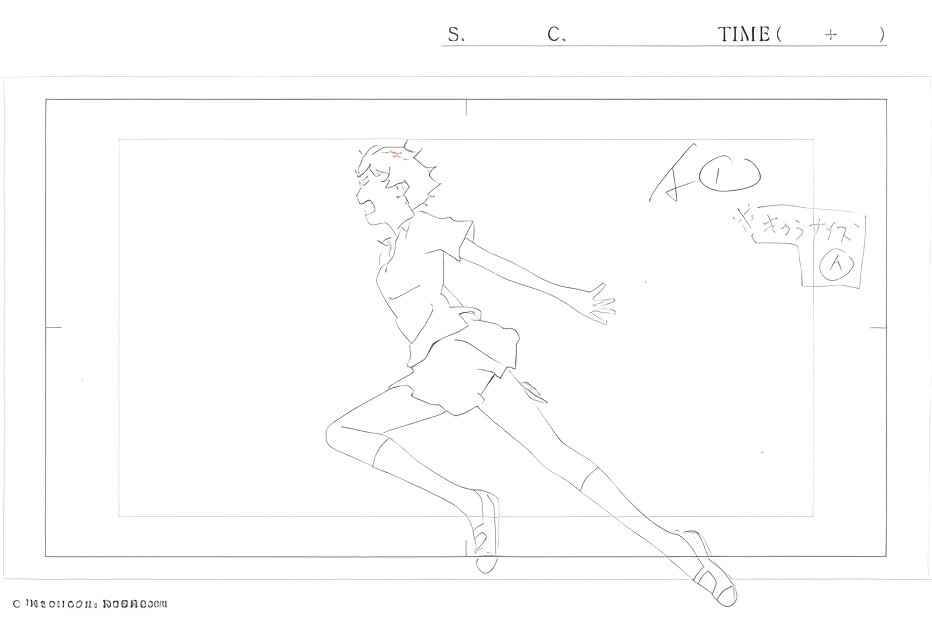
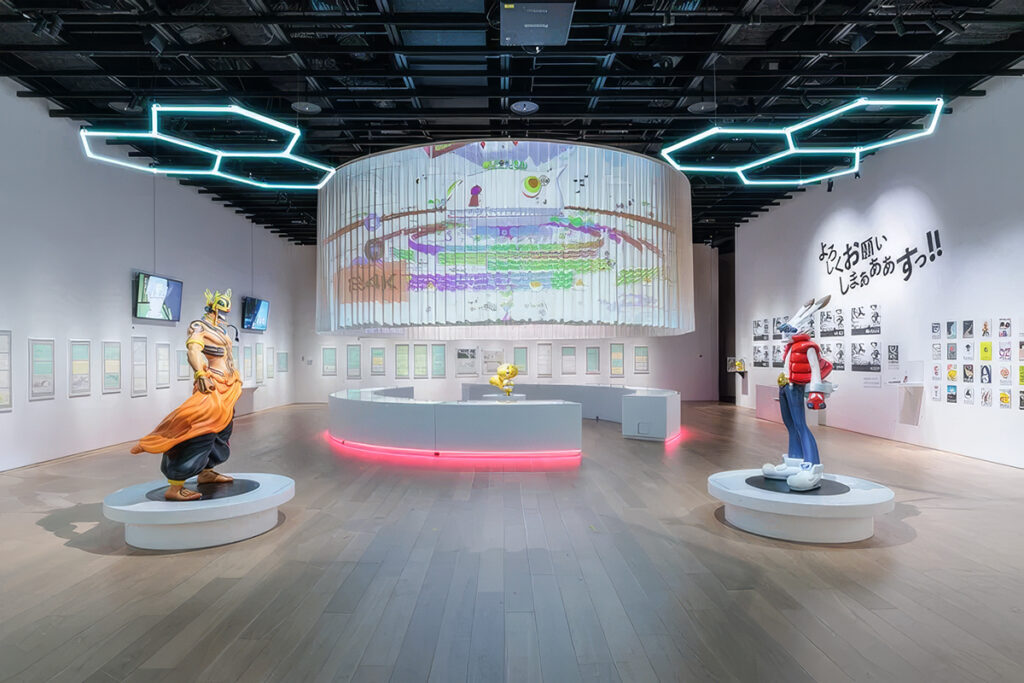
The Creative Origins of Mamoru Hosoda Exhibition is a compilation of more than 300 items ranging from storyboards, layouts and revisions to production materials and character designs. These documents show the skeletal framework of some of Japan’s favorite films.
From the moment you step in, you are entranced by Hosoda’s creative process:
- The entryway: The first room is dark, with the only light coming from a projector displaying Hosoda’s films.
- The storyboard room: Beyond the entry, you enter a space where storyboards occupy every empty surface — standing boards, shelves and walls are covered in hand-drawn sketches of beloved scenes.
- The world of OZ: As you continue, you enter a keyhole and are immersed in the virtual world of OZ, complete with a countdown sequence.
- Film references and early works: The exhibit is full of interactive homages, such as a tunnel mimicking the time leap in The Girl Who Leapt Through Time. It also transports you into a strict no-recording room where his very first film One-Sided War is projected.
- Art and scenery: Subsequent rooms showcase his film Silence alongside his oil paintings, charcoal works and exclusive designs. The final room displays the beautiful early development scenery of Wolf Children.
Once you have completed the exhibit, you can visit the gift shop or the museum cafe during its special OZ collaboration.
Global impact of Japanese animation
Japan boasts the third-largest box office market in the world. Notably, out of the top five highest-grossing films in Japan, four are animated.
Demon Slayer: Kimetsu no Yaiba — The Movie: Mugen Train holds the title of Japan’s highest-grossing film in history, with an estimated worldwide gross of more than $500 million (with roughly $360 million coming from Japan’s domestic box office). Japan produces more than 600 films each year, and more than half of them outpace Hollywood’s imported films in local popularity. In 2025, Japan reached $1.8 billion in box office revenue with a 5% international market share, ranking third globally behind the United States and China.
Studio Chizu’s “Belle” (2021) became Hosoda’s highest-grossing movie within 57 days of its Japanese release. Globally, “Belle” reached a gross of more than $54.4 million. The film enjoyed global premieres and a rollout across 108 countries, even winning the Jury Award at the Animation is Film Festival and being showcased at the New York Film Festival.
Themes in Hosoda’s films: Why they connect with us
While Western media has historically categorized animation as children’s entertainment, Japan’s target audience frequently includes teenagers and adults. Animation is often used to tell complex, emotional stories crafted as works of art. Mamoru Hosoda’s films focus heavily on nostalgia, self-expression and family ties.
- Belle: Set in the virtual world U, the system creates anonymous, custom identities based on its users. Suzu, a quiet high school girl grieving the tragic death of her mother, joins the app and becomes a global singing phenomenon under the persona Belle. The film tackles profound themes of grief, insecurity and the estrangement between Suzu and her father. It also addresses the severe topic of child abuse, showcasing how virtual communities can offer parallel support for those using the internet to escape reality.
- Mirai: This film focuses on family connection and growing up. It follows a young boy struggling with feelings of neglect after his new baby sister receives everyone’s attention. Escaping into a magical garden, he meets his ancestors and his sister from the future, eventually outgrowing his resentment and learning how to step into his role as an older sibling.
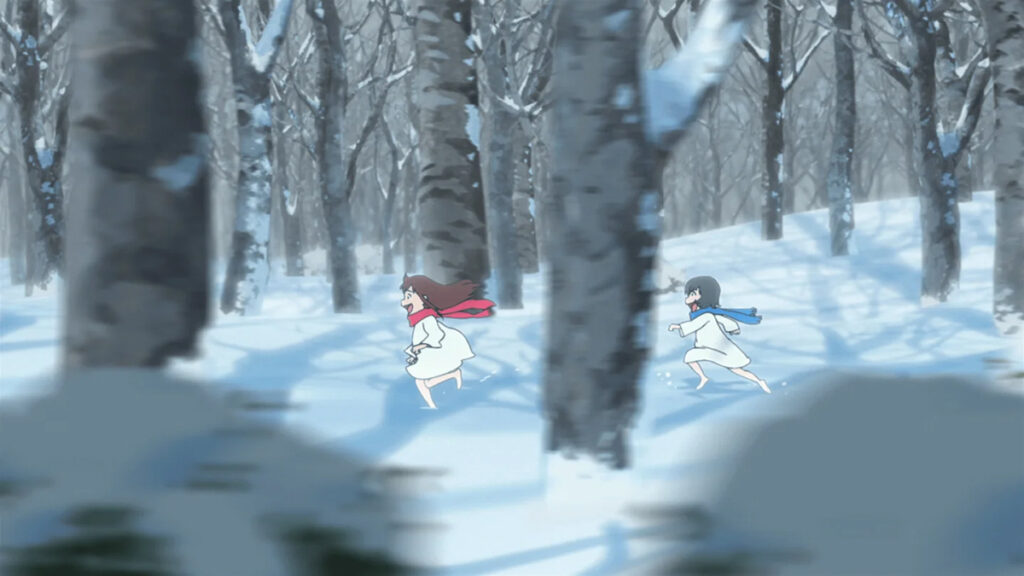
- Wolf Children: An emotional narrative following Hana, a woman left widowed with two half-human, half-wolf children. The story explores the complexities of single motherhood, grief, mixed identities and individuality. As her children grow into polar opposites, they must ultimately choose their own distinct paths in society.
- The Girl Who Leapt Through Time: A clumsy girl gains the ability to jump backward in time after a near-fatal accident. She initially uses the power for frivolous reasons before discovering the butterfly effect — how her choices harm others — and learning the importance of finding acceptance and moving forward before her time runs out.
How film bridges language and culture
Film culture shares the human experience through storytelling, creating a space for emotion and empathy and often teaching us about concepts that may seem foreign.
Movies like these hold a precious memory for me. Three summers ago, my family hosted a junior high school student from Japan, and film was one of the strongest bonds we shared. Each night, we sat down to watch movies together. We took turns: One night, we played films in Japanese with English subtitles and the next we switched to English with Japanese subtitles.
She told us the activity reminded her of her family in Japan, and she would teach us about the environmental and cultural differences we spotted on screen. It was a shared memory of connection, overcoming language barriers through our mutual love for cinema.
Two years later, I am now a student in Japan visiting my family’s former exchange student. She told me she still rewatches those movies daily, and Mamoru Hosoda remains her favorite director.
The creative origins of Mamoru Hosoda
- 6F Toda Building, 1 Chome-7-1, Kyobashi, Chuo City, 104-0031 Tokyo
- June 20-August 31, 2026, 10am to 6pm
- Adults / university students: ¥2,500
- High school students: ¥1,500
- Elementary / junior high students: ¥1,000