Tokyo Off the Beaten Path: 6 Local Parks to Escape the Crowds
Despite its status as one of the world’s largest cities, Tokyo has an abundance of greenery, allowing people to stay in touch with the natural environment. Grand, expansive parks surrounding historical temples draw attention from all over the world and often overshadow underrated local favorites.
So, when you need a break from the busyness of urban life, Japan’s many smaller, local parks provide an escape from large crowds and much-needed relaxation. From lesser-known shrine parks nestled between buildings to riverside views, discover new locations to unwind without having to stray too far from home with six of our favorites.
Nogi Park: Shaded shrine and historic residence
- Entry: Free
- Closest Station: Nogizaka Station (1-minute walk)
- Operating Hours: 24 hours
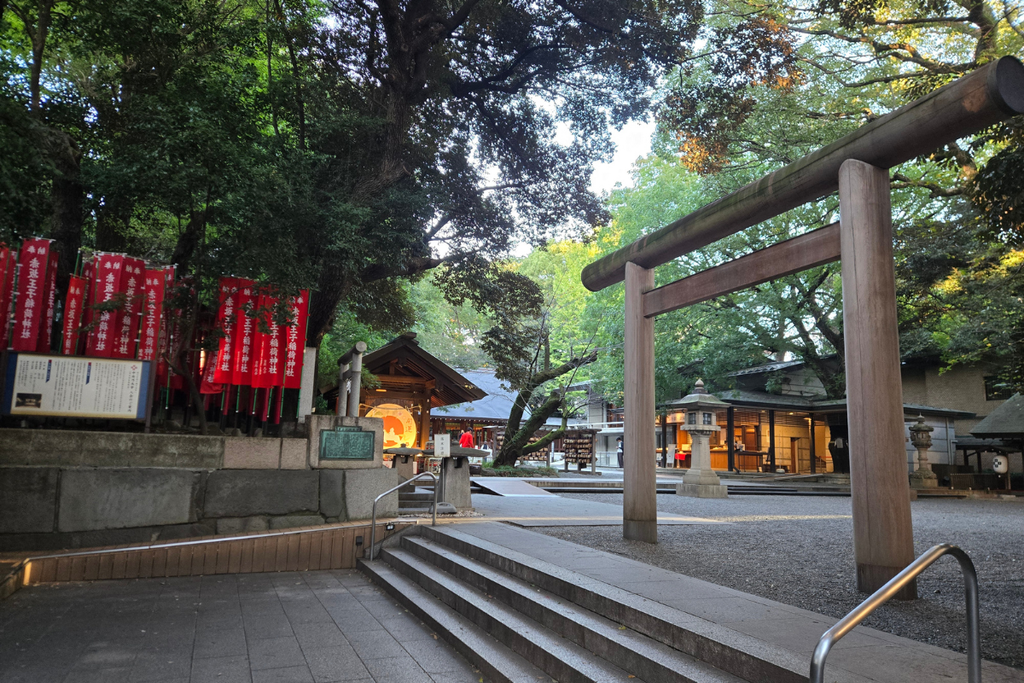
Hidden among the streets of Minato is the quiet and comforting Nogi Park. A former residence of the Meiji-era Gen. Nogi Maresuke, the grounds were donated to the city of Tokyo in 1913. Green space and lush trees surround the 100-year-old main residence building and horse stables. Visible as well are the restored Meiji-era Nogi Shrine buildings. Entry to the main Nogi residence building is open to the public only three times per year.
Large trees and thick foliage at the edge of the park provide ample shading to cool off under and create a sense of separation from the wider Minato area. The park may cover a small area and individual visits may not be long, but relaxation from the daily stresses of urban life comes easily in Nogi Park. The park also has great ease of access, sitting next to Nogizaka Station along the Chiyoda Line, making for a convenient retreat.
Hinokicho Park: Midtown respite
- Entry: Free
- Closest Station: Roppongi Station (5-minute walk)
- Operating Hours: 5am to 11pm
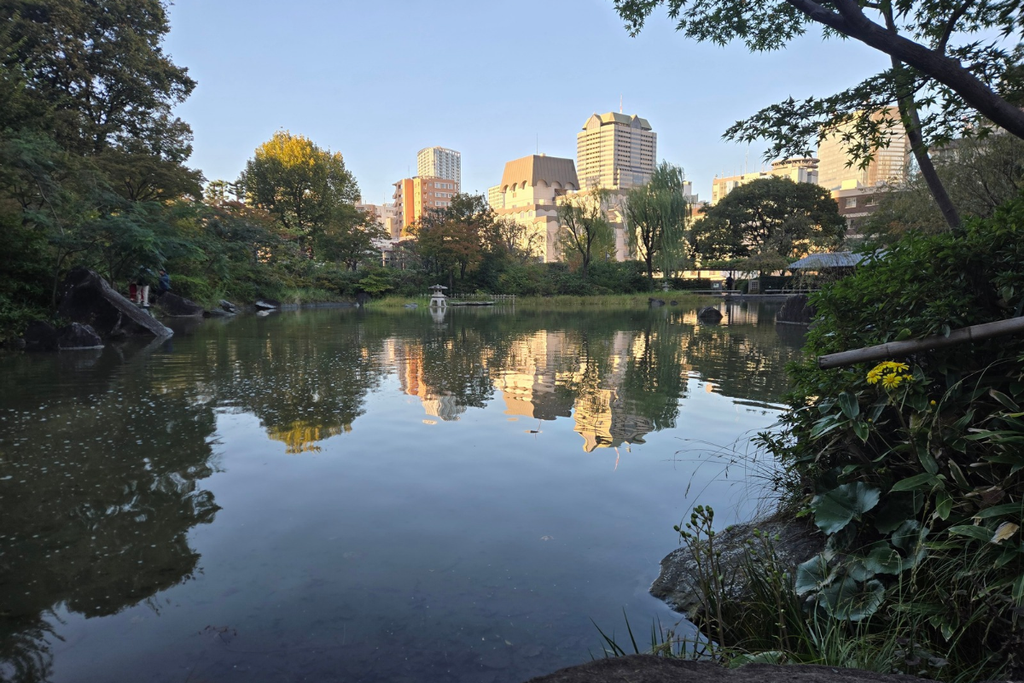
The well-maintained landscape of Hinokicho Park is hard to miss among the high-rise buildings surrounding Roppongi Station. The former Edo-period garden space and pondside rest house make for a popular stop among lunch-eating locals. Open field space and playground equipment make the park great for midday family fun. Paved paths lined by shading trees and vibrant plant life make for a refreshing walk around the park grounds.
The park also offers a unique draw for the more artistically minded visitor. The 21_21 Design Sight gallery for Japanese modern design sits within the green space, with the Suntory Museum of Art sitting next to the park. The park is an excellent stop for anyone in the area.
Wakasu Seaside Park: A sporty day trip
- Entry: Free
- Closest Station: Shin-Kiba Station (bus required from station)
- Operating Hours: 24 hours
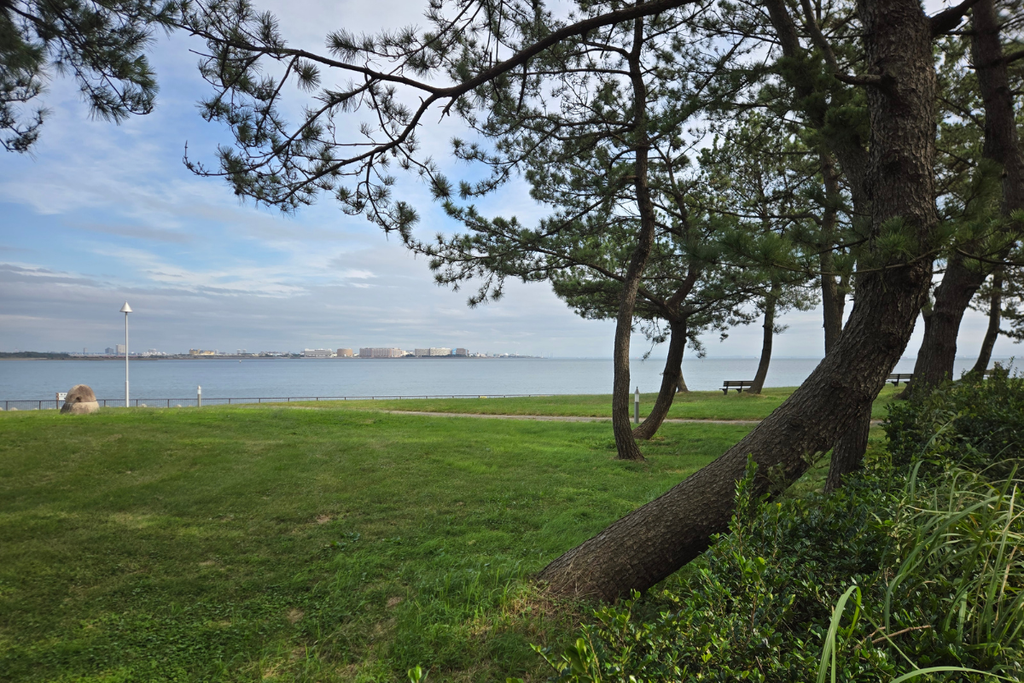
Few parks in Tokyo offer the variety of activities as Wakasu Seaside Park. This Tokyo Bay park features expansive grounds suited for all kinds of outdoor activities. The park’s paved paths make it an excellent endcap to any waterside cycling trip. Open grounds are excellent for picnics in the sun and for viewing the Tokyo Gate Bridge. Campers can enjoy the dedicated camping grounds and seaside fishing facility. The Wakasu Yacht Club provides a high-end escape. Lastly, the park features an 18-hole golf course, which is rare within Tokyo city.
The only problem facing the park is its accessibility. Without a car, any visitor is reliant on a 15-minute bus ride from Shin-Kiba Station. If you take public transit, you may also be more limited in what you can bring. However, it is easy to make a day out of a visit to Wakasu Seaside Park with its plethora of activities and enormous park grounds, making it a well-worthwhile visit.
Some facilities, including the campgrounds and select cycling paths, at Wakasu are currently closed for long-term renovation. However, a majority of the park remains accessible and enjoyable.
Kyu-Furukawa Gardens: Blend of Western and Japanese garden styles
- Entry: ¥150
- Closest Station: Kami-Nakasato Station
- Operating Hours: 9am to 5pm (last entry at 4:30pm)
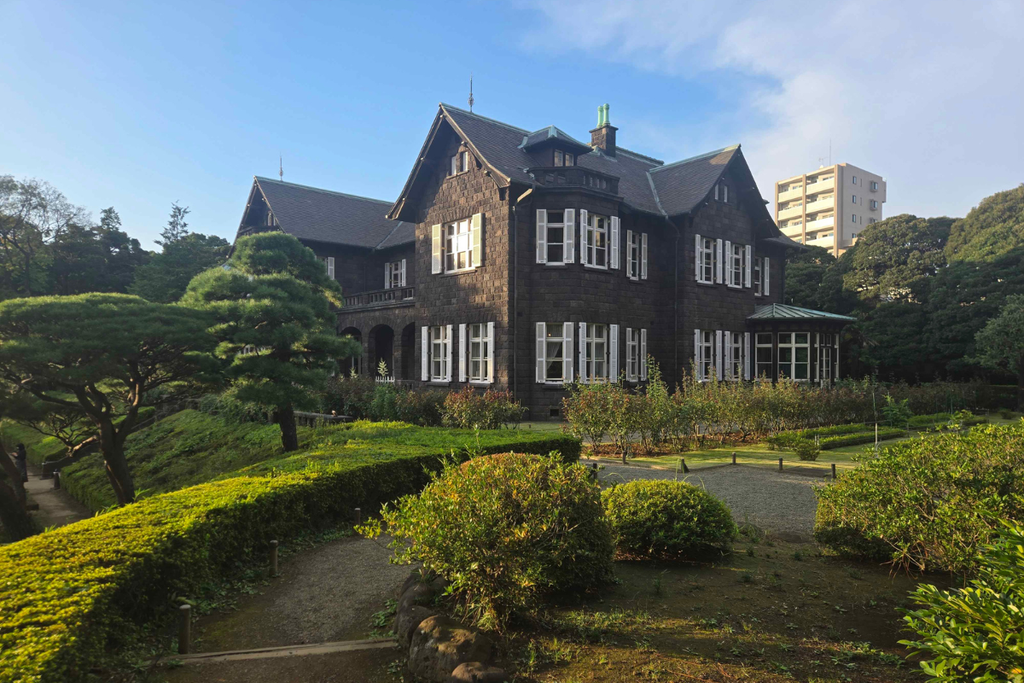
The preserved estate of the Kyu-Furukawa Gardens features a Western-style stone mansion and rose garden overlooking a traditional Japanese garden. Even when the roses on the garden’s upper terrace are out of season, the high walls and trees surrounding the garden create a sense of tranquility one can enjoy at a variety of benches and rest spots. The Kyu-Furukawa Gardens were designated as a site of scenic beauty by the national government in 2006, a label any visitor will find appropriate when within its grounds.
The gardens have a light ¥150 entrance fee and tours of the stone mansion’s interior are offered for an additional fee. Regardless, the grounds and its stunningly colorful plant life are well worth the visit. Kyu-Furukawa Gardens is accessible by a seven-minute walk from either Kami-Nakasato Station or Nishigahara Station.
Kiba Park: A blend of the urban and greenery
- Entry: Free
- Closest Station: Kiba Station (6-minute walk)
- Operating Hours: 24 hours
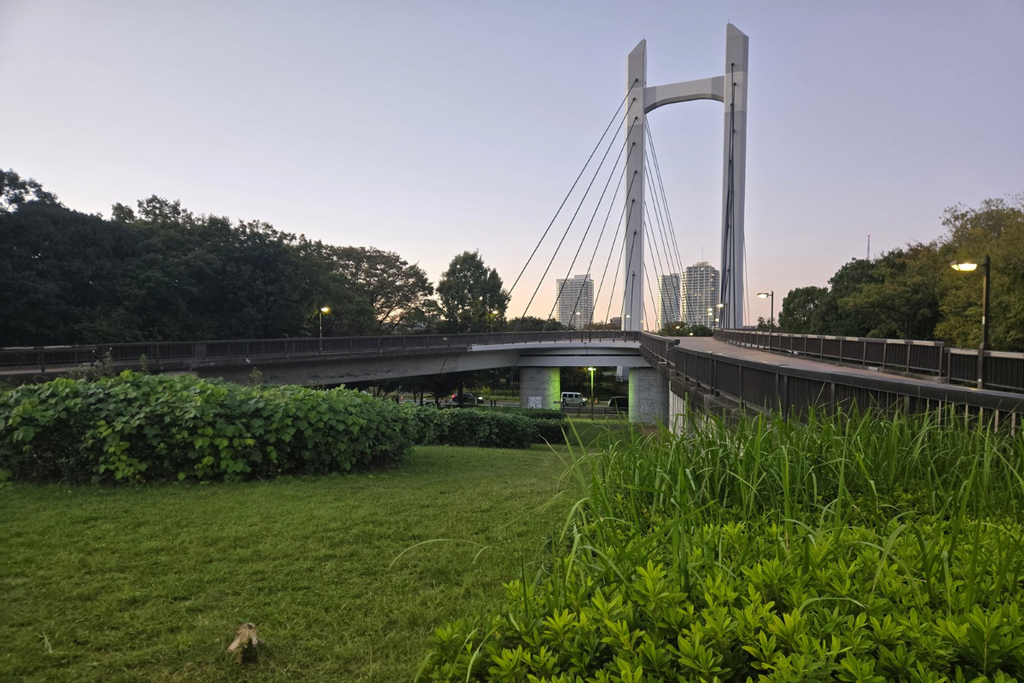
The green space of Kiba Park blends into the urban landscape of Koto, providing residents with a plethora of open space, sports fields, benches and paved paths for their leisure. Kiba Park’s most defining feature is the stunning bridge connecting two halves of the grounds split by the Sendaihori River. An elaborate fountain plaza sits on one end of the bridge with another plaza and ample seating space on the other.
With wide and varied paths, the park is excellent for joggers and cyclists, with distance markers along the trails helping keep track of exercise. A fenced-in dog run provides a space for pet owners. An in-park cafe and the many surrounding restaurants provide a wide selection of food and sweet options. A small botanical garden provides flower viewing, and the park grounds also effortlessly blend into the Museum of Contemporary Art Tokyo.
Ojima-Komatsugawa Park: Arakawa riverside retreat
- Entry: Free
- Closest Station: Higashi-Ojima Station (1-minute walk)
- Operating Hours: 24 hours
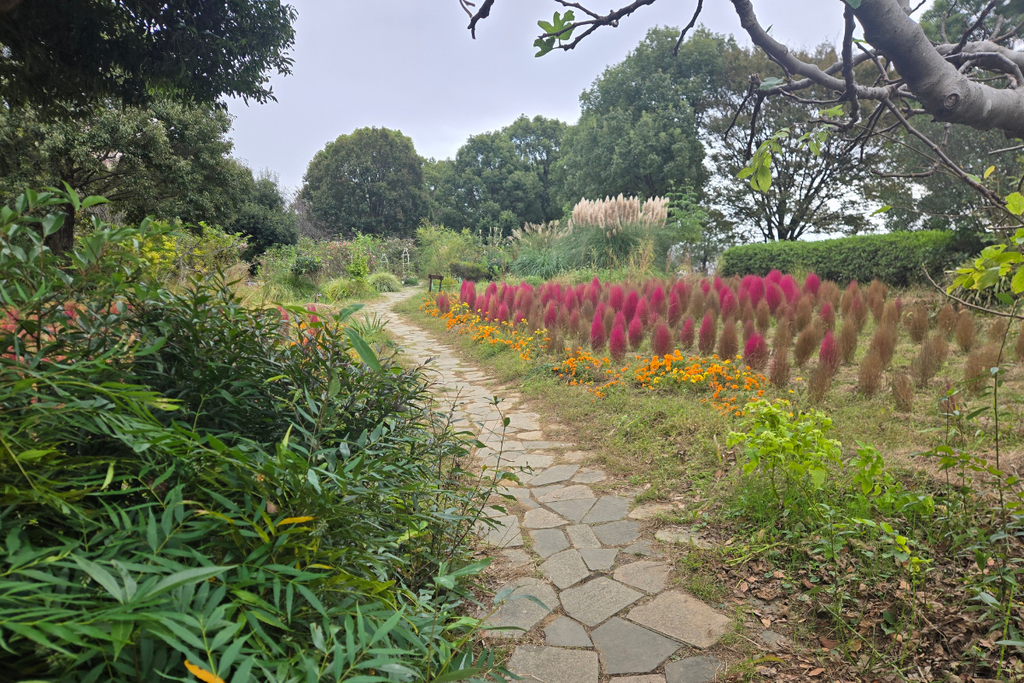
This Edogawa park features a little something for everyone. For the sporty, Ojima-Komatsugawa Park’s expansive grounds have multiple tennis courts, a basketball court and open space for any kind of physical activity. One will see many plant enthusiasts taking photos of the well-maintained botanical garden. The grounds also have dedicated play equipment for children and families, a barbecue area for some outdoor eating and many shaded seating areas to beat the heat.
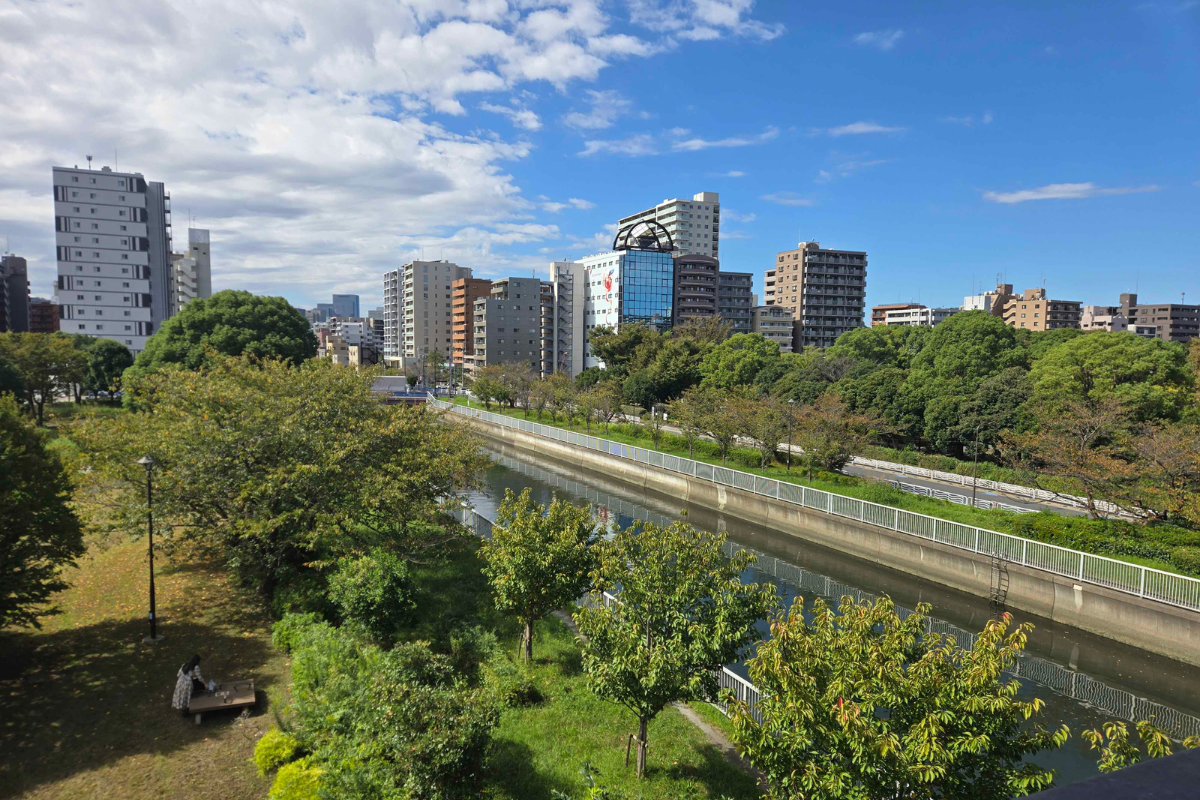
By far the greatest appeal of Ojima-Komatsugawa Park is its cycling and riverside access. The paths within the park’s main area are paved, wide and long, making for safe and easy recreation. The park’s access to the Arakawa riverbed also opens up the expansive riding trail along the Arakawa River for any intrepid cyclist, providing great exercise and unmatched scenic views. The park is easily accessible by train, car or bicycle.
Ojima-Komatsugawa Park is certainly popular, but large enough to never feel crowded. One can easily settle into a location and unwind within the park.
Tokyo’s vibrant green spaces are not limited to the expansive, internationally famous locations. Consider exploring local areas to find locations that appeal to your own particular interests and can support a healthy work-life balance.