
Beyond Home and Work: the Ibasho
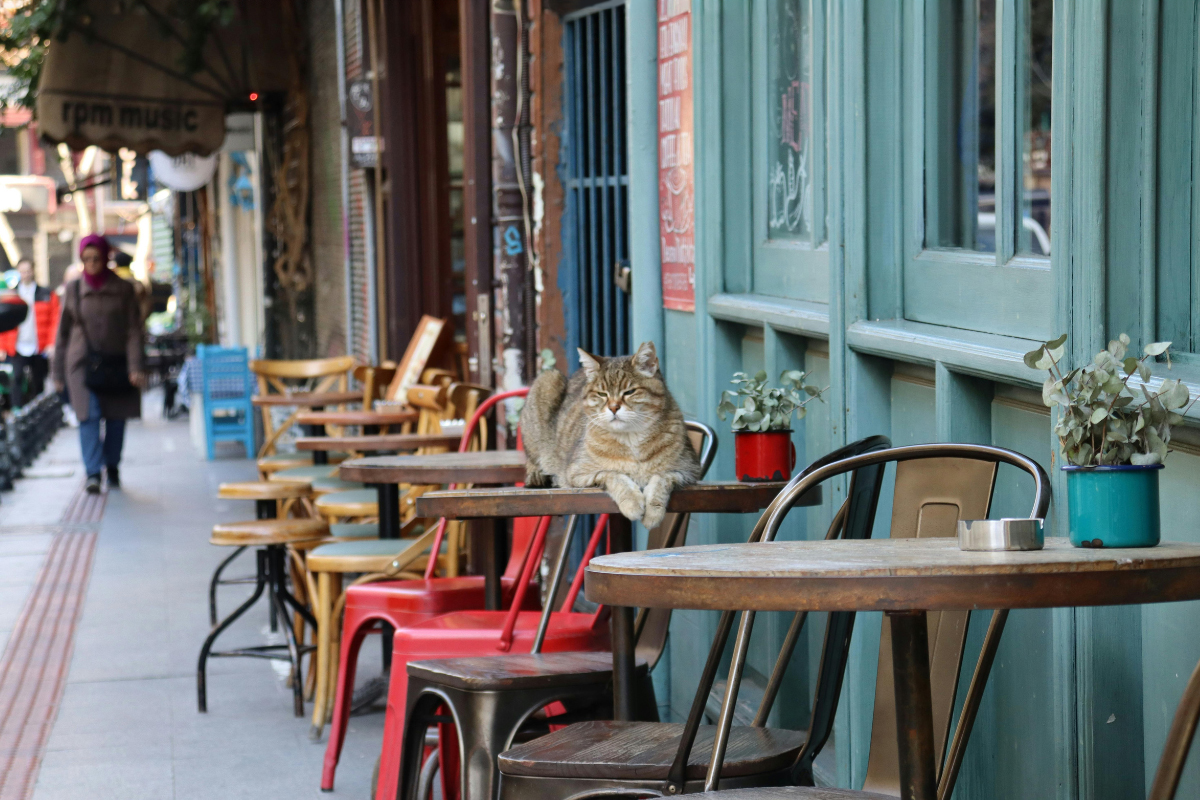
Days are often split between two dominant locations: the home and the workplace. Urban sociologist Ray Oldenburg coined the term “third place” to describe those essential spots that are neither home, the “first place,” nor work, the “second place.” These are the cafes, parks, gyms and community centers where people go to decompress and connect.
For international residents, finding a third place in Japan is a vital strategy for mental well-being. When I first moved to Japan without friends or family, I felt isolated and lost. I relied on the internet for information, but without interpersonal relationships, the loneliness was palpable.
Determined to change this, I forced myself to visit different cafes and bars until I stumbled upon a spot in my local area that felt special. I instinctively started going there every day. Soon, I became friends with the owner, the regulars and the surrounding business owners. Friends gradually entered my life and my understanding of the language and culture dramatically increased. The simple interactions eventually led to invitations for sports groups, hangouts and events.
I had found a place that accepted me—a place where I could share my experiences, no matter how good or bad my day was. I found myself barely at home, preferring to be at the store doing work, helping customers or chatting with friends. I had found what the Japanese call ibasho.
The Japanese Concept of Ibasho
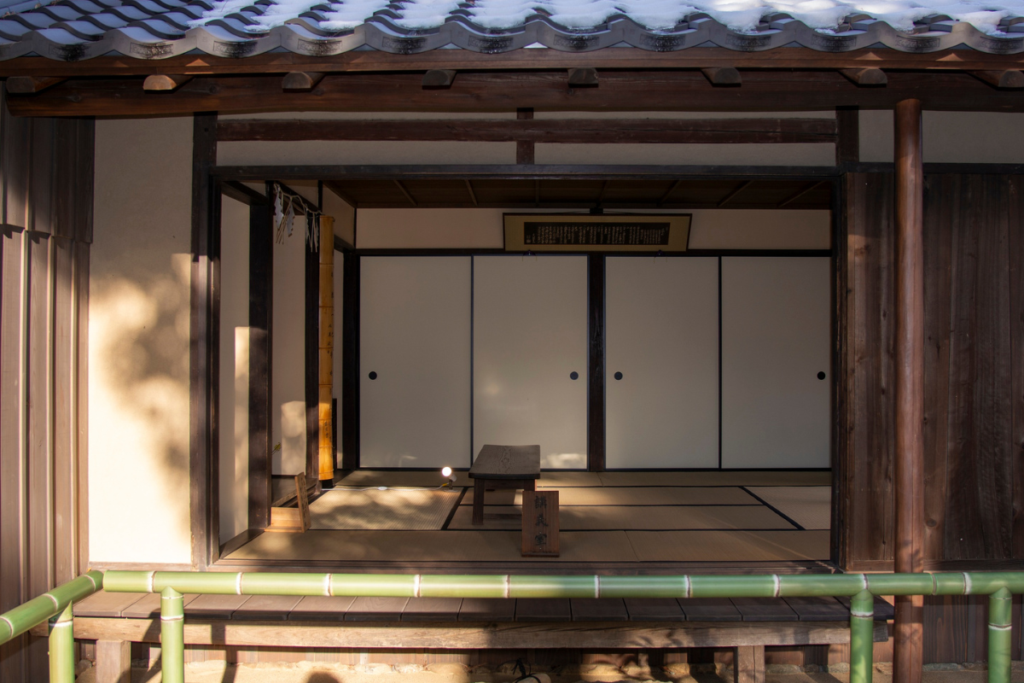
Ibasho is a concept that goes deeper than a simple physical location; it’s a place where you can feel like yourself. While a “third place” defines where you are, ibasho defines how you feel: accepted, comfortable and free to be yourself without playing a social role.
In a society that values formality and requires constant attention to “reading the air”, having an ibasho is crucial. It is a space where the pressure lifts. For expats, your ibasho might be a physical place, but it can also be a community where the language barrier softens and you feel a genuine sense of belonging.
Why You Need a Third Place
According to Alexander Sellrup, a clinical psychologist and founder of Flexi, third places provide a “state shift, or a small ‘reality mental holiday,’ which is crucial for sanity. A third place gives you the playground for this, to breathe and be appreciated.” A third place provides stress relief and cultural integration, serving as a buffer against the paradoxical loneliness of Japan’s urban centers. While the benefits are well-documented, they are especially poignant for those living abroad:
- Stress Relief: A neutral ground allows you to mentally detach from professional responsibilities and domestic chores.
- Combatting Isolation: A third place provides “loose connections”—low-stakes, friendly interactions that ground you in your neighborhood.
- Cultural Integration: Regularity builds rapport. Being a “regular” at a local coffee shop or gym—just as I was at my local spot—is often the first step toward feeling like a resident rather than a tourist.
Interaction-oriented Locations
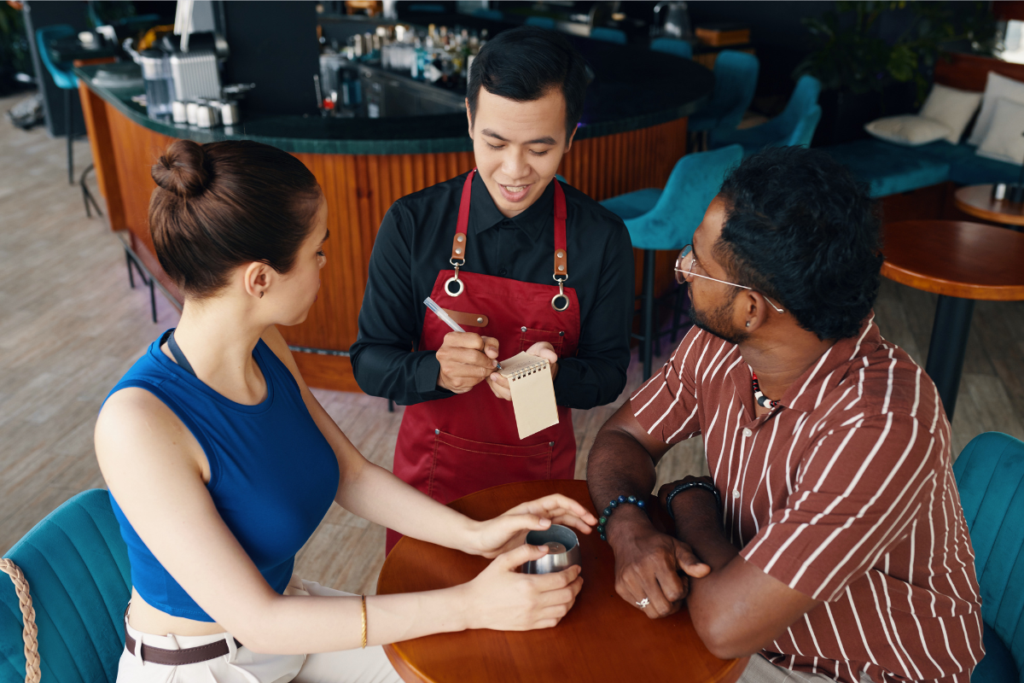
Finding a third place in Japan can sometimes be challenging due to perceived exclusivity, but looking for spaces specifically designed for conversation is the key. Unlike a quiet library, these interaction-oriented spots encourage mingling:
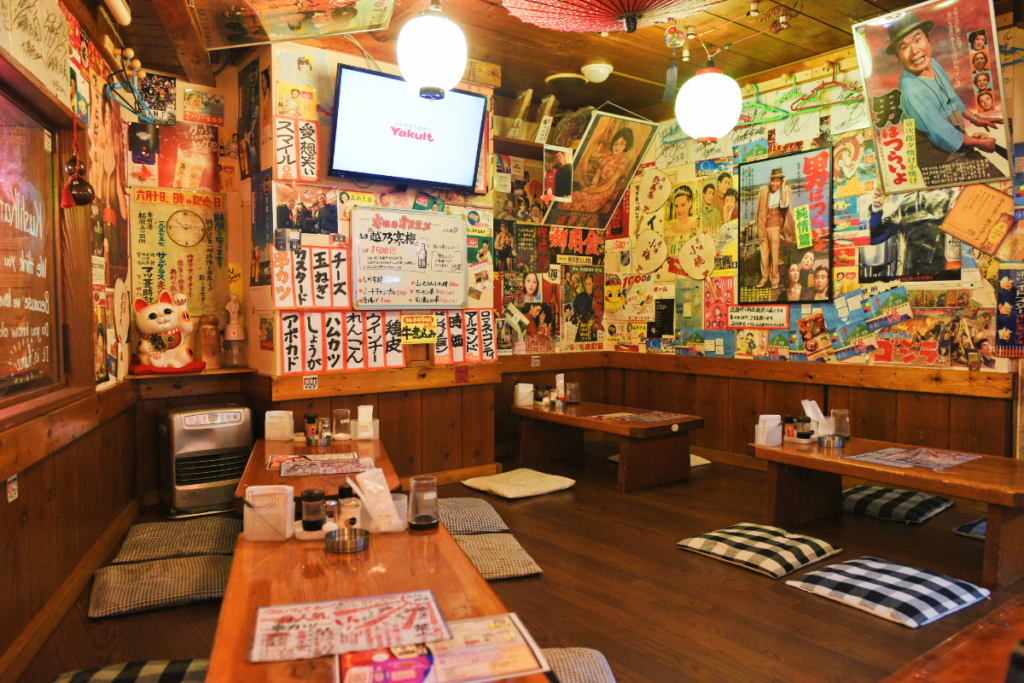
- Local Izakaya: This is the quintessential Japanese third place. To maximize interaction, sit at the counter rather than a table. It signals you are open to chatting with the master or fellow patrons.
- Standing Bars: These casual, often inexpensive standing bars are social by design. The lack of chairs encourages mingling and makes it easier to strike up casual conversations.
- Bathhouses: The neighborhood sento is a community hub where social barriers (and everything else) are stripped away. It is a place of vulnerability and shared relaxation.
Shared Interests and Hobby Groups
If walking into a bar alone feels daunting, activity-based communities are a fantastic alternative that provide a shared focus to bridge language gaps.
- Martial Arts Dojos: Joining a local judo, karate or aikido dojo immerses you in discipline and community. The shared struggle of training creates strong bonds.
- Language Exchange Events: Platforms such as Meetup.com or apps such as HelloTalk often host in-person gatherings. These are safe spaces where everyone is navigating the awkwardness of learning a new language together.
- Volunteering: Organizations such as Hands On Tokyo or local community cleanup groups offer a sense of purpose. Organizations such as Dambo also offer workshops for kids and parents to learn about how to be more eco-friendly while interacting with other families. Working side-by-side on a project is one of the fastest ways to build trust.

Digital-Physical Hybrids
With social media and the internet widely available, many micro-communities organize via social media or online before meeting in person. However, always remember to exercise caution when meeting groups offline and ensure that someone knows where you’ll be for duration of the event.
- InterNations: A global network with a strong presence in Tokyo and Osaka, ideal for professional networking and finding people with similar expat experiences.
- Instagram & Facebook Groups: Search for niche interests in your ward such as “Setagaya Runners” or “Shibuya Book Club.”

Making It Stick
Finding a third place in Japan requires a bit of courage and consistency. It means going to the same cafe until the barista knows your order, or showing up to the volunteer event even when you’re tired.
In my case, forcing myself to go to that cafe every day was the turning point. In Japan, where relationships are often built on trust and longevity, showing up repeatedly is 90% of the battle.
FAQs
What is the difference between a “Third Place” and Ibasho? While a “third place” is a physical location separate from home and work (such as a cafe or gym), Ibasho refers to the psychological feeling of safety and acceptance you feel within that space. You can have a third place, but until you feel deep acceptance there, it hasn’t yet become your Ibasho.
Is it difficult to find a Third Place in Japan if I don’t speak Japanese? It can be challenging, but not impossible. Activity-based groups such as martial arts dojos or volunteer organizations often rely on shared physical tasks where fluent language is less critical. Additionally, digital platforms such as InterNations cater specifically to international residents.
Are Japanese bars and Izakaya open to foreigners? Yes, most are very welcoming. Sitting at the counter in an Izakaya or visiting a standing bar signals that you are open to communication, which helps bridge the cultural gap.
How GoConnect Can Help You Find Your Ibasho
Finding your third place in Japan doesn’t have to be a solo mission. GoConnect is designed specifically to bridge the gap between international residents and the best of life in Japan.
Whether you are looking for a gym where you feel comfortable, a language school, or a volunteer opportunity with a local NPO, we connect you with trusted, English-friendly organizations that can become your new community.
Your Guide to Japan, Delivered
The easiest way to discover these opportunities? Subscribe to the GoConnect Newsletter. Don’t let the best events and hidden gems pass you by. By signing up, you get a curated selection of community events, lifestyle tips, and exclusive offers delivered straight to your inbox every week. If you enjoyed this article, please let us know and share your thoughts at hello@goconnect.jp.