
The Global Rise of Boutique International Schools
Introduction: Beyond Prestige and Rankings
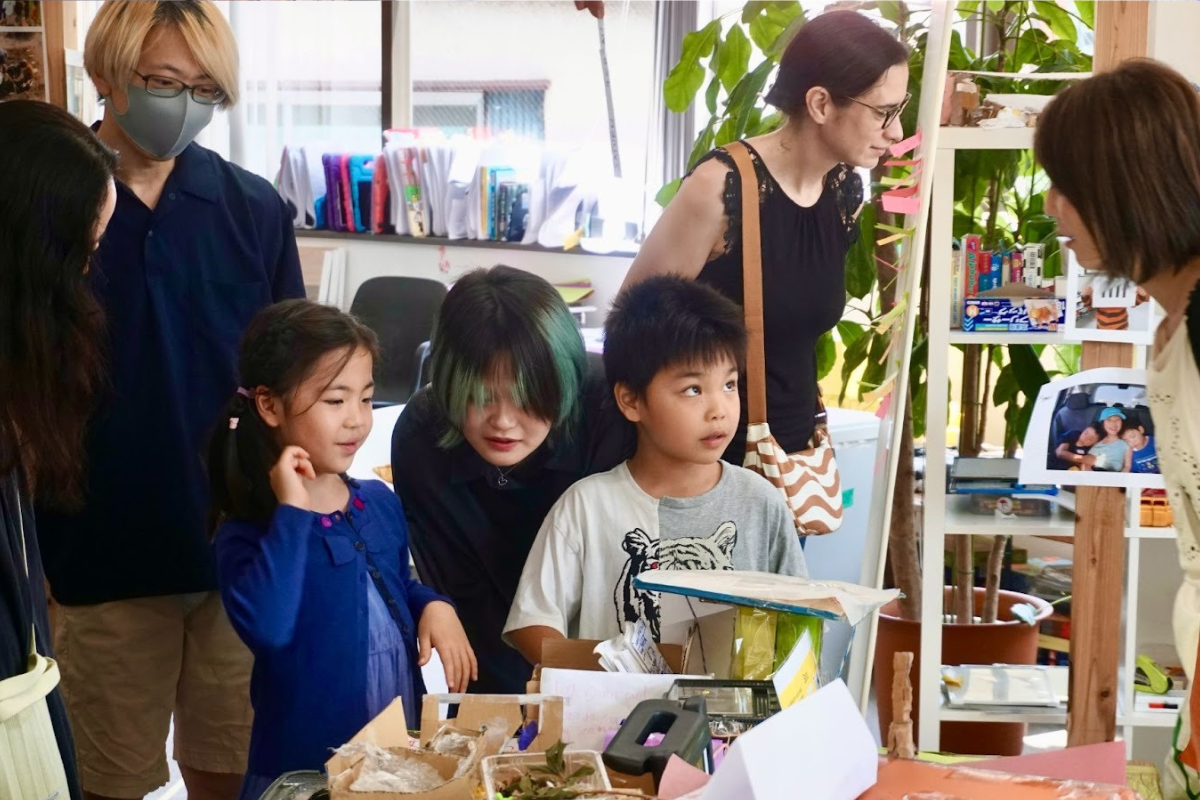
Around the world, education is undergoing a quiet revolution. For much of the 20th century, people judged the “best” schools by test scores, university acceptance rates and reputation. Parents looked for well-known names, believing they guaranteed success. But as the world changes, so does our idea of what makes a good education.
Today, families are asking new questions: Will my child become confident and curious? Will they learn to think creatively and adapt to change? Will school prepare them for life, not just for tests?
These questions have led to the rise of boutique international schools. These small, values-driven institutions focus on personalization, real-world learning and a strong sense of community. Sometimes called independent or purpose-driven schools, they are challenging ideas about what education should look like in the 21st century.
Why Families Are Rethinking Education
Several forces are pushing parents to rethink their choices:
- The future of work:
Many of today’s children will have jobs that don’t yet exist. Employers now look for skills like adaptability, critical thinking, and collaboration instead of just memorizing facts. - Student well-being:
Parents are more conscious than ever of their children’s mental health, balance, and overall happiness. School is no longer just a place to study; it is a community where children spend much of their childhood. - Global mobility:
Expat families, digital nomads, and local parents with a global outlook want education that reflects international values but still feels personal. - Post-pandemic lessons:
COVID-19 showed both the fragility and strength of education systems. Many families realized that rigid, test-heavy schooling often left children disengaged, while creative and flexible learning environments helped them grow.
As a result, families are seeking schools that focus less on prestige and more on the right fit, where their children can thrive as individuals.
What Defines a Boutique School?
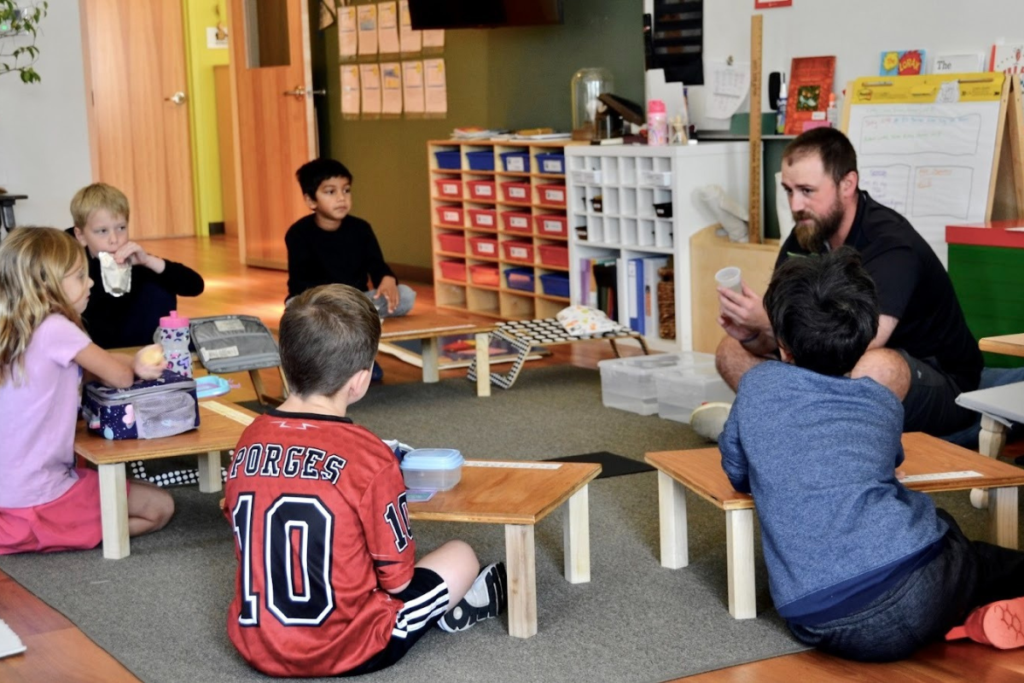
Boutique schools are not simply “smaller schools.” They share some key features:
- Personalization:
Small class sizes and close teacher-student relationships foster individualized attention. - Experiential learning:
Project-based and inquiry-driven education connects classroom knowledge to real life. - Values-driven:
These schools are anchored in clear philosophies, such as sustainability, creativity, independence or cultural fluency. - Community focus:
Families are partners in learning, and the school culture feels collaborative rather than transactional.
In short, boutique schools prioritize fit over fame. They help each child thrive in an environment that matches their personality, strengths and values.
Case Study: Green School Bali – Learning Through Sustainability
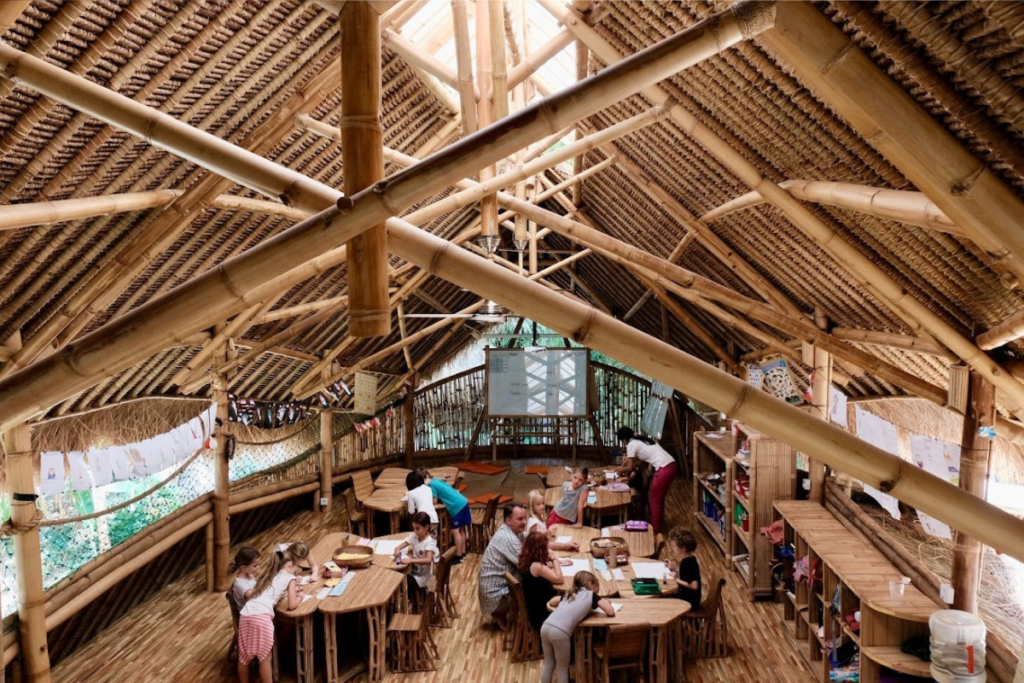
One of the best-known examples of this movement is Green School Bali. Founded in 2008, the school has become iconic for its bamboo architecture and its philosophy of education for sustainability.
At Green School, lessons are deeply experiential. A mathematics class might involve measuring the flow of a river to calculate renewable energy potential. Students work on projects tied to environmental stewardship, entrepreneurship, and community service. This aligns with Sir Ken Robinson’s influential call to “rethink education systems” so that creativity is treated as seriously as literacy.
Green School has inspired sister campuses in New Zealand, South Africa, and Mexico, showing that a small school model can influence global conversations about education.
Boutique Education in Tokyo: MEES International School
In Japan, where academic rigor and uniformity have long defined mainstream schooling, smaller boutique schools are emerging as thoughtful alternatives.
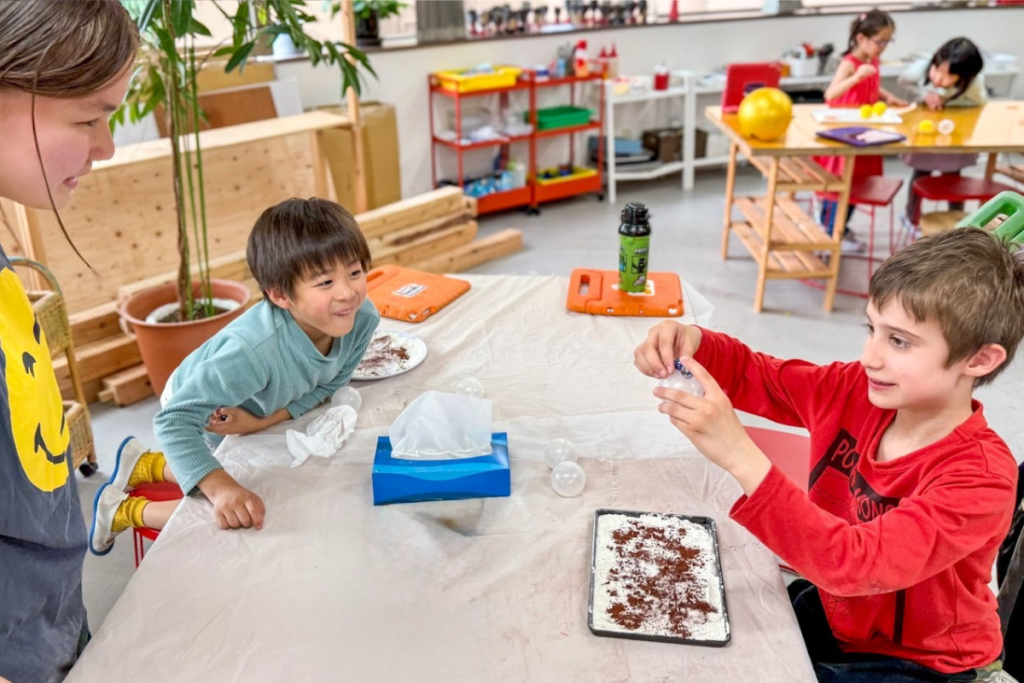
MEES International School in Tokyo is one such place. Here, project-based learning meets forest education and a child-centered approach, where lessons can happen in nature and children explore, create and discover together. Families appreciate the school’s close-knit community, where every child is known by name and learning feels personal and meaningful.
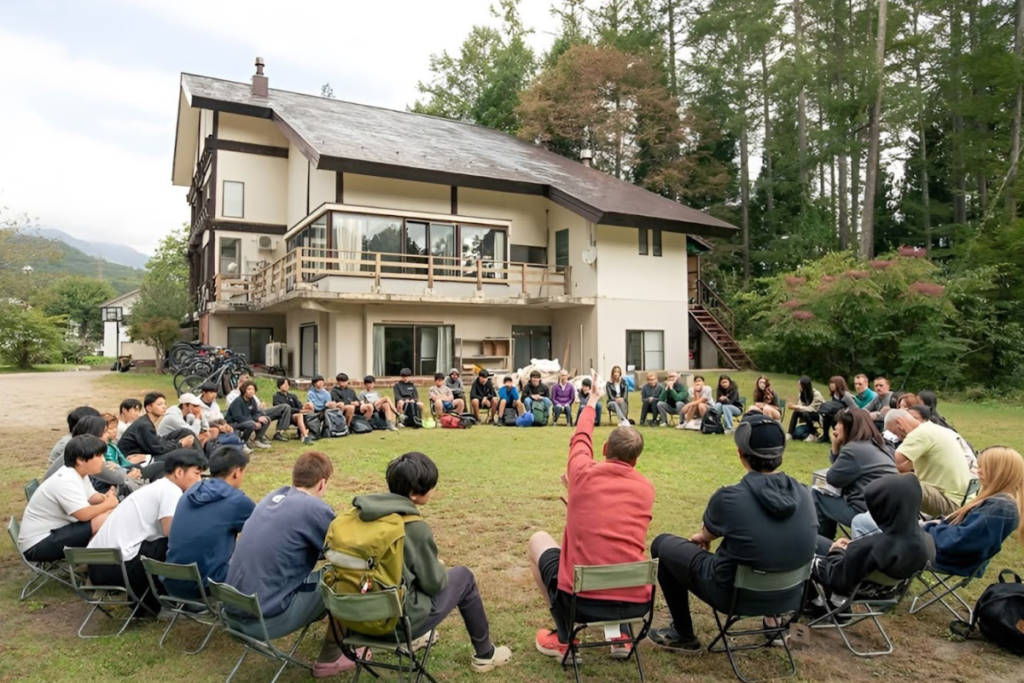
While MEES is younger than many long-established institutions in Tokyo, it reflects a wider movement in Japan toward smaller, more intentional learning environments. Across the country, other small-scale schools are developing their own distinctive identities. For example, some are rooted in special education, others in sports, STEM or internationally recognized curricula. Regional innovators such as Hakuba International School or United World Colleges International School of Asia, Karuizawa (UWC ISAK) also embrace experiential, student-centered approaches. Together, these purpose-driven schools are quietly reshaping the educational landscape in Japan.
Other Schools Shaping the Movement
Around the world, boutique and independent schools are emerging with distinct learning philosophies that focus on meaningful, child-centered education. Many draw from democratic schooling, where students have a voice in decisions and learn through self-directed exploration. Others follow Reggio Emilia principles, emphasizing creativity, collaboration and the environment as a “third teacher.”
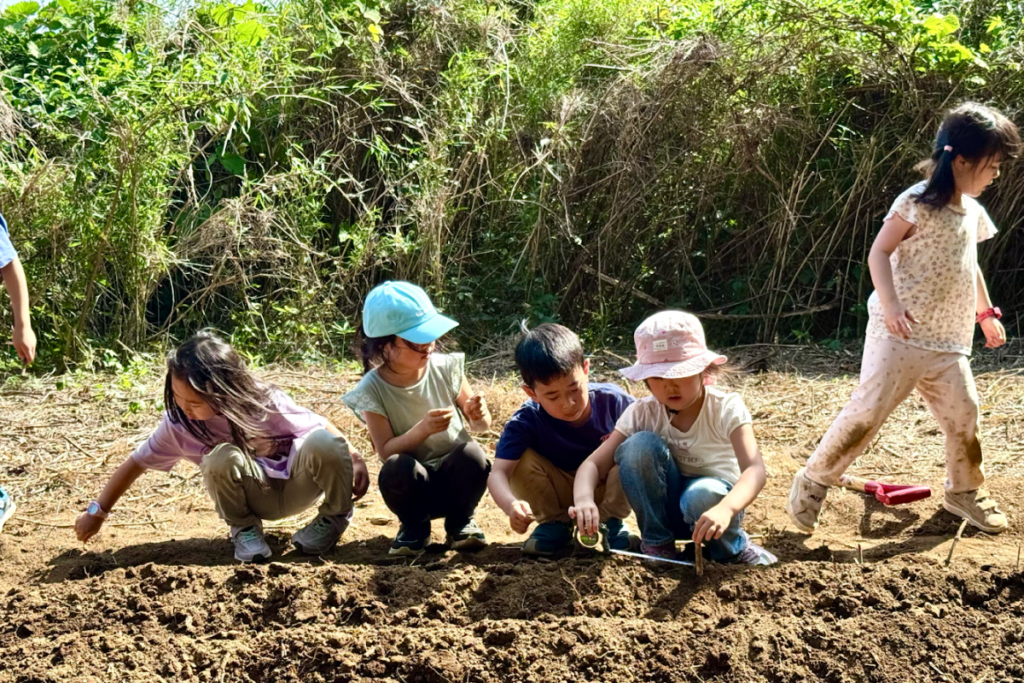
A growing number embrace forest and nature-based learning, transforming woods and open spaces into living classrooms where children climb, build, observe and test ideas. Many boutique schools also integrate project-based and inquiry-driven learning, allowing students to tackle authentic challenges, work across disciplines and develop agency in their learning journey. Although each boutique school has its own identity, these shared philosophies reflect a global shift toward smaller, values-driven learning communities where relationships, curiosity and real-world learning come first.
Common Threads in Boutique Education
Across diverse regions and philosophies, boutique schools share key themes:
- Learning by doing:
Students engage in projects, design challenges and hands-on exploration. - Global citizenship:
Classrooms cultivate empathy, multicultural awareness and responsibility. - Sustainability and ethics:
Many schools connect education to environmental and social issues. - Belonging and connection:
Relationships are prioritized, and communities feel like families.
These qualities match what today’s parents want: schools that are relevant, humane and future-ready.
Challenges and Considerations
Boutique schools are not without challenges.
- Cost and access:
Smaller class sizes and specialized programs often mean higher tuition. - Scale:
Boutique schools serve only a small number of families, raising questions about fairness and wider impact. - Perceptions:
Some parents may still equate larger, more established schools with stability and success.
Yet history shows that innovations often start small. Montessori and Waldorf methods, once seen as alternatives, are now influential worldwide. Boutique schools can play a similar role by testing new models that may shape mainstream education.
Looking Ahead: Education as a Values-Driven Investment
Education has always been an investment, but the terms of that investment are shifting. Now, parents not only ask, “What grades will my child get?” but also, “What kind of person will my child become?”
This shows that the challenges of the 21st century, such as climate change, inequality and rapid technological change, require more than academic skills. They call for creativity, empathy, adaptability and purpose. Boutique schools, whether in Bali, Tokyo, Lisbon or Boston, are trying new ways to cultivate these qualities. They do not replace larger institutions, but they are changing expectations and giving families more options.
Conclusion: Fit Over Fame
From the bamboo classrooms of Green School Bali to the project-based learning at MEES Tokyo, and to the many small-scale schools implementing democratic learning, forest education and arts-driven studios around the world, boutique education is reshaping the educational landscape.
These schools show that education can be personal, meaningful and community-centered. They remind us that a school should be measured not just by its name or rankings, but by the growth, confidence and character of its students. As Sir Ken Robinson once said, “Education doesn’t need to be reformed—it needs to be transformed.” Boutique schools are part of that transformation, reminding families worldwide that in education, finding the right fit is more important than prestige.
FAQ
How are boutique international schools different from traditional schools?
While traditional schools often prioritize rankings and test scores, boutique schools focus on personalization, real-world learning and community. They prioritize “fit over fame,” creating environments where children can thrive as individuals.
Do these schools prepare children for the future?
Yes. Boutique schools focus on the skills employers now value most: adaptability, critical thinking and collaboration. By moving away from rigid memorization, they prepare children for a future of work where jobs are constantly evolving.
Why are boutique schools often smaller?
The smaller scale is intentional. It allows for small class sizes and close teacher-student relationships, ensuring every child is known by name. This fosters a sense of belonging and allows the school to be a collaborative community rather than just a place to study.
Interested in finding the right fit for your child in Tokyo? Explore how project-based learning and a close-knit community come together at MEES International School. Visit us to see boutique education in action.