
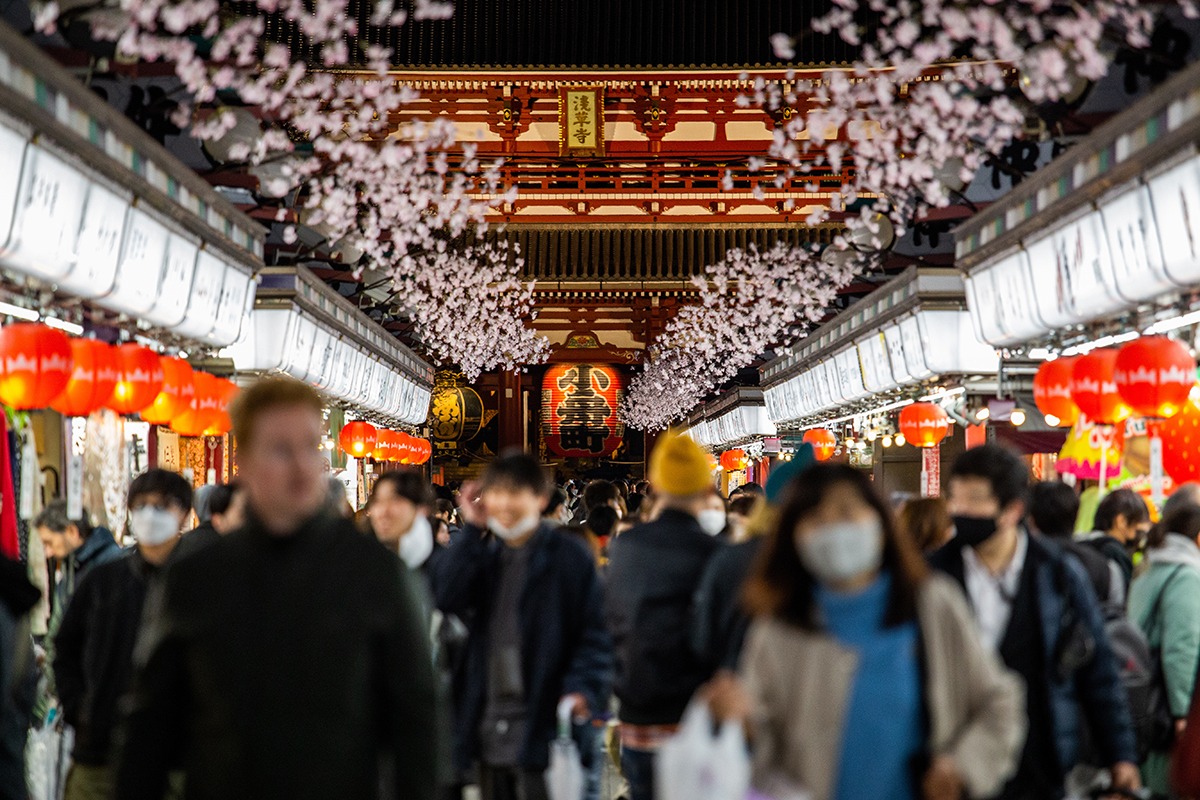
Celebrating Ōmisoka: Japanese New Year’s Eve Traditions
Ōmisoka, or Japan’s New Year’s Eve, serves as a pause between the closing year and the one about to begin. Observed on December 31, this significant day is distinct from the lively bonenkai (year-end party) of early December; instead, it is one of the most cherished Japanese New Year’s Eve traditions, spent with family and friends to reflect on the past and set intentions for the future.
The name Ōmisoka translates to “the great 30th day,” a nod to the archaic term ōtsumogori referring to the final day of the month. In Tokyo, the atmosphere shifts from contemplation to celebration as the night deepens, with crowds gathering at temples and shrines to welcome the New Year.
Origins and Spiritual Significance
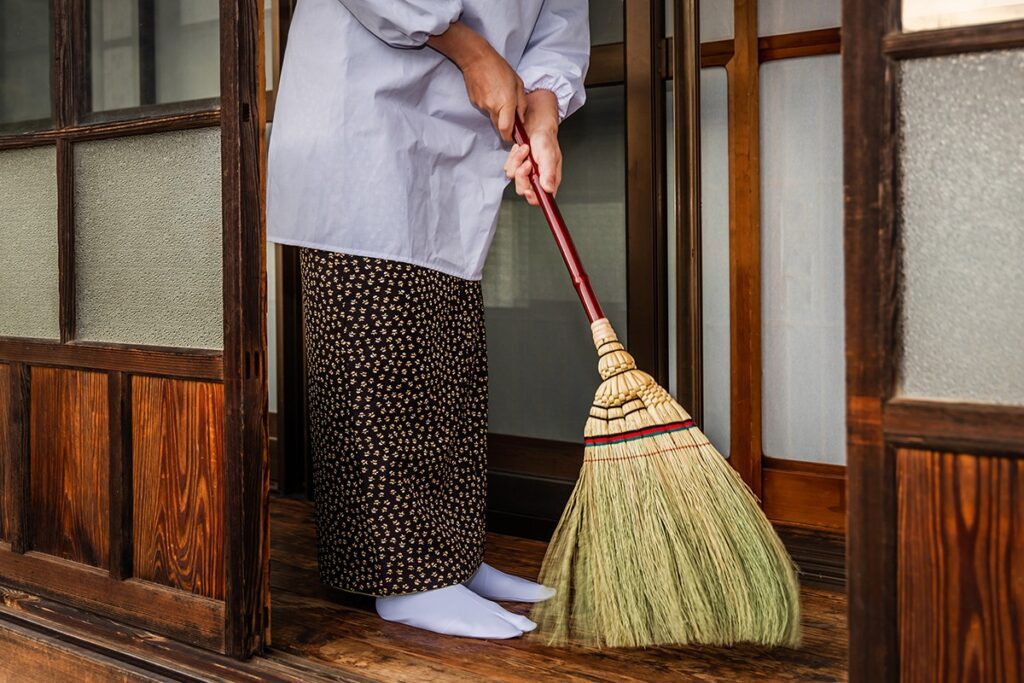
The history of these Japanese New Year’s Eve traditions dates back to the Heian period. Originally, households utilized this day to prepare for the arrival of Toshigami, the Shinto deity associated with harvests and ancestral spirits, by thoroughly cleaning their homes and offering rice cakes. While these customs are deeply rooted in ancient Shinto and Buddhist beliefs, they have evolved over the centuries to fit naturally into modern life while retaining their spiritual weight.
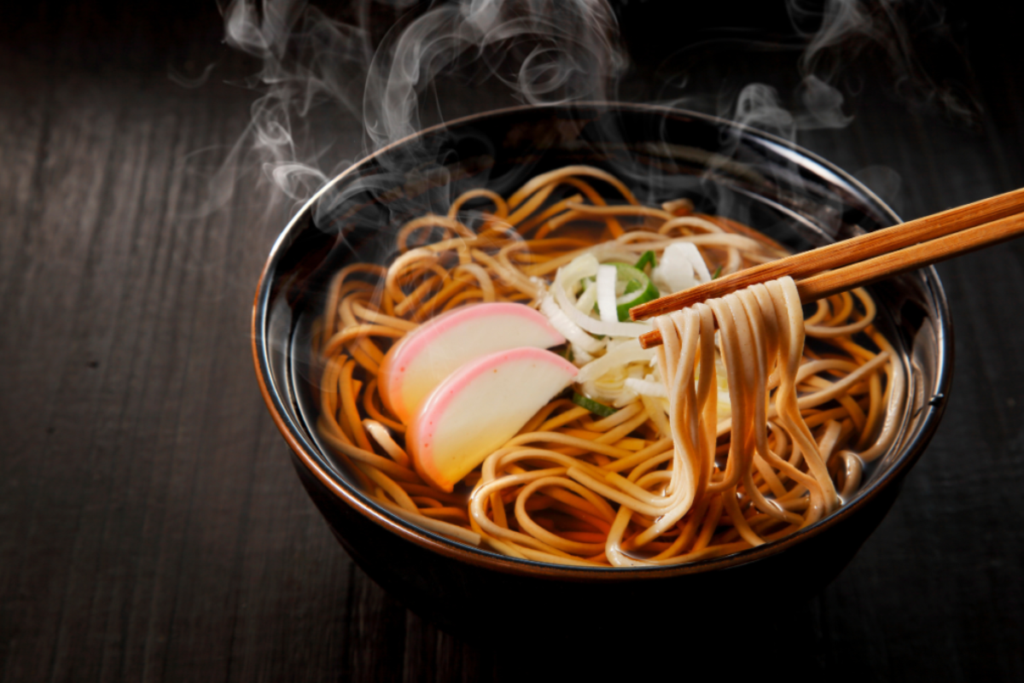
Toshikoshi Soba: The Noodles of Longevity
Toshikoshi soba, or “year-crossing noodles,” is perhaps the most famous food associated with Japanese New Year’s Eve traditions. Dating back to the Edo era, this custom is rich in symbolism: the length of the noodles represents a wish for a long life. Crucially, the noodles are easily cut, which signifies severing the hardships and misfortunes of the past year. Finishing the entire bowl is considered essential to ensure a clean, hopeful break before the New Year begins.
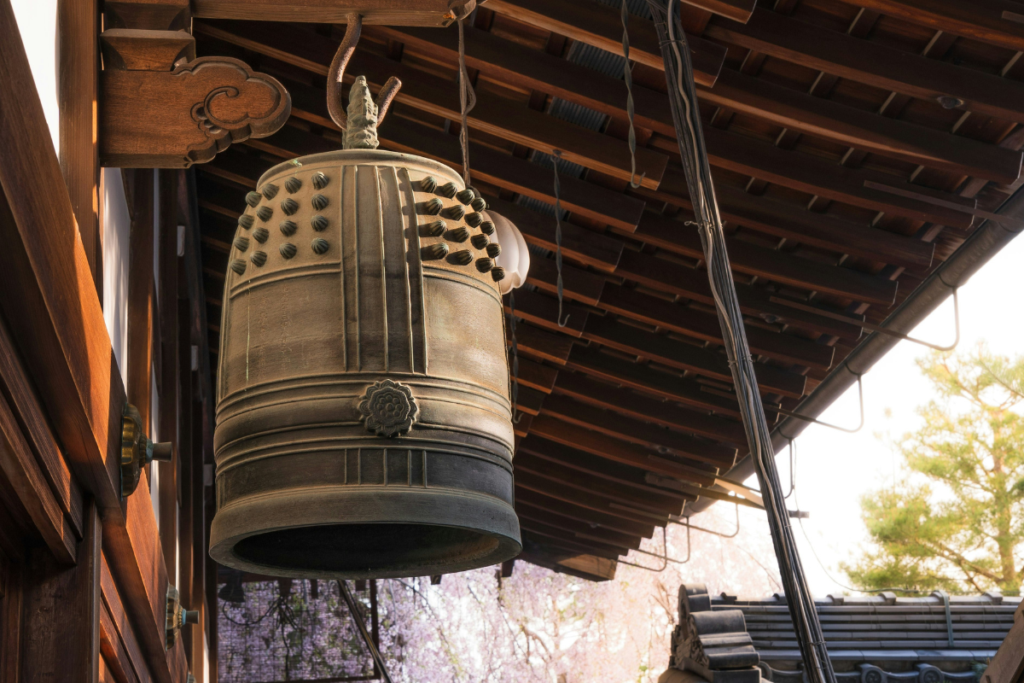
Joya no Kane: The 108 Bells of Purification
Joya no kane is the solemn Buddhist ritual of ringing temple bells 108 times as midnight approaches. This practice is a spiritual cleansing; each toll of the bell is believed to release one of the 108 bonnō, or earthly desires, that cause human suffering. The deep, resonant sound of the bells ringing out across cities and towns creates a comforting soundscape that marks the transition into the new year. Following the final chime, many people engage in hatsumode, the first shrine or temple visit of the year, to offer prayers for health and happiness.

Nengajō: The Tradition of Handwritten Greetings
Nengajō are specialized New Year’s greeting cards sent to express gratitude to friends, family, and colleagues. Despite the digital age, this remains a vital way to maintain personal connections. These cards typically feature the zodiac animal of the coming year—for example, the Horse for 2026—and serve as a tangible wish for good fortune in the year ahead.
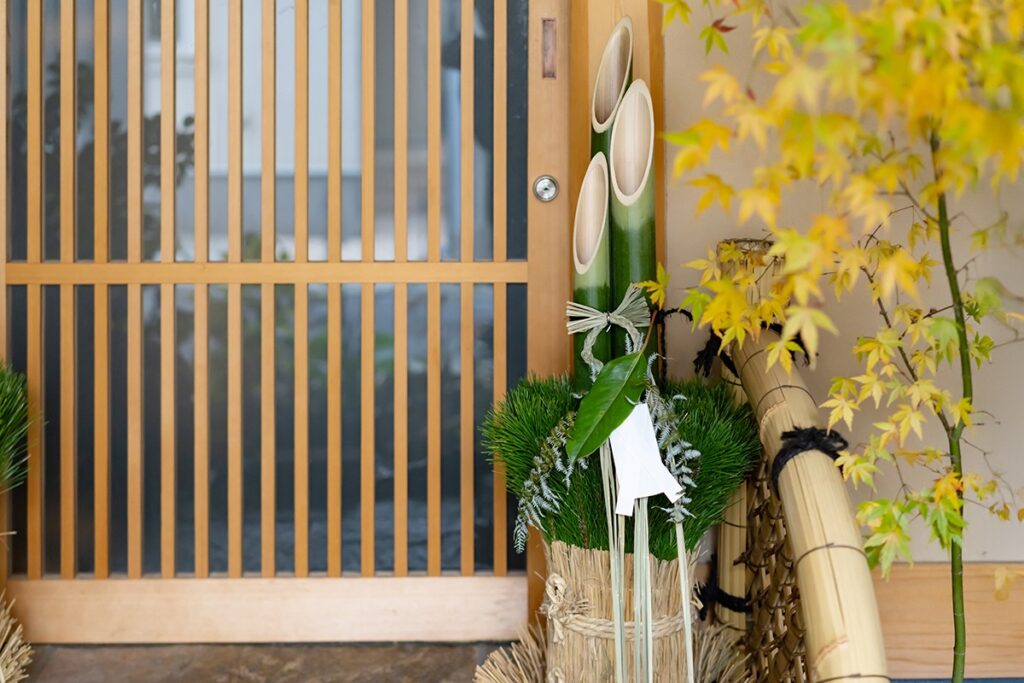
Seasonal Decorations: Kadomatsu and Shimenawa
To properly welcome the New Year spirits, Japanese households display specific decorations. Kadomatsu are arrangements of bamboo and pine placed at home entrances. They act as temporary markers to welcome Toshigami and ancestral spirits. Traditionally, these are kept in place through the New Year period and are ceremonially burned on January 15 to send the spirits back with respect.
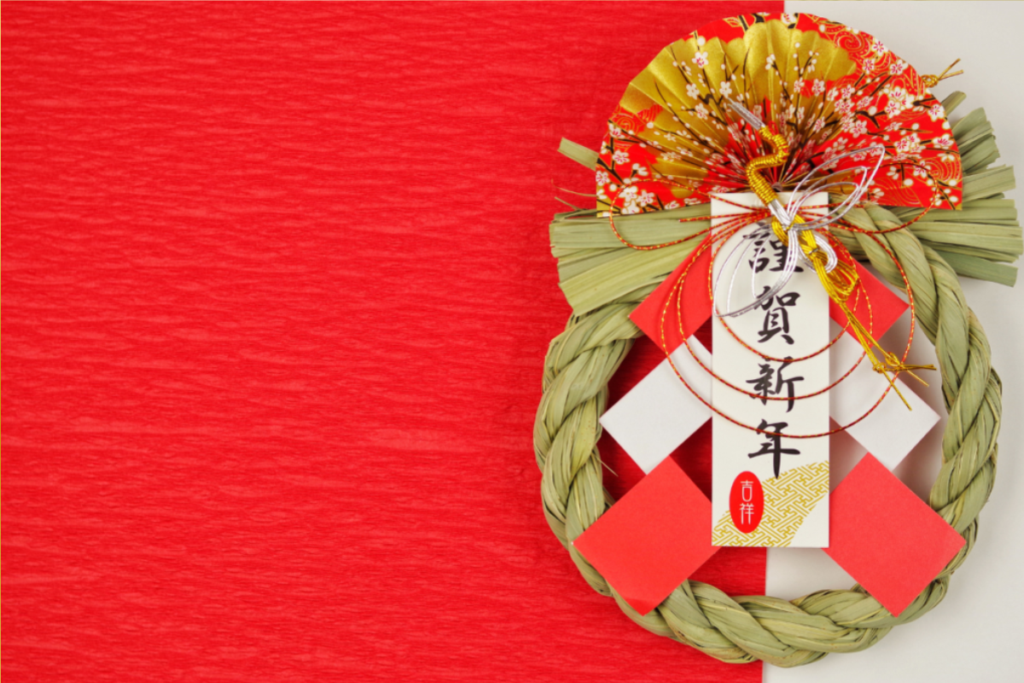
Shimenawa are sacred straw ropes used to mark the boundary between the holy and the everyday. Hung at shrine entrances, around sacred trees and in other significant spaces, they are believed to ward off negative influences and invite purity.
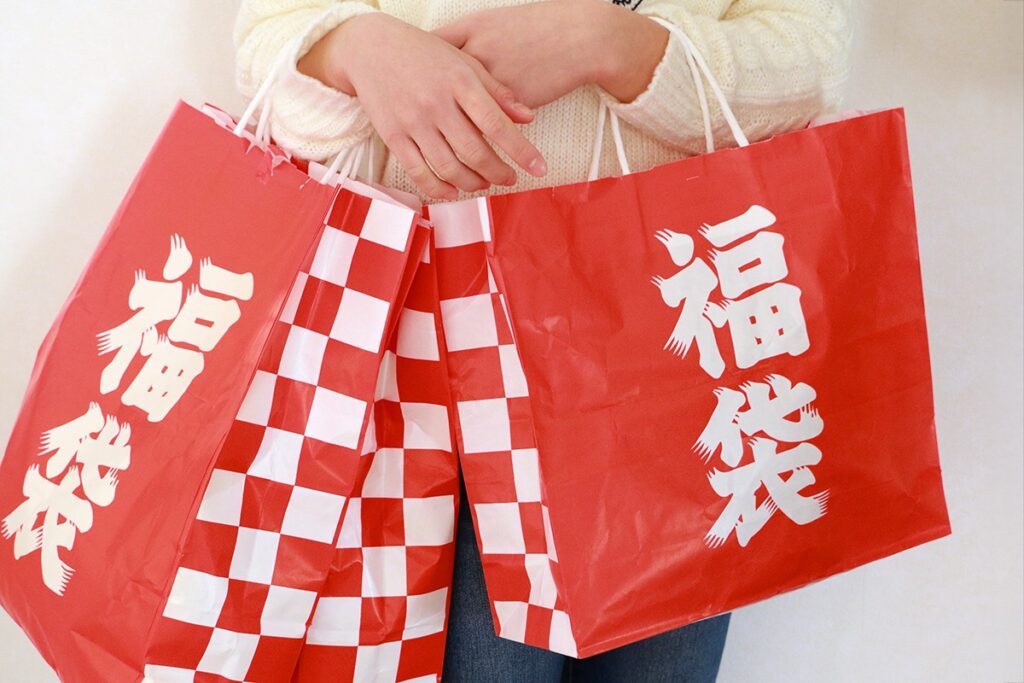
Fukubukuro: The Excitement of Lucky Bags
Fukubukuro, or lucky bags, are sealed shopping bags sold at a fixed price that contain a surprise selection of goods worth more than the cost. Reflecting the proverb “there is fortune in leftovers,” this tradition was introduced in the late Meiji era by the Ginza Matsuya department store. Today, it is an eagerly anticipated event at shops across Japan, embraced by both local retailers and international brands.
Where to Celebrate Ōmisoka in Tokyo
Tokyo offers diverse environments to experience Japanese New Year’s Eve traditions and hatsumode.
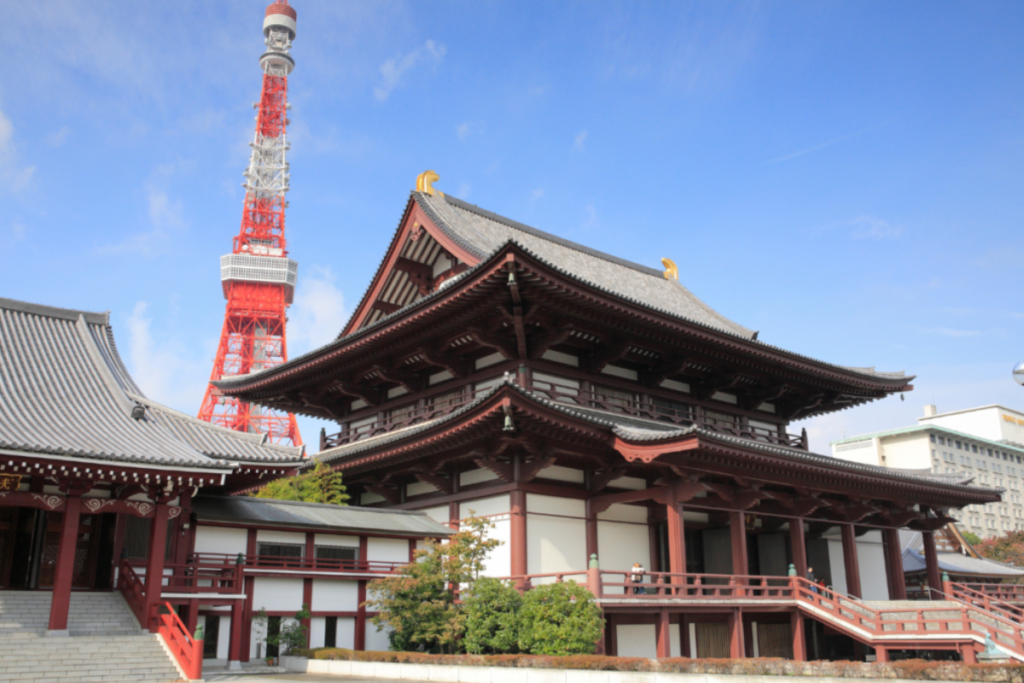
Zojoji Temple offers a dramatic setting for New Year prayers beneath the illuminated Tokyo Tower. Founded in 1598, this Jōdo-shū Buddhist temple attracts large crowds seeking a lively atmosphere, so arriving early is recommended.
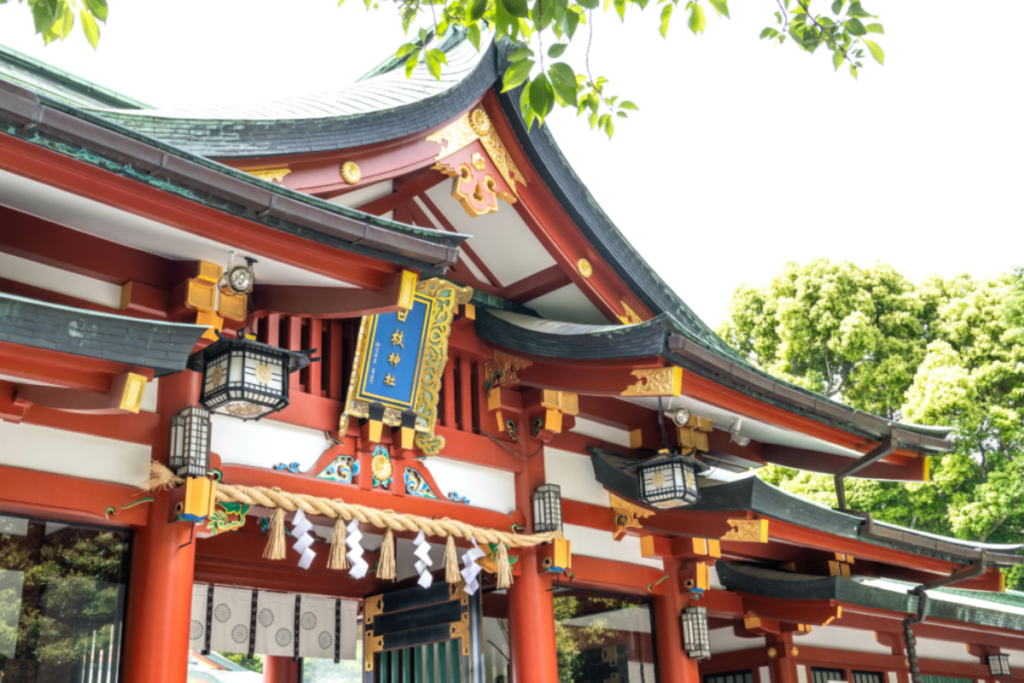
Hie Shrine, located in Nagatachō, is the destination for those seeking tranquility and specific blessings for family and prosperity. Dedicated to Ōyamakui no Kami, a deity closely linked to Toshigami, the shrine is famous for its vivid vermilion architecture.
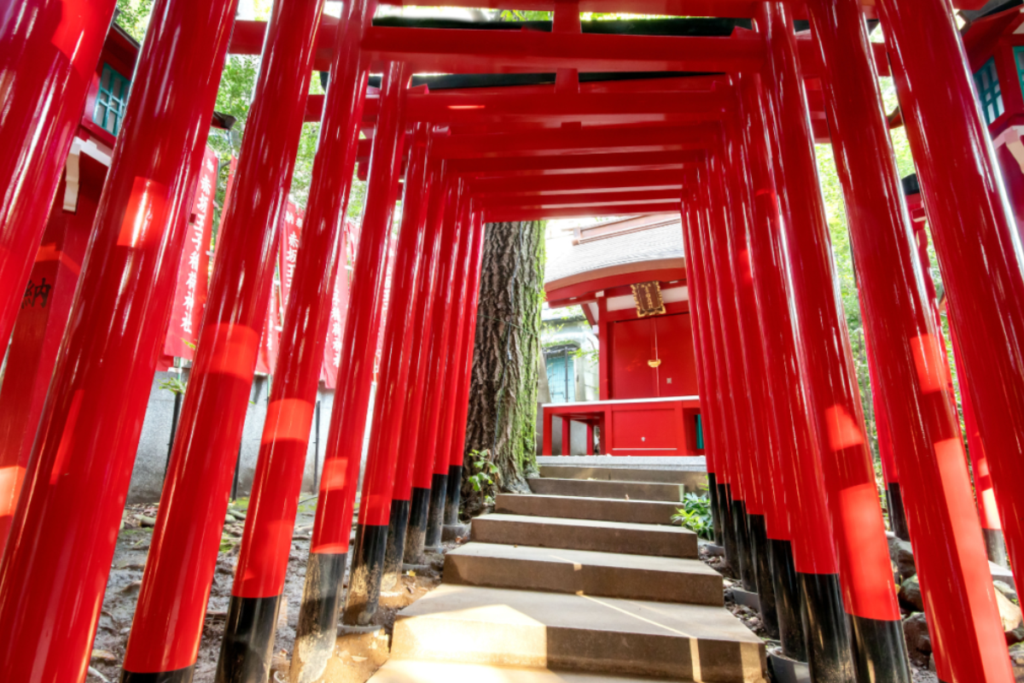
Ōji Inari Shrine in Kita Ward provides a mystical experience where folklore comes alive. Established in the Kamakura period, it hosts a unique fox parade on New Year’s Eve. Legend holds that fox spirits gather under the shrine’s ancient gingko tree on the final night of the year.
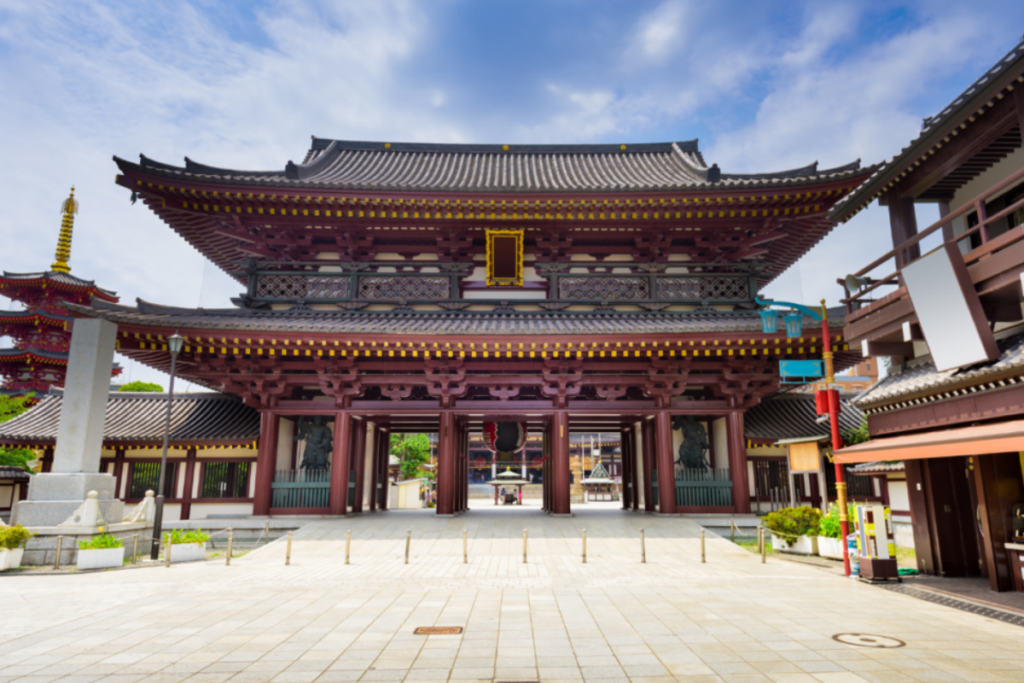
Kawasaki Daishi, just outside central Tokyo, is a major destination for purification. Affiliated with Shingon Buddhism, this Heian-era temple performs goma-kito (fire rituals) accompanied by chanting and the ringing of bells to protect visitors in the coming year.
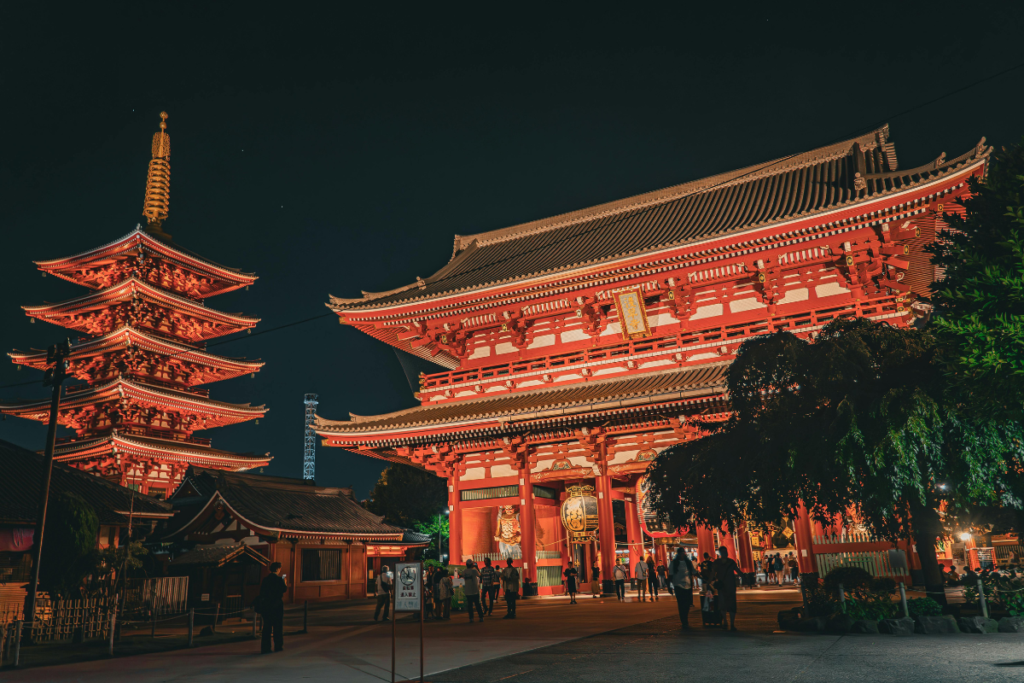
Sensōji Temple in Asakusa is Tokyo’s oldest temple and offers a vibrant, festive experience. Visitors can enjoy bustling market stalls before making a traditional offering—often a five-yen coin—to pray for prosperity.
FAQ
What is the most important thing to do on Ōmisoka?
While traditions vary, eating toshikoshi soba (year-crossing noodles) is the most widespread custom. It symbolizes cutting off the year’s misfortunes and wishing for a long life.
Why are temple bells rung 108 times?
This Buddhist ritual, joya no kane, is performed to cleanse the soul. The 108 chimes represent the 108 earthly desires that are believed to cause human suffering; ringing the bell drives them away before the new year begins.
When should I visit a shrine for New Year’s?
Many people visit immediately after midnight on New Year’s Eve. This first visit is called hatsumode. However, visits are common throughout the first three days of January.
A Promise of Renewal
Ōmisoka is ultimately a celebration of transition. It is a time to reflect on the year that has passed, release its burdens, and step forward with renewed hope. Through shared meals, the echo of temple bells and quiet moments of prayer, New Year’s Eve in Japan becomes not merely an ending, but a beginning filled with the promise of longevity, prosperity and good fortune.
Unlock More Japanese Culture. Want to discover more hidden gems and seasonal traditions in Japan? Subscribe to the GoConnect newsletter today for exclusive guides, local insights, and travel tips delivered straight to your inbox.
If you enjoyed this article, please let us know and share your thoughts at hello@goconnect.jp.