A Year in the Life of an International Student in Japan
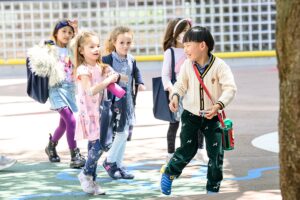
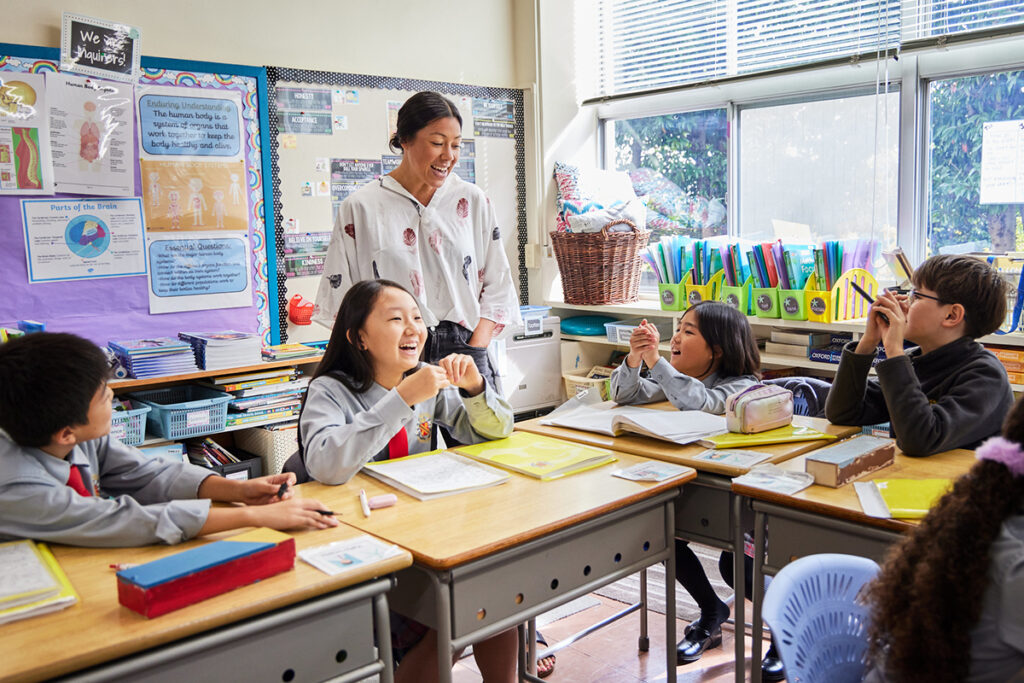
Ask a parent what they want from an international school and you’ll get a predictable list: strong academics, good teachers and a safe environment. But ask their child what meant the most to them and you get something more interesting: the teacher who stayed late, the robotics project that ran over deadline or the friend made on the cross-country team who turned out to be from the same city back home.
Tokyo’s international school community is one of the richest in Asia, and the schools below have all built something worth paying attention to — not just inside the classroom, but around it. Here’s the memorable moments that make the school year shine as an international student in Japan.
Table of Contents
- Laurus International School of Science
- The British School in Tokyo
- GIIS Tokyo
- Aoba-Japan International School
- Shinagawa International School
- Saint Maur International School
Laurus International School of Science
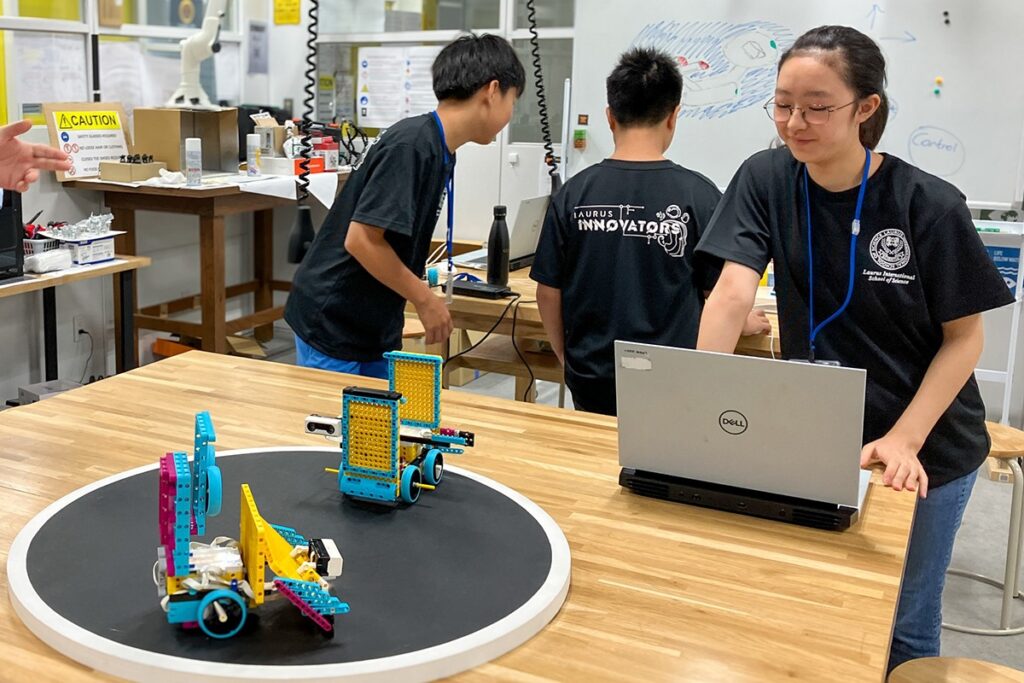
Laurus International School of Science takes a position that more schools should take explicitly: Enrichment programs work best when they’re available to as many children as possible, not just the ones already enrolled. Several of its offerings are open to non-Laurus students, which reflects a broader confidence in what the school has built. The after-school STEM Academy gives younger students hands-on learning that extends their classroom work without simply repeating it.
The Frontiers Program for older students pushes independent thinking and original ideas, with mentors who take the work seriously. Seasonal camps — winter, spring and summer — bring fresh STEM-themed learning to students of all ages, with each season having its own focus. For families working on English fluency, the Saturday School has become a reliable fixture, offering structured instruction across subjects in a way that builds both fluency and confidence. Laurus is a school that knows what it believes in and has built its program accordingly.
The British School in Tokyo (BST)
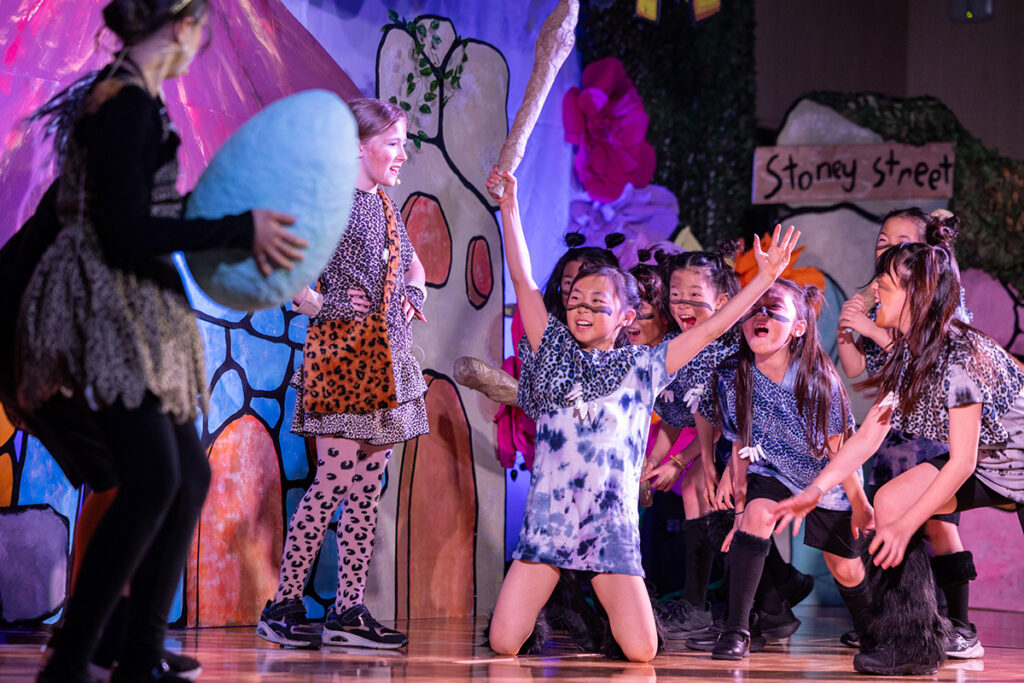
The BST school year has high expectations. September opens with residential trips built around real places and real history — students learning by being somewhere, not just reading about it. From there, the calendar barely pauses. Autumn brings regular sports fixtures against international schools across the Kanto region and, for the more competitive teams: They train for the FOBISIA Games in Bangkok.
December is a whole-school music concert. February and March belong to theater, with both primary and secondary productions taking over the stage. Spring brings the BST Spring Fair, Sports Days, a Language Week that celebrates the school’s many cultures and Sakura Day: a student fundraiser for children affected by war that manages to feel meaningful rather than obligatory. What BST does well is treat the calendar as a curriculum in itself. By the time summer arrives, students have achieved a lot, and they know it.
GIIS Tokyo
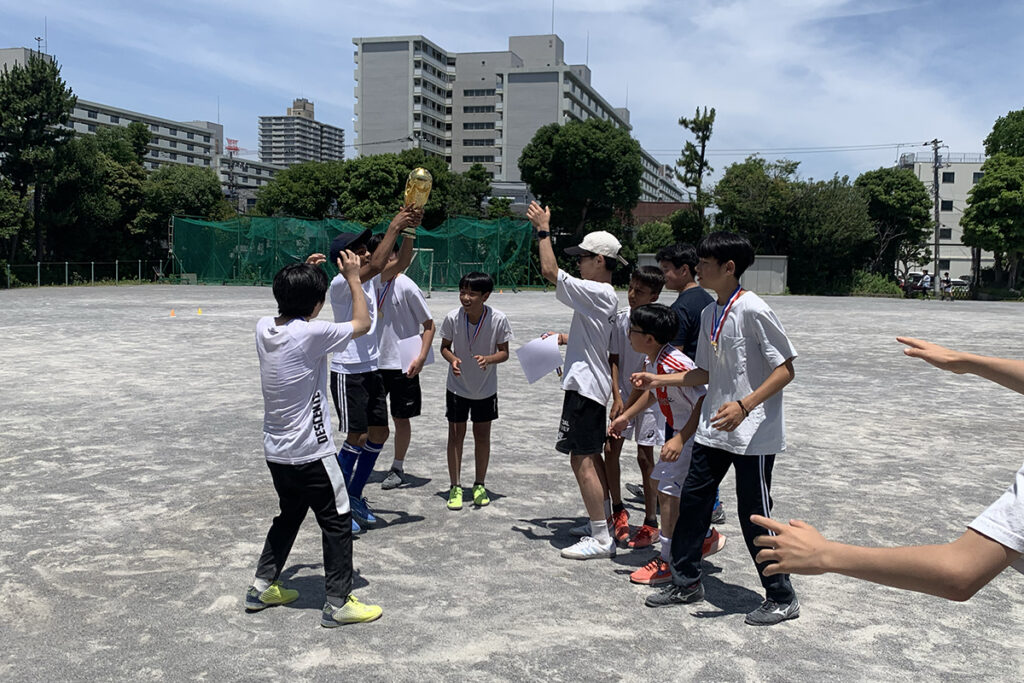
GIIS Tokyo’s extracurricular offering is wide enough that almost any student will find an activity in it that feels like theirs. Sports cover the most popular ground: badminton, basketball, volleyball, soccer, but also flag football and karate, which broadens things nicely. On the creative side, students can pick up guitar, explore hip-hop dance, try Japanese calligraphy or join theater and improv.
The STEM programs are worth particular attention: Space science, AI and machine learning, and coding and programming are taught with genuine substance rather than as novelty add-ons and students come out with a real sense of how these fields operate in the world. Underpinning all of this is a serious university counseling operation with a track record of placements in top Japanese and global universities such as the University of Tokyo, Oxford, Cambridge and beyond. GIIS Tokyo is a school that has clearly thought hard about what a well-rounded education should produce — and built backwards from the answer.
Aoba-Japan International School
Aoba’s summer programme is the easiest way for new families to understand what the school is actually about. It focuses on providing children with the opportunity to pursue passions, explore new interests and build lasting memories.
The Inquiry-Based Learning Summer programs at Hikarigaoka run for 8 weeks, offering hands-on projects in art, science, sports, math, language, and music. Designed for Kindergarten to high school students, these activities ignite curiosity and creativity. Highlights include events such as learning magic from a professional magician.
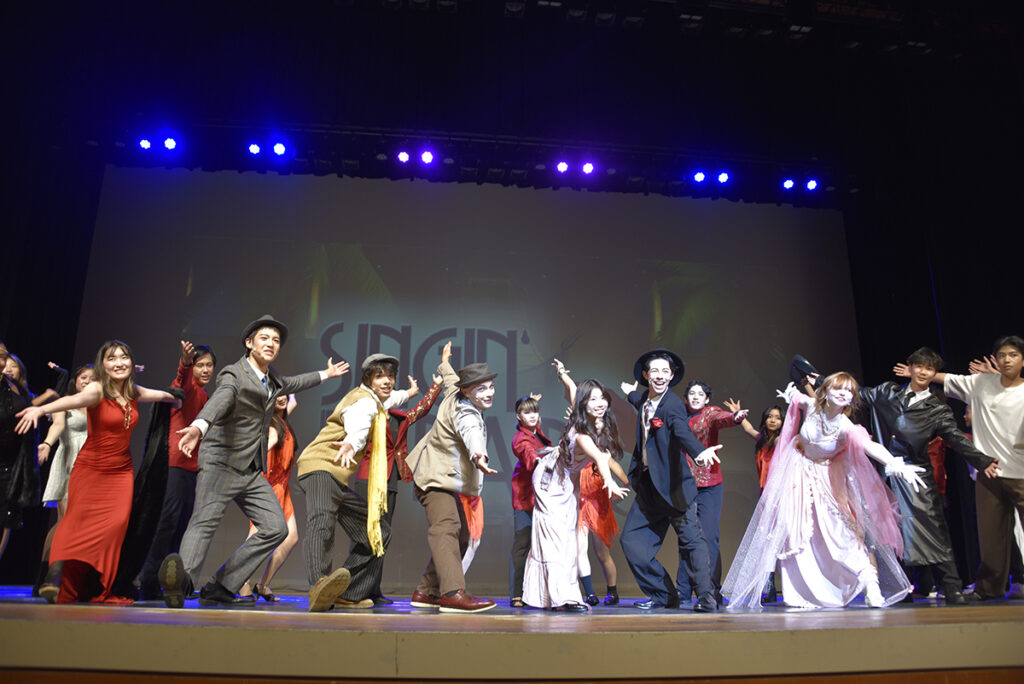
For arts enthusiasts, the 12-day Musical Theatre Program offers an immersive experience for students in Grade 6 to high school. Under the guidance of experienced instructors, participants audition, train in vocals and choreography, rehearse and perform “Anything Goes! (Junior Edition)” on stage.
Additionally, for families interested in exploring beyond Tokyo, two 5-day inquiry-based programs are available in the beautiful city of Kanazawa for children aged 4-10. These programs nurture curiosity and creativity while exploring the rich culture and scenery of Ishikawa prefecture, for a trip that does more than just offer a few days away.
Shinagawa International School
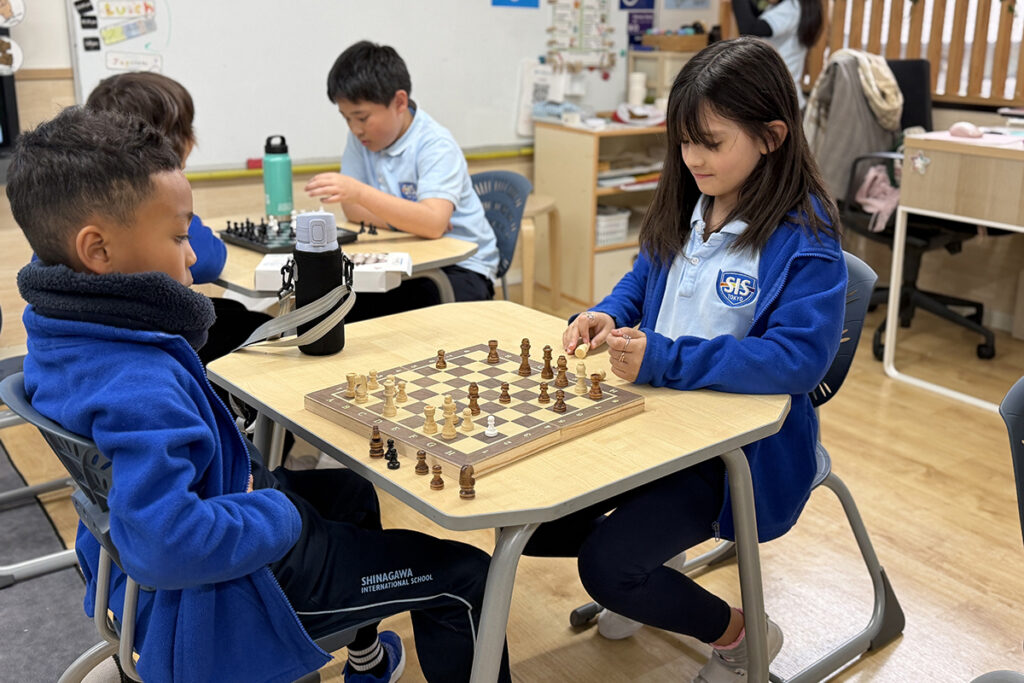
Seventy after-school programs is a number that seems almost impossible. Shinagawa International School runs them across five categories: Creative and Performing Arts, Language and Culture, Academic Support and Extension, STEM and Sports, which is less a tidy organizing framework and more a reflection of just how much school life is on offer.
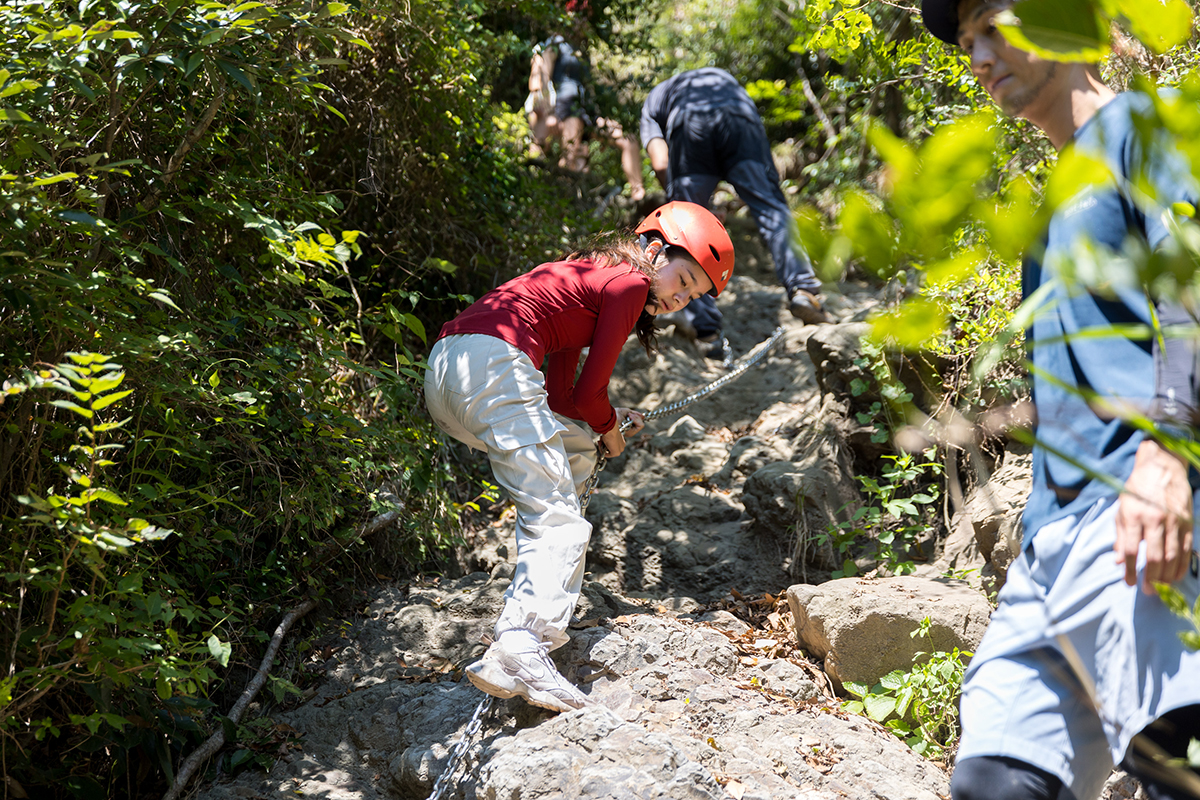
Drama Club, Guitar Club, Robotics, Coding, Chess, Taekwondo, Rock Climbing, Spanish: the range is genuinely striking. What matters most about this breadth isn’t the number, though. It’s what it signals about the school’s approach. A student who arrives convinced they’re not sporty might discover rock climbing changes that. One who’s always been quiet might find their confidence in drama. The best after-school programs don’t just give students things to do — they give them the chance to revise who they think they are. Shinagawa has built the kind of program that makes that possible.
Saint Maur International School, Yokohama
Saint Maur was founded in 1872, which makes it the oldest international school in Japan, and over 150 years of educating children creates a particular kind of confidence. The extracurricular program here has an incredible range: Sports cover cross-country, soccer, basketball and volleyball; the fine arts stretch to orchestra, music bands, choir, art, speech, drama, Irish dance and regular theatrical productions. The robotics team runs a RoboSumo Challenge. The Science Fair has produced work strong enough to earn senior students invitations to international forums. Math Club members earn awards at interscholastic competitions.
They talk about meaningful participation. The fact that nobody ranks the chess team below the basketball squad, that joining something is normal, that you can be involved in many things at once. Community service runs through the program too, not as a checklist but as something students often initiate themselves: a Habitat for Humanity trip to Cambodia, an animal welfare campaign from the Elementary Student Council. The school’s ideal, essentially, is that who you become in cooperative competition with others matters as much as what you achieve individually and together. After a year at Saint Maur, students believe it.
Interested in more stories about education and community in Japan? Subscribe to the GoConnect Newsletter today for the latest insights on lifestyle and learning.
If you enjoyed this article, please let us know and share your thoughts at hello@goconnect.jp.