The Green Siren in Kawagoe: Reflections on Globalization and Identity
Museum visit
Recently, I visited the National Museum of Western Art in Ueno. I wandered through their current special exhibits featuring MK Čiurlionis, the Lithuanian composer and painter, and Hokusai, one of Japan’s most influential artists. After, I explored exhibits featuring Western artists such as Monet, Rodin and Degas. As I moved between galleries, gazing at the familiar Western painting styles and clean museum walls, I was struck by a feeling that I couldn’t quite identify.
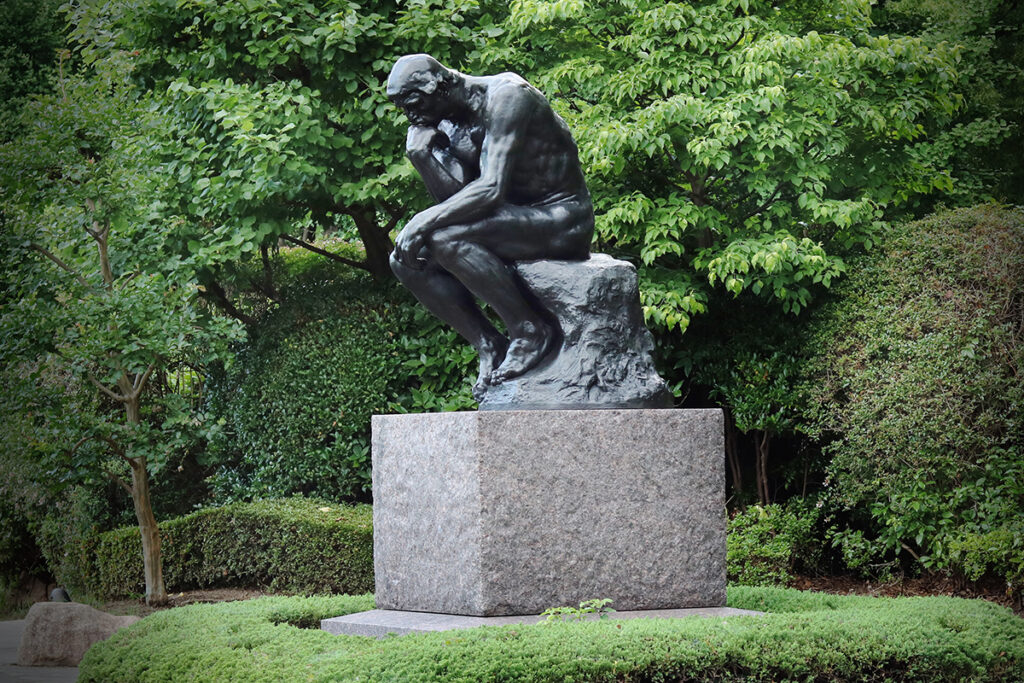
Growing up in the United States, I spent countless afternoons in art museums. The quiet atmosphere, the carefully arranged galleries, the rhythm of moving from one room to the next, are all deeply familiar and comforting experiences. Yet as I was standing in Tokyo, halfway across the world from where I was raised, looking at Japanese and European artists side by side in a museum designed by a Swiss-French architect, I felt both far from home and strangely close to it.
Unfamiliar familiar
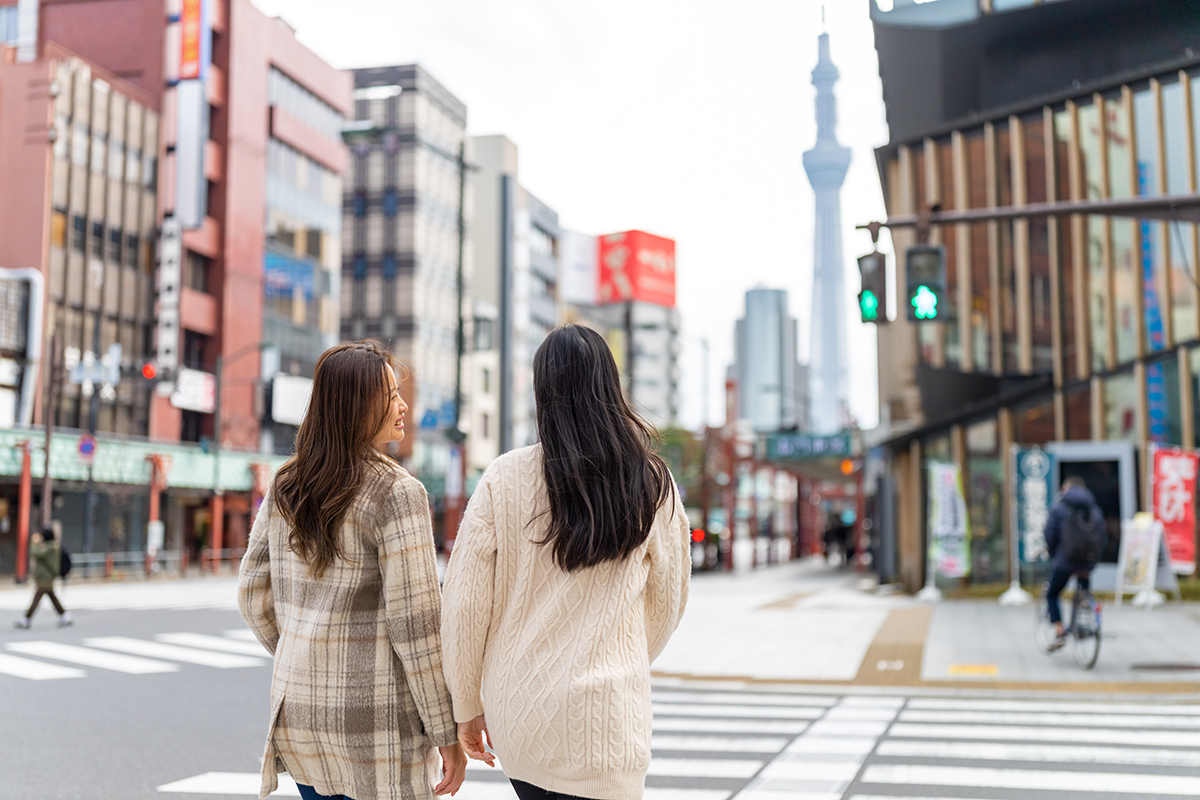
Part of living abroad is the expectation of difference. We travel in search of new experiences, new perspectives and cultures unlike our own. Yet modern cities often complicate that narrative. Tokyo is undeniably Japanese, but it is also a global city. The more time I spend abroad, the more I notice moments when the unfamiliar gives way to the recognizable.
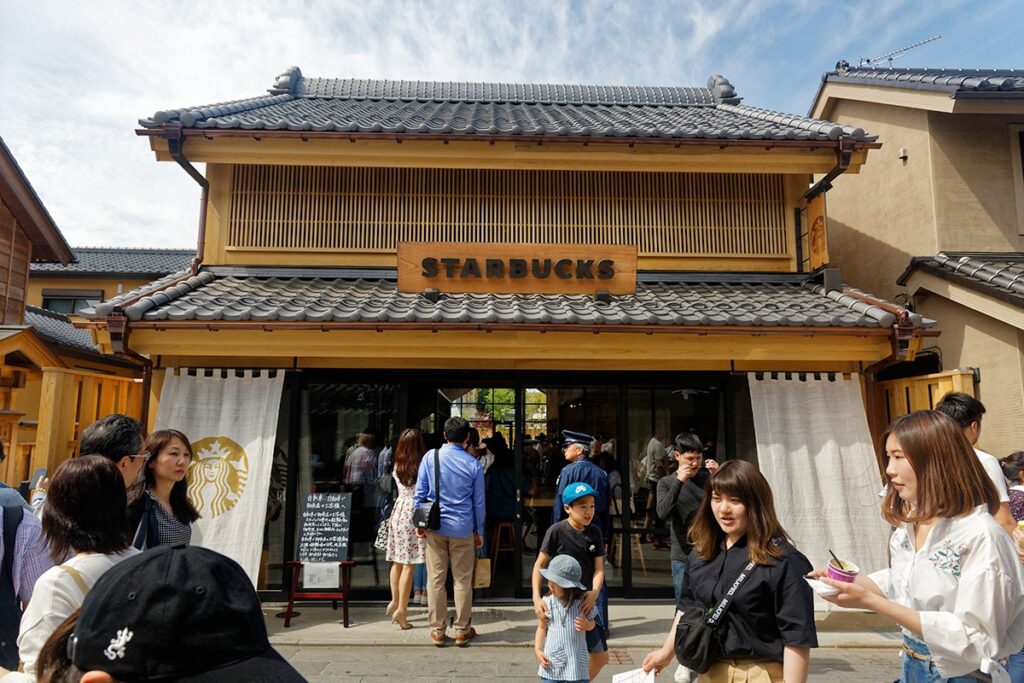
One example that comes to mind is the Starbucks on Kanetsuki-dori street in Kawagoe. On its exterior, it looks like the surrounding traditional buildings, constructed in a style meant to evoke the area’s Edo-period heritage. But then you notice the unmistakable green siren logo, one of the most recognizable American corporations in the world, slotted into a carefully preserved historical streetscape. I feel a strange sense of cognitive dissonance looking at buildings such as these.
Globalization or Commodification?
On one hand, I can view the building as a successful example of cultural adaptation and globalization. Rather than imposing a generic storefront, Starbucks adjusted its design to fit the local environment.
The result is a visual dialogue between different cultures:
- Traditional architecture sets the terms of engagement
- Foreign brand responds by adjusting its appearance while still making its identity known
- Starbucks logo, a familiar Western visual, is integrated into the surrounding Japanese environment, allowing locals to enjoy a piece of foreign culture and giving Americans a taste of home
On the other hand, a more cynical interpretation is difficult to ignore. The Starbucks logo is still there, after all. One could argue that its presence represents the relentless expansion of brands and companies into every corner of the world. The traditional architecture becomes a vessel for commerce, heritage transformed into a backdrop for consumer culture. Instead of a representation of connection or harmony between cultures, the building becomes a symbol of corporate America’s global influence, and just how far it’s reached in every corner of the world. Viewed through that lens, the building feels less like a cultural exchange and more like an example of how capitalism absorbs and repackages local identity.
These conflicting feelings surface often as I continue to explore Tokyo. Sometimes it appears in familiar restaurant chains, Western fashion brands or English-language advertisements. Sometimes it emerges in more subtle ways: classical music performances, European-style cafes or museums dedicated to Western art.
Privilege of the familiar
As foreigners, we often talk about culture shock, but less attention is given to its opposite. What happens when a place feels familiar in ways we don’t expect? Living in Tokyo has made me increasingly aware of how much of the world has been shaped by Western cultural influence.
For many Westerners, encountering pieces of our own culture abroad feels normal, and we rarely stop to question it. But recently, I’ve become more conscious of the privilege embedded in that experience; I can:
- Visit museums displaying European artists
- Buy products from brands I grew up with
- Often assume that signs, menus and advertisements will contain at least some English
These conveniences are easy to take for granted, but they reflect broader historical and economic realities. The globalization that makes me feel comfortable abroad did not emerge equally from every culture. Western establishments are seen as commonplace in Japan, while Japanese establishments in the US are still seen as different or exotic.
Western defaultism vs self-exoticism
I’ve noticed this through the amount of ryokan vs Western hotels found in Tokyo. Western-style hotels vastly outnumber ryokan, or traditional Japanese inns, in Japan, despite ryokan originating in Japan itself. Most people don’t even notice this, as Western hotels have become so normalized and globally adopted. These are just a few examples of phenomena that show assimilation to Western norms and self-exoticism.
Western hotels or restaurants in Japan are seen as “normal,” while Japanese hotels and restaurants in America, and even sometimes in Japan, are seen as distinctly Japanese, or a specific cultural experience. This creates a narrative that the West is the default, while other cultures are seen as novel or exotic.
That feeling I experienced at the National Museum of Western Art remains difficult to define. Standing between exhibitions dedicated to artists from different corners of the world, I was reminded that modern identity is rarely confined to a single place or culture. The moments when Tokyo feels foreign are memorable, but the moments when it feels familiar may be even more revealing. They force me to ask why that familiarity exists in the first place, and what it says about my place in an increasingly connected world.