Tokyo Train Etiquette: Rush Hour, Inemuri and the Rules That Keep a City Moving
Tokyo’s trains carry 6.84 million people every single day — more than the entire population of a small country — across a network held together not just by engineering but by an unwritten social code that every rider seems to have memorized. As an American, quietly following rules without being told to isn’t exactly a cultural default. The first time I stepped onto a Tokyo Metro car, I genuinely didn’t know what I was looking at. Total quiet. Perfect order. No signs needed. Adjusting to Japan’s strict freedom is an experience in itself.
Traveling throughout Tokyo has turned daily commutes into something closer to fieldwork. Here is what the trains reveal about the etiquette that governs daylight hours, what happens after everyone clocks out, Japan’s culture of public sleeping, the women-only cars and the charged, wordless chaos of the last train home.
Etiquette: Daytime rules
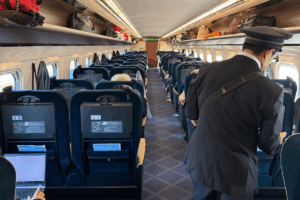
Understanding Tokyo’s train system requires knowing that the code runs on social pressure rather than posted signs, though Tokyo Metro’s official guidelines outline similar expectations. People near the doors step aside to let passengers off without being asked. Priority seats go to whoever needs them. Talking loudly on the phone is frowned on; eating is worse. The trains run clean, quiet and nearly always on time — and 6.84 million daily riders collectively hold that standard without anyone enforcing it.
During the day, the cars are a cross-section of Tokyo life: mothers with small children, tourists, middle schoolers riding alone to and from school, and workers who know this route by reflex. The demographic spread tells its own story: People in their forties make up the largest share of riders at 24.8%, followed by those in their thirties at 21%, twenties at 18.5%, fifties at 16.2%, sixties at 13.2% and teens at 6.2%.
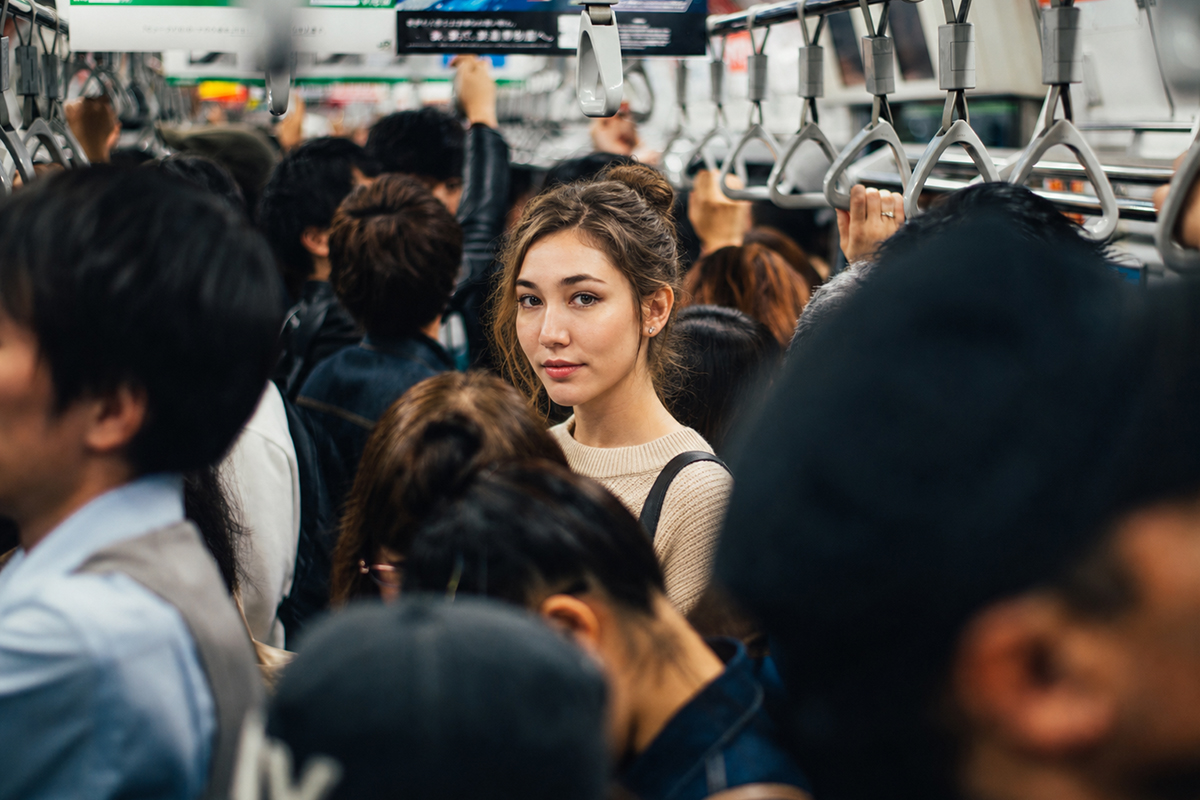
Then there is rush hour. Between 7am and 9am, Tokyo’s trains move roughly 76,000 people at once — and that number stops being abstract when you are inside it. We were trying to get to a spot known for Tokyo’s famous fluffy pancakes and completely miscalculated the timing. We ended up pressed into a train car so tightly that a station employee physically pushed us in from the platform. It is a germaphobe’s or claustrophobe’s worst nightmare, but a thing you have to experience to understand what a city of this density actually means.
What changes after 11pm
Board the train after 10pm and you are in a different city — one that most visitors never reach. I think of it as Tokyo after-hours. The riders are still mostly people in their twenties and thirties, but they look nothing like their daytime selves. Whatever internal switch governs the strict rules of daylight hours seems to have been flipped off. Smiles appear. Laughter fills the cars. Colleagues, friends and couples actually talk to each other.
Most passengers are still in their work clothes — ties loosened, heels in hand — visibly relieved to have survived another day. Some lean against each other half-asleep, sharing an unspoken understanding of post-work exhaustion. It is like watching a group of kids the moment their parents leave the room.
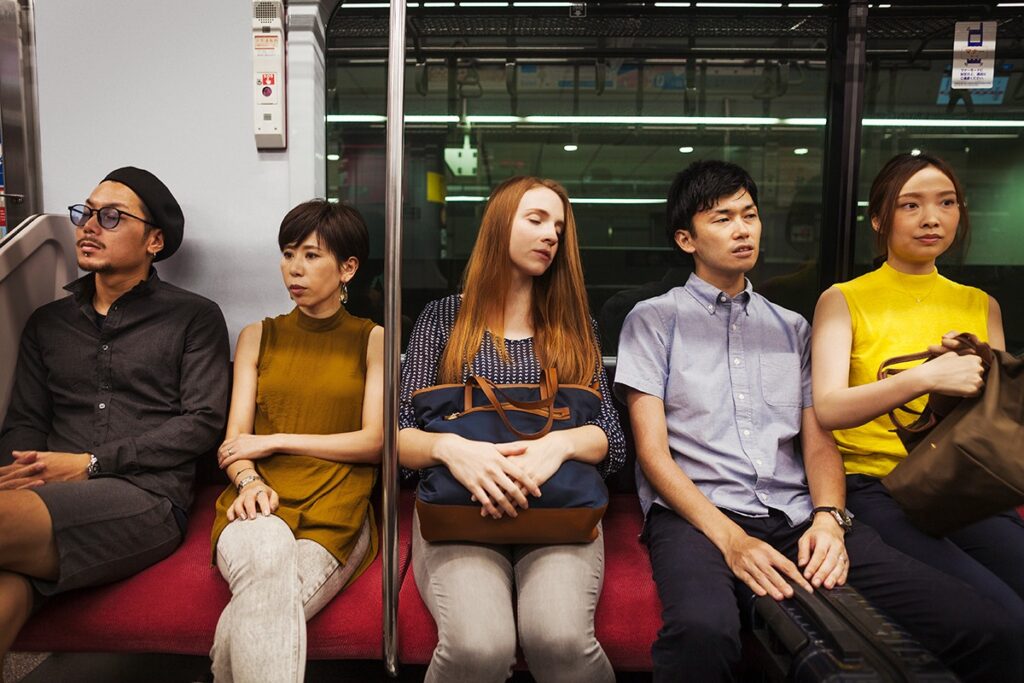
Inemuri: Japan’s culture of sleeping in public
I have traveled extensively and never seen so many people sleeping in public the way they do on Tokyo’s trains. In the United States, public sleeping reads as homelessness. Here, it is white-collar workers in suits — and there is a name for it.
Inemuri is the Japanese practice of sleeping while remaining technically present, in a position that allows you to snap back to attention immediately. It isn’t seen as laziness; it signals working to exhaustion, and in Japan, that is respected. The unwritten rules still apply even while asleep: You stay upright, you don’t sprawl and you don’t lean on the stranger beside you.
The term that sits alongside it explains the broader context: karoshi, which means death from overwork. Japan’s extraordinary infrastructure — trains, restaurants, relentless precision of its service culture — is built in part on a work ethic that, at its extreme, has a body count. That is a sobering thing to consider while watching someone sleep standing up in a moving train car. It makes you feel almost guilty for being on vacation.
There is also a hierarchy to inemuri. It is a privilege of seniority: Senior staff can doze off in meetings while junior employees are expected to remain visibly alert and show their dedication. The public nap on the metro is, in a sense, earned.
Women-only: How it works
No transit system is without problems, and Tokyo’s is no exception. Chikan — groping on crowded trains — is a serious enough issue that Tokyo, Osaka and other major cities introduced women-only carriages as a direct response. A 2024 Tokyo Metropolitan Government study found that 15% of men and 56% of women had been groped on public transportation in the city.
Women-only cars run on major commuter lines including the Tokyo Metro and JR East lines, as well as the JR Osaka Loop Line. They are easy to identify: Pink and purple markings on the platform floor and seat covers signal the carriage before you board. The detail that catches most visitors off-guard is that they only operate during peak hours — from 6am to 9:30am I walked into one on an afternoon and spent several confused minutes trying to work out why there were men inside.
The limitation is obvious once you understand it. Restricting protection to morning rush hours leaves the rest of the day uncovered, which is a real gap in a city this size. But during those morning hours, the difference is palpable — a calm on public transit that you don’t often find anywhere, least of all on the subway in the United States.
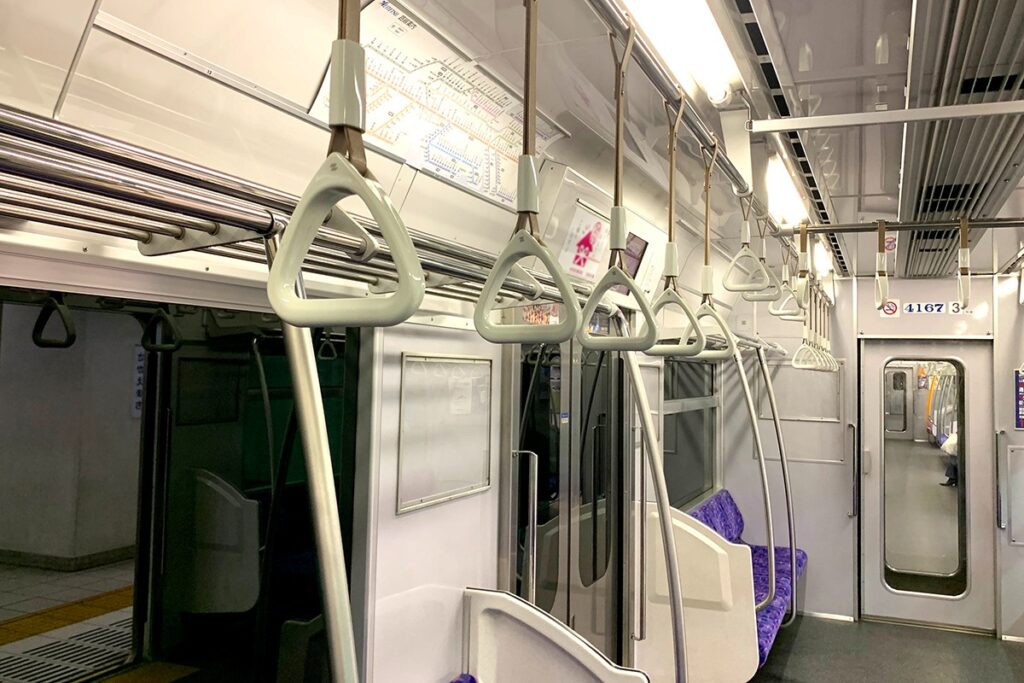
Shuden: Last train at night
The last train of the night is called shuden, and knowing when it runs is among the most important pieces of practical information for anyone in Tokyo after dark. Most lines stop service around midnight, though you should check the specific line’s timetable to be sure.
What stays with me is the vocabulary the Japanese have built around their trains. Chikan for groping, karoshi for dying of overwork, inemuri for sleeping on the job, shuden for the last ride home. Each term is precise, specific and unsentimental — which reflects something true about how life here gets organized.
During the day, that precision is everything: Commuters know to the minute how long it takes to walk from their exit to their platform. When it is time to clock out, though, the orderly lines that form at each carriage door dissolve. Everyone makes a run for it. You don’t see anyone in party clothes — you see businessmen heading home after a long day, only to do it all over again tomorrow. We stood out like a sore thumb.
Before midnight, the station sounds completely different. Voices, heels striking tile, the rush of bodies squeezing through doors. People are exhausted but relieved to have made it. No eye contact, no judgment — just a collective, wordless understanding that tonight it is every person for themselves.
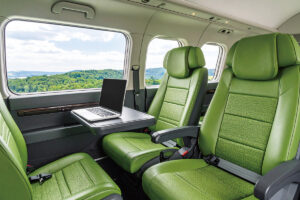
Tokyo’s trains are more than infrastructure. Whether you are taking the Metro across town or upgrading to the Shinkansen Green Car for your next trip, pay attention. You start to see how the silence, the discipline and the shared exhaustion of millions of people who never speak to each other adds up to something that looks from the inside like a real connection. Foreigners often read the quiet as coldness. What it actually is — as I discovered on daily commutes that were supposed to be between tourist stops — is a deeply held human bond that doesn’t need words.
Key facts: Tokyo train quick reference
- Daily ridership: 6.84 million passengers across the Tokyo Metro and JR lines
- Rider breakdown by age: Forties (24.8%), thirties (21%), twenties (18.5%), fifties (16.2%), sixties (13.2%), teens (6.2%)
- Tokyo rush hours: Morning from 7am to 9am | Evening from approximately 5 pm to 8pm
- Women-only cars:
- Active hours: 6am to 9:30am
- Lines: Tokyo Metro, JR East and JR Osaka Loop Line
- How to spot them: Pink and purple markings on the platform floor and seat covers
- Shuden (last train): Most lines end service at about midnight.
- Tokyo train vocabulary:
- Inemuri (居眠り): Sleeping while present; the practice of public napping while remaining alert enough to wake immediately.
- Karoshi (過労死): Death from overwork; the cultural context behind inemuri.
- Shuden (終電): The last train of the night.
- Chikan (痴漢): Groping on crowded trains; the problem women-only cars were introduced to address.