
How to Manage Rental Property in Japan from Overseas: An Expert Guide for Foreign Owners
Overseas ownership of Japanese real estate has surged in recent years, but the buying process and the day-to-day reality of managing a property from abroad are two very different challenges.
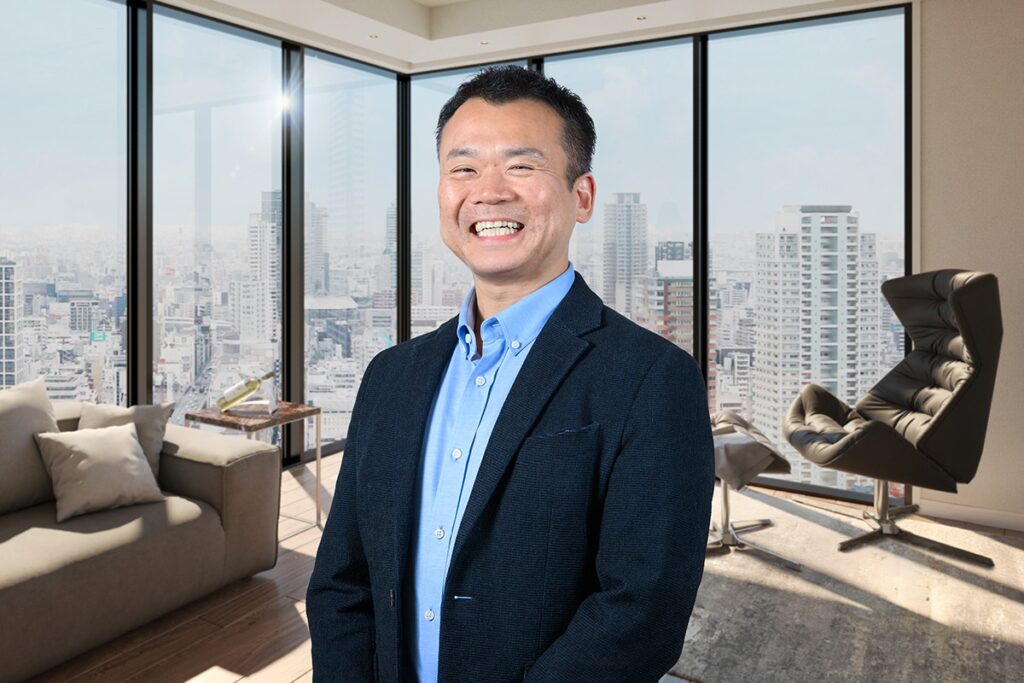
We sat down with Tsuyoshi Hikichi, whose firm, Axios Management, regularly works with foreign owners, to unpack what often goes wrong once the purchase closes — from opaque repair invoices to property managers who quietly cut corners — and what he believes distinguishes a management company worth keeping from one worth firing.
Why foreign buyers are looking at Japanese property now
More overseas buyers are considering Japanese property today than at almost any point in recent memory. Part of the reason is currency — the yen has made Japanese assets cheaper for foreign buyers. Part of it is timing: after three decades of flat or falling prices, Japan may finally be seeing real inflation again. Add in a level of political and economic stability that’s increasingly rare elsewhere, and it’s easy to see why Tokyo apartments keep showing up on foreign investors’ radars.
Buying, though, is the easy part. Managing a property from another country — across a language barrier, without being able to check on things in person — is where most owners run into trouble. We spoke with Tsuyoshi Hikichi, managing director of Axios Management, about what typically goes wrong for overseas owners, and what he believes separates a strong management setup from a weak one.
It’s not just about language
Most people assume language is the biggest hurdle for foreign property owners in Japan. Hikichi agrees it’s a factor, but says it’s far from the whole story.
“We can use technology and AI these days,” he explained, “but they still need a human they can trust and build a long-term relationship with.”
Speaking fluent Japanese doesn’t automatically make someone a competent property manager. It takes real estate knowledge, years of hands-on experience and the ability to explain decisions clearly to an owner who’s upset about a bill or a delay. Plenty of people in Tokyo can translate a lease agreement. Far fewer can walk an owner overseas through why a repair invoice looks the way it does, or make a well-reasoned case for a rent increase. In Hikichi’s assessment, not many firms in Japan do all of that consistently well.
The repair cost trap
There’s a pattern Hikichi returns to often: an owner receives a repair invoice, assumes it’s inflated and feels taken advantage of. Sometimes the price really is just high, and there’s nothing to be done about it. More often, he says, the real issue is that no one explained anything.
Many property managers take a contractor’s quote and pass it straight to the owner — no pushback, no negotiation, no search for a cheaper alternative. “They are not trying to reduce the cost,” Hikichi said. Forwarding an email is easy. But managing the vendor relationship well enough to bring the price down takes effort, and a lot of firms skip that part because they assume the buyer won’t care.
He described a different management company that had started routing leasing work through a third-party specialist, then billing the owner for the extra cost. In his view, that firm’s own property managers were overloaded, and rather than fix the internal bottleneck, management simply passed the expense on to the client. “It is their job, and the property management company should restructure their internal operation,” he said. “But they just chose the easy way and asked the owner to pay this extra cost.” Different scenario, but the same underlying pattern: the owner pays more and has less say in how the money gets spent.
(For more on what to watch for before you’re even under contract, GoConnect’s five red flags when buying property in Japan is a useful companion read.)
Line up a property manager before you buy
Hikichi’s advice to nearly every new client is to bring in a property manager before the purchase closes — not after. “We recommend they appoint a professional property manager before starting the acquisition process,” he said. A manager involved early can evaluate a property from an operations standpoint, not just a purchase-price standpoint, which surfaces issues a buyer wouldn’t normally think to ask about.
At Axios, this typically starts once a client has identified a property they’re serious about. The firm offers pre-acquisition consultancy and due diligence before anything is signed. It’s an added cost, and Hikichi doesn’t pretend otherwise — his argument is that it’s a small price relative to the risk of buying something that looks fine on paper and turns into a problem six months later.

What a good property manager does differently
We asked Hikichi how an owner without years of market experience is supposed to tell a good management company from a mediocre one. His answer had nothing to do with company size or credentials — it came down to whether the firm is willing to try something new when a situation calls for it.
“If it is a good property manager, they will try any new idea, either the owner’s or their own,” he said. “A bad manager won’t try new ideas. They’ll do the easy job instead.”
Rent negotiations are the example he returns to most. With interest rates and costs climbing, most owners want higher rent right now. A weak manager raises it slightly and moves on. A strong one researches how much room the market actually has and pushes for that figure instead of settling for whatever’s simplest to justify. On a single lease, the difference is small. Across several units over several years, it adds up.
How Axios tries to be different
Hikichi didn’t claim Axios had invented some formula no one else has considered. What he pointed to instead was how closely the team stays in contact with owners. When something starts going wrong, they don’t just flag the problem — they come back with a proposed fix, and they set up a call or in-person meeting whenever it’s actually needed rather than on a fixed schedule.
He also mentioned the firm’s internal use of technology and AI, framing it less as a selling point and more as a way to free up property managers’ time. The logic mirrors the repair-quote example: the work that gets skipped is usually the work that’s easiest to skip, and building systems that make it harder to cut corners is, in his words, most of the job. Beyond that, he pointed to language, communication and straightforward dealings with clients — none of it flashy, but in his experience, it’s what actually separates management firms over time.
Resolve the issues quickly
Toward the end of the conversation, Hikichi’s advice became simple. Issues come up constantly in property management — that’s the nature of the work, not a sign something is broken. “We have issues arise every day in our management properties,” he said. “We cannot hide anything from the owner. We have to communicate with the owner quickly, and resolve the issues as quickly as possible. That is what the property manager should do.”
If a management company can’t do that — can’t be upfront when something goes wrong, and can’t actually fix it — his advice is to switch. Not after years of frustration, but as soon as it becomes a pattern.
For an owner overseas with no easy way to check on things in person, that’s probably a more useful test than most marketing language from property managers in Japan: does this person tell you what’s actually happening, and do they fix it?
FAQs
Do I need to speak Japanese to manage property in Japan remotely?
Not necessarily. Technology and translation tools can bridge the language gap, but according to Hikichi, owners still need a property manager they trust and can build a long-term relationship with — language alone doesn’t guarantee good management.
When should I hire a property manager if I’m buying property in Japan?
Before the purchase closes, not after. Bringing a manager in during due diligence lets them evaluate the property from an operations standpoint and catch issues a buyer might otherwise miss.
How do I know if a property management company in Japan is good?
Look at whether they’re willing to try new approaches: whether that’s negotiating harder on repair costs, pushing for market-rate rent increases, or proposing fixes rather than just flagging problems.
What should I do if my property manager in Japan isn’t communicating well?
Hikichi’s advice is uncompromising: if a manager can’t disclose problems quickly and resolve them fast, switch as soon as that becomes a pattern. Don’t wait years for it to improve.
About our expert
Tsuyoshi Hikichi is the managing director of Axios Management, a property management firm serving overseas owners of Japanese real estate.
Thinking about how your Japan property is being managed?
If issues take weeks to get a straight answer, or repair bills never seem to get questioned, it may be time for a second opinion. Contact Axios Management to talk through your property and see how a more hands-on management approach could work for you.