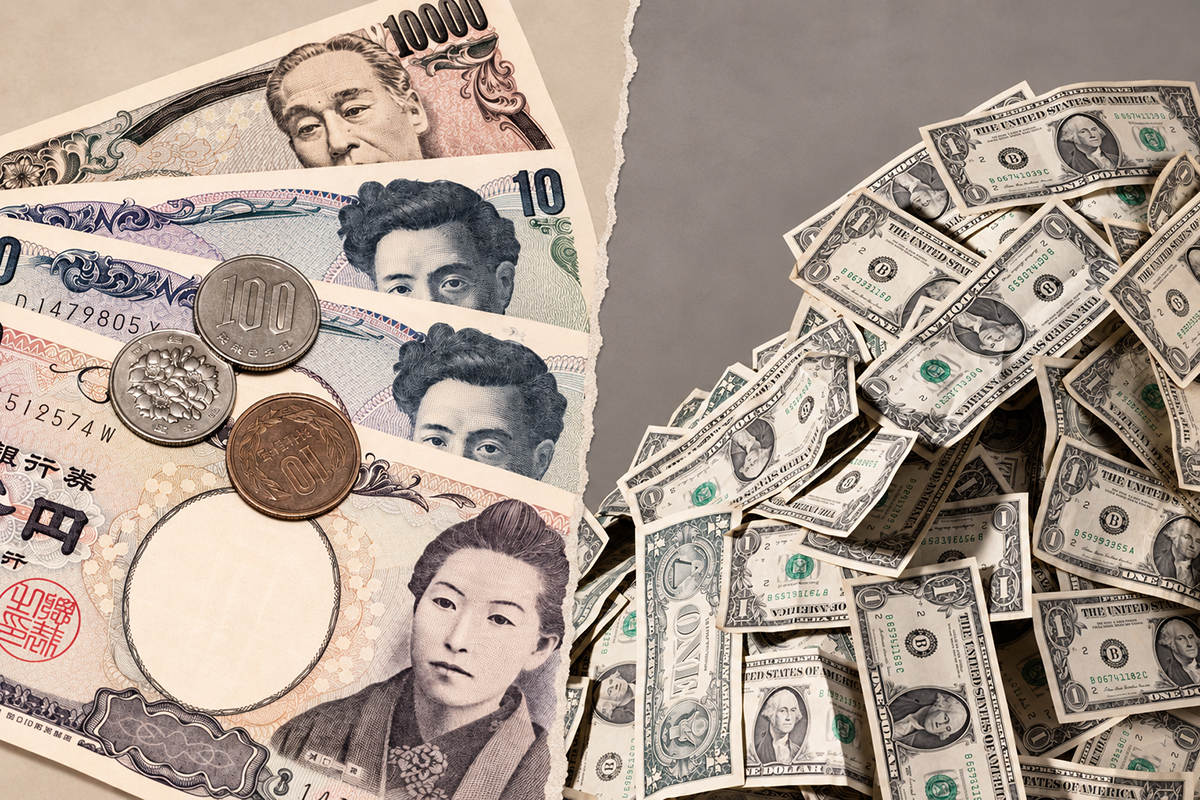
Japanese vs Western Business Culture: The Two Meanings of Cash Flow
Is cash flow the bloodstream that keeps a company alive, or is it the energy that moves capital toward future value? In Japan, cash flow is often discussed in terms of cash management and stability. Overseas, particularly among investors and growth companies, it is viewed as a framework for creating value. This chapter explores how one financial term can reveal two completely different management philosophies.
As a consultant, I am often in rooms with leaders and investors. Consider a recent business meeting I was privy to between a US investor and a Japanese company.
The Japanese representative answered confidently, “Our collection period is 30 days, and our payment period is 60 days. There is no issue with cash management.”
The investor nodded quietly, then finally asked, “I understand that. But where is this money going?”
When speaking with international investors and managers, I sometimes realize that even though we use the same words, they carry slightly different meanings. One such term is “cash flow.”
The phrase is used frequently in Japan and abroad. As an accounting or financial metric, of course, its definition remains the same.
However, recognizing that the term carries different nuances in Japanese and Western boardrooms can significantly improve cross-border business.

Japanese cash flow: The flow of money that keeps the company running
In Japan, when executives say, “Cash flow is important,” they usually mean the timing of receipts and payments — in other words, something akin to cash management.
Sales are booked, but payment won’t arrive for two months. Meanwhile, purchase costs, labor, outsourcing, rent and taxes are due this month.
- How do we get through the payments at the end of the month?
- When will accounts receivable be collected?
- Should we temporarily bridge funds with a bank loan?
These questions center on cash flow in the Japanese sense.
Even if a company is profitable, if cash on hand runs out, operations halt. Keeping payment promises, avoiding trouble for business partners and protecting credit—these values are deeply ingrained in the Japanese concept of cash flow. It is a mindset rooted in defensive management.

Western cash flow: The flow of money that creates value
Conversely, when speaking with Western investors and businesspeople, especially in the US, the term carries a slightly different nuance.
In the context of investors, entrepreneurs, funds and mergers & acquisitions, cash flow is discussed not just as cash management, but as a broader strategic question:
- How does this business generate cash?
- Where will that cash be reinvested?
- How will the reinvested money increase the customer base and expand the market?
- As a result, how will corporate value increase?
In other words, cash flow is the process by which capital translates into value. The question isn’t simply, “Is there enough money?” but rather, “How should this money move to create future value?”
Organizing the difference in perspective
In Japan, cash flow is a company’s bloodstream: If the flow stops, the company dies. In the US, cash flow is the energy that capital uses to create a market. Even when discussing the same flow of money, the underlying vision is completely different.
When this gap appears in a business meeting
This discrepancy directly affects business meetings and decision-making.
When Japanese executives say, “Cash flow is important,” they are often thinking about cash management or month-end balances. When a US investor hears the same phrase, they are evaluating how the business generates cash, how it reinvests and how the market expands.
- The Japanese side wants to know if payments can be covered.
- The Western side is focused on how this business will increase value.
If a company only explains its cash management to Western investors, those investors will struggle to see how the business plans to grow. Conversely, if Japanese executives interpret the Western concept of cash flow merely as cash management, they will miss the growth-model discussion the other party expects.
In international business, understanding the strategic meaning behind these terms is more important than simply speaking English.
To keep a company afloat, the Japanese sense of cash management is necessary. To scale a business, the US sense of capital circulation is required. Management truly needs both: Defensive cash flow and offensive cash flow.
Even when using the same vocabulary, you cannot assume the other party shares your definition. By carefully confirming the meaning of these terms, the true issues in a business meeting become clear. Once you understand the other party’s perspective, your communication strategy must adapt.
| Perspective | Japan | Europe / US |
|---|---|---|
| Main meaning | Cash management | Flow of value creation |
| Focus | Timing of receipts and payments | The structure by which money creates value |
| Time horizon | Short-term / monthly | Medium- to long-term / growth |
| Management posture | Defense | Offense |
| Main question | Can the company stay afloat? | How can money be moved to expand the market? |
Cash flow is simultaneously a company’s bloodstream and the energy that fuels its growth. Holding both perspectives is the essence of effective communication in international business.