Why Japan Is an Ideal Country for People Who Enjoy Being Alone
Not everyone seeks constant interaction when they travel or relocate. For many internationally mobile professionals, solitude is not loneliness but a form of balance. Japan’s solo-friendly culture offers a rare environment where being alone is not only accepted but quietly supported by the way daily life is structured. From solo dining culture to public spaces designed for privacy, the country allows individuals to move through the world without pressure to perform socially. For expats and long-term residents, this cultural alignment can feel deeply liberating. It provides space to be present without expectation, to exist without explanation and to find comfort in routines that do not demand attention.
Social Respect for Personal Space
The cornerstone of Japan’s solo-friendly culture is a profound respect for personal space and an unspoken social agreement of non-intrusion. In public transportation, cafés and shared environments, people move with an awareness of others, minimizing unnecessary contact and noise. Silence is not awkward but natural; being alone in public does not attract attention and does not invite questions. This allows individuals to exist comfortably within shared spaces without being forced into interaction. For those who value quiet presence over constant conversation, this cultural norm creates a sense of ease that can be difficult to find in more socially expressive societies.
Structural Support for Solo Activities
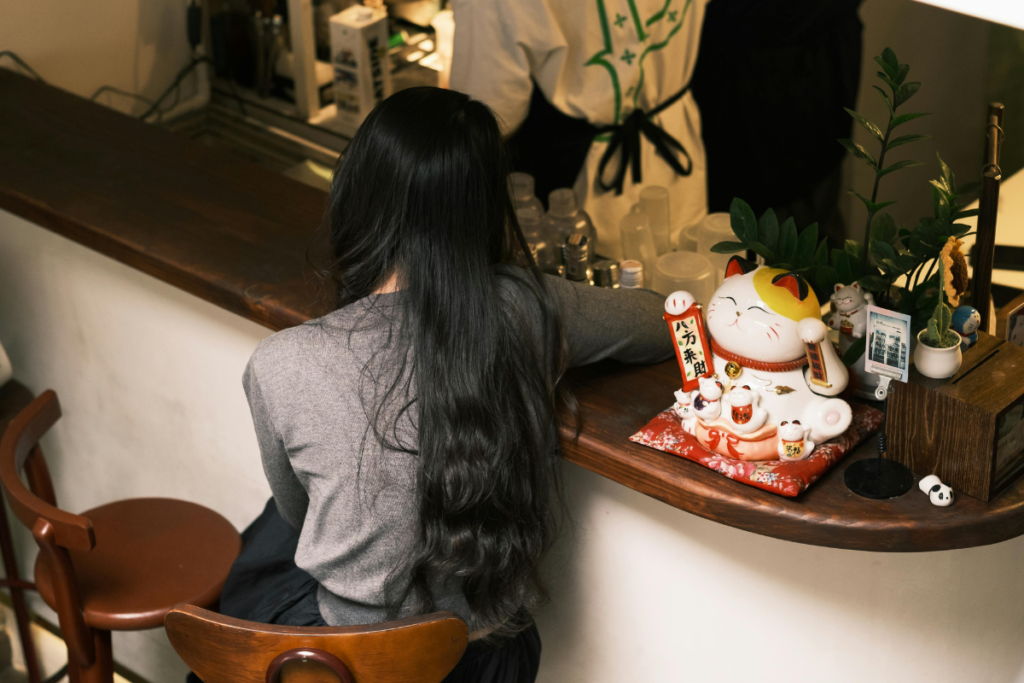
In Japan, being alone is not perceived as unusual because the physical environment is intentionally built to accommodate the individual. Many establishments feature counter seating, partitioned tables and single-person booths that create environments where one can enjoy experiences privately without feeling isolated. Whether it is dining alone at a restaurant or visiting a café with a book, these activities carry no social weight. This design philosophy extends to entertainment; cinemas, museums and even karaoke venues offer comfortable solo options, allowing people to engage with activities at their own pace. The result is a society where solitude is woven into everyday life rather than positioned as an exception.
Urban Design That Embraces Stillness
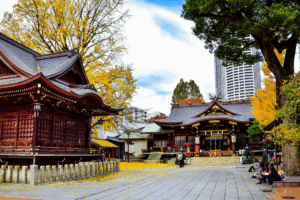
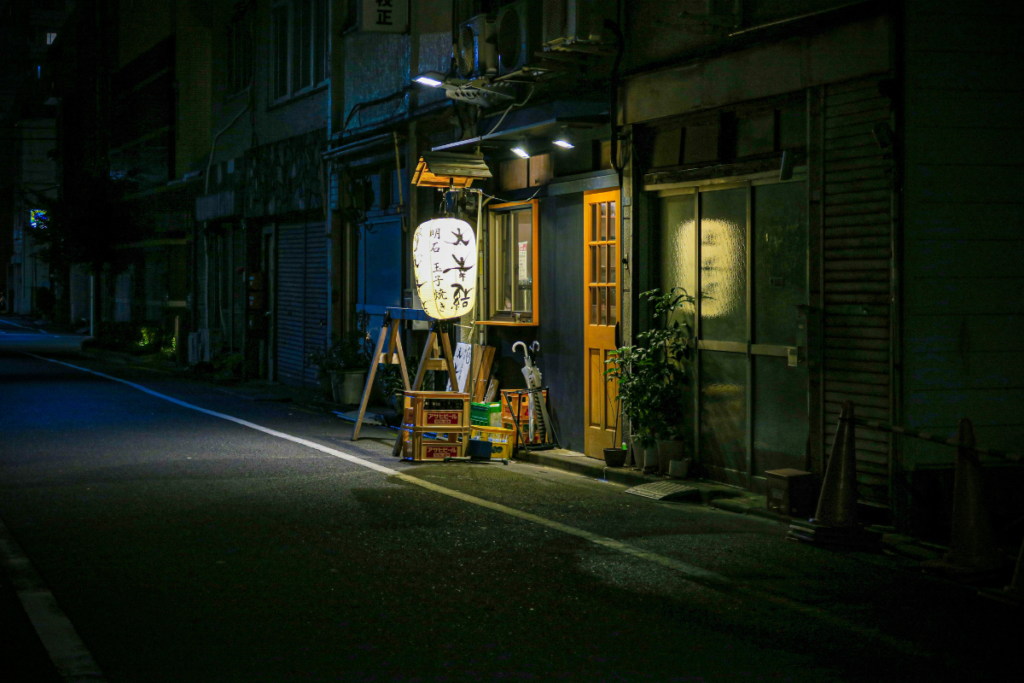
Japanese cities are masterfully structured to provide a balance between vibrant stimulation and personal rest. Urban environments are dense yet surprisingly calming, with quiet residential streets existing alongside bustling commercial areas. Public spaces such as parks, riversides and temple grounds provide accessible pockets of stillness within cities. Even in Tokyo, one can step away from constant interaction and find moments of quiet without leaving the city. This balance allows individuals to recharge while remaining connected to urban life.
Infrastructure for Independent Living
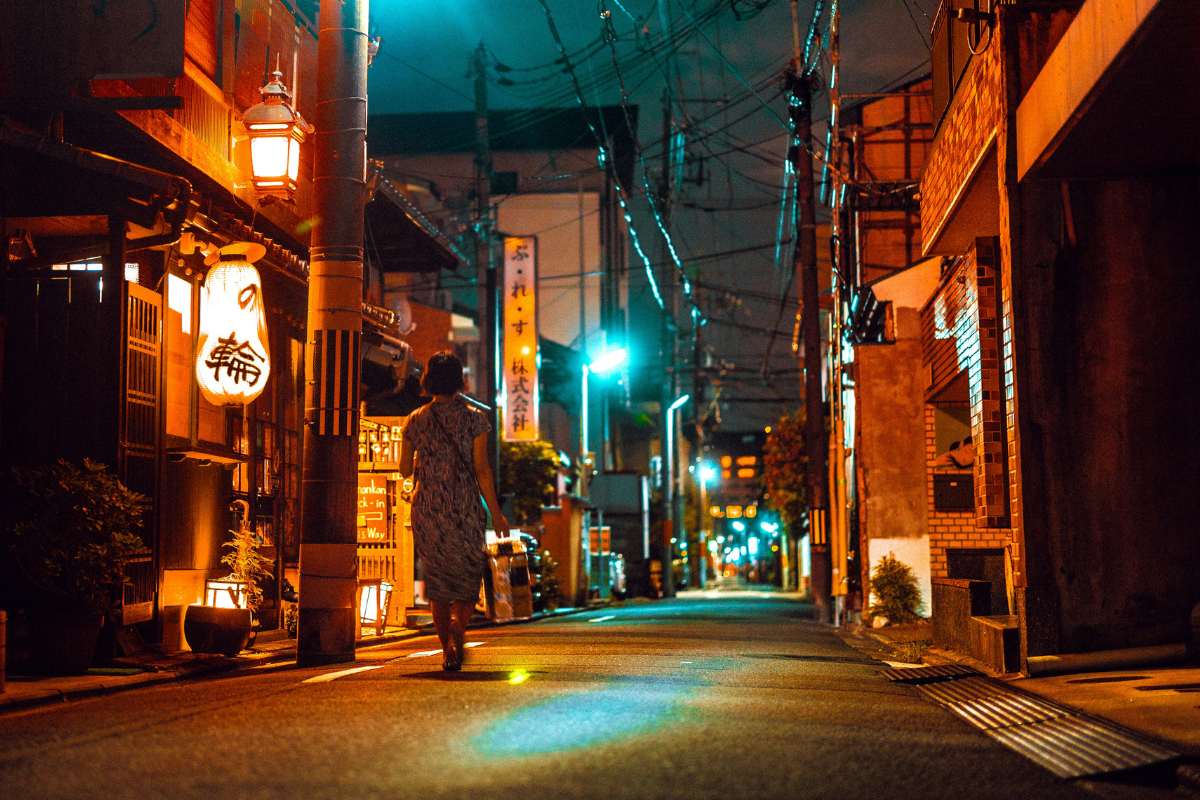
The efficiency of Japan’s infrastructure significantly reduces the stress of solo living by promoting total autonomy. Convenience stores operate around the clock, transportation is reliable and safe and everyday services are streamlined to minimize the need for assistance. These systems reduce the need to rely on others for basic needs, making independence feel effortless. Safety also plays an important role; walking alone at night or traveling solo generally feels secure. This sense of safety encourages autonomy and allows individuals to enjoy their own company without constant vigilance.
Cultural Values and Emotional Restoration
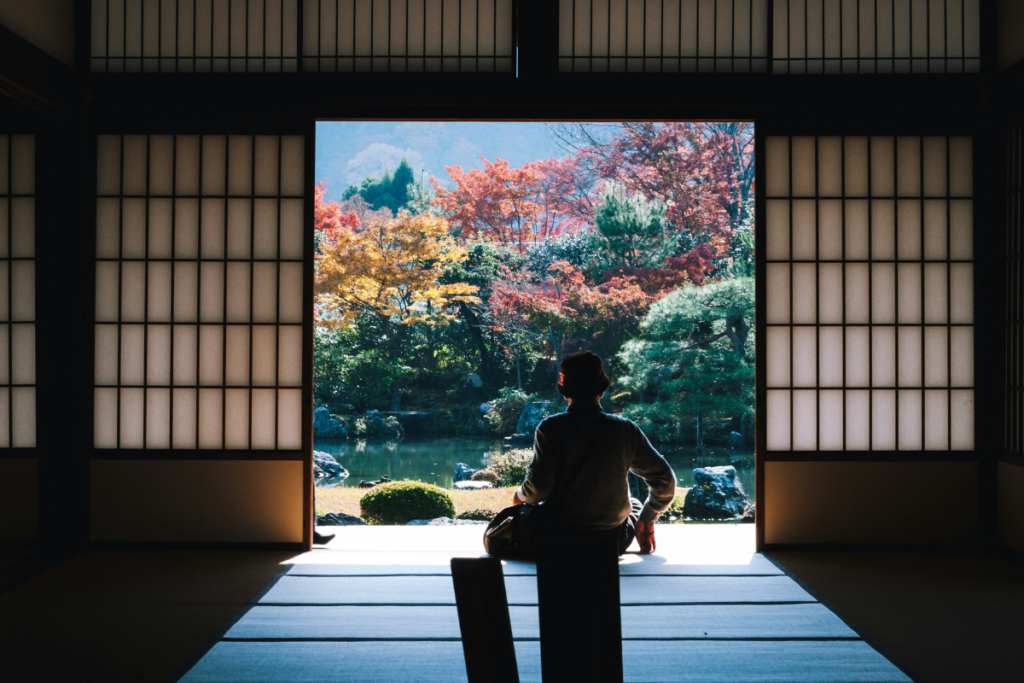
At its heart, Japan’s solo-friendly culture is rooted in the values of harmony and non-intrusion. People tend not to impose themselves on others, creating a social environment where privacy is inherently respected. Conversations are often purposeful rather than performative, and silence is treated as a natural part of interaction. This cultural rhythm supports those who prefer reflection, allowing individuals to engage socially when they choose and to withdraw without explanation when they need space. Over time, simple routines—walking through quiet neighborhoods or taking a solo train ride through scenic landscapes—become moments of calm rather than reminders of isolation.
Japan does not demand solitude, but it quietly allows it. In a world that often equates presence with performance, the country offers a different rhythm—one where individuals can exist without explanation and find comfort in their own company. For those who value independence and reflection, Japan offers not isolation, but permission to be alone without being lonely.
Why Japan Can Feel Emotionally Restorative for Solo-Oriented People
For people who enjoy being alone, Japan offers a rare emotional comfort. The ability to move through daily life without social pressure can be restorative. Simple routines such as walking through quiet neighborhoods, sitting alone in a café or taking a solo train ride through scenic landscapes become moments of calm rather than reminders of isolation.
Nature also plays a role in this emotional balance. Mountains, forests and coastal areas are easily accessible and provide settings where solitude feels intentional and grounding. Seasonal changes encourage reflection and awareness, reinforcing the connection between environment and inner state.
Japan does not demand solitude, but it quietly allows it. In a world that often equates presence with performance, the country offers a different rhythm, one where individuals can exist without explanation and find comfort in their own company. For those who value independence, reflection and calm, Japan offers not isolation but permission to be alone without being lonely.
FAQ
Is it socially acceptable to eat alone in Japan?
Yes, solo dining is a major part of Japan’s solo-friendly culture. Many restaurants provide counter seating and individual booths specifically designed for people eating by themselves.
How do Japanese cities accommodate a need for quiet?
Cities are designed with a mix of vibrant areas and pockets of stillness, such as temple grounds and residential side streets, allowing residents to find quiet moments easily.
Is it safe to travel or walk alone at night in Japan?
Japan is highly regarded for its safety. Solo travelers and residents generally feel secure walking at night or using public transportation alone, which encourages personal independence.
Why does Japan feel restorative for introverts?
The combination of a non-intrusive social culture and an infrastructure built for independence allows introverts to recharge without the pressure of performative social interaction.
If you enjoyed this exploration of Japan’s solo-friendly culture and want more insights into living and working in the country, subscribe to the GoConnect newsletter for regular updates, cultural deep-dives and community stories.
If you enjoyed this article, please let us know and share your thoughts at hello@goconnect.jp.