What Are Tokyo International Schools Looking For? Nine Schools Tell Us
Applying for international schools can be a blizzard of tests, interviews and paperwork. Schools have tight deadlines, and trying to ensure completeness can become an all-consuming, herculean task. So much so that parents can forget the schools are looking for students, not just transcripts or test scores. But even parents who remember can be tripped up — what exactly are these schools looking for?
So we asked. And the international schools in and around Tokyo were more than happy to tell us, in their own words, the qualities and traits they look for in prospective students. In short? Like with universities, it’s not just grades. Schools want students who are inspired to learn and create, not just recite things by rote. But to explain exactly why, we’ll leave it to the schools.
Get the Checklist
Are you searching for the right International School for your child? Get the Tokyo International School Admissions Checklist.

What do Tokyo’s International Schools want?
Across the nine schools we spoke to, several qualities kept emerging: curiosity, character, resilience, independence and a willingness to engage with the wider school community. Academic ability was always a focus, but the schools also emphasize qualities such as creativity, emotional intelligence, international-mindedness, leadership and a genuine enthusiasm for learning.

KAIS
When you ask KAIS what they want in a candidate, it’s not grades that come first. It’s character. Faculty at the school want their students to set their sights high, but also to be kind, resilient and willing to learn from mistakes. During admissions, they look for students who are curious, reflective, self-motivated and willing to challenge themselves, while also contributing positively to the community around them.
They advise parents to look beyond academics when choosing a school. Think about where your child will feel known and supported. Academic growth is important, but equally so are other qualities: your child’s well-being, friendships and instilling a genuine love of learning.
When asked, School Director Maha Sadi emphasizes how the school takes a holistic approach to education:
“One thing we constantly discuss at KAIS is how we can support students on their journey towards self-fulfillment. We want them to understand who they are, discover where they want to go and develop the skills and confidence to pursue their aspirations independently.”
“Most importantly, we hope that journey helps them become thoughtful and conscientious leaders, people who make a positive impact on those around them, wherever their path may take them.”

The British School in Tokyo
The British School in Tokyo (BST) is clear about what it looks for: it comes down to a willingness to engage. They value resilience, kindness and independence, seeking young people who are comfortable being themselves while contributing to a diverse community.
It ties back to the “BST Way”: Be Courageous, Show Respect, and Take Responsibility. BST students are curious, open-minded and ready to embrace the opportunities around them.
Their advice to parents is to focus on finding the right fit rather than trying to present a “perfect” application. Take time to understand how the school’s philosophy aligns with your child’s interests and aspirations. Above all, they encourage families to be open and honest. BST wants to get to know the whole child, not simply their academic record.
When asked about this approach, Principal Ian Clayton emphasizes that, at BST, education goes far beyond just gaining knowledge:
“Curiosity is one of the qualities we value most at BST. We want our students to ask questions, challenge assumptions, explore new ideas and develop the confidence to think for themselves.”
“We nurture each student’s unique potential while encouraging them to understand themselves, engage thoughtfully with the world around them and make a positive contribution to their communities. We want them to remain curious, purposeful and willing to keep learning throughout their lives.”

Rugby School Japan
At Rugby School Japan (RSJ), their admissions team looks for aspirations that extend beyond simply achieving excellent exam results. Students who are curious, eager to explore beyond the curriculum and motivated to make the most of new experiences are the ones who stand out in the admissions process.
During admission, they search for a willingness to challenge oneself and contribute to school life. This can be through sport, music, art, academic competitions, service or outdoor education — as long as the drive is there. It all ties back to the school’s short and direct ethos: “The Whole Person The Whole Point.”
Because RSJ is a selective school, their admissions process does assess cognitive ability through the CAT4 test and English proficiency. This ensures pupils can comfortably access the IGCSE and A Level curriculum while participating fully in boarding life and developing lasting friendships. However, the process is equally designed to identify pupils who have the potential to thrive academically, physically, creatively and emotionally.
When asked about this approach, Marketing and Admissions Director Anna Iveson explains how this philosophy translates into long-term goals for their students:
“One question we ask our incoming families is: ‘When you picture your child 20 years from now, what kind of person do you hope they will have become, and what might they have achieved?’ Many of our parents express a remarkably similar aspiration: that their child will have discovered their unique strengths and passions, and grown into a fulfilled adult, irrespective of the career path they choose.”
“For us, that is the perfect expression of our The Whole Person The Whole Point ethos in practice.”

Malvern College Tokyo
Malvern College Tokyo will tell you plainly: academic potential matters, but character is equally important. During admission, they seek out a willingness to ask questions, persevere when learning becomes challenging, contribute to the community and remain open to new ideas and experiences.
Their advice to parents navigating the application process is to let the school meet the authentic child. Avoid over-rehearsing interviews or presenting a carefully manufactured version of your child. Instead, help them speak naturally about what interests them, what they enjoy, and even what they find difficult. The school seeks candidates who are curious, kind and ready to engage positively with the opportunities around them.
Most importantly, they encourage families to approach admissions as a two-way conversation. They suggest asking thoughtful questions, exploring the school’s values and considering where your child will feel known, supported and inspired to flourish.
Headmaster Ewan McCallum points out that at Malvern College Tokyo, attitude matters just as much as academic merit.
“A curious pupil does more than seek the correct answer: they ask thoughtful questions, explore different perspectives and remain intellectually open.”
“This reflects our belief that education should not simply prepare young people for examinations, but equip them with the confidence, character and desire to keep learning throughout their lives.”
United School of Tokyo
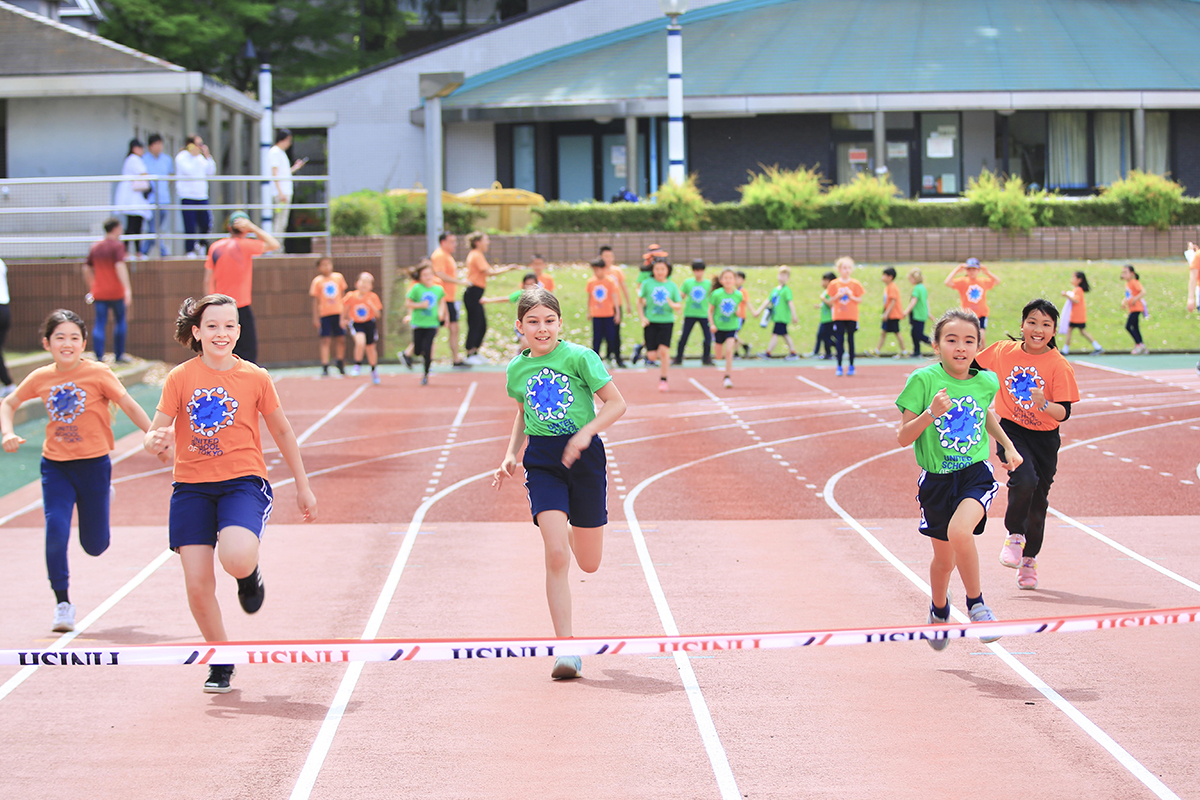
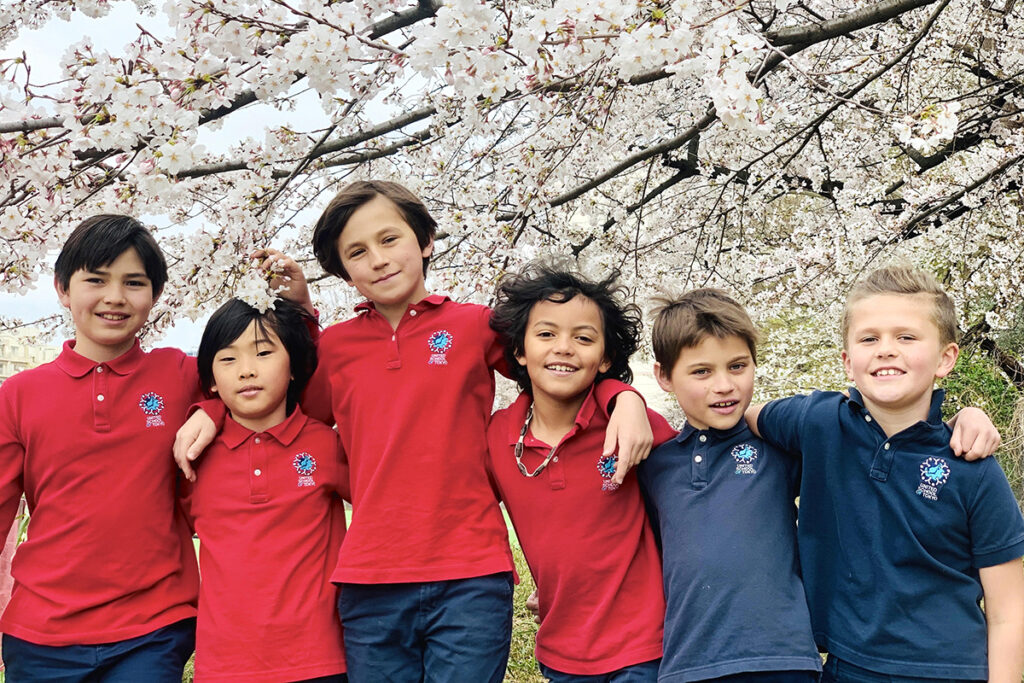
United School of Tokyo (UST) values students who are kind, inquisitive and enthusiastic about learning. Academic excellence is prioritized, but so is nurturing character, emotional intelligence, creativity, physical well-being and a love of learning.
UST’s classes are small and close-knit, creating a sense of community that ensures every child is seen, supported and encouraged to explore their interests. This helps children become confident, capable and caring. At UST, students are given the chance to challenge themselves, take responsibility and understand that their actions matter.
For parents, UST’s advice is to consider the whole experience their child will have. Ask not only, “What will my child learn?” but “Who will this school help my child become?”
Head of School Natasha Dytham expands on this philosophy when asked:
“At UST, academic strength goes hand in hand with becoming a good human. We encourage students to think for themselves, communicate with confidence and have the courage to take on challenges, while developing the kindness, responsibility and social conscience to use those abilities thoughtfully.”
“Children learn that the small, everyday choices they make matter — how they treat a friend, care for their community or help someone in need. At UST, a successful education is not defined only by the grades you achieve or the exams you pass, but by the person you become and how you choose to use what you have learned to make a positive difference in the world.”

Laurus International School of Science in Tokyo
At Laurus, the qualities the admissions team looks for are reflected in their school motto, “Creating future innovators who change the world for the better.” They’re searching for students who are not only prepared to succeed academically, but who are also developing the creativity, character and sense of responsibility needed to make a positive contribution to the world around them.
This can be seen in students who are curious, engaged and ready to take an active role in their learning. Academic potential is important, but Laurus wants to see the key values of resilience, kindness and independence. At school, these qualities are expressed through students’ confidence to ask questions, collaborate and explore new ideas.
For parents navigating the application process, Principal Donna van Heyningen gives some direct advice:
“Let us see your child as they really are. Encourage them to talk about their interests, strengths and experiences, and to approach the process with confidence and authenticity. The best fit comes when a family connects genuinely with the school’s values and vision.”
Shinagawa International School
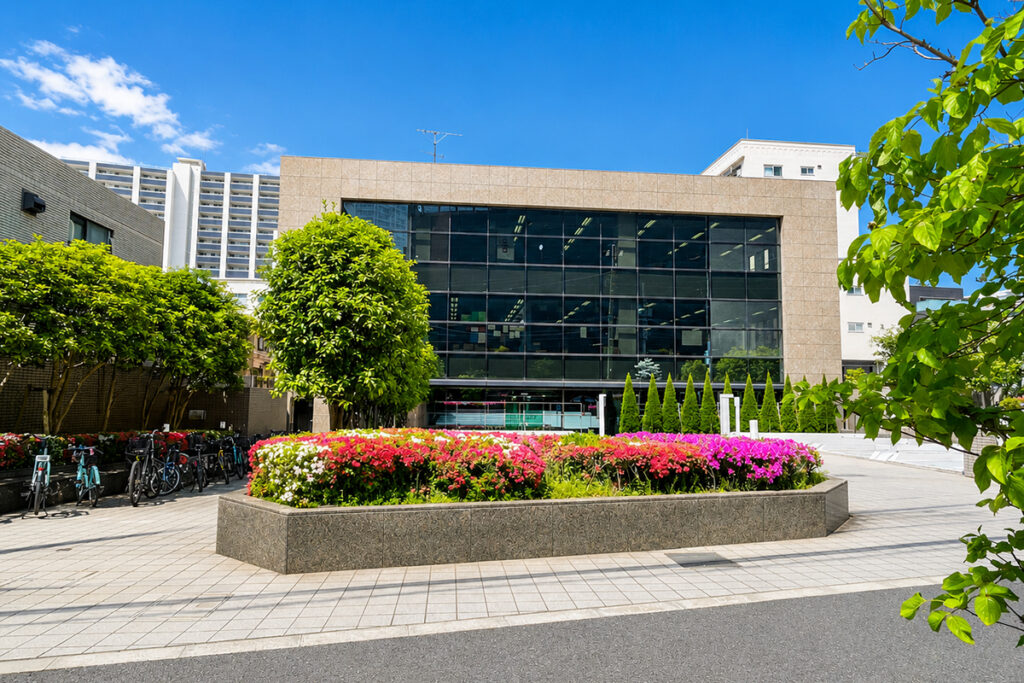
At Shinagawa International School (SIS), it’s about students who are ready to grow as well-rounded individuals. This means being curious and open-minded in a multicultural student body. With around 470 students representing more than 40 nationalities, the community at SIS provides daily opportunities to develop international-mindedness, intercultural understanding and collaboration.
Their advice to parents is to focus on finding the right fit for your child. Take time to understand the school’s mission, values, programs and community. Do this by exploring school websites and social media to get a better sense of daily life and the community.
When asked, Head of School Gamze Abis focuses on the school’s ethos, and how the right child can thrive at SIS:
“At Shinagawa International School, our ethos is captured in the words, ‘Passion for Education, Community at Heart.’ We believe education goes beyond academic achievement; it is about developing confident, compassionate and internationally minded individuals.”
“Through our SHARK Core Values — Strength, Honesty, Adaptability, Respect and Kindness — we encourage students to embrace diversity, learn from one another, and contribute positively to our community and the wider world.”

Crimson Global Academy
Crimson Global Academy stands out among other institutions as an exclusively online school. That’s shaped their student profile. What each of their strongest students shares is a family that has recognized their child isn’t reaching their full potential in their current setting.
Some students are advanced learners whose current pace no longer challenges them; others need individualized support to close a gap in a specific subject; others are athletes, performers or frequently relocating families whose lives don’t fit a fixed classroom schedule.
Being online is what makes this possible: ability-based placement so students aren’t limited by age, a consistent education regardless of location. Technology supports this approach, giving parents visibility into their child’s progress along the way. Crimson Global Academy’s mission is to unlock every student’s limitless potential, together, for extraordinary futures.
This ethos and approach is what explains their advice to families considering online international education: look for the pace and structure that matches your child’s actual level, not the one their age or location happens to place them in.
Reflecting, Crimson Global Academy Principal Mark Phillips notes what stands out among the many prospective students he has seen:
“When I think about what makes a strong candidate, it’s not the strongest transcript, it’s the personal drive to excel. I’m looking for a student who’s ready to take the flexibility we offer and push themselves further than a traditional classroom would let them. Our staff are right there alongside them the whole way, and know how to guarantee every student performs to their full potential, so in many cases, they’ll surpass what they believed possible.”
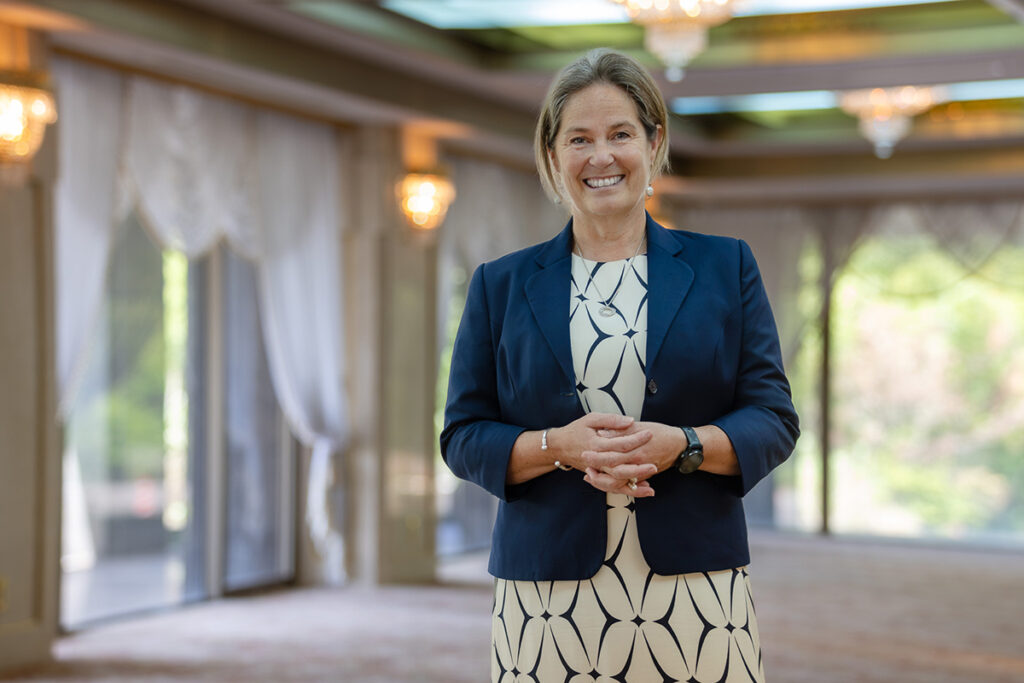
Gordonstoun School Japan
At Gordonstoun Japan, the expectation of academic excellence is a given, so their admissions team looks to identify young people with something more: curiosity, character and a willingness to embrace new experiences. They value potential, enthusiasm for learning, resilience and a readiness to challenge oneself over memorized knowledge. Their ideal students have a strong sense of community and demonstrate compassion, cooperation and a desire to contribute positively to those around them.
Their advice is simple and brief: encourage your child to be themselves. Gordonstoun’s holistic approach helps them understand each applicant through their interests, strengths and aspirations.
Conversations with applicants explore what motivates them and their readiness to engage fully in the school’s unique experience. Above all, they encourage families to explore their ethos together. As a family, consider whether a challenging, experiential and character-driven education is the right environment for their child to thrive.
This approach is rooted in the philosophy of Kurt Hahn, the founder of Gordonstoun in Scotland, who believed that education should not tell young people what to think, but rather give them meaningful experiences to discover who they are. When asked how this translates to their admissions ethos, Principal Natasha Dangerfield explains:
“This philosophy lies at the heart of Gordonstoun Japan. Alongside academic excellence, we place great emphasis on an exceptional broader curriculum that encourages students to learn through experience. Through adventure, service, leadership, sport and creative pursuits, young people encounter new and sometimes daunting opportunities for self-growth.”
“By stepping beyond their comfort zones and embracing challenge, they develop resilience, confidence and a deeper understanding of their potential. This reflects the essence of our motto, “Plus Est En Vous,” or ‘There is more in you,’ and our belief that every young person is capable of discovering strengths they never knew they had.”
At a glance
| School | Key Qualities Looked for | Core Ethos / Philosophy | Top Advice for Parents |
| KAIS | Character, kindness, resilience, self-motivation. | Holistic education focused on self-fulfillment and conscientious leadership. | Look beyond academics; choose where your child feels known and supported. |
| The British School in Tokyo (BST) | Willingness to engage, curiosity, open-mindedness. | “Be Courageous, Show Respect, and Take Responsibility.” | Focus on the right fit; be open and honest rather than presenting a “perfect” application. |
| Rugby School Japan (RSJ) | Curiosity, eagerness to explore, drive to contribute. | “The Whole Person The Whole Point.” | Picture your child in 20 years and aim for an environment that nurtures their unique passions. |
| Malvern College Tokyo | Perseverance, intellectual openness, community contribution. | Education equips students with confidence and a lifelong desire to learn. | Avoid over-rehearsing; let the school meet the authentic, natural child. |
| United School of Tokyo (UST) | Kindness, enthusiasm, emotional intelligence. | Academic strength goes hand in hand with becoming a good human. | Ask not just what your child will learn, but who they will become. |
| Laurus International School of Science | Creativity, resilience, independence, collaboration. | “Creating future innovators who change the world for the better.” | Encourage your child to talk confidently about their real interests; authenticity is key. |
| Shinagawa International School (SIS) | Open-mindedness, intercultural understanding, adaptability. | “Passion for Education, Community at Heart” (SHARK Values). | Explore the school’s daily life and community to ensure a genuine fit. |
| Crimson Global Academy (Online) | Personal drive to excel, readiness to utilize flexibility. | Unlocking limitless potential through ability-based, consistent education. | Look for a pace and structure that matches your child’s actual level, not their age. |
| Gordonstoun School Japan | Community sense, compassion, willingness to embrace challenges. | “Plus Est En Vous” (There is more in you) and learning through experience. | Encourage your child to be themselves and explore the school’s ethos as a family. |