More Schools, More Stories: A Year in International Education in Japan
If the first part of this series made one thing clear, it’s that the most memorable parts of an international school education don’t happen at a desk. The schools we’ve covered understand that too, each in their own unique way.
Whether it’s forest classrooms on the outskirts of Tokyo to afternoon programs that give students room to challenge themselves with game theory, we take a second closer look at more of the activities shaping international student life in Japan.
Table of Contents:
- Malvern College Tokyo
- KA International School
- Phoenix House International School
- MEES International School
- NLCS Kobe
- Canadian Academy
- Harrow International School Appi Japan
Malvern College Tokyo
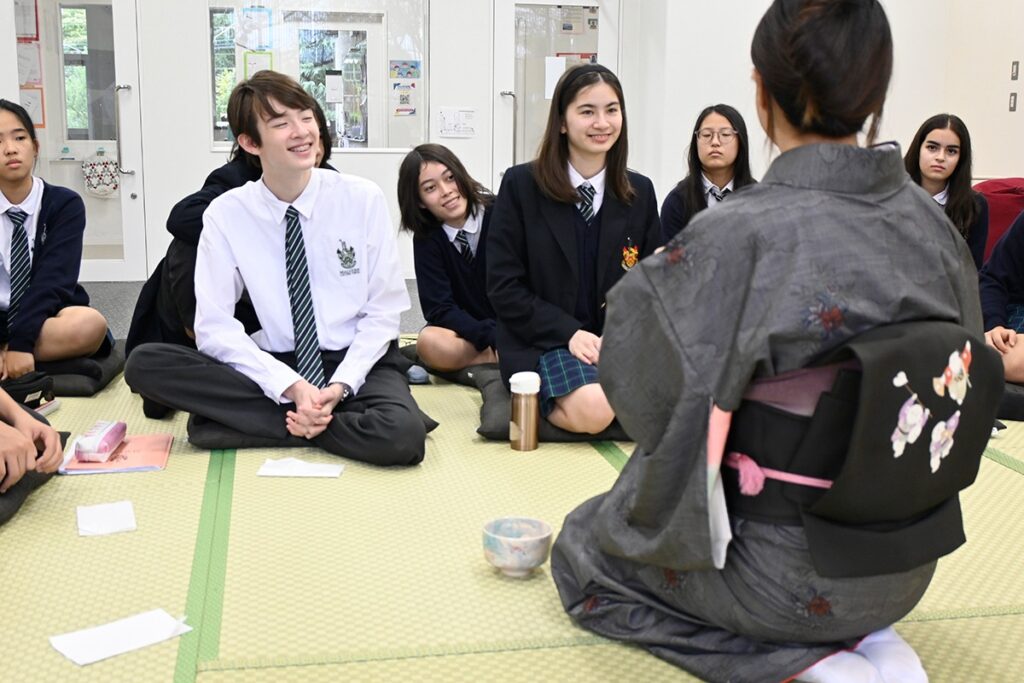
Malvern College Tokyo is rooted in IB (International Baccalaureate) philosophy, and what that means in practice is that learning isn’t treated as something that stops when the lesson ends. Co-curricular activities at Malvern aren’t positioned as a break from the academic day: they’re understood as the space where classroom learning gets tested and extended. Teamwork is refined on the sports field. Creative expression is deepened through music and drama. Intellectual curiosity gets stretched in subject-specific societies.
The school’s House structure and pastoral care give every pupil a genuine community around them, which matters more than it sounds: a student who feels known and supported takes more intellectual risks, engages more fully, grows faster. By the time summer arrives, the change in most pupils is visible — more confident, more reflective, more willing to sit with a difficult problem rather than step around it. Summer programs extend the philosophy beyond the school year. At Malvern, the aim is a journey with a clear direction: curious student, capable learner and confident person.
KA International School (KAIS)
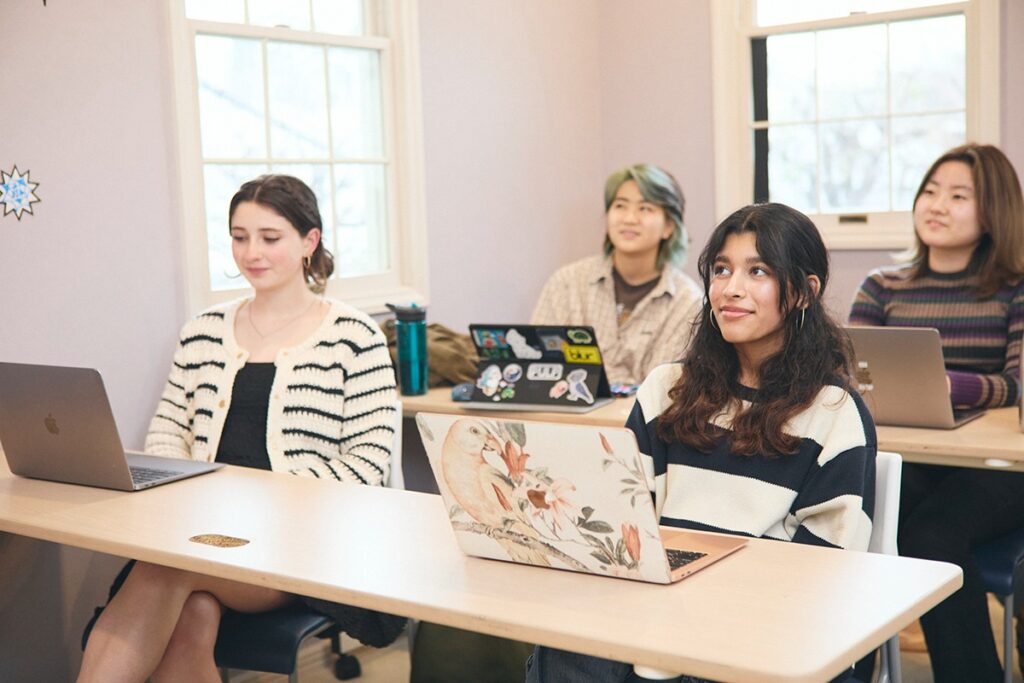
KAIS has built its school culture around what sounds like a simple idea: students should have real agency over what they learn. The weekly elective system is the most visible expression of this. Once a week, the regular timetable makes way for a student-selected class from a selection that includes cooking, robotics, philosophy, game theory and the school newspaper, with new offerings shaped by student demand. It’s the kind of thing that sounds good on paper and actually works in practice.
Project Weeks take the same principle further, giving students dedicated time to pursue interest-driven work with real depth. The Homework Lab builds structured support into the school day itself — students aren’t left to manage the hard parts alone. What KAIS produces, at its best, is students who know how to learn: curious, self-directed, and comfortable with challenges. That’s harder to develop than most schools admit, and KAIS has clearly put thought into how.
Phoenix House International School
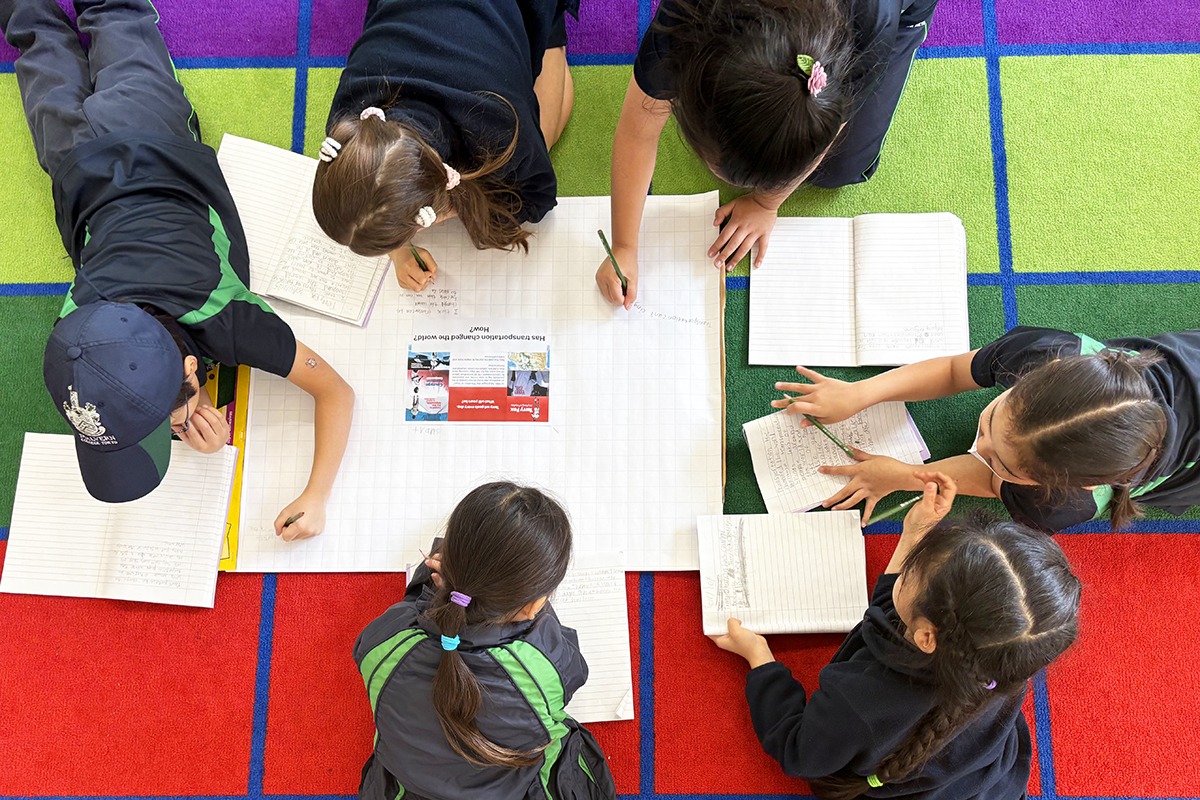
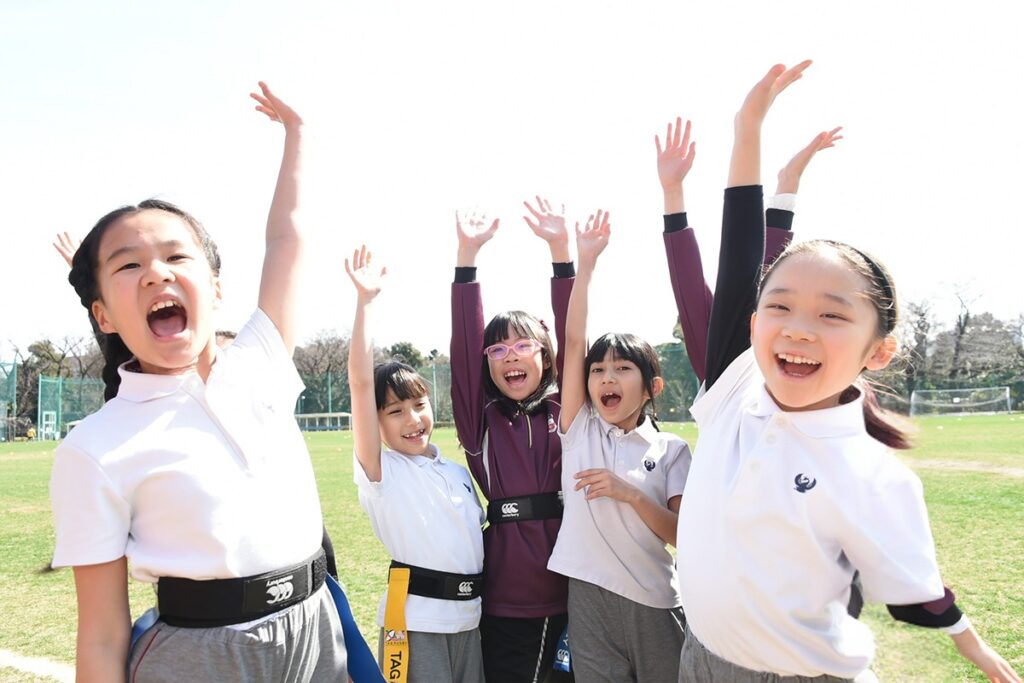
Phoenix House is a British preparatory school for children ages 5 to 11, and what strikes you first is the warmth of the community. Small class sizes mean teachers are able to know each child well, not only where they are academically, but their passions and interests too.
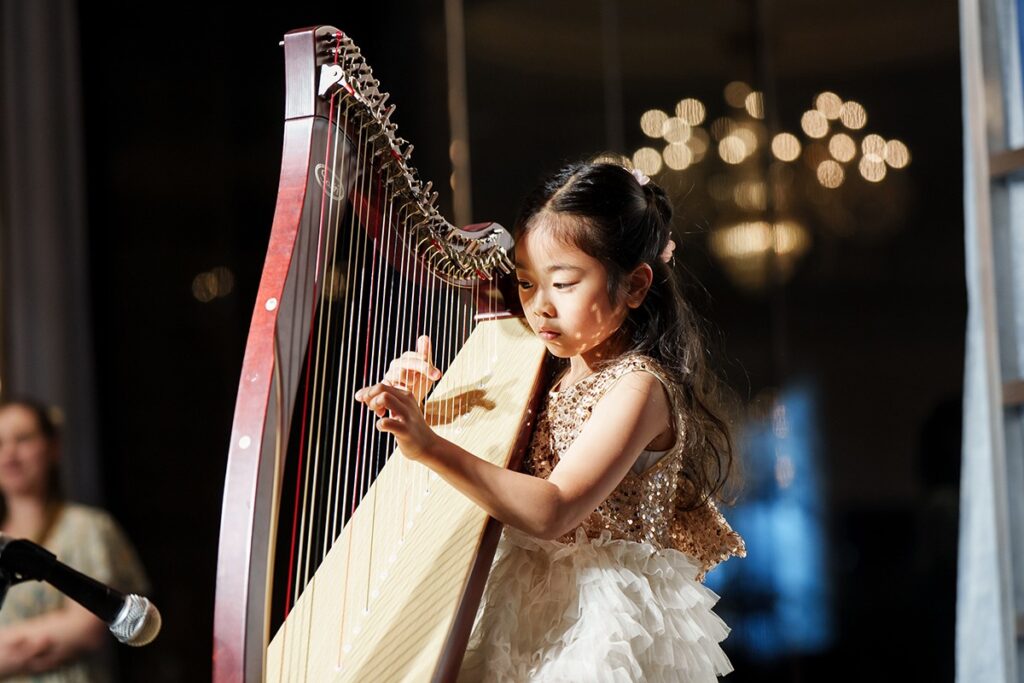
The enrichment program is broad: performing arts, outdoor learning, languages, sport and computing, all thoughtfully woven into the week rather than bolted on at the end of it.
The school also sits within a clear progression pathway through its close relationship with Rugby School Japan. Many families follow a clearly defined route: Clarence International School (Pre-Prep), Phoenix House (Prep) and Rugby School Japan (Senior). That said, Phoenix House prepares pupils for a range of onward journeys, including UK boarding schools at the end of Prep 6.
Above all, it offers a settled, rigorous and genuinely warm community — one that makes a lasting difference to children and their families.
MEES International School
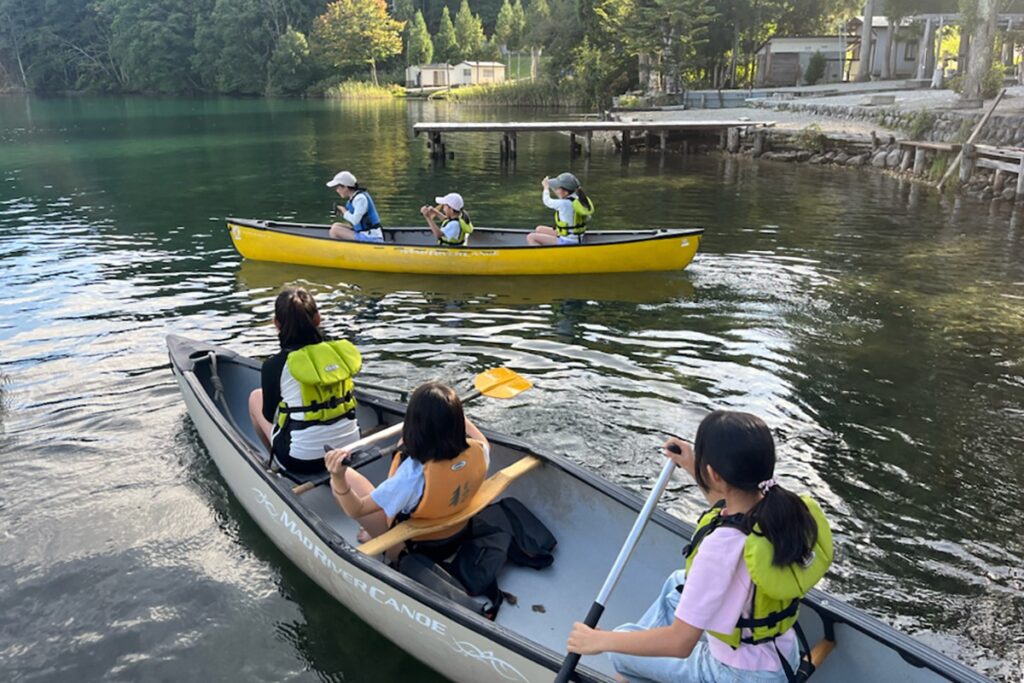
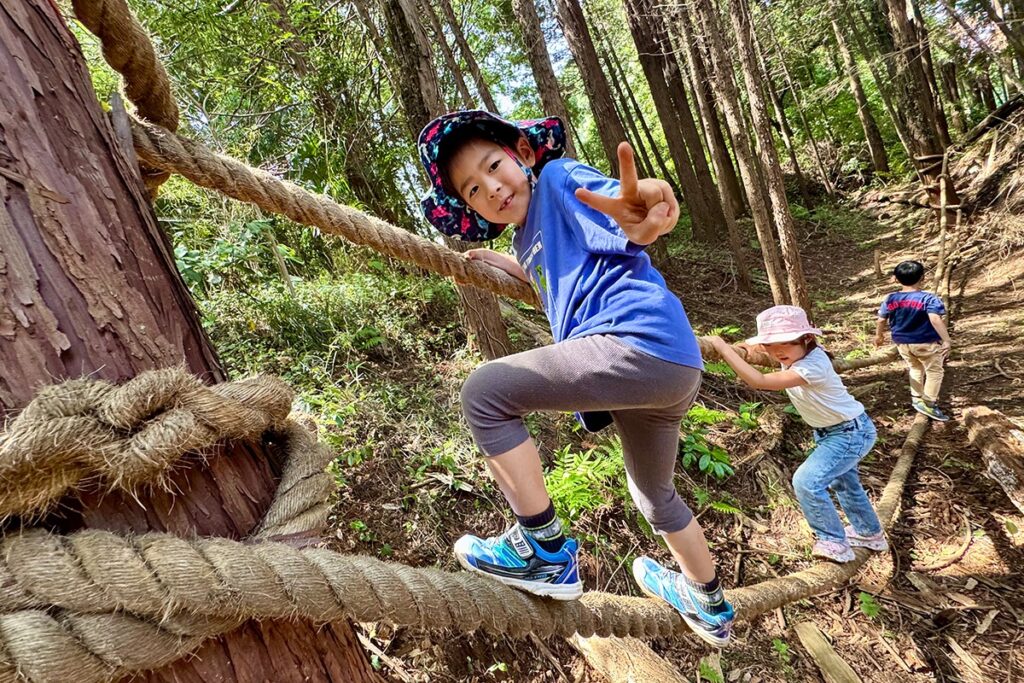
The treehouse in the MEES Forest grounds wasn’t part of the original school plan. Students proposed it, and the school gave them the tools to build it together. That’s how learning works at MEES.
Throughout the year, students regularly leave Tokyo behind and head to the Forest: not just for fun, but as part of everyday learning. They build things, explore trails, get muddy, test ideas and return to the classroom with new questions and projects already taking shape. Their outdoor activities and academic work are not separate. They’re part of the same inquiry process.
Summer follows the same rhythm. The Forest Program runs for four weeks with daily trips from Tokyo into nature: hands-on, collaborative and noisy in the way the best childhood experiences usually are.
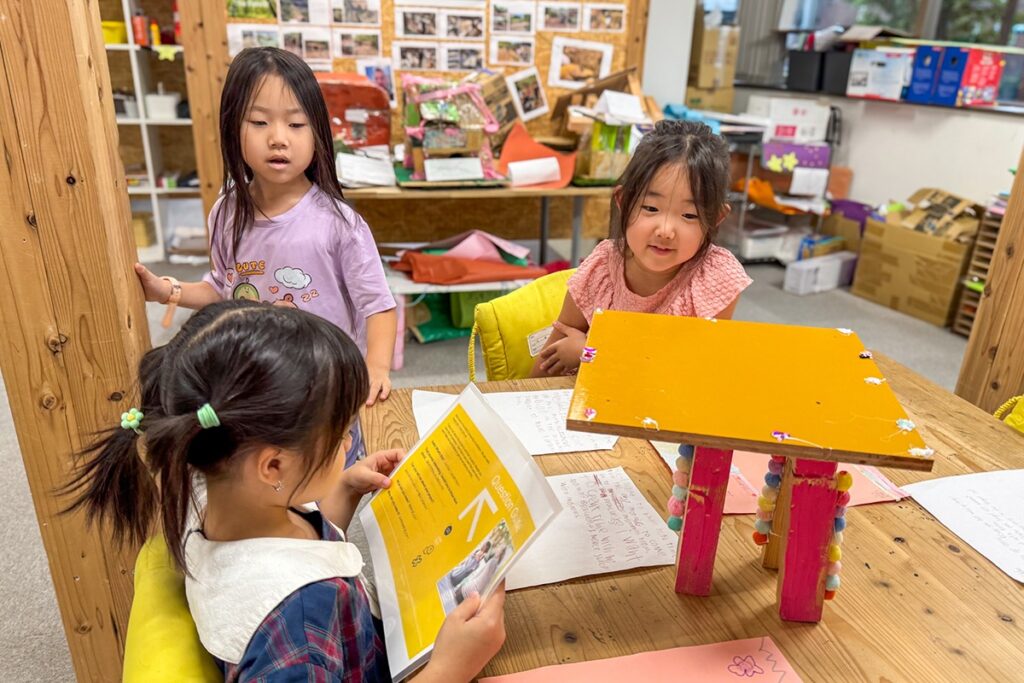
Back in Bunkyo, indoor summer programs are designed by age: play-based learning in preschool and project-based STEM for elementary students. Afternoon programs continue the experience through cooking, coding, science, fitness, and English clubs. For families who’ve always suspected that real learning is a little more vivacious than rows of silent desks, MEES will feel refreshingly familiar.
NLCS Kobe
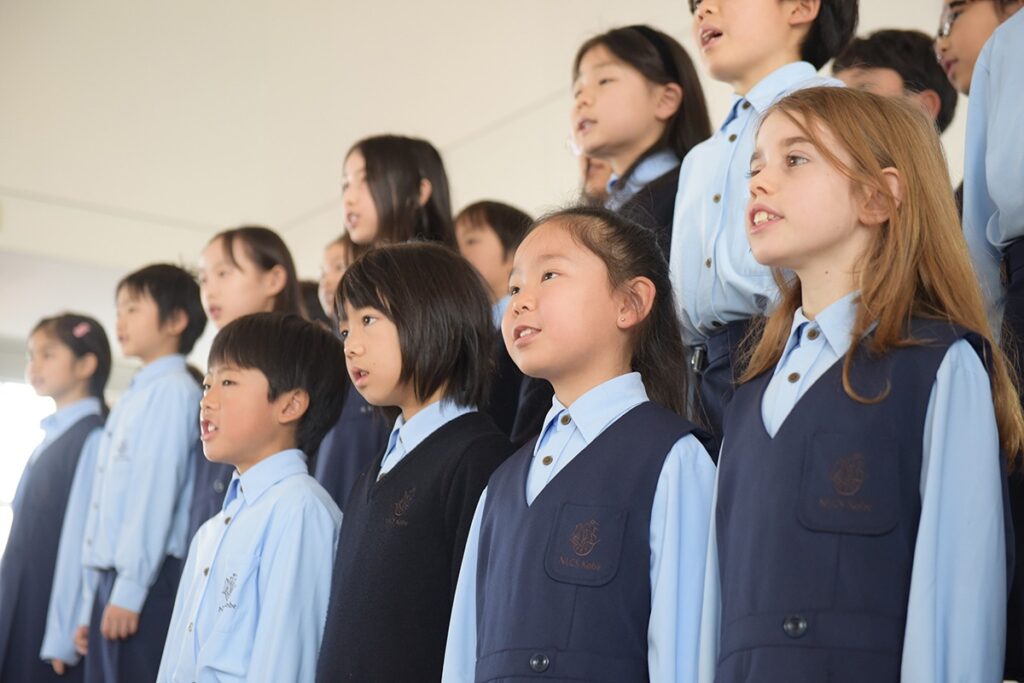
NLCS Kobe opened its Junior School in September 2025. In the time since, it has launched sports, arts, academic clubs, service projects and cultural initiatives. For a school less than a year old, that’s an ambitious amount to already have running.
The IB curriculum sits at the center of the school, but its character comes through in how it thinks about extracurricular life. The framing isn’t “academics first, enrichment as a reward.” It’s that leadership, creativity and resilience aren’t things you can lecture into students. They come from being put in situations that mean students have to use them. NLCS Kobe is deliberately giving students those situations from day one, rather than adding them later once the academic foundation is set.
What also makes the school distinct is its vision of being an international school with a Japanese heart. Japanese values, culture and perspectives are intentionally woven into the student experience and the wider IB framework, giving the school a character that feels both internationally minded and deeply connected to Japan.
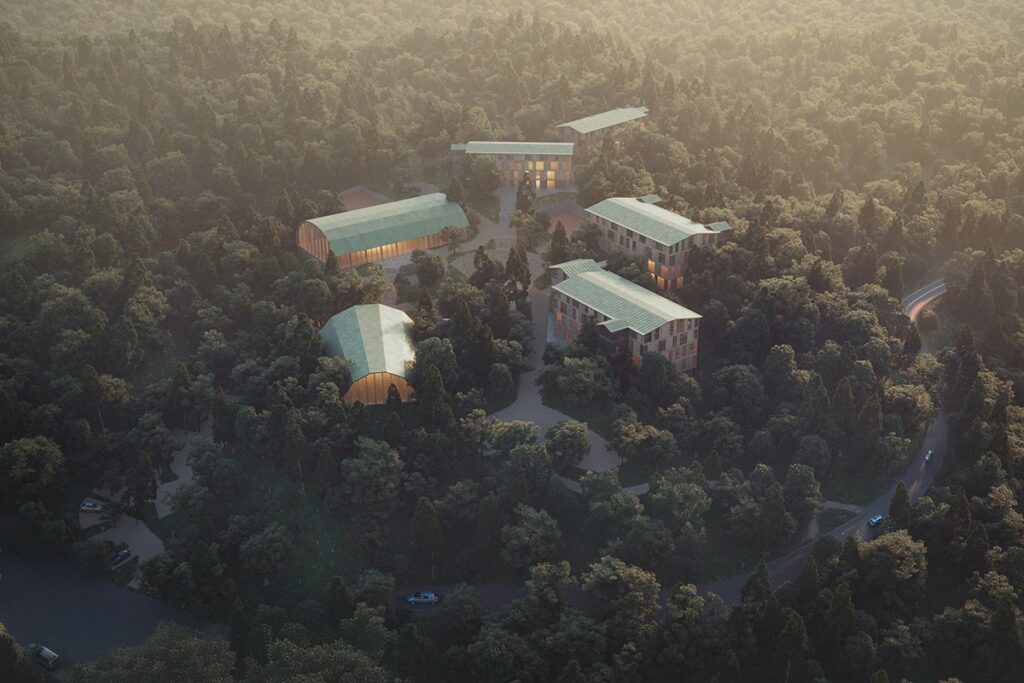
There’s more on the way. The Rokko Mountain campus is set to open in 2028, which will meaningfully expand what the school can offer. For families looking at international schools in Kobe and the broader Kansai region, NLCS Kobe is early in its story, but it’s got a concrete plan for where it’s going.
Canadian Academy
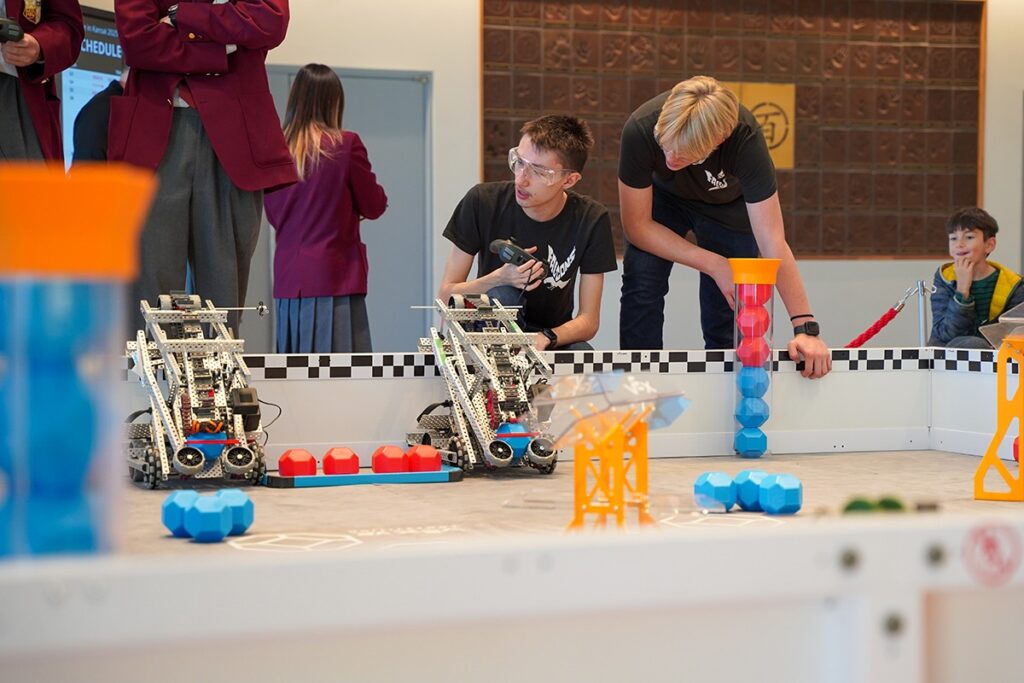
Technology is at the heart of Canadian Academy. With the opening of their Robotics Center, robotics at Canadian Academy has become a school-wide pathway that encourages challenge, creativity and problem-solving. Alongside expanded after-school offerings and a student-run high school robotics club, students of all ages are now building, coding, testing, troubleshooting and designing — key skills in the modern world.
In December 2025, CA hosted the first VEX IQ scrimmage in Kansai, bringing together over 60 students from 6 different schools for a high-energy day of teamwork and competition.
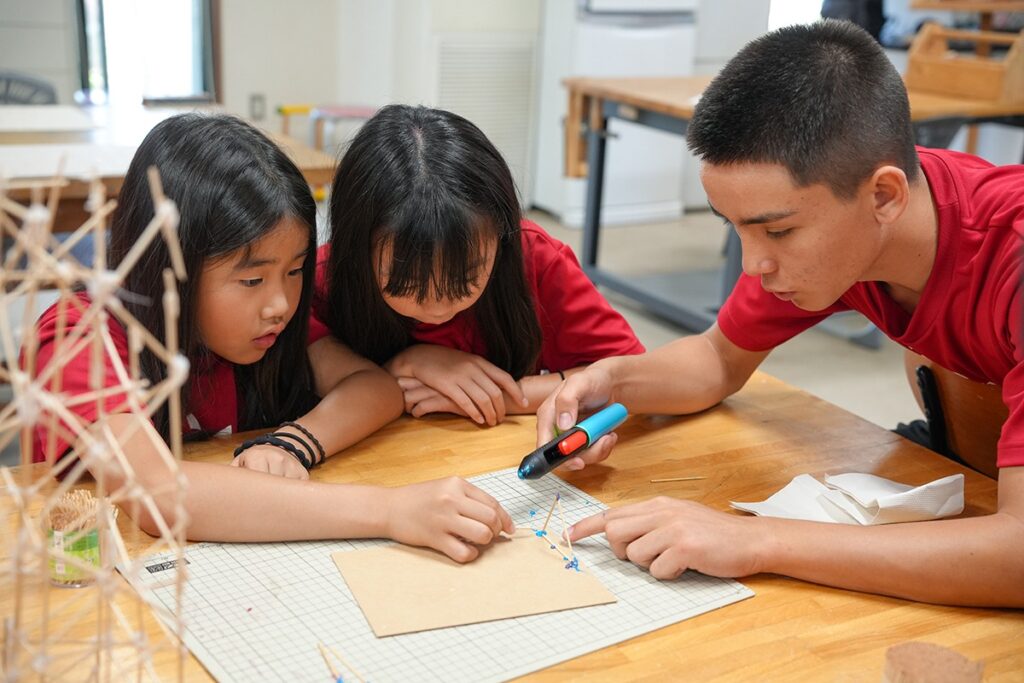
Their summer school is a key attraction, with attendees from all areas of Japan and beyond. Beyond the expected academic options, they also offer a unique oyako (mom-and-child) program and a deep dive into AI.
Meanwhile, CA is also a member of the APAC, or Asia Pacific Activities Conference, as one of the founders of the conference. Their teams traveled to Korea, Hong Kong, China, the Philippines and Vietnam, while also hosting a number of APAC tournaments this year, including Cross Country and Badminton. Every year, CA comes home from these events with the Spirit of APAC awards, showing their dedication to integrity and fair play — something other schools focus less on instilling in favor of pure academics. If you care about an education where your child is taught why as well as how, CA answers both questions comprehensively.
Harrow International School Appi Japan
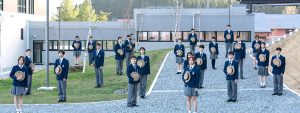
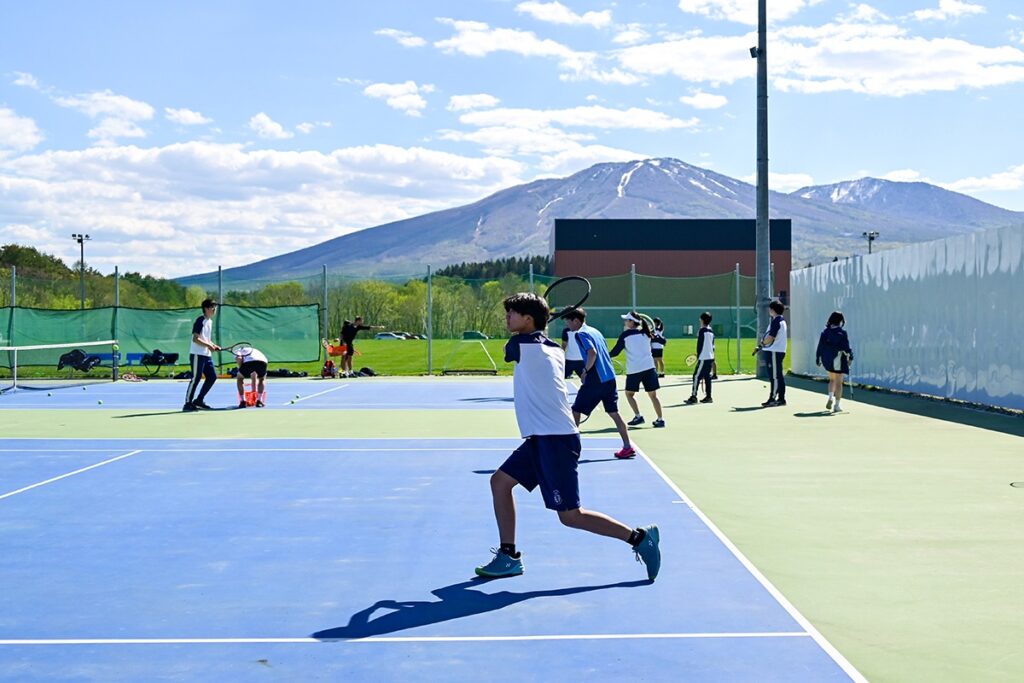
Harrow Appi Japan is in the mountains of Appi Kogen, which means the school’s outdoor program isn’t a field trip: it’s just normal. Hiking, camping, water sports and leadership excursions in summer. Skiing and snowboarding in winter, on slopes that happen to be world-class. The environment isn’t a backdrop; it’s part of the curriculum.
What’s harder to explain is what happens to students who live and learn together in that kind of setting over time. Resilience is a word that gets used a lot in school marketing, but at Harrow Appi Japan, it’s something that develops. Students are challenged, tired, a long way from home and they figure it out. Friendships built on chairlifts and hiking trails tend to stick. That’s a different kind of school experience than most boarding options offer, and it shapes students in ways that a city campus just can’t replicate.

For families weighing boarding schools in Japan, Harrow Appi is hard to compare to anything else. The combination of serious academics, a structured enrichment program and a mountain setting that’s part of the school’s identity rather than just its address make it an experience other schools can’t compete with.
Interested in more stories about education and community in Japan? Subscribe to the GoConnect Newsletter today for the latest insights on lifestyle and learning.
If you enjoyed this article, please let us know and share your thoughts at hello@goconnect.jp.