
Gourmet Travel in Tattoo-friendly Kinosaki Onsen
Beef, crab, rice and noodles serve as Kinosaki Onsen’s gourmet specialties that define this region’s culinary landscape. Kinosaki Onsen is a charming, historic hot spring town in Hyogo Prefecture famous for its 1300-year-old tradition, picturesque willow-lined river and seven unique public bathhouses that are famously tattoo-friendly. Here is the history and the latest on these four famous specialties.
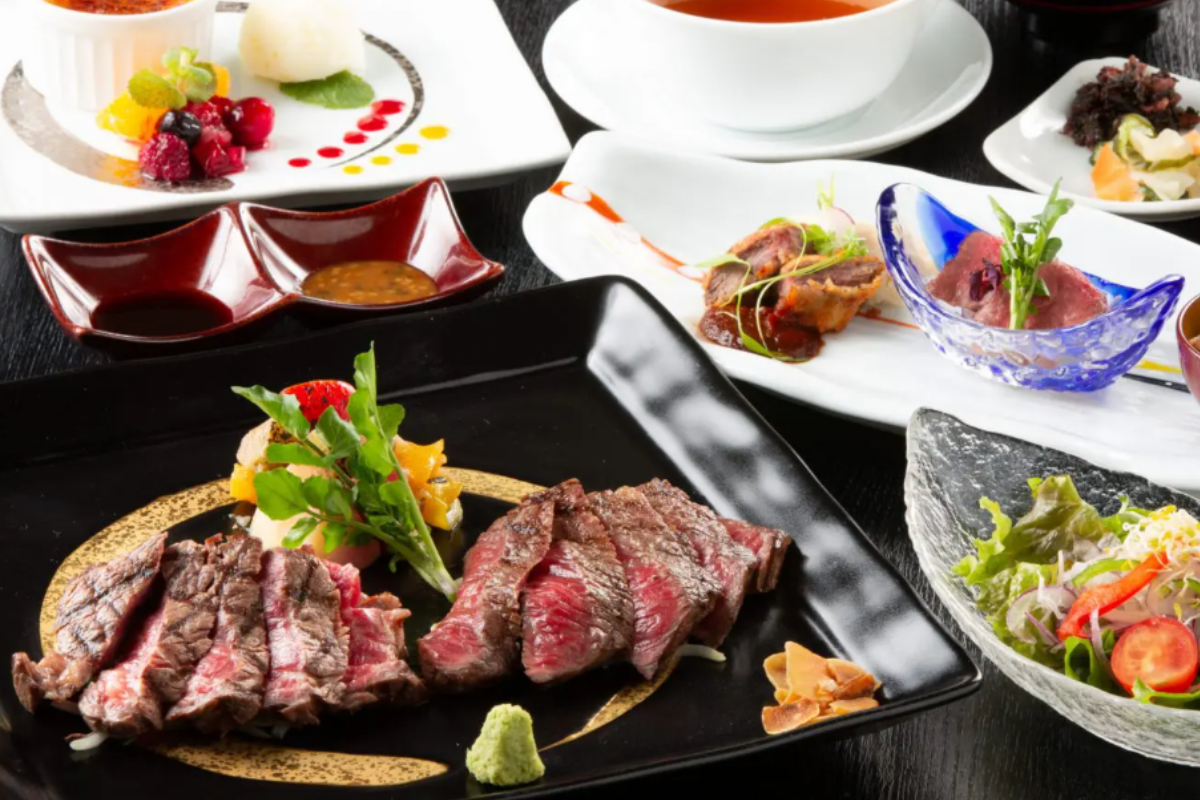
Tajima Beef: The World’s Best
Tajima Beef serves as the genetic root for the world-famous Kobe Beef, celebrated globally for its marbling and flavor. It comes in many shapes and sizes in Kinosaki Onsen, from burgers and steaks to curry and even potato chips. While it may seem surprising to find steakhouses sharing willow-lined streets with mystic hot springs, the proximity of Kinosaki Onsen to the Tajima Cattle pastures makes this promotion natural.
Three distinct factors contribute to the quality of this Kinosaki Onsen gourmet specialty. First, Tajima Cattle are purebred Japanese Black Cattle that have historically been isolated by mountainous terrain to prevent interbreeding with other lineages. Second, the region’s cold, snowy winters contribute to the cattle’s high-quality fat deposits. Finally, the marbling strikes a meticulous balance between meat and fat, avoiding textures that are overly fatty or tough.
The Samurai Tradition of Izushi Soba
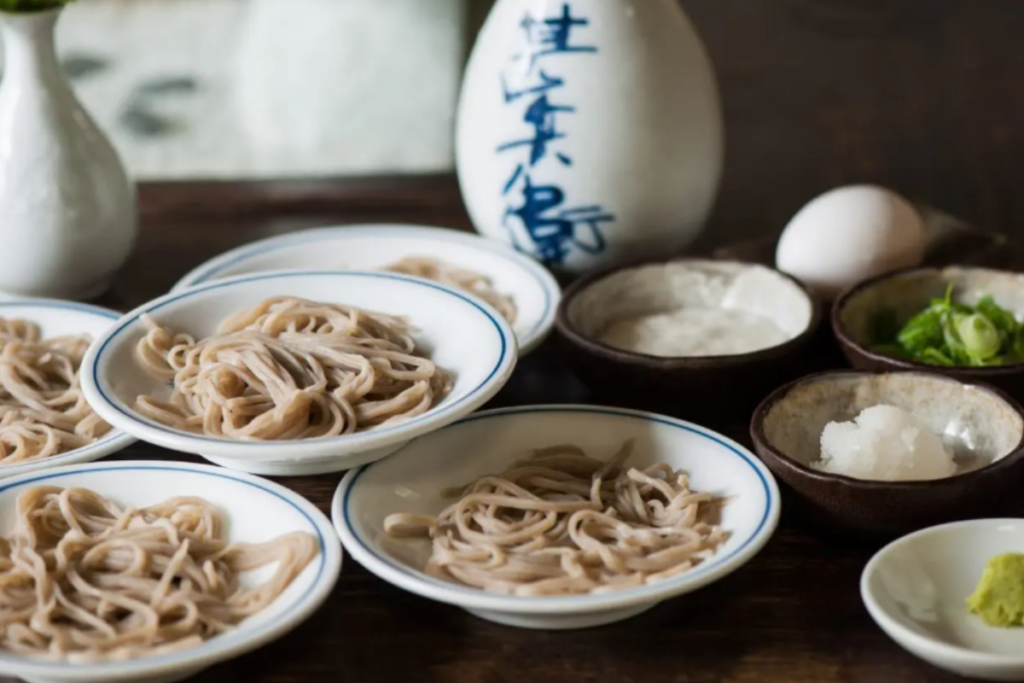
Izushi Soba is a unique variety of buckwheat noodles served on five small porcelain plates, a style that invites diners to gradually adjust the dashi broth flavor with various condiments. This distinct presentation sets it apart from other soba in Japan and serves as a canvas to showcase the town’s local art, Izushi Porcelain.
The dish originated in the castle town of Izushi, just south of Kinosaki Onsen. In 1706, a feudal lord of the Sengoku clan brought his personal soba chefs to his new post, establishing a lasting cultural hub for this beloved cuisine. The accompanying Izushi Porcelain, created from a local stone called kakitanitoseki, is now a registered national traditional craft. With more than 30 soba restaurants in Izushi Castle Town, visitors can easily experience this historic meal.
Stork Natural Rice and Conservation
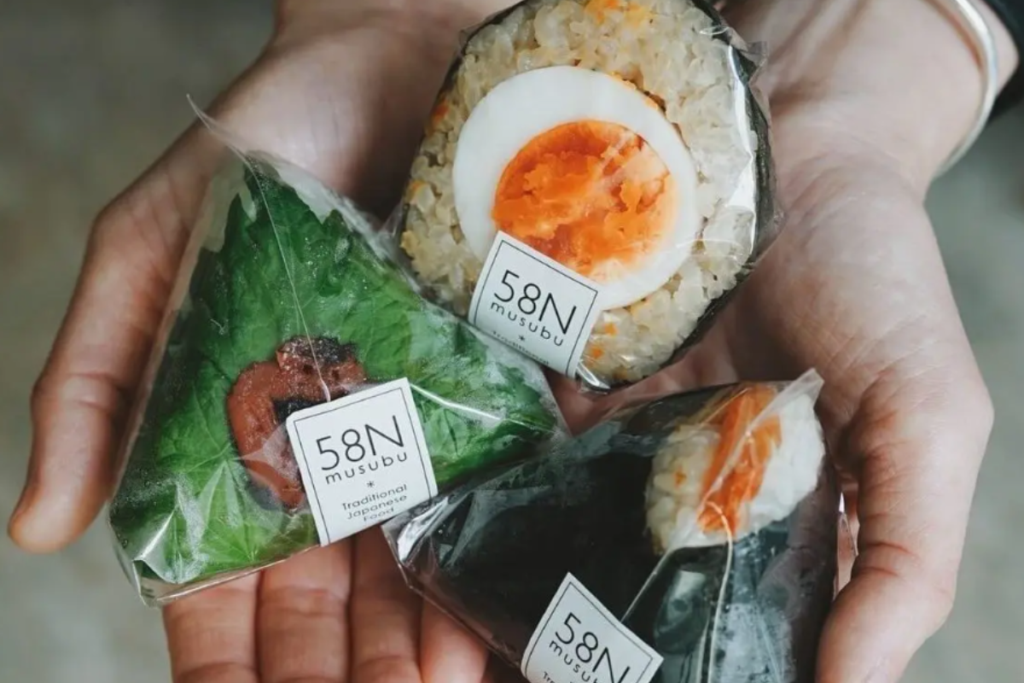
Stork Natural Rice is a farming method developed in Toyooka City specifically to support the reintroduction of the Oriental White Stork by creating pesticide-free feeding grounds. Although these large carnivorous birds disappeared from Japanese skies in 1971 due to loss of habitat, Toyooka City successfully reintroduced them into the wild in 2005.
While wild storks are free to roam, most prefer the stork-friendly paddies in Toyooka because the farming methods ensure a year-round supply of small animals for food. The cultivation requirements are strict, involving no agrochemicals, no fertilizer during the growing season and careful management of water depth. Currently, about 350 oriental white storks fly over Japan, with many choosing to remain near these sustainable rice fields.
Winter Delicacy of Snow Crab
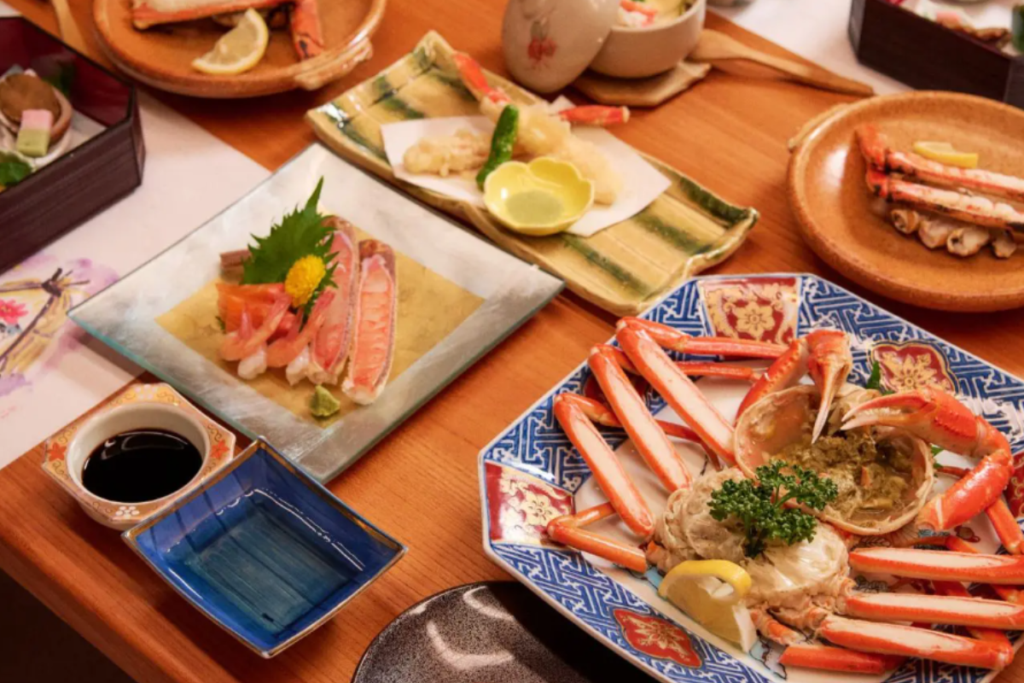
The Snow Crab, also known as Matsuba Crab, is the crown jewel of Kinosaki Onsen gourmet specialties during the winter months. Caught in the cool, clear waters of the Sea of Japan just north of the town, this delicacy is praised for its sweetness and impressive 70-centimeter legs packed with succulent meat.
Adventurous foodies can also try kani miso, a buttery paste found inside the crab. Almost all local inns offer plans with a kaiseki banquet—a traditional multi-course feast that features the crab as its centerpiece.
Practical Information for Visitors
For those planning to indulge in these Kinosaki Onsen gourmet specialties, timing is key. While frozen crab is available year-round, Kinosaki serves Snow Crab fresh only from November to March. In contrast, Tajima Beef and Izushi Soba are available throughout the year.
Visitors concerned about etiquette should note that the town is incredibly welcoming; the seven public bathhouses are famously tattoo-friendly, allowing all guests to enjoy a soak before their meal. Most travelers choose to experience these foods through “kaiseki” plans at their inns, where these local jewels are served as part of a luxurious spread.
FAQ
When is the best time to eat Snow Crab in Kinosaki?
Timing is essential for this delicacy. While frozen Snow Crab is available all year long in Japan, Kinosaki Onsen serves it fresh from Nov to March, when the crabs are freshly fished from the nearby Sea of Japan.
Is Kinosaki Onsen truly tattoo-friendly?
Yes. The town is famous for its seven unique public bathhouses that are officially tattoo-friendly. This policy allows guests with tattoos to fully experience the hot spring tradition without restriction.
Where can I try these gourmet specialties?
Tajima Beef and Izushi Soba are available year-round at local restaurants, including more than 30 soba shops in Izushi. For Snow Crab, most inns in Kinosaki Onsen offer kaiseki banquet dinners included in their accommodation pricing, which feature the crab heavily during the winter season.
Plan Your Visit
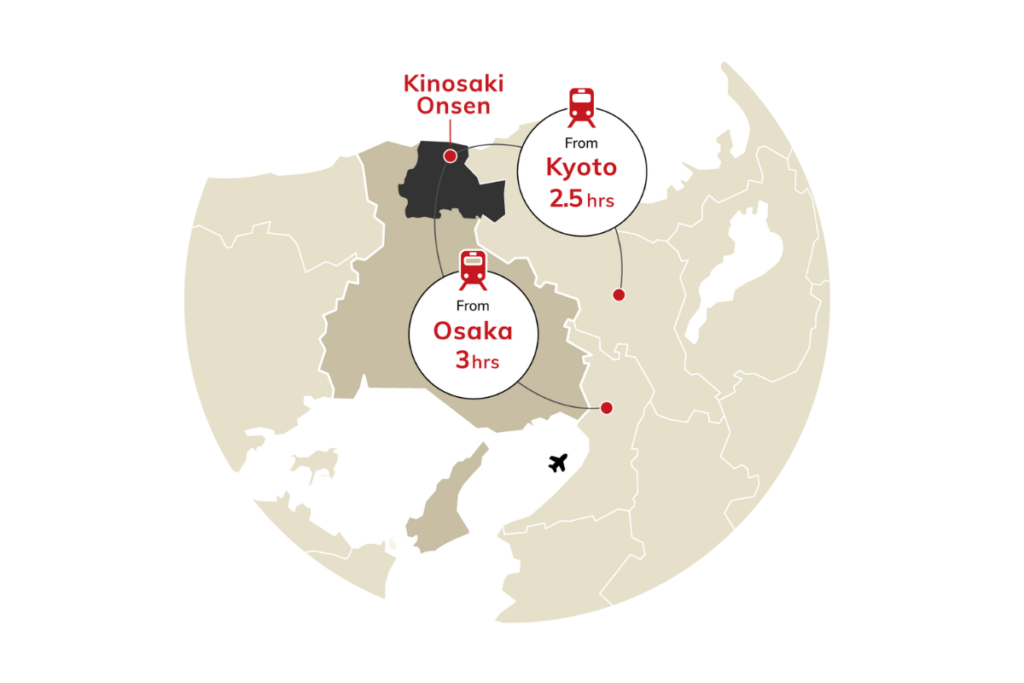
Ready to experience these Kinosaki Onsen gourmet specialties and the historic hot springs for yourself? For more information on accommodations and local guides, please visit Kinosaki Onsen’s website or their official Facebook and Instagram pages.
If you enjoyed this article, please let us know and share your thoughts at hello@goconnect.jp.