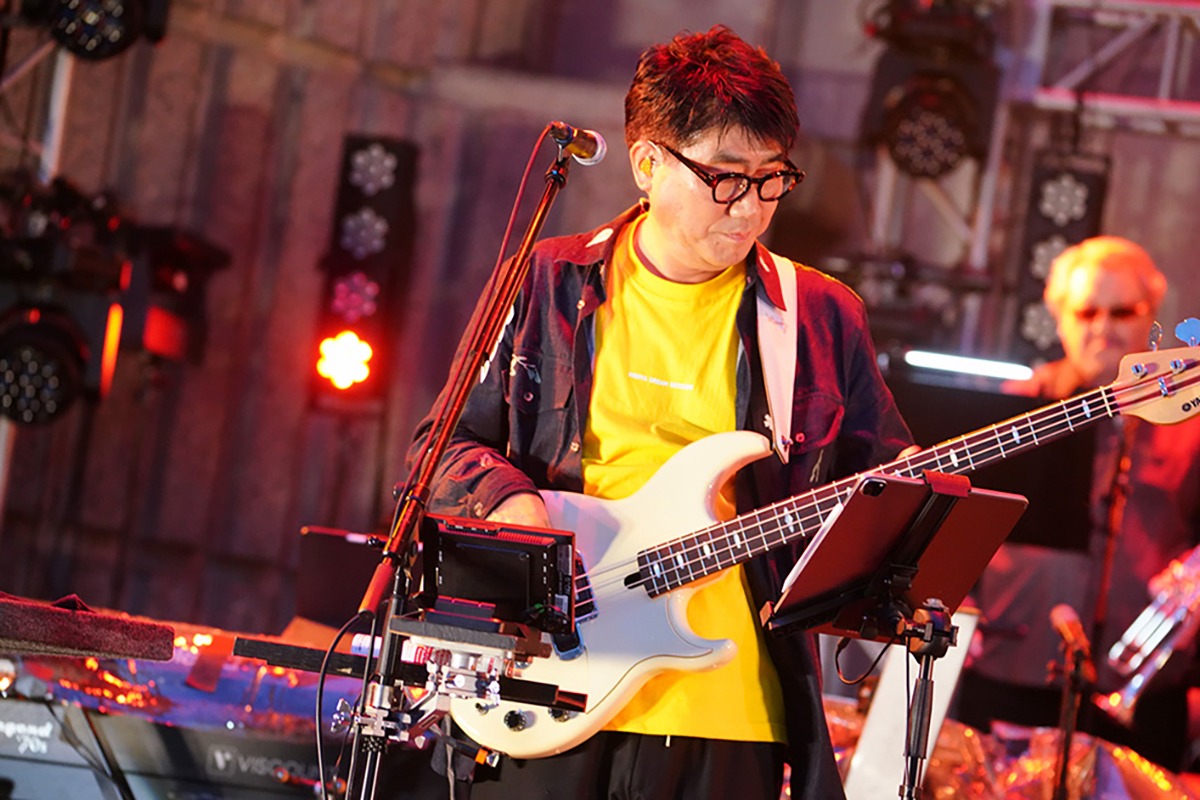
Hibiya Music Festival: Checking in with Seiji Kameda
Seiji Kameda tells a story about New York. He was in Central Park for SummerStage, a warm, comforting evening, and he looked around at who was there. Families with babies. Elderly couples. Businesspeople who’d loosened up after a long day at the office. A man in a wheelchair. Teenagers on their phones who kept looking up. All of them in the same patch of grass, listening to the same music, not really thinking about any of it. Just enjoying the moment.
He came back to Tokyo with that image in his head and eventually turned it into the Hibiya Music Festival.
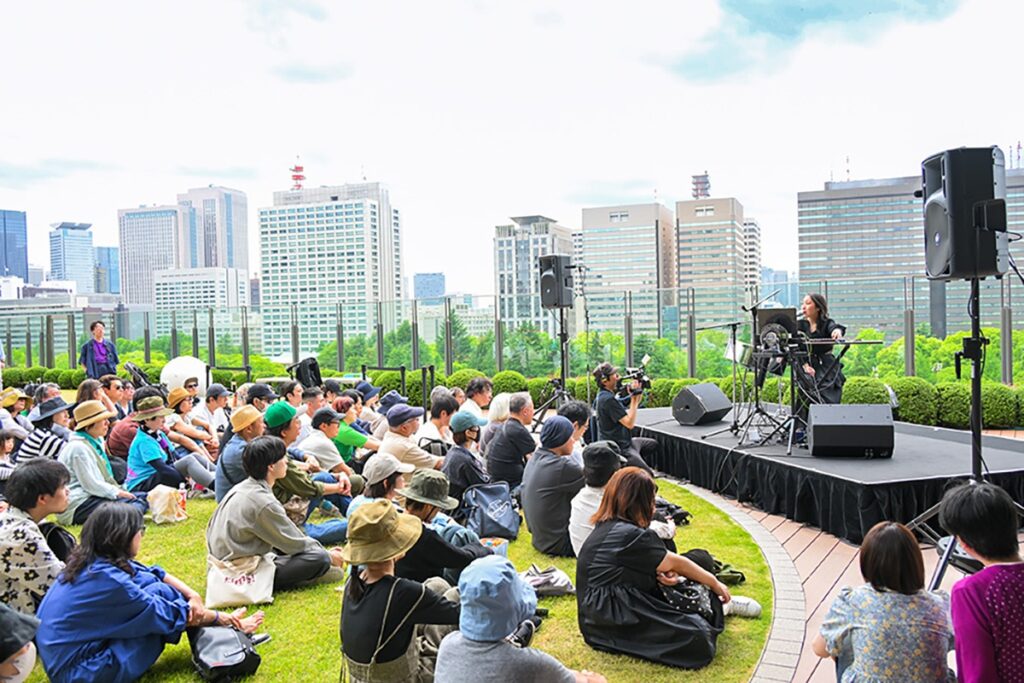
And that’s where we are in 2026, with Kameda trying harder every year to recapture that moment. It’s much less about the lineup and more about who gets to show up. The answer, like that evening in New York, is everyone. The Hibiya Music Festival is free. Not reduced-price, not free-with-registration, not free-if-you-get-there-by-a-certain-time. Just free, outdoors, in the middle of the city, on a weekend when Hibiya Park is at its brilliant best and the weather is perfect for lounging outdoors.
The 2026 edition runs May 30 and 31 across Hibiya Park, Tokyo Midtown Hibiya and Tokyo International Forum. Outdoor performances are free to attend with no ticket required. Some of the indoor programs at the International Forum have limited capacity and may need advance booking, but the heart of the event — stages set up in a public park in central Tokyo — you can just walk into.
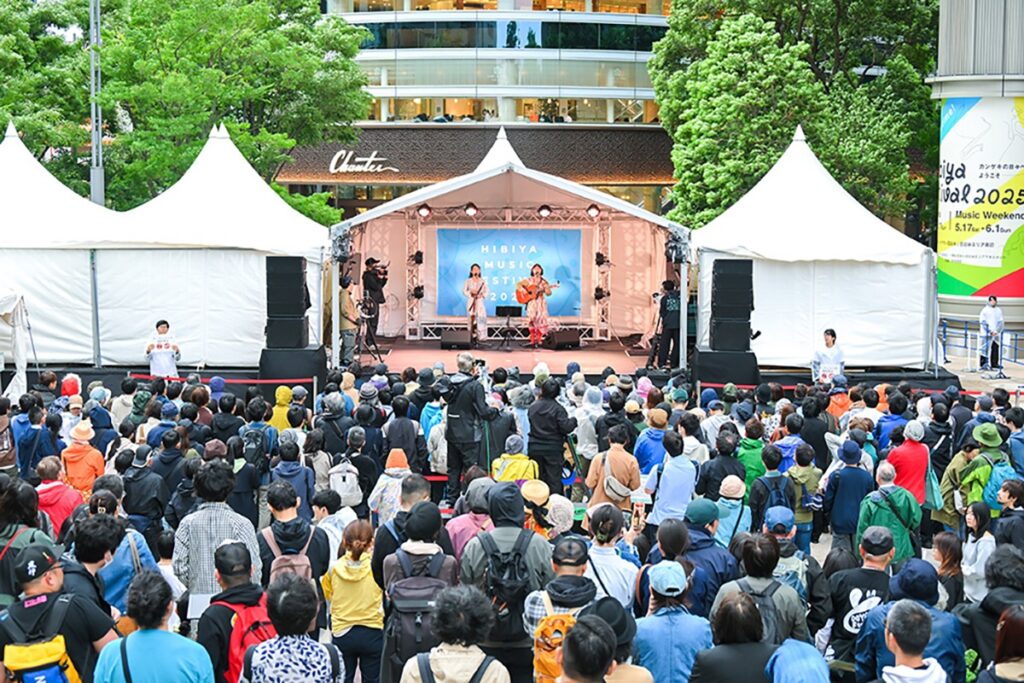
Hibiya: Home to Japan’s freestyle entertainment
Hibiya has had a reputation in Tokyo for a long time. When Japan was opening up to the West during the Meiji era in the late 19th century, this neighborhood was where a lot of that cultural exchange actually happened. The park itself, for instance, was Japan’s first Western-style public park. The city’s first public brass band performance happened here. Dance halls followed, then theaters and cinemas, and over the decades Hibiya became a center of Japanese entertainment. This didn’t happen in a planned, carefully controlled way, but because it was where people kept gathering and enjoying themselves.
Kameda knows this history, and it’s part of why the location feels right to him. It feels appropriate to him to hold a festival built around the idea of music crossing borders in a neighborhood that spent the majority of the last century doing exactly that. Hibiya has been absorbing and mixing cultures since Japan first opened itself to the West, and where better to uphold that tradition through music?
It’s also just a beautiful park. In late May the greenery is at its peak, and on a good day people who’ve been there often make comparisons to New York’s Central Park — a stretch of calm in the middle of a very big, very busy city where you can spread out, eat something and let an afternoon go by.
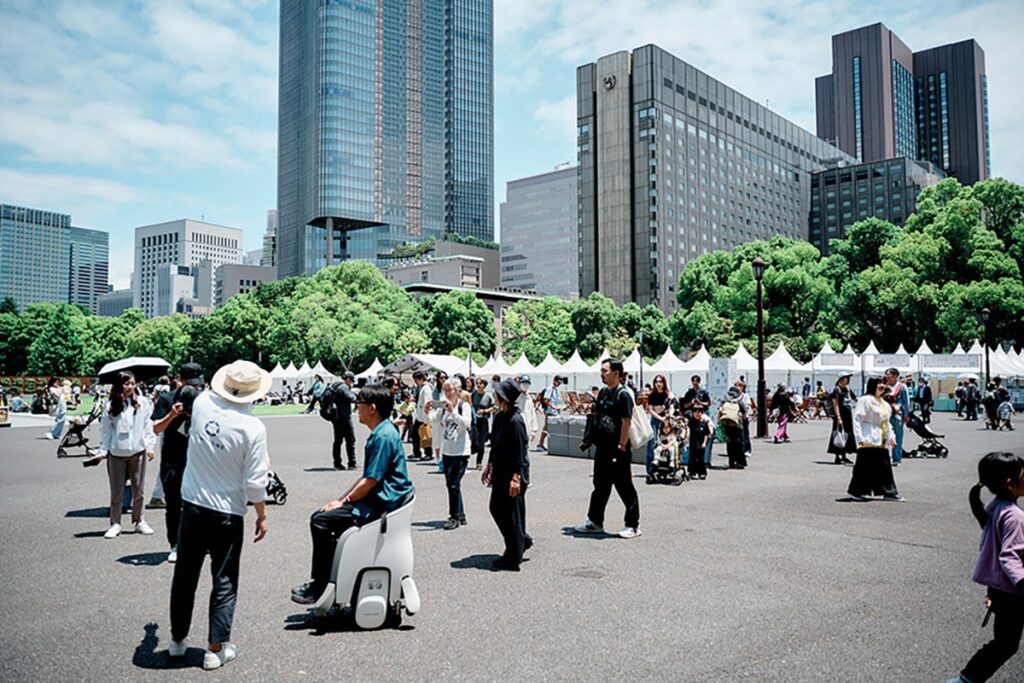
Why is Hibiya Music Festival borderless?
The festival markets itself as a “borderless music festival,” but what exactly does that mean? In this case Kameda uses it pretty specifically: music that moves across genres and across generations, presented without any kind of sorting mechanism — no ticket prices that filter by income, no genre identity that filters by taste and no venue that filters by age or mobility.
He’s been candid about his approach to the lineup. He’s constantly researching artists through social media and the internet, looking for musicians who offer something original rather than just well-known. The goal going forward is to bring artists from outside Japan, not just domestic names. What he’s after, in his own words, is music that moves people.
The result is a festival that doesn’t have an easily defined genre pitch. People aren’t coming for a jazz festival or a classical showcase or a J-pop event. Instead, people come because the curation is good, the park is free and they might hear something you didn’t expect. That’s a different value proposition than most music events, and it requires real trust in the person making the decisions. Kameda has earned that trust. He’s been one of the more interesting figures in Japanese music for years, and the festival reflects the way he thinks about what music is actually for.
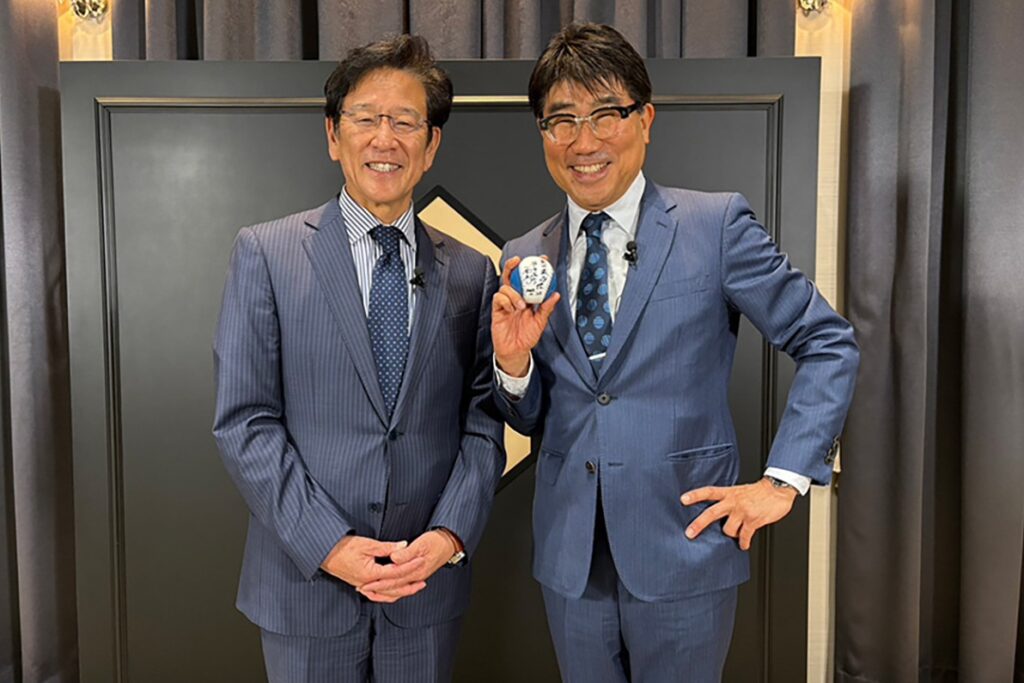
Funding is part of the story
It costs real money to put on a multi-stage, multi-venue festival and charge nothing for it. The Hibiya Music Festival runs on a combination of corporate sponsorship, government support and individual donations. Kameda talks about this model not just as a financial necessity but as something of a proof of concept — that a community, if companies and government and regular people all contribute, can build something that belongs to everyone.
It sounds idealistic in the modern day, but the festival’s existence shows that this is possible. This isn’t a corporate PR event that happens to be free. It’s a free public festival that happens to need corporate support to exist, and uses it in a constructive way.
The long game for Hibiya Music Festival
Kameda has said clearly that he wants this to become a permanent annual fixture — something Tokyo is known for internationally, the kind of event that visitors plan around and locals count on. Tokyo is one of the largest and most international cities in the world, and by his logic, the events it hosts should reflect that. That’s why he’s created a serious, free, genre-spanning music festival that comes back every year without fail.
The festival is May 30 and 31. Hibiya Park is about a five-minute walk from Hibiya Station. There’s no ticket to buy.
Hibiya Music Festival 2026
- Dates: May 30-31, 2026
- Venues: Hibiya Park, Tokyo Midtown Hibiya, Tokyo International Forum (Hall A)
- Admission: Free (outdoor performances); some indoor programs require advance booking
- More info: hibiyamusicfes.jp/2026