Sendai: A Cultural, Natural and Culinary Adventure
Several areas of Japan are actively promoting their attractions to draw tourists away from the “overtouristed” destinations such as Kyoto. Sendai, which combines modern urban exploration, rich historical and natural sites and gastronomic delights, is an alluring destination.
Located in the Tohoku region, Sendai offers a diverse array of activities such as historical temples and castles, fine cuisine and casual fare at vibrant local eateries and a lively international nightlife. I was recently invited to spend a guided weekend in Sendai by local officials and a travel agency. My experience was nothing less than a thoroughly educational and enjoyable mix of history, tradition, nature, cuisine and entertainment.
The journey began at 9am in Tokyo Station with a 90-minute ride on the Shinkansen which featured stunning views of lush farmland, quaint villages and distant mountains.
On arrival in Sendai, our first culinary highlight was Kameki Sushi at Shiogama City. Situated conveniently near the station, this very popular sushi restaurant is renowned for its fresh, high-quality seafood and traditional Japanese dining experience.
Natural Beauty: Saigyo Modoshi no Matsu Park
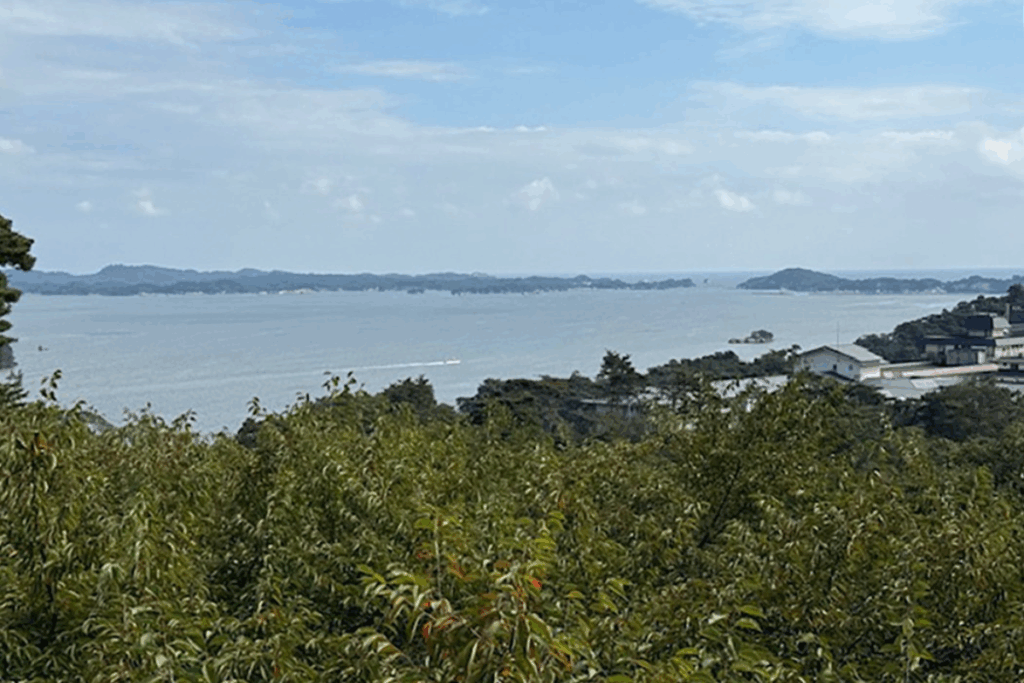
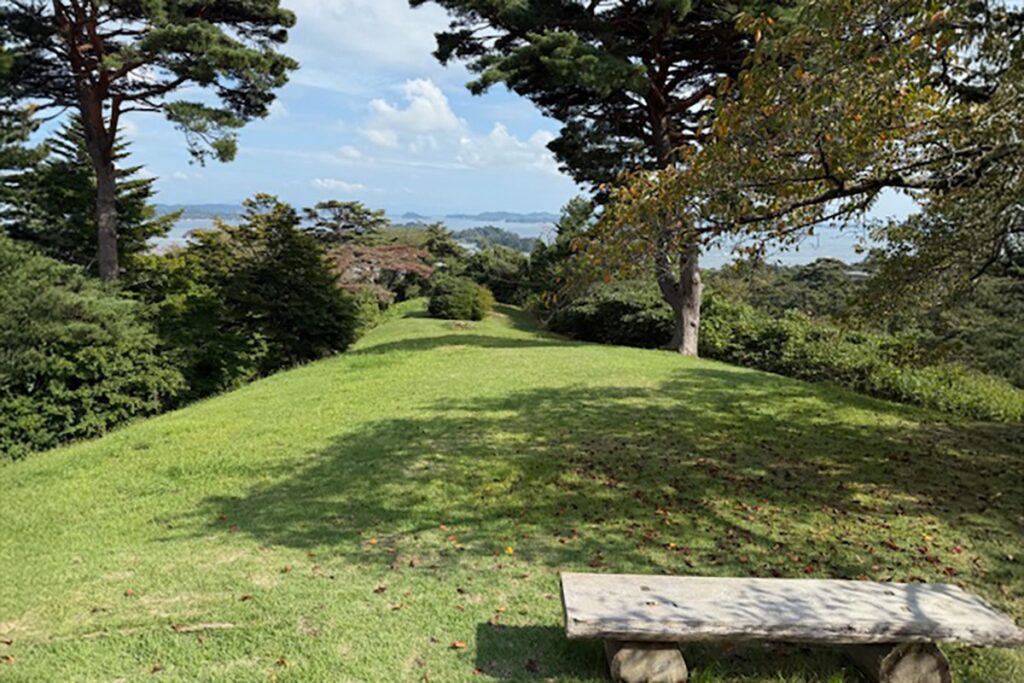
After that, a visit to Saigyo Modoshi no Matsu Park revealed a tranquil retreat overlooking the Matsushima Bay. Named after the famous poet Saigyo, the park is renowned for its iconic pine trees—particularly the Matsu (pine) that seem to endlessly stretch towards the sky. Visitors can stroll along winding paths and admire in-season cherry blossoms or simply relax on benches while enjoying panoramic views of the bay and the surrounding cityscape. The park’s serenity provides a perfect moment for reflection or a leisurely picnic.
Culture and History: Zuiganji Temple
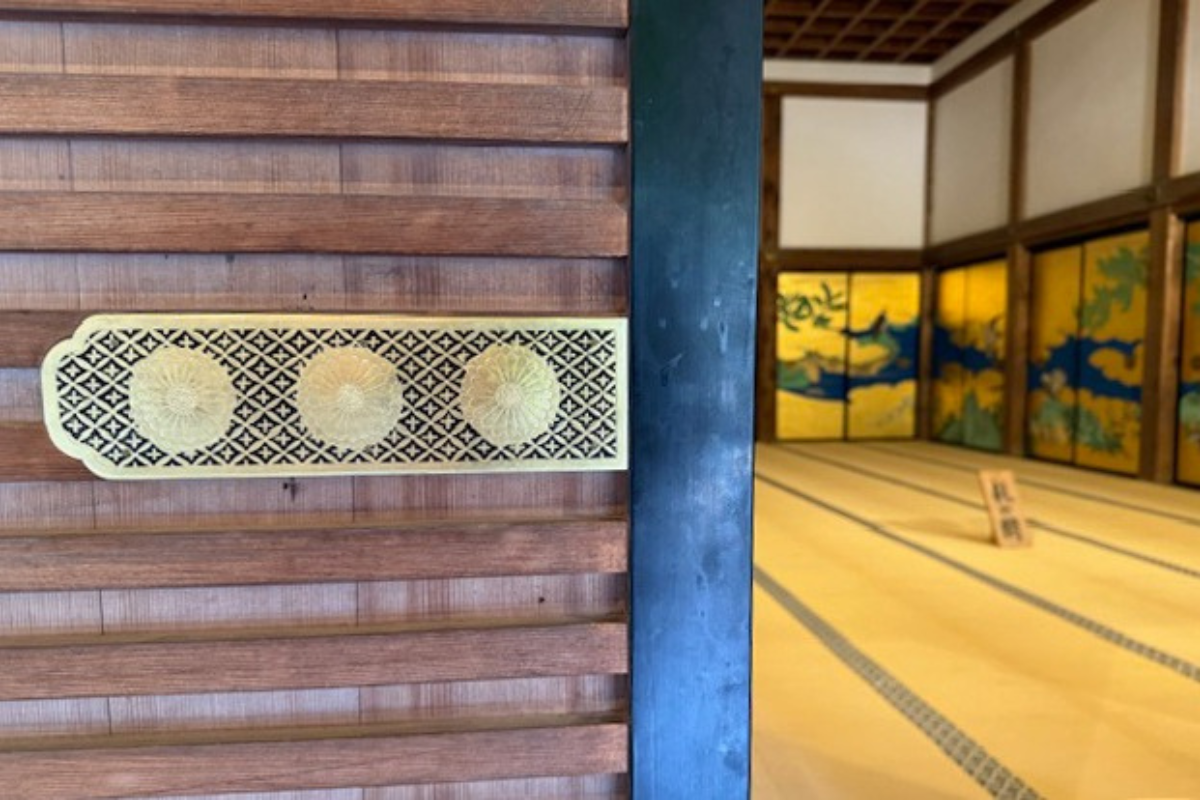
The itinerary continued to the Zen Buddhist Zuiganji Temple, renowned for its historical significance and stunning architecture. Founded in the early 9th century, Zuiganji was renovated extensively during the Kamakura period and offers visitors a glimpse into Japan’s spiritual heritage. The temple complex features beautifully preserved artworks, intricate woodwork and tranquil gardens. Visitors can explore its halls, learn about Zen practices and contemplate the peaceful ambiance that has attracted pilgrims for centuries. The nearby display of traditional samurai residences adds further historical depth to the visit.
Zuihoden Museum and Sendai Castle Site
From Zuiganji, a short ride and walk takes visitors to Zuihoden, the mausoleum of Date Masamune, the legendary founder of Sendai. The ornate black and gold leaf mausoleum is set amidst a peaceful wooded area, showcasing intricate carvings and beautiful architecture in shades of green, gold and red. The museum displays artifacts related to Masamune’s life, offering insights into the daimyo’s rule and the history of Sendai.
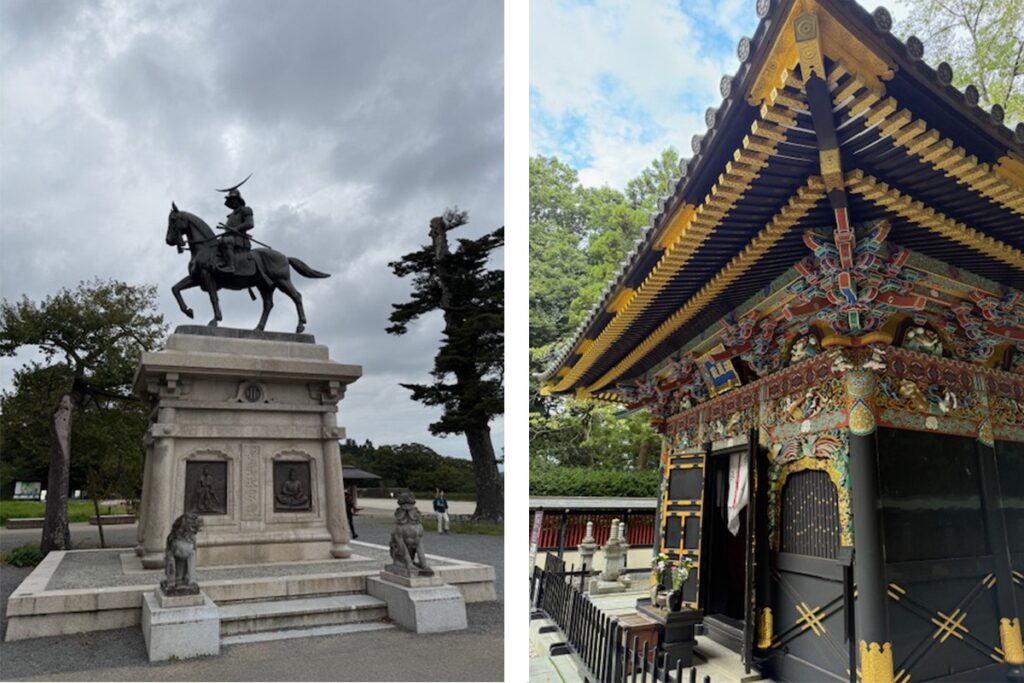
Adjacent to Zuihoden is the Sendai Castle Site, locally known as Aoba Castle. Although much of the original structure was destroyed over the centuries, especially in WWII, the stone foundations and panoramic viewpoints remain. From here, visitors can enjoy sweeping views of the city and ravine, imagining the grandeur of the castle in its prime. It’s a popular spot for history enthusiasts and provides excellent photo opportunities.
Saturday Night in Sendai
As evening falls, the vibrant nightlife of Sendai beckons. The city boasts a lively bar scene, especially around the Ichibancho and Jozenji-dori districts. Bar hopping becomes a delightful way to unwind after a full day of exploration. The bars range from flashy izakaya pouring local sake and shochu to cozy, traditional taverns with craft beers and creative cocktails. Meeting locals and fellow travelers provides an authentic flavor of Sendai’s modern culture.
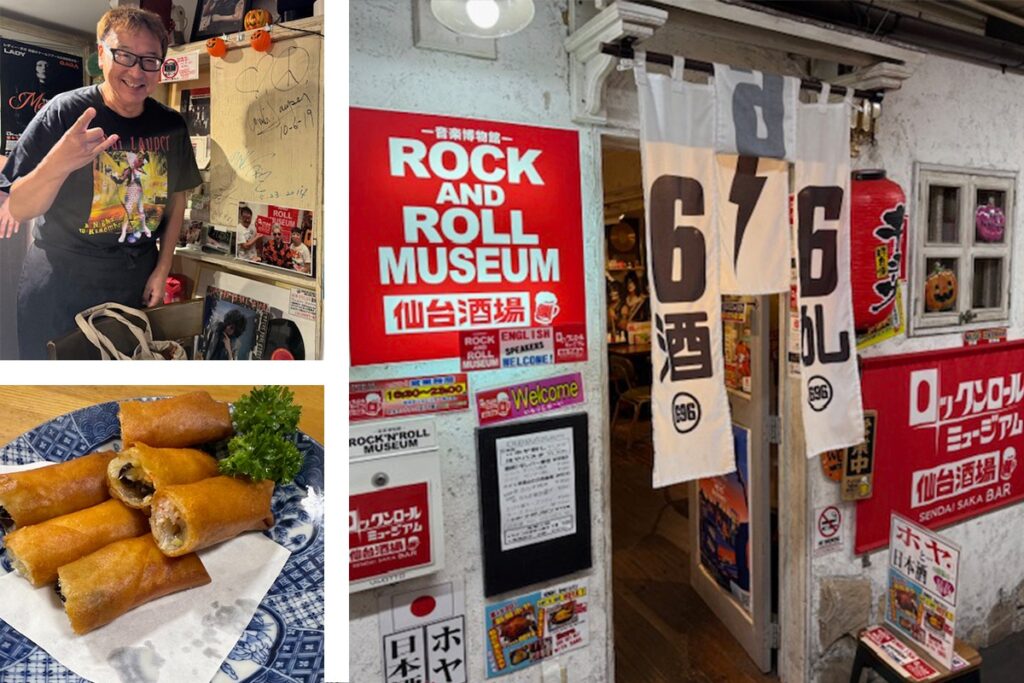
Many establishments feature regional specialties and live music, enhancing the overall experience. We popped into a bar called Rock ‘n’ Roll Museum, decorated with images of the owner hosting Cyndi Lauper and other international stars who performed at concerts in Sendai and popped in to meet the master. I could not even sit upright in some upstairs seats of another atmospheric bar due to its low roof. Yet, the sake and food were fine, and locals were friendly and full of questions for us.
Long Walks, Beef and Sake
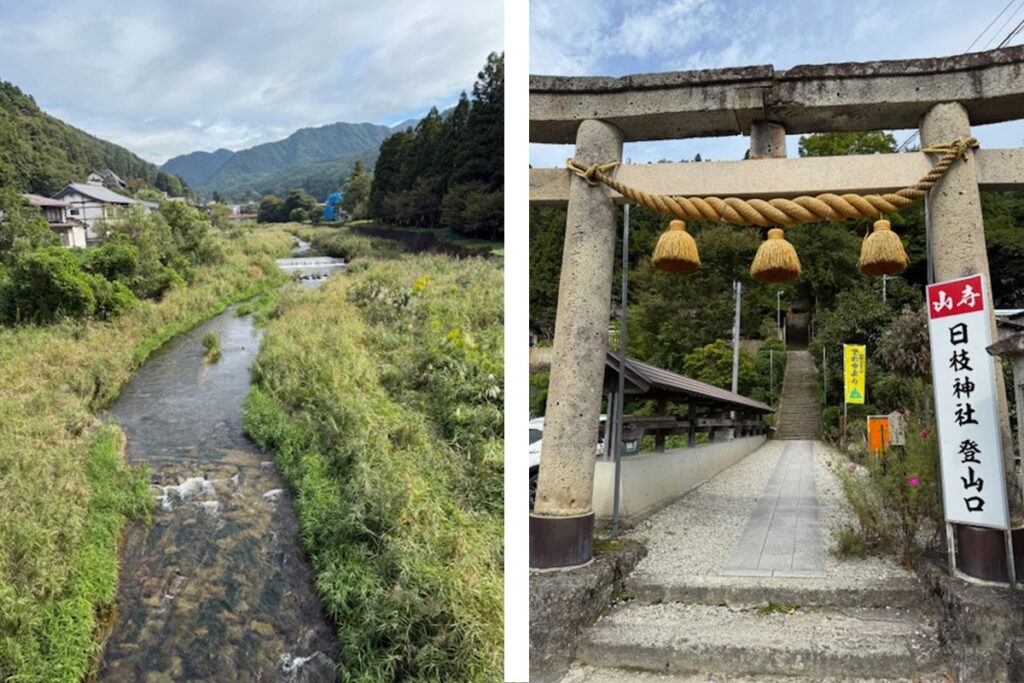
The second day began with a guided tour of Yamadera Temple, a renowned historic site nestled in the mountains of Yamagata Prefecture, neighboring Sendai. Yamadera is famous for its breathtaking staircase of some 1,000 steps that winds through lush greenery, leading visitors to stunning views and ancient temples perched atop the hill. Instead, I explored the village and appreciated the serene atmosphere and the intricate architecture that beautifully reflects centuries of Buddhist tradition. To cool off, I dipped my feet into the clean, refreshing river right under a dramatic waterfall.
The challenging walks worked up our appetites for lunch; most of our group indulged in Yonezawa beef kakashi. Their dish featured thin slices of premium Yonezawa beef which was tender and rich in flavor while being served with fresh vegetables and dipping sauces. The beef’s melt-in-your-mouth quality left a lasting impression and exemplified the region’s reputation for producing some of the best beef in Japan. I opted for next door, a delightful chicken noodle restaurant adorned with quirky collector items and relaxed locals.
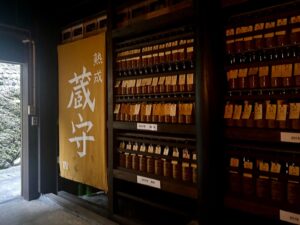
No culinary trip to Tohoku is complete without a sake tasting, so we visited Chetto, famous for its refined and flavorful sake. You insert tokens into the dispenser and pick from dozens of sakes and wines, which it then pours into a tiny cup. Sampling the different varieties allowed me to appreciate the craftsmanship and the unique regional traits that lie at the heart of Tohoku’s sake culture.
Fresh Fruit and Hot Baths
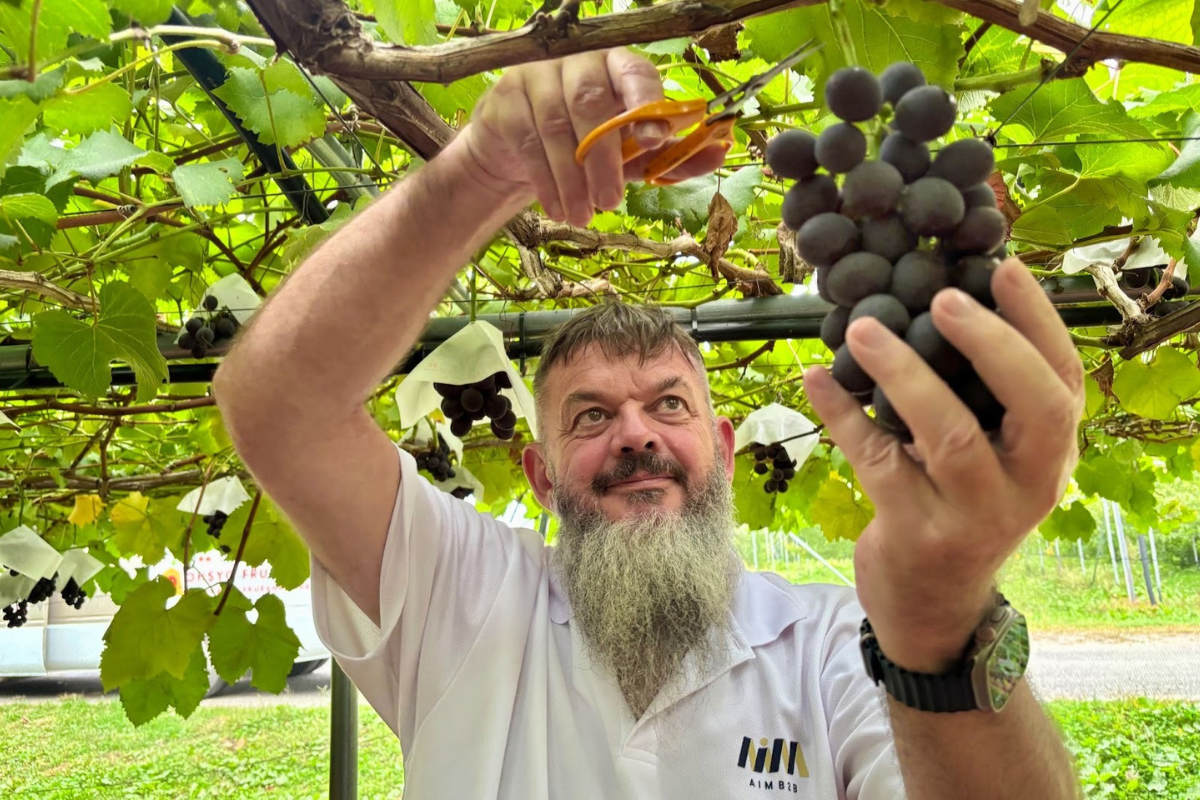
At Ohsyo Fruit Farm, I experienced pick-your-own for the first time since my childhood. We picked three kinds of grapes directly from the vines, and later savored the freshness of each juicy fruit. This hands-on activity gave us a delightful break from sightseeing and a glimpse into the local agriculture and seasonal bounty so important to the region.
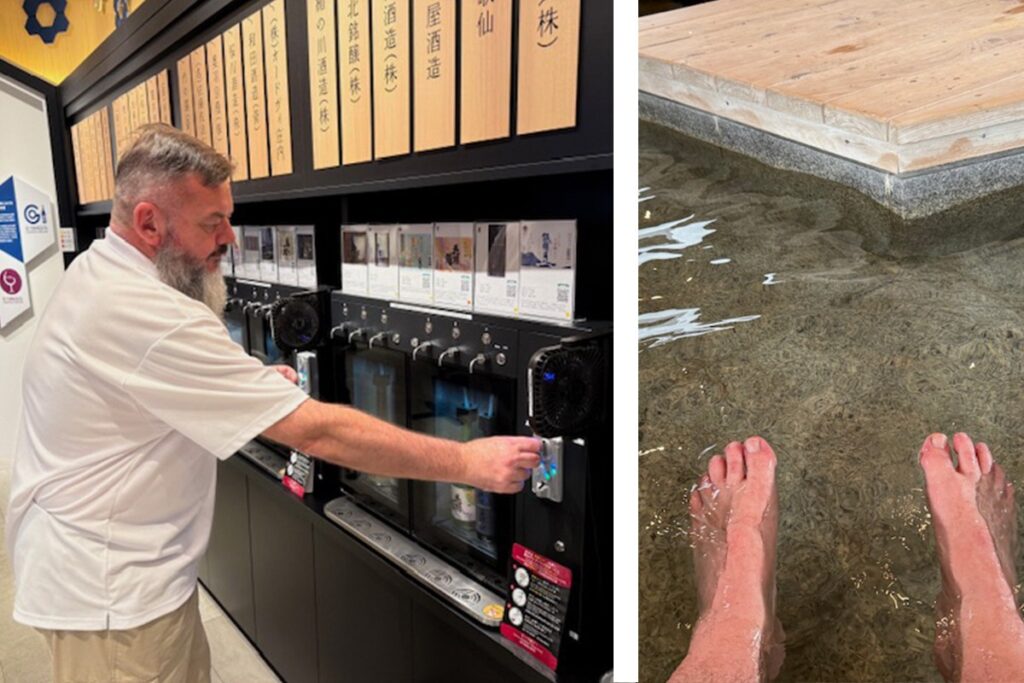
To unwind, we finished the day at Tendo Onsen. Soaking our feet in the warm, mineral-rich waters offered a perfect way to relax before taking the train back to Tokyo. Reflecting on the trip, I appreciated how Sendai and Tohoku wove together such a rich tapestry of history, culture, nature and culinary delights, making it a truly memorable destination.