BBC Names Ishikawa Among 20 Best Places to Travel in 2026
Wondering where to go next? “From a Polynesian island ringed by blue lagoons to the heart of Chile’s wine country,” the BBC has listed their best places to visit in 2026, which also puts Ishikawa Prefecture in its top 20 travel destinations. Why? Traditional crafts and award-winning sake.
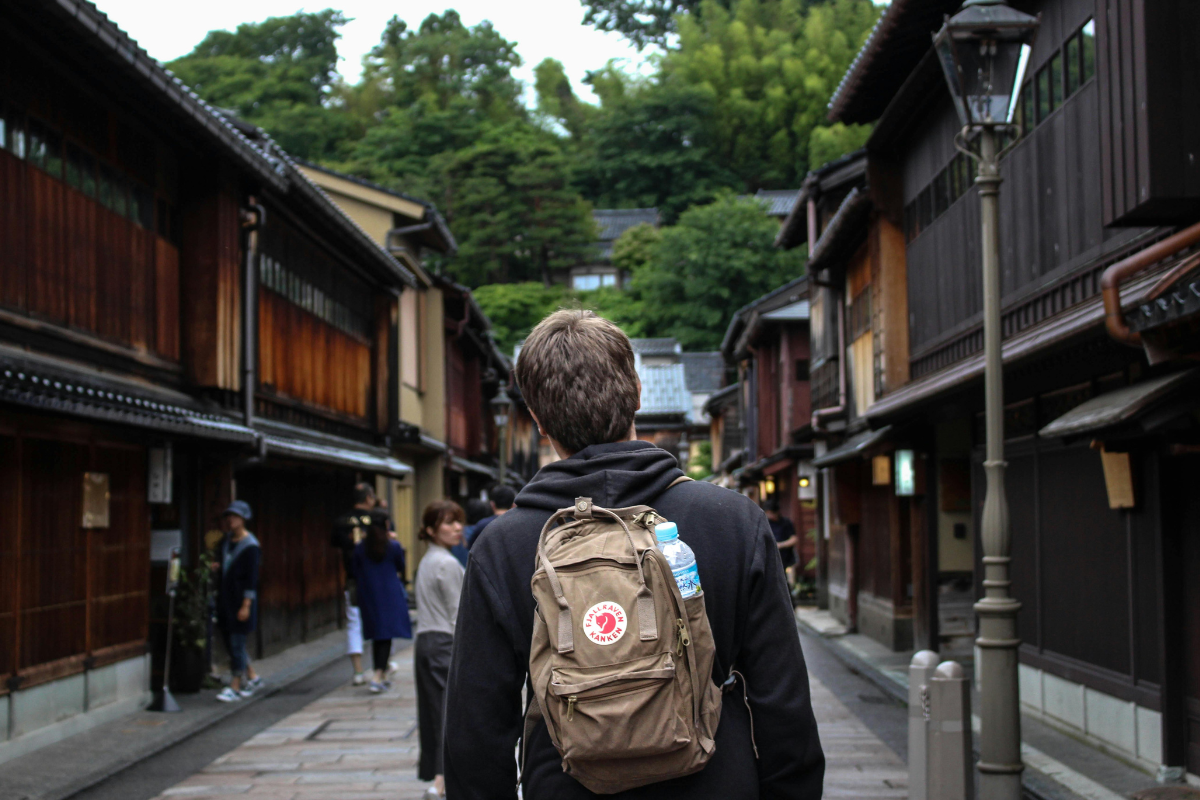
Two years after a 7.6-magnitude earthquake devastated the Noto peninsula in Ishikawa Prefecture, locals are urging visitors to return to help with the renewal. Ishikawa is once again becoming what locals call an “epicenter of traditional and contemporary Japanese art, design, culture and craft. From the modern architecture of Kanazawa Station to the progressive 21st Century Museum of Contemporary Art, the traditional geisha performances at Yamanaka-za Theater to exquisite porcelain displays at the Kutani-yaki Art Museum, there is something to satisfy everyone’s curiosity.”
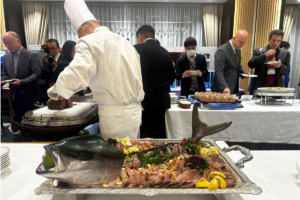
Ishikawa is also renowned for its elegant cuisine, from sushi and wagyu beef to sake and sweets. The Don’t Stop the Noto Sake Project is a collaborative project that allows brewers to focus solely on making sake. Their task was clear: how can we reverse the downward trend of the shrinking sake market? The project directs revenue to quake-damaged breweries to help them achieve this.
To complement sake, say tourism leaders, “visitors and locals dine on the freshest seafood, including snow crab, sweet shrimp and yellowtail. Try Noto beef, delicious stews made with Kaga vegetables, and rich soy sauce and miso paste from Ishikawa’s fertile farmlands. Whether your tastes run to fine kaiseki dining, small, rustic eateries or tasting tours of local food markets, a journey around the prefecture is a treat for the senses.”
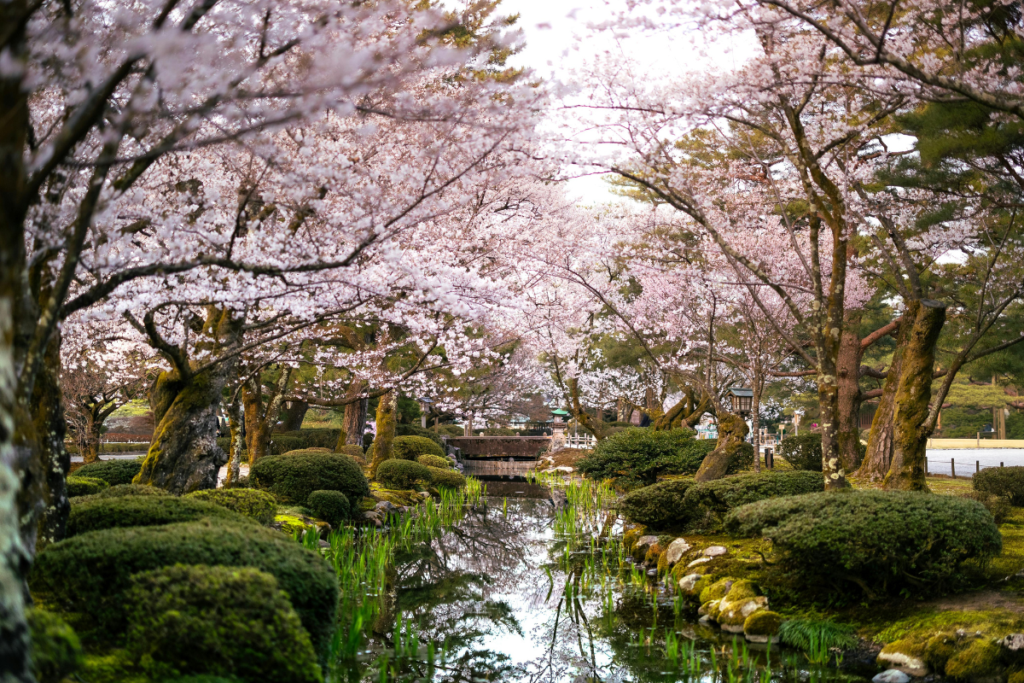
The BBC continues, “In the prefecture’s south, the city of Kanazawa is just a 2.5 hour bullet train ride from Tokyo and is home to Kenrokuen, one of Japan’s most famous gardens, as well as a thriving world of traditional crafts. Travellers can step inside gold-leaf workshops and try their hand at making their own silk-dyed Kaga Yuzen pieces. But it’s further north, in quake-hit Noto, where visitors can make the greatest difference. Here, farmhouse inns invite guests to join seasonal activities such as rice planting, with proceeds helping to sustain families and the centuries-old terraced rice paddies of Shiroyone Senmaida.”
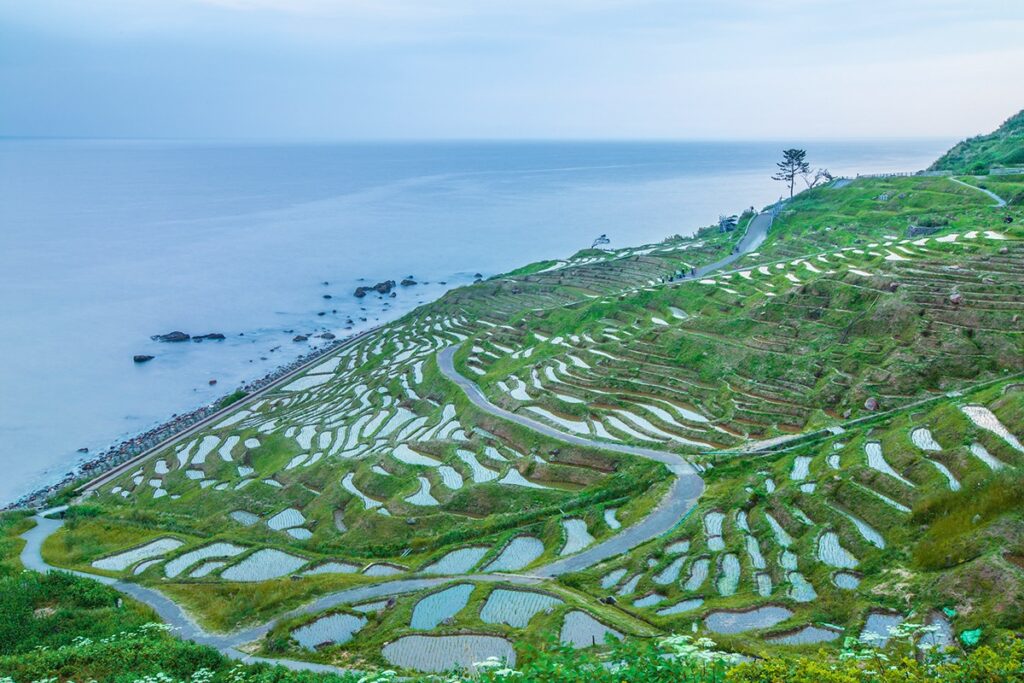
Says writer Mizuki Uchiyama, “Visitors who stay in family-run inns, eat at reopened local restaurants or buy traditional crafts from local artisans are helping to keep Ishikawa’s unique traditions alive at a moment when they are most at risk. It’s a chance to stand with communities rebuilding their homes and cultural heritage, ensuring this storied region thrives for generations to come.”
And the rest of the top 20 (in alphabetical order):
Abu Dhabi
For new and old culture
Algeria
Historical and cultural preservation
Colchagua Valley, Chile
Sip Montes on a saddle under the stars
Cook Islands
Few visit these blue lagoons
Costa Rica
Rich, diverse biodiversity
Hebrides, Scotland
Scotch, stories and warm welcome
Komodo Islands, Indonesia
Preserving ancient wildlife habitats
Loreto, Baja California Sur, Mexico
Water wildlife, deserted islands and eco adventures
Montenegro
Young nation’s unspoilt wilderness
Oregon Coast, US
Brawn and beauty
Oulu, Finland
Flowers and 2026 Capital of Culture
Philadelphia, US
FIFA World Cup and 250th celebrations
Phnom Penh, Cambodia
Gen Z’s sustainable creativity
Guimarães, Portugal
Europe’s Green Capital for 2026
Samburu, Kenya
Astrotourism, rare wildlife, few tourists
Santo Domingo, Dominican Republic
Festivities and 100th Games
The Slocan Valley, British Columbia, Canada
Hike with history
Uluru, Australia
Walk, eat and sleep on sacred desert icon
Uruguay
Flamingos, steaks and sustainability
Full details:
www.bbc.com/travel/article/20251209-the-20-best-places-to-travel-in-2026
If you enjoyed this article, please let us know and share your thoughts at hello@goconnect.jp